Occurrence of Antibiotic Residues in Surface Water
Antibiotic residues in river water represent a significant environmental concern with far-reaching implications for ecosystem health and human safety. These pharmaceutical compounds enter aquatic systems through various pathways including wastewater treatment plant effluents, agricultural runoff, and improper disposal of unused medications. The persistence of antibiotics in surface water creates selective pressure for antibiotic-resistant bacteria, potentially contributing to the global antimicrobial resistance crisis.
Environmental monitoring studies have detected numerous antibiotic classes in river water at concentrations ranging from ng/L to μg/L levels. Common classes include sulfonamides, tetracyclines, fluoroquinolones, macrolides, and β-lactams. The hydrophilic nature of many antibiotics makes them particularly challenging to extract from aqueous matrices, necessitating specialized sample preparation techniques that can effectively concentrate these polar compounds while minimizing matrix interferences.
Selection of HLB Polymeric Sorbent for Polar Antibiotics
The Hydrophilic-Lipophilic Balanced (HLB) polymeric sorbent represents the gold standard for extracting polar antibiotics from aqueous matrices. Introduced in 1996, Oasis HLB revolutionized solid-phase extraction by providing a water-wettable copolymer that is stable across the entire pH range (0-14). This unique characteristic eliminates the need for conditioning and equilibration steps required by traditional silica-based sorbents, streamlining the extraction process while maintaining high recovery rates.
HLB sorbents feature a balanced retention mechanism that combines hydrophilic N-vinylpyrrolidone moieties with lipophilic divinylbenzene components. This dual functionality enables effective retention of both polar and non-polar antibiotics through multiple interaction mechanisms including hydrophobic interactions, hydrogen bonding, and π-π interactions. For river water applications, the high capacity of HLB sorbents for extremely polar compounds makes them particularly suitable for extracting antibiotics with diverse physicochemical properties.
Compared to traditional C18 or C8 sorbents, HLB demonstrates superior performance for polar antibiotics due to its water-wettable nature, which allows direct loading of aqueous samples without sacrificing recovery. The absence of silanol interactions further reduces secondary interactions that can complicate elution and recovery of basic antibiotics.
Sample Filtration and pH Adjustment Strategies
Proper sample pretreatment is critical for successful antibiotic extraction from river water. The initial step typically involves filtration through 0.45 μm or 0.22 μm membrane filters to remove suspended solids and particulate matter that could clog SPE cartridges. Glass fiber filters are preferred over cellulose-based filters to minimize potential adsorption of antibiotics onto the filter material.
pH adjustment represents a crucial parameter optimization step that significantly impacts antibiotic retention on HLB sorbents. Most antibiotics exist as ionizable compounds with pKa values typically ranging from 2 to 10. Adjusting sample pH to suppress ionization enhances hydrophobic interactions with the sorbent:
- Acidic antibiotics (pKa 2-8): Adjust pH to 2-3 to protonate carboxyl groups
- Basic antibiotics (pKa 6-10): Adjust pH to 9-10 to deprotonate amine groups
- Amphoteric antibiotics: Optimize pH based on dominant functional groups
Common pH adjustment reagents include hydrochloric acid, formic acid, acetic acid, ammonium hydroxide, or sodium hydroxide. The choice depends on antibiotic stability and compatibility with subsequent analytical techniques.
Cartridge Conditioning and Sample Loading (500–1000 mL)
Despite HLB’s water-wettable nature, proper conditioning remains essential for optimal performance. A typical conditioning sequence involves:
- 5-10 mL methanol to wet the sorbent bed
- 5-10 mL deionized water or buffer matching sample pH
For large-volume river water samples (500-1000 mL), appropriate cartridge selection is critical. Recommended configurations include:
- 6 cc/200 mg: For 500 mL samples with moderate antibiotic concentrations
- 12 cc/500 mg: For 1000 mL samples or samples with complex matrices
- 20 cc/1 g: For maximum capacity applications
Sample loading rates should be controlled at 5-10 mL/min to ensure adequate contact time between antibiotics and sorbent. Vacuum manifolds or positive pressure systems can be employed to maintain consistent flow rates throughout the loading process. The breakthrough volume should be monitored, especially for highly polar antibiotics, to ensure quantitative retention.
Washing to Remove Natural Organic Matter
River water contains significant amounts of natural organic matter (NOM), including humic and fulvic acids, which can interfere with antibiotic analysis. Effective washing protocols are essential to remove these matrix components while retaining target antibiotics. A typical washing sequence includes:
- 5% methanol in water: Removes highly polar interferences while maintaining antibiotic retention
- Water or buffer wash: Eliminates residual salts and water-soluble matrix components
For particularly challenging matrices with high NOM content, additional washing steps may include:
- 2-5% ammonium hydroxide in water for basic antibiotics
- 2-5% formic acid in water for acidic antibiotics
- Water-methanol mixtures with increasing organic content (up to 20%)
The washing volume typically ranges from 5-20 mL depending on cartridge size and matrix complexity. Complete drying of the sorbent bed after washing is crucial to prevent dilution of the elution solvent and ensure efficient antibiotic recovery.
Elution with Methanol or Methanol with Ammonia
Antibiotic elution from HLB cartridges requires solvents with sufficient elution strength to disrupt all retention mechanisms. The most common elution solvents include:
- 100% methanol: Effective for most antibiotics with moderate to high hydrophobicity
- Methanol with 2-5% ammonium hydroxide: Enhances elution of basic antibiotics by suppressing ionization
- Methanol with 2-5% formic acid: Improves recovery of acidic antibiotics
- Acetonitrile-methanol mixtures (90:10): Provides alternative selectivity for challenging compounds
Elution typically requires 5-10 mL of solvent divided into two aliquots to ensure complete recovery. The eluate should be collected in a clean, appropriately sized vessel, with evaporation to dryness under gentle nitrogen stream if concentration is required. Reconstitution in mobile phase compatible solvents (typically water-methanol or water-acetonitrile mixtures) prepares the extract for LC-MS/MS analysis.
LC-MS/MS Quantification Workflow
Liquid chromatography coupled with tandem mass spectrometry (LC-MS/MS) represents the analytical technique of choice for antibiotic quantification in environmental samples due to its superior sensitivity, selectivity, and ability to analyze multiple compounds simultaneously. The typical workflow includes:
- Chromatographic separation: C18 or C8 columns (50-150 mm × 2.1 mm, 1.7-3.5 μm particles) with gradient elution using water-methanol or water-acetonitrile mobile phases containing 0.1% formic acid or ammonium acetate buffers
- Mass spectrometric detection: Electrospray ionization (ESI) in positive or negative mode with multiple reaction monitoring (MRM) for each antibiotic and corresponding internal standards
- Quantification: External calibration with matrix-matched standards or standard addition to compensate for matrix effects
Method validation should include assessment of linearity (typically 1-1000 ng/L), limits of detection and quantification (LOD/LOQ), precision, accuracy, and recovery. Isotope-labeled internal standards are recommended for each antibiotic class to correct for matrix effects and recovery variations.
Improving Recovery and Minimizing Matrix Effects
Several strategies can enhance antibiotic recovery and reduce matrix effects in river water analysis:
Optimization Strategies
- pH optimization: Systematic evaluation of sample pH for each antibiotic class
- Loading rate control: Maintaining consistent flow rates during sample application
- Cartridge capacity matching: Selecting appropriate sorbent mass for sample volume
Matrix Effect Mitigation
- Internal standardization: Using isotope-labeled analogs for each target compound
- Matrix-matched calibration: Preparing standards in antibiotic-free river water
- Standard addition: Adding known amounts of antibiotics to sample aliquots
- Post-column infusion: Monitoring ion suppression/enhancement throughout chromatographic run
Alternative SPE Approaches
For particularly challenging matrices or specific antibiotic classes, alternative SPE strategies may be considered:
- Mixed-mode sorbents (MCX, MAX, WCX, WAX): Provide orthogonal selectivity through combined reversed-phase and ion-exchange mechanisms
- Oasis PRiME HLB: Simplified protocols that remove >95% of common matrix interferences without conditioning steps
- On-line SPE-LC-MS/MS: Automated systems that integrate extraction, concentration, and analysis
Regular method verification with quality control samples and participation in proficiency testing programs ensure ongoing method performance and reliability for environmental monitoring applications.
Conclusion
The extraction of antibiotics from river water using HLB SPE represents a robust, reliable approach for environmental monitoring. The water-wettable nature of HLB sorbents, combined with their stability across the entire pH range, makes them particularly suitable for extracting polar antibiotics from complex aqueous matrices. By following optimized protocols for sample pretreatment, SPE conditions, and LC-MS/MS analysis, laboratories can achieve sensitive, accurate quantification of antibiotic residues at environmentally relevant concentrations. This capability is essential for understanding antibiotic fate and transport in aquatic systems, assessing ecological risks, and informing regulatory decisions regarding pharmaceutical contamination in surface waters.
Related Products: For your antibiotic extraction needs, consider our HLB SPE Cartridges, available in various configurations to match your specific application requirements. For high-throughput applications, our 96-well SPE plates offer automated processing capabilities.
Related Products:


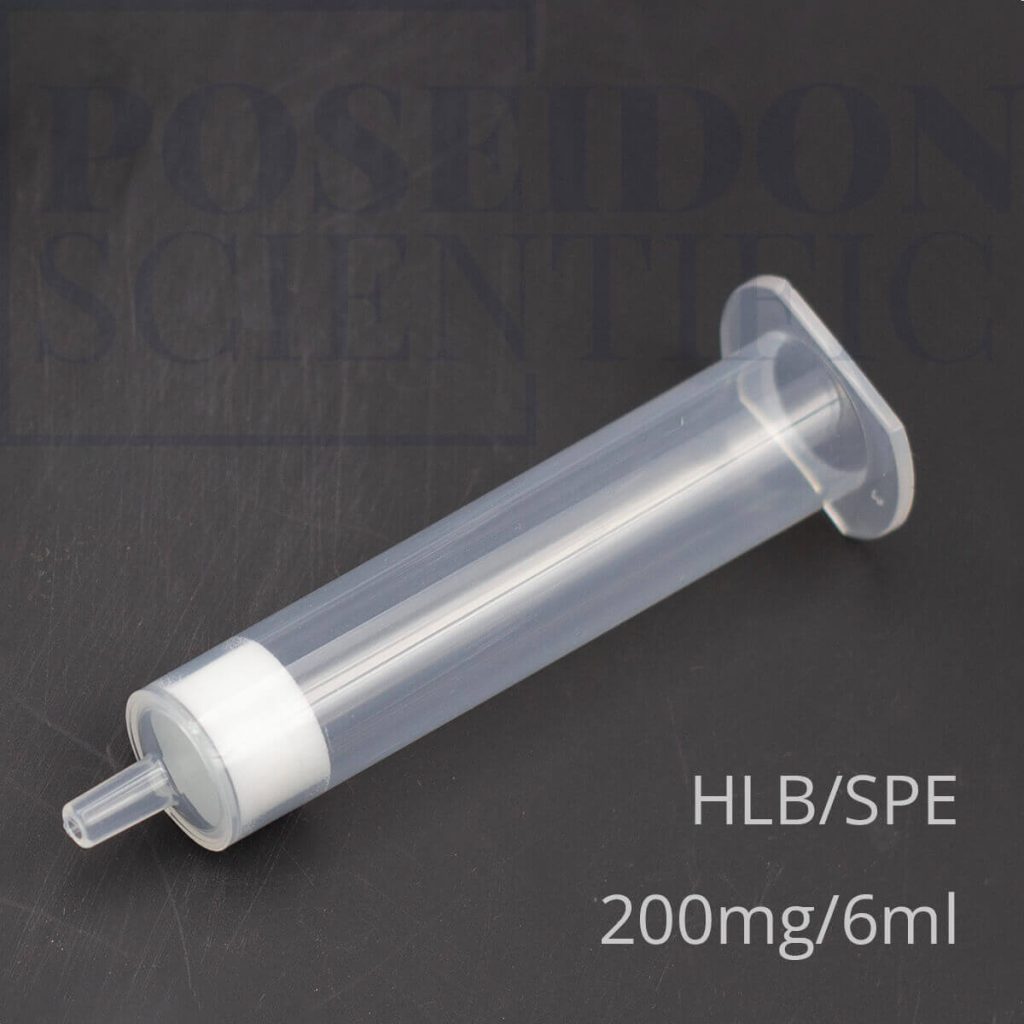

HLB SPE Cartridges
100% Water-Wettable: Polymeric divinylbenzene-N-vinylpyrrolidone copolymer — zero loss of recovery even if the sorbent bed runs dry.
Universal Retention: Extracts acidic, neutral, and basic compounds simultaneously from complex aqueous matrices.
Seamless Method Transfer: Equivalent particle size (30 µm / 60 µm) and surface chemistry to Waters Oasis® HLB — no SOP re-validation needed.
40%–60% Cost Reduction: Premium lab quality at direct-from-manufacturer pricing.
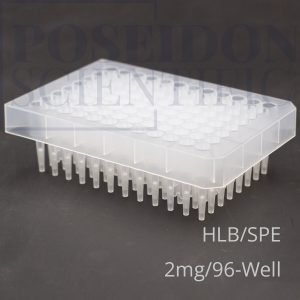


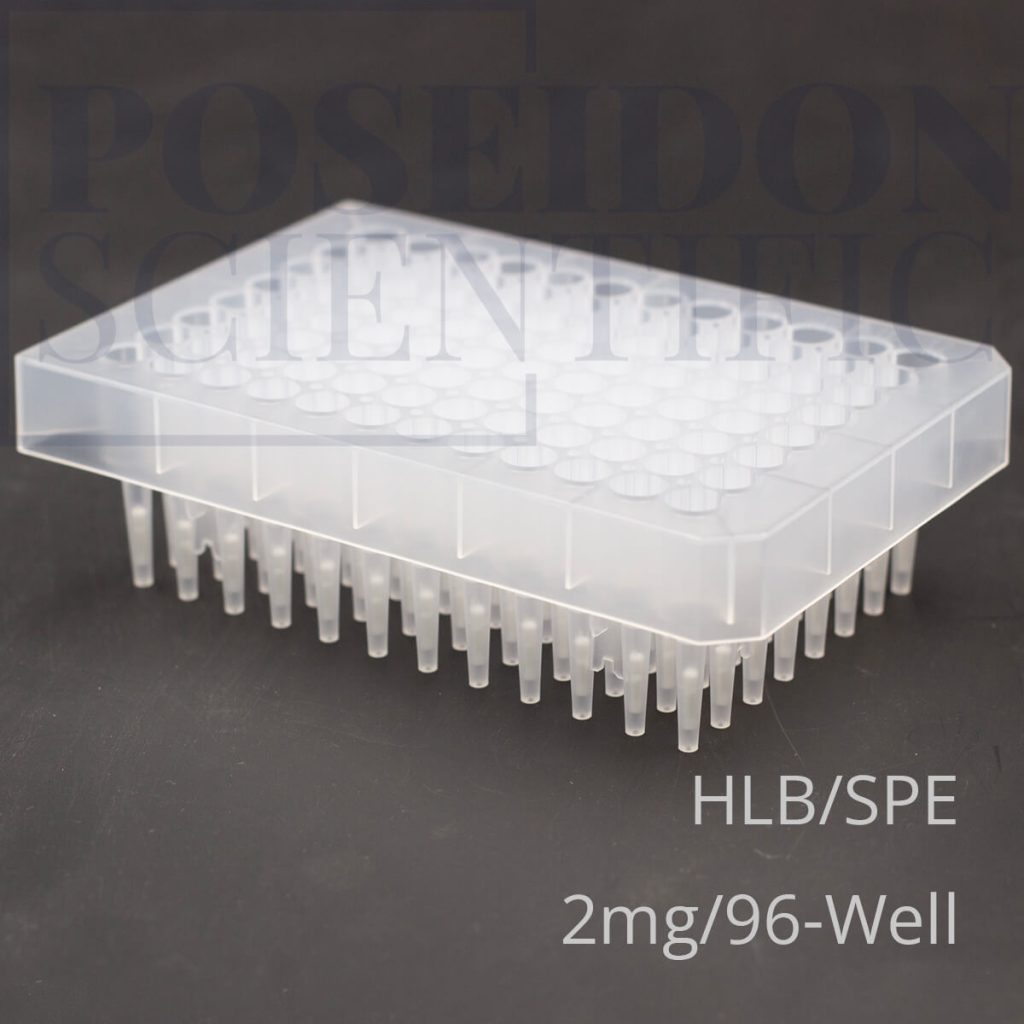
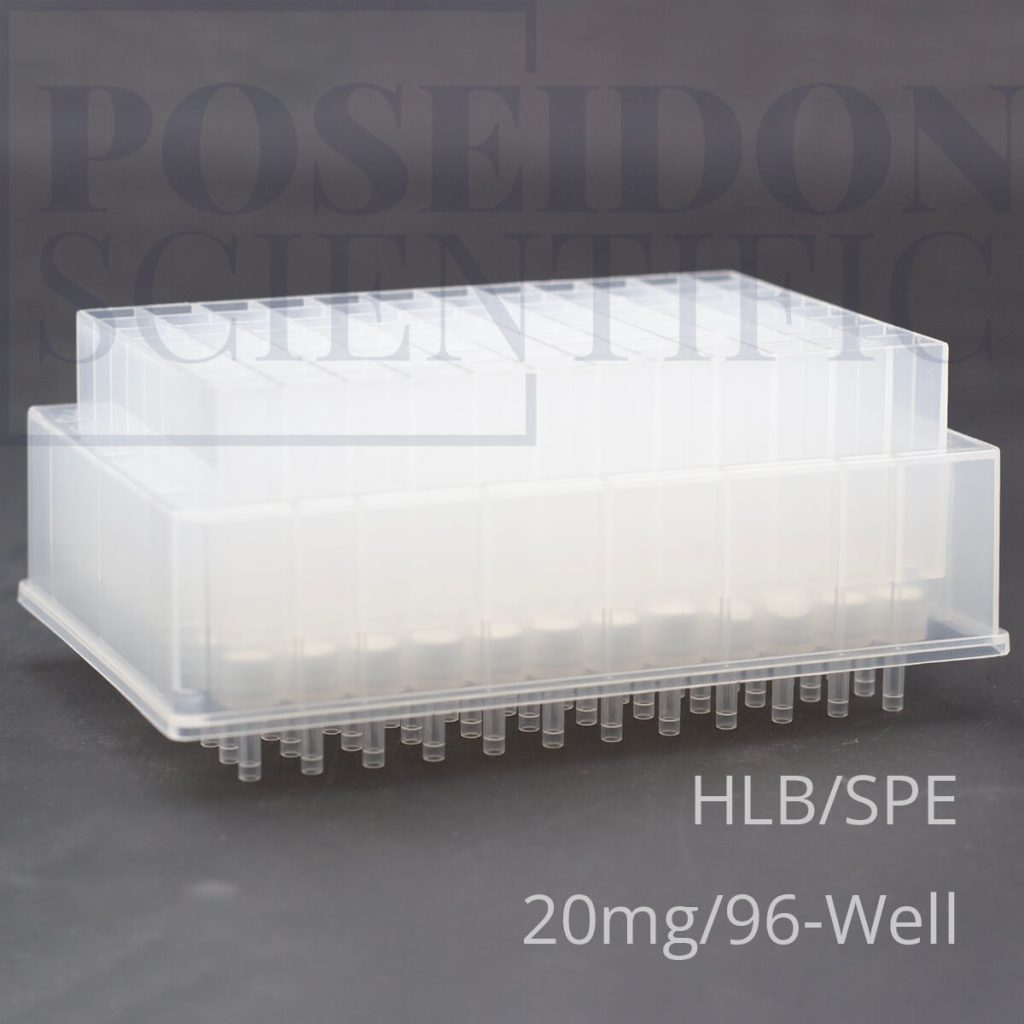


96-Well HLB/WCX/WAX/MAX/MCX SPE Plates
Chemical Description:
Water-wettable polystyrene-N vinylpyrrolidone-divinylbenzene incorporating non-ionized hydroxyl groups
Average particle size: 30 µm, 60 µm
Average pore size: 90 Å
Filler type: Wettable non-polar adsorbent, no secondary reactions
Applications:
HLB can be used to extract acidic, neutral and basic analytes from biological fluids and other aqueous matrices. Performance is not affected by packing drying out.