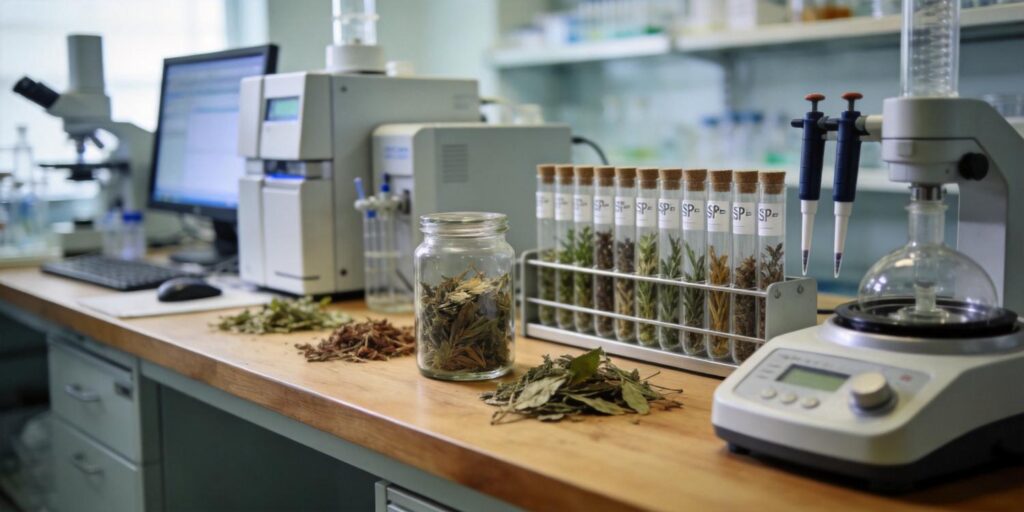
Pharmaceutical Analysis

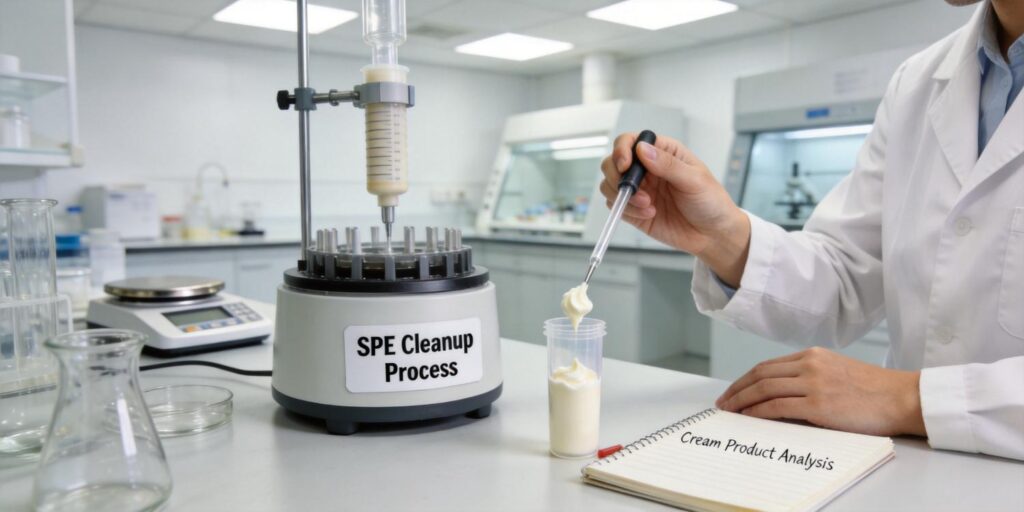
SPE cleanup workflow for cosmetic preservative analysis

Sample Cleanup of Cosmetic Preservatives Using SPE

Preservatives Commonly Analyzed in Cosmetics Cosmetic formulations require effective preservation systems to prevent microbial growth and ensure product stability during shelf life. Among the most widely used preservatives are parabens (methylparaben, ethylparaben, propylparaben, butylparaben) and phenoxyethanol. These compounds are frequently monitored in quality control laboratories due to regulatory restrictions, safety concerns, and the need to […]

Sample Cleanup of Cosmetic Preservatives Using SPE Read More »

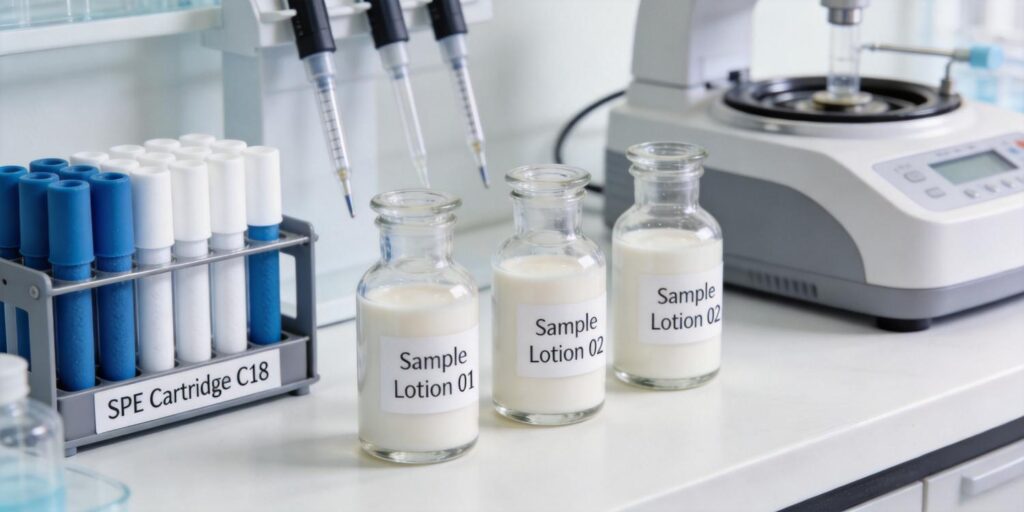
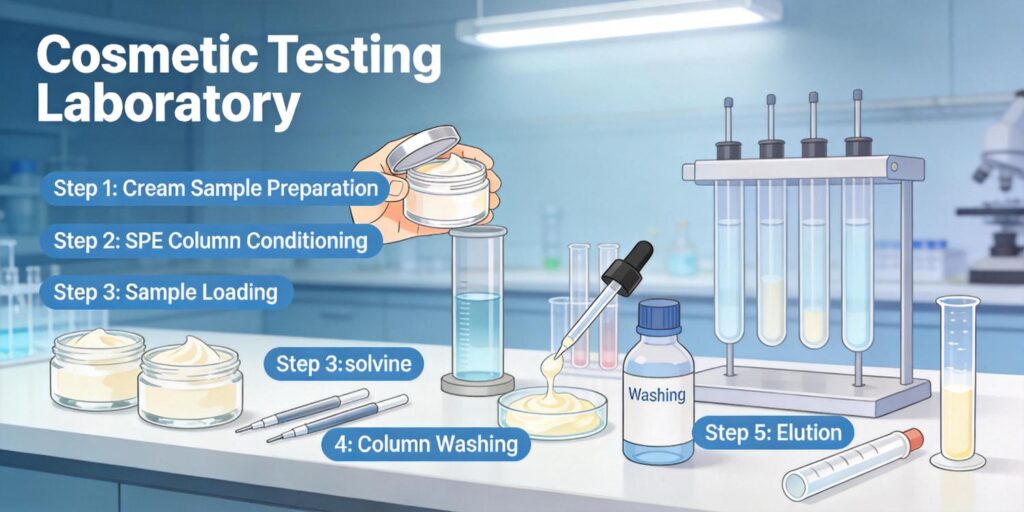
SPE sample preparation workflow for cosmetic chemical testing

SPE Preparation of Cosmetic Samples for Chemical Analysis

Chemical Analysis Needs in Cosmetics Quality Control Cosmetic products represent one of the most challenging matrices for analytical chemists due to their complex formulations containing oils, emulsifiers, preservatives, fragrances, and active ingredients. Quality control in the cosmetics industry requires precise chemical analysis to ensure product safety, efficacy, and regulatory compliance. According to research, cosmetic formulations

SPE Preparation of Cosmetic Samples for Chemical Analysis Read More »

SPE purification workflow for herbal medicine extracts

SPE Cleanup for Herbal Medicine Analysis

Complexity of Herbal Matrices: Pigments, Oils, and Interfering Components Herbal medicine analysis presents unique challenges due to the complex nature of plant matrices. Unlike synthetic pharmaceuticals, herbal preparations contain a diverse array of chemical constituents including pigments, oils, waxes, carbohydrates, and various secondary metabolites. Chlorophyll, carotenoids, and flavonoids contribute to the characteristic colors of herbal

SPE Cleanup for Herbal Medicine Analysis Read More »

SPE purification of cosmetic product extracts for preservative testing

SPE Methods for Detecting Cosmetic Preservatives in Personal Care Products

Role of Preservatives in Cosmetic Formulations Cosmetic preservatives serve as essential antimicrobial agents that prevent microbial growth and spoilage in personal care products. These chemical compounds extend product shelf life, maintain formulation stability, and ensure consumer safety by inhibiting bacteria, yeast, and mold proliferation. Common preservative classes include parabens (methylparaben, propylparaben), formaldehyde-releasing agents, isothiazolinones, phenoxyethanol,

SPE Methods for Detecting Cosmetic Preservatives in Personal Care Products Read More »

SPE purification of pharmaceutical samples for impurity analysis

SPE Methods for Detecting Pharmaceutical Impurities in Drug Products

The Critical Role of Impurity Profiling in Pharmaceutical Quality Control Pharmaceutical impurity profiling represents one of the most critical aspects of drug development and quality control. According to regulatory guidelines from ICH (International Council for Harmonisation), impurities in drug products must be identified, quantified, and controlled to ensure patient safety and product efficacy. The United

SPE Methods for Detecting Pharmaceutical Impurities in Drug Products Read More »

SPE purification workflow for herbal medicine extract analysis

SPE Cleanup for LC-MS Analysis of Herbal Medicine Extracts

Chemical Complexity of Herbal Medicine Extracts Herbal medicine extracts represent one of the most chemically complex matrices encountered in analytical chemistry. These natural products contain thousands of compounds spanning diverse chemical classes including alkaloids, flavonoids, terpenoids, phenolic acids, polysaccharides, pigments, and sterols. The sheer diversity of phytochemicals presents significant challenges for LC-MS analysis, where matrix

SPE Cleanup for LC-MS Analysis of Herbal Medicine Extracts Read More »

SPE extraction of flavonoids from plant extract samples

SPE Sample Preparation for Flavonoid Analysis in Plant Extracts

1. Importance of Flavonoids in Plant Chemistry Flavonoids represent one of the most significant classes of secondary metabolites in plants, with over 8,000 identified compounds that play crucial roles in plant physiology and human health. These polyphenolic compounds serve as natural antioxidants, UV protectants, and signaling molecules in plants, while offering numerous health benefits to

SPE Sample Preparation for Flavonoid Analysis in Plant Extracts Read More »

SPE extraction of alkaloids from plant material samples

SPE Sample Preparation for Alkaloid Analysis in Plant Materials

Overview of Plant Alkaloids Plant alkaloids represent a diverse class of naturally occurring organic compounds containing basic nitrogen atoms, many of which possess significant pharmacological activity. These secondary metabolites serve as chemical defense mechanisms for plants while providing valuable therapeutic agents for human medicine. Common examples include caffeine (from coffee and tea), morphine (from opium

SPE Sample Preparation for Alkaloid Analysis in Plant Materials Read More »

SPE purification of herbal supplement extracts for laboratory analysis

SPE Purification of Botanical Supplements Before LC-MS Testing

The Expanding Market for Botanical Supplements The global botanical supplement market has experienced exponential growth over the past decade, driven by increasing consumer demand for natural health products, preventive healthcare approaches, and growing awareness of traditional medicine systems. According to market research, the herbal supplement industry is projected to reach over $100 billion by 2027,

SPE Purification of Botanical Supplements Before LC-MS Testing Read More »

SPE purification workflow used for nitrosamine impurity testing

SPE Workflows for Detecting Nitrosamines in Pharmaceutical Products

Overview of Nitrosamine Contamination Concerns in Pharmaceuticals Nitrosamine contamination has emerged as one of the most significant quality control challenges facing the pharmaceutical industry in recent years. These potentially carcinogenic impurities, formed through reactions between secondary or tertiary amines with nitrosating agents, have been detected in various drug products including angiotensin II receptor blockers (ARBs),

SPE Workflows for Detecting Nitrosamines in Pharmaceutical Products Read More »

Shopping Cart
Poseidon Scientific
Privacy Overview

This website uses cookies so that we can provide you with the best user experience possible. Cookie information is stored in your browser and performs functions such as recognising you when you return to our website and helping our team to understand which sections of the website you find most interesting and useful.