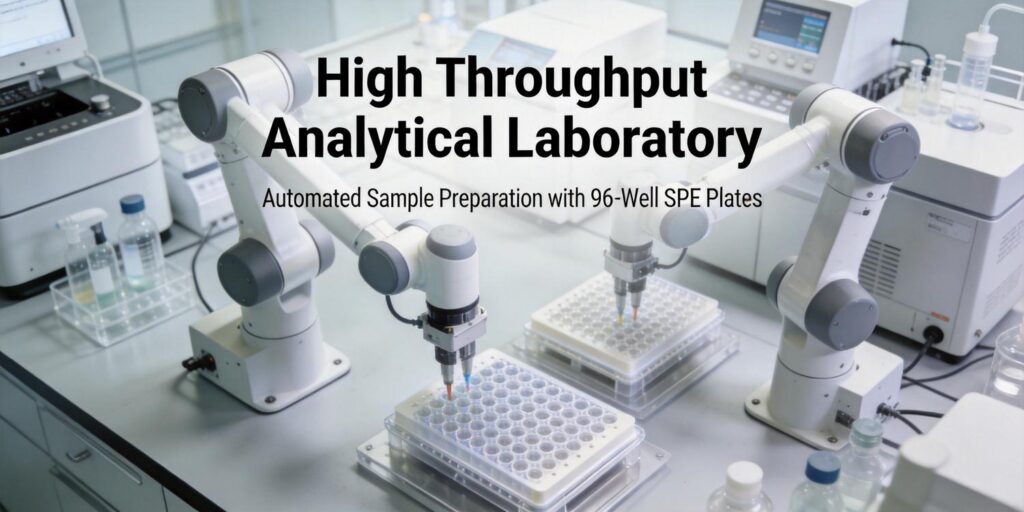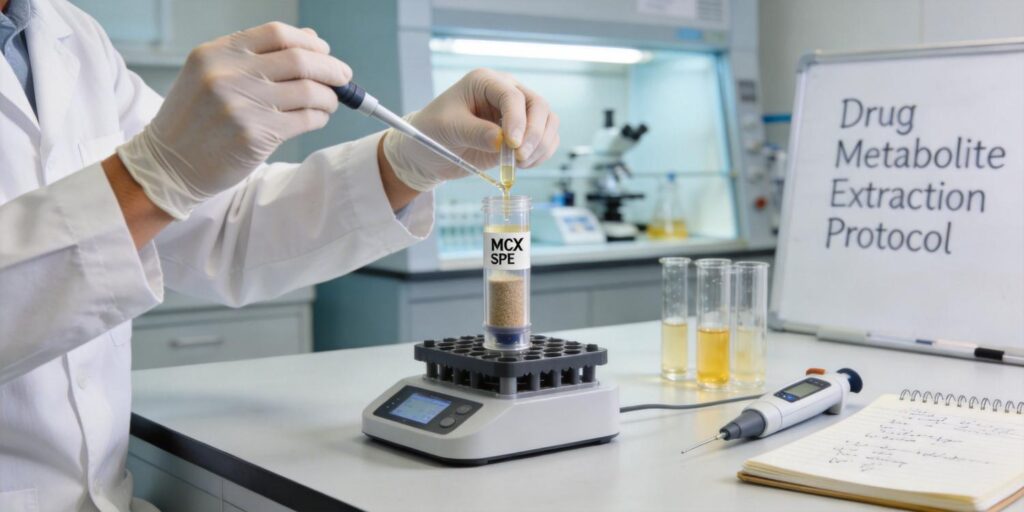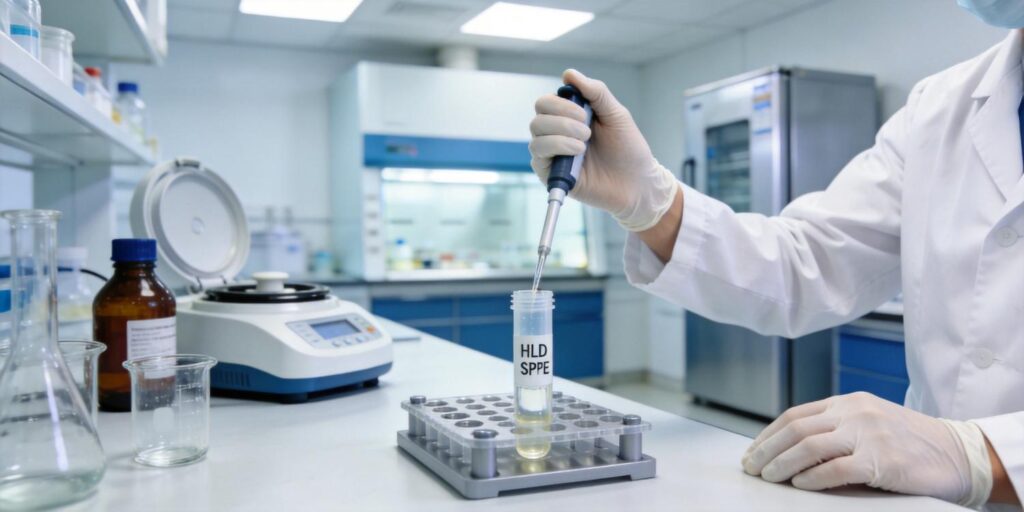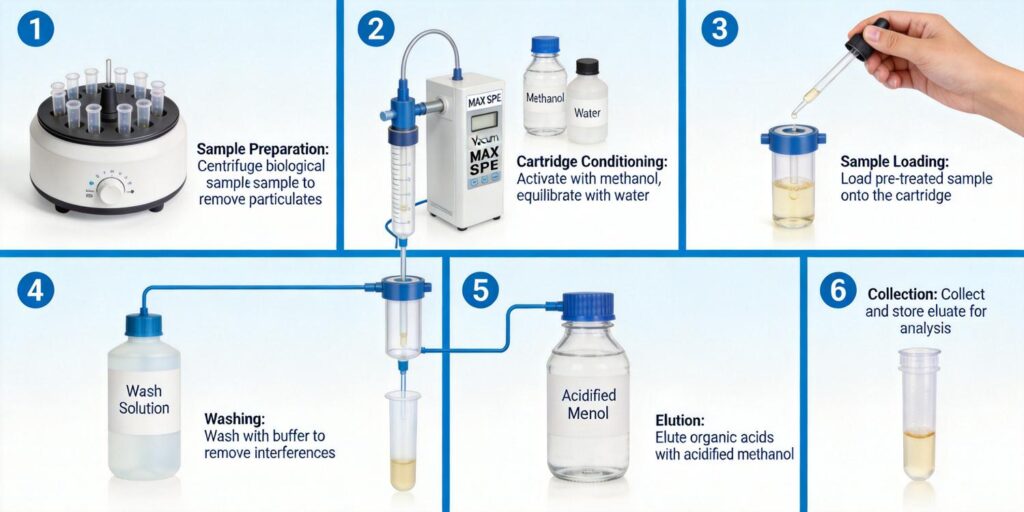
High-Throughput Extraction of Pharmaceutical Compounds Using 96-Well SPE Plates
High-Throughput Extraction of Pharmaceutical Compounds Using 96-Well SPE Plates Read More »
Chemical Structure of MCX Sorbent: Sulfonic Acid Functionality Mixed-mode cation exchange (MCX) cartridges represent a sophisticated approach to solid-phase extraction, combining both hydrophobic and ionic retention mechanisms. The sorbent consists of a silica-based substrate with bonded hydrophobic chains (typically C8 or C18) and sulfonic acid groups. These sulfonic acid moieties are strong acid functionalities (pKa
Optimizing SPE Elution Solvents for Basic Drug Extraction Using MCX Cartridges Read More »
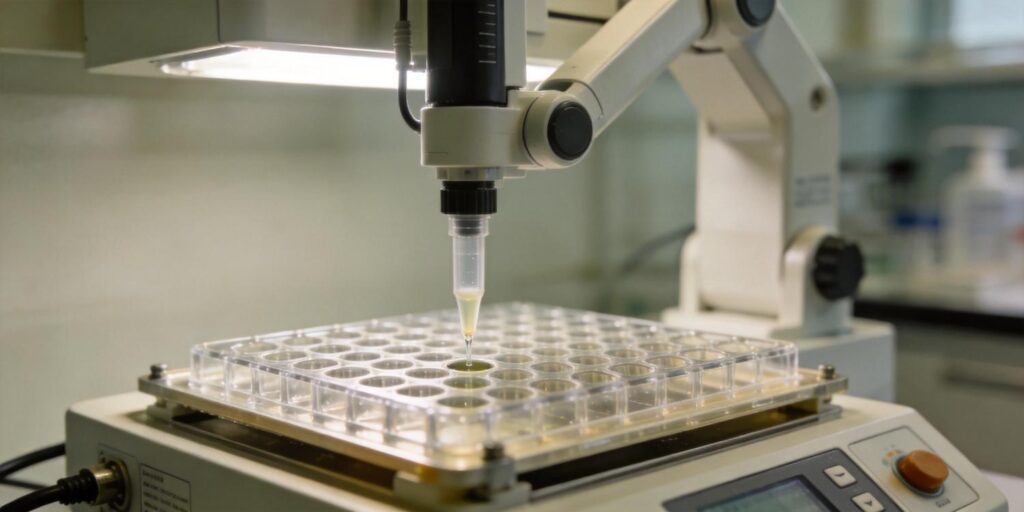
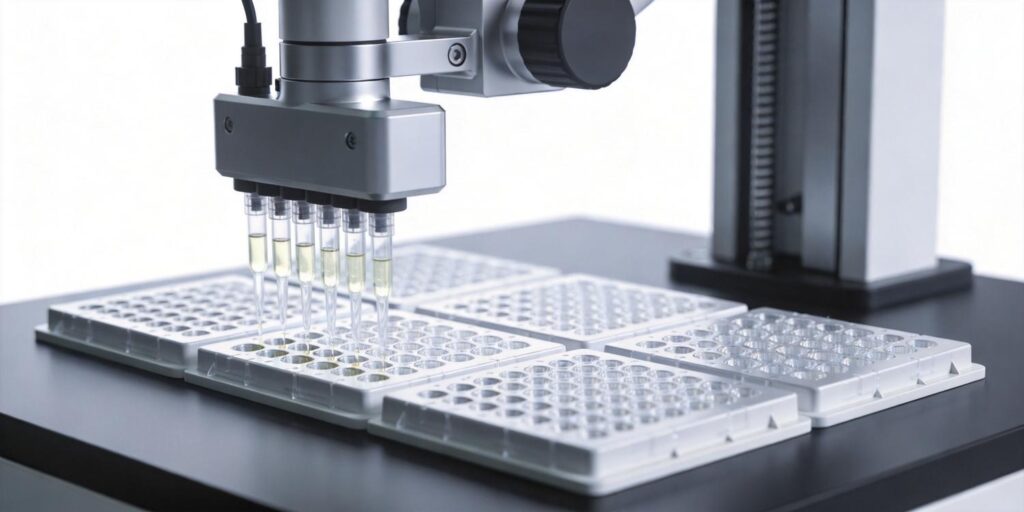
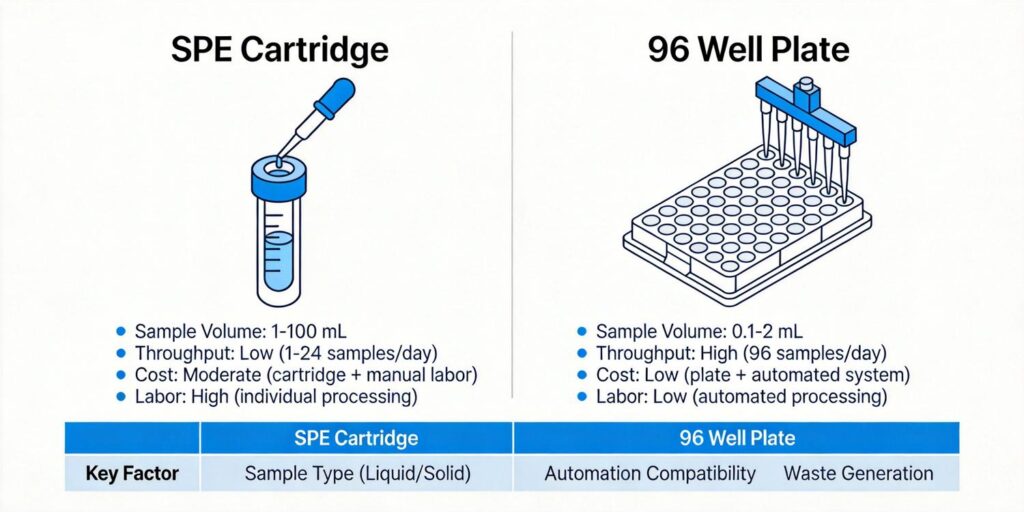
Advantages of High-Throughput SPE Solid-phase extraction (SPE) has evolved significantly from traditional cartridge formats to high-throughput 96-well plate systems, revolutionizing sample preparation workflows in pharmaceutical, clinical, and environmental laboratories. The transition to automated SPE platforms offers substantial advantages over manual methods, particularly when processing large sample volumes. High-throughput SPE systems provide improved precision, accuracy, and
Automating SPE Sample Preparation with 96-Well Plates Read More »
Characteristics of Aminoglycoside Antibiotics Aminoglycosides represent a class of broad-spectrum antibiotics with distinctive structural and chemical properties that present unique challenges for analytical extraction. These compounds, including gentamicin, tobramycin, streptomycin, and amikacin, share common features: multiple amino groups (typically 2-6), hydroxyl groups, and glycosidic linkages that contribute to their high polarity and water solubility. From
WCX SPE for Extracting Aminoglycoside Antibiotics Read More »
Common Forensic Drugs Analyzed with MCX SPE Mixed-mode cation exchange (MCX) solid phase extraction has become a gold standard in forensic toxicology laboratories for analyzing basic drugs and their metabolites. The most commonly targeted compounds include amphetamine and methamphetamine (phenylethylamine derivatives) and cocaine metabolites such as benzoylecgonine and norcocaine. These substances are potent central nervous
Major Plasma Interferences: Phospholipids, Proteins, and Salts Plasma presents one of the most challenging matrices for analytical chemists due to its complex composition. The three primary interference categories that significantly impact LC-MS analysis are phospholipids, proteins, and salts. Phospholipids are particularly problematic as they cause matrix effects, ion suppression, shorten column lifetime, increase MS maintenance
Removing Matrix Interference in Plasma Using MCX SPE Read More »
Why WCX Works Well for Peptides: Understanding pKa Behavior Weak Cation Exchange (WCX) solid-phase extraction represents a sophisticated mixed-mode approach that combines both ion-exchange and reversed-phase retention mechanisms. This dual functionality makes WCX particularly effective for peptide sample cleanup, especially when dealing with strong bases and quaternary amines. The key to understanding WCX’s effectiveness lies