HLB SPE Applications

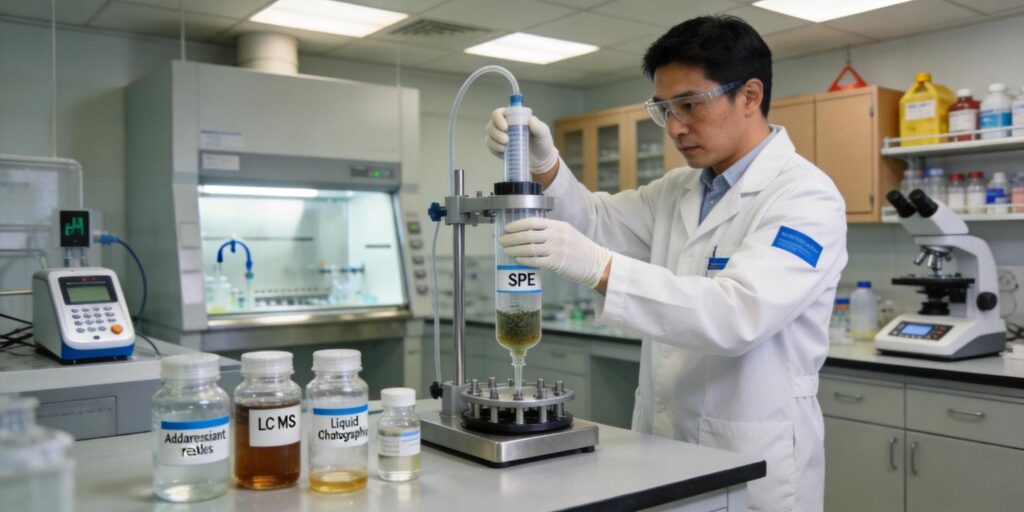
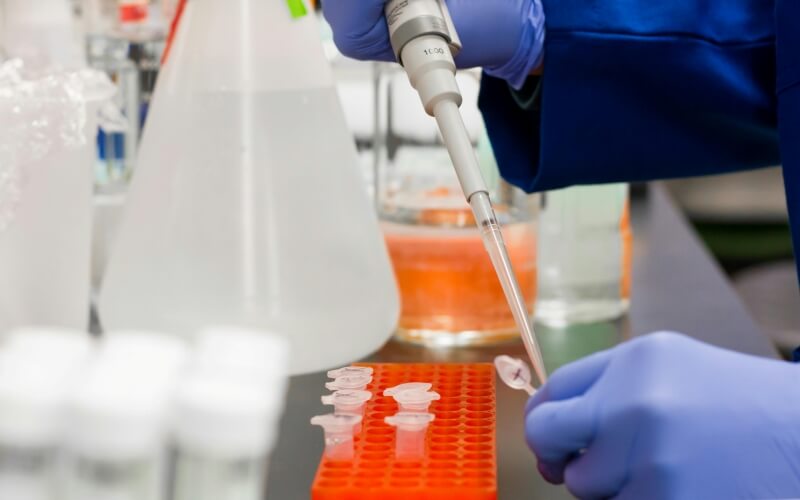
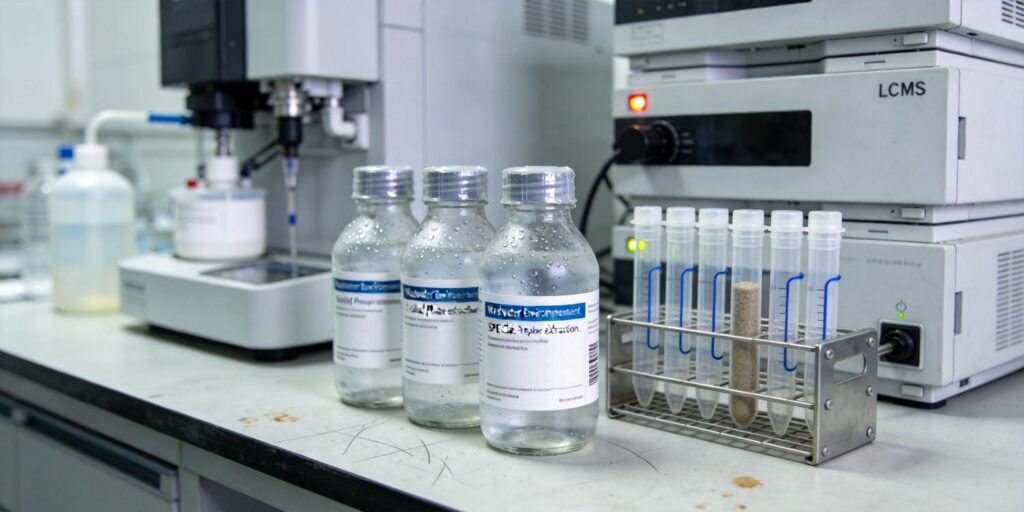
Laboratory workflow extracting artificial sweeteners from wastewater with HLB SPE

Using HLB SPE to Monitor Artificial Sweeteners in Wastewater

Environmental Occurrence of Artificial Sweeteners Artificial sweeteners, such as sucralose, acesulfame-K, and saccharin, are widely used as sugar substitutes in food, beverages, and pharmaceuticals. Due to their high water solubility, chemical stability, and resistance to biodegradation, these compounds pass largely unchanged through wastewater treatment plants and have been detected in surface waters, groundwater, and even […]

Using HLB SPE to Monitor Artificial Sweeteners in Wastewater Read More »
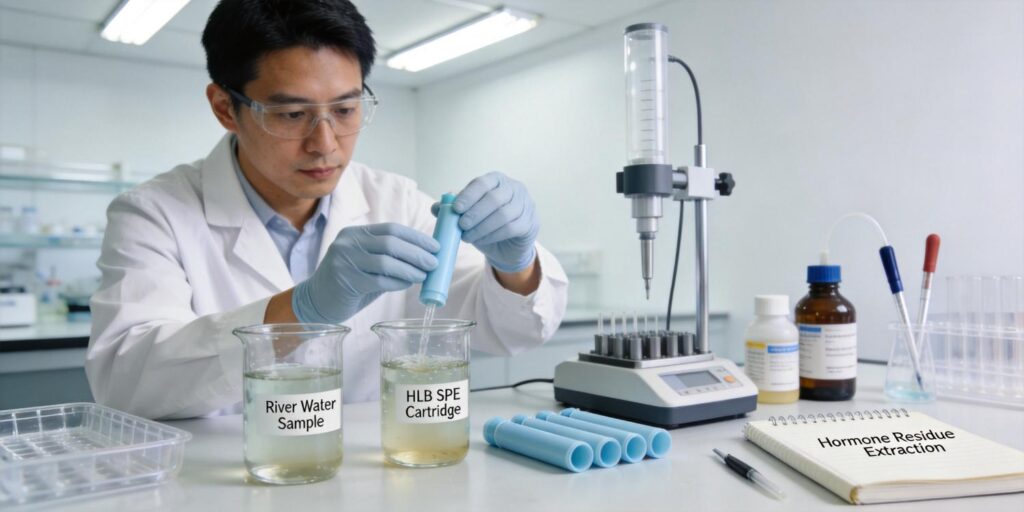
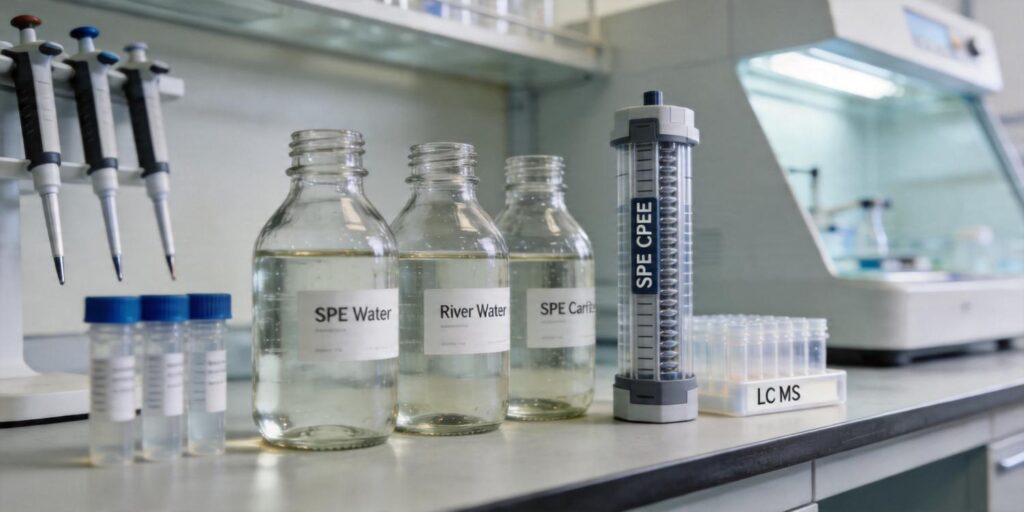
HLB SPE extraction of hormone residues from surface water

Monitoring Hormone Residues in Surface Water with HLB SPE

Sources of Estrogenic Compounds in Water Systems Endocrine-disrupting compounds (EDCs), particularly steroid hormones such as 17β-estradiol (E2), estrone (E1), and 17α-ethinylestradiol (EE2), enter surface waters through multiple pathways. Municipal wastewater treatment plant effluents are primary contributors, as conventional biological treatment fails to completely remove these micropollutants. Agricultural runoff from livestock operations adds natural hormones, while

Monitoring Hormone Residues in Surface Water with HLB SPE Read More »

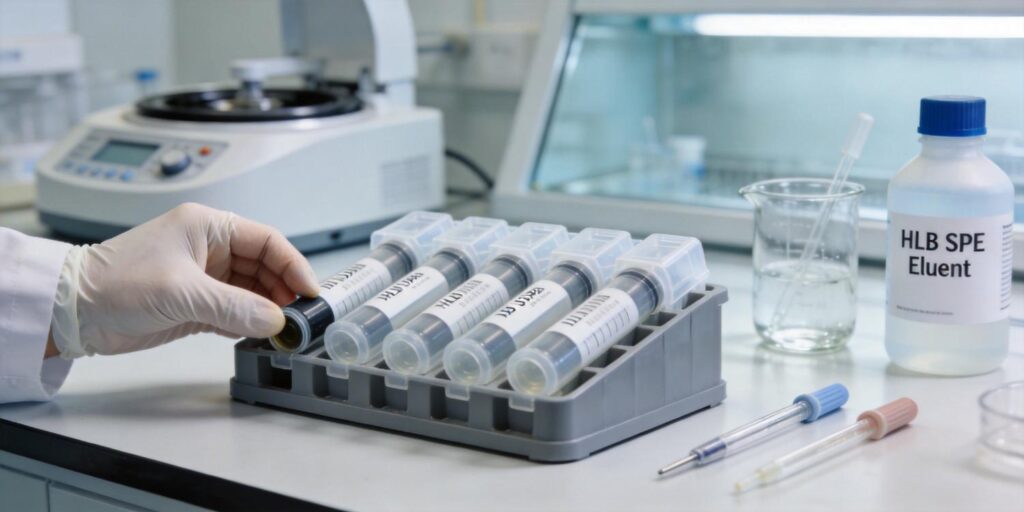
HLB SPE cartridge extraction of antidepressant residues from wastewater samples

Quantifying Antidepressants in Wastewater Using HLB SPE

Introduction The widespread use of antidepressants—particularly selective serotonin reuptake inhibitors (SSRIs) and serotonin-norepinephrine reuptake inhibitors (SNRIs)—has led to their ubiquitous detection in municipal wastewater. These compounds, often only partially metabolized in the human body, are excreted as parent drugs and active metabolites, entering wastewater treatment plants (WWTPs) through domestic sewage. Despite treatment processes, many antidepressants

Quantifying Antidepressants in Wastewater Using HLB SPE Read More »

SPE extraction of cosmetic contaminants from surface water

SPE Extraction of Personal Care Products in Surface Water

Environmental Occurrence of Cosmetic Ingredients and Preservatives Pharmaceuticals and personal care products (PPCPs) represent a diverse class of emerging contaminants in aquatic environments. These compounds enter surface waters through multiple pathways including wastewater treatment plant effluents, agricultural runoff, and direct disposal. Cosmetic ingredients such as UV filters (benzophenones, octocrylene), preservatives (parabens, triclosan), fragrances (musk compounds),

SPE Extraction of Personal Care Products in Surface Water Read More »

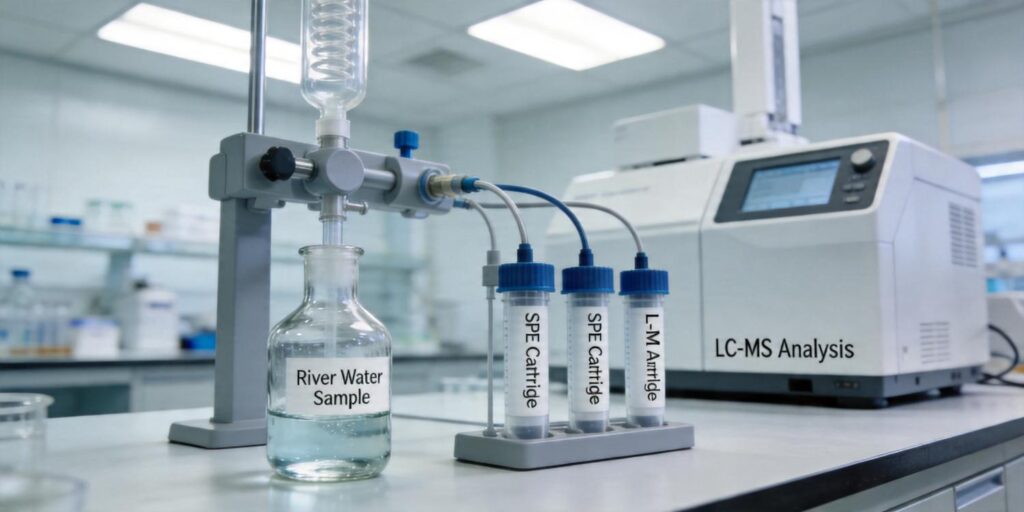
HLB SPE workflow extracting antibiotics from river water samples

Extraction of Antibiotics from River Water Using HLB SPE

Occurrence of Antibiotic Residues in Surface Water Antibiotic residues in river water represent a significant environmental concern with far-reaching implications for ecosystem health and human safety. These pharmaceutical compounds enter aquatic systems through various pathways including wastewater treatment plant effluents, agricultural runoff, and improper disposal of unused medications. The persistence of antibiotics in surface water

Extraction of Antibiotics from River Water Using HLB SPE Read More »

pharmaceutical scientist using HLB SPE cartridge

HLB SPE Applications in Pharmaceutical Testing

Understanding Pharmaceutical Impurities in Modern Drug Testing In pharmaceutical testing, impurities represent a critical concern that directly impacts drug safety, efficacy, and regulatory compliance. These unwanted substances can originate from various sources including raw materials, manufacturing processes, degradation products, or environmental contaminants. Pharmaceutical impurities are broadly categorized into organic impurities (related substances, degradation products), inorganic

HLB SPE Applications in Pharmaceutical Testing Read More »

Feature image of a blog post in Poseidon Scientific

Determination of L-carnitine in the foods for export HPLC method and HPLC-MS/MS method

1. Scope This standard specifies the determination of L-carnitine in the foods for export by HPLC and HPLC-MS/MS. This standard applies to the L-carnitine detection in milk powder, beverages, and other foods. Note: lf the D-carnitine is present in the sample, the result of HPLC-MS/MS method is the sum of L-carnitine and D-carnitine. 2. Normative

Determination of L-carnitine in the foods for export HPLC method and HPLC-MS/MS method Read More »

Feature Image of Determination of semicarbazide in flour and its products LCMS method

Determination of semicarbazide in flour and its products LC-MS/MS method

1. Scope This standard specifies the method of determination of semicarbazide in flour and its products for export by LC-MS/MS methodThis standard applies to the determination of semicarbazide in wheat flour, fry powder, fine-dried noodles, bread crumbs, noodles, steamed bread, Fried flour, egg yolk pie, biscuits, instant noodles, bread, wheat flour, and its products for

Determination of semicarbazide in flour and its products LC-MS/MS method Read More »

Shopping Cart
Poseidon Scientific
Privacy Overview

This website uses cookies so that we can provide you with the best user experience possible. Cookie information is stored in your browser and performs functions such as recognising you when you return to our website and helping our team to understand which sections of the website you find most interesting and useful.