Understanding Pharmaceutical Impurities in Modern Drug Testing
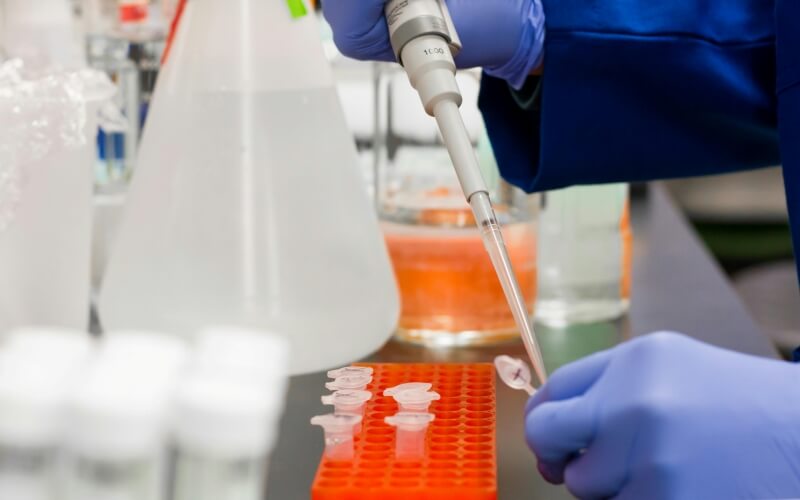
In pharmaceutical testing, impurities represent a critical concern that directly impacts drug safety, efficacy, and regulatory compliance. These unwanted substances can originate from various sources including raw materials, manufacturing processes, degradation products, or environmental contaminants. Pharmaceutical impurities are broadly categorized into organic impurities (related substances, degradation products), inorganic impurities (heavy metals, reagents), and residual solvents.
The presence of impurities, even at trace levels, can significantly affect drug stability, bioavailability, and patient safety. Regulatory agencies worldwide, including the FDA and EMA, have established stringent guidelines requiring comprehensive impurity profiling and quantification. This necessitates sophisticated sample preparation techniques that can effectively isolate target analytes while removing interfering substances.
Why HLB Sorbents Excel in Pharmaceutical Applications
Hydrophilic-Lipophilic Balanced (HLB) sorbents have revolutionized pharmaceutical sample preparation due to their unique copolymer structure that combines both hydrophilic and lipophilic retention mechanisms. Unlike traditional silica-based sorbents, HLB materials are water-wettable and stable across the entire pH range (0-14), making them exceptionally versatile for pharmaceutical applications.
The key advantages of HLB sorbents in pharmaceutical testing include:
- Broad-spectrum retention: HLB sorbents effectively retain acidic, basic, and neutral compounds simultaneously, making them ideal for multi-residue analysis and impurity profiling.
- High capacity for polar compounds: Traditional reversed-phase sorbents often struggle with polar analytes, but HLB’s balanced chemistry provides excellent retention for both polar and non-polar substances.
- Elimination of conditioning steps: The water-wettable nature of HLB sorbents allows direct loading of aqueous samples without the conditioning and equilibration steps required by other polymeric and silica-based sorbents.
- Reduced matrix effects: HLB sorbents effectively remove common matrix interferences such as salts, proteins, and phospholipids, which is crucial for accurate LC-MS analysis.
According to Waters documentation, Oasis HLB sorbents “remove 95% of common matrix interferences such as salts, proteins, and phospholipids” while providing “high capacity for a wide range of compounds.” This makes them particularly valuable in pharmaceutical testing where complex matrices must be simplified for accurate analysis.
Optimized Extraction Workflow for Pharmaceutical Samples
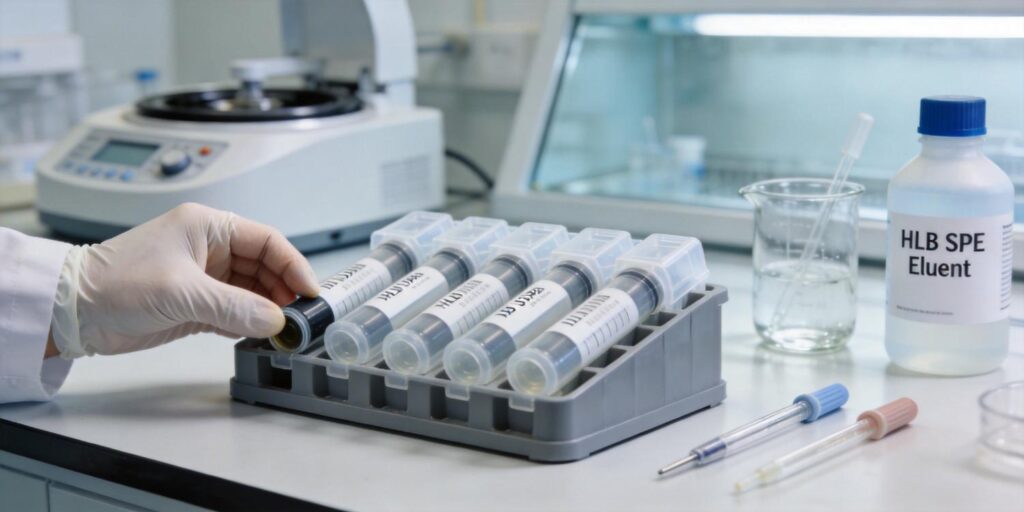
A well-designed HLB SPE workflow for pharmaceutical testing typically follows a structured approach that can be adapted based on specific analytical requirements. The fundamental steps include:
1. Sample Preparation and Pretreatment
Pharmaceutical samples often require specific pretreatment depending on their nature. Solid dosage forms may need dissolution in appropriate solvents, while biological samples (plasma, urine) typically require protein precipitation or dilution. For complex matrices, researchers have found that “the amounts of water in the sample application step and in the wash step should be kept as small as possible” to prevent washing away polar compounds.
2. SPE Protocol Selection
HLB sorbents offer flexibility in protocol design. The two primary approaches are:
- 3-step cleanup (Catch and Release): This traditional approach involves sample loading, washing with mild solvent (typically 5% methanol), and elution with stronger solvent (90/10 acetonitrile/methanol). This method is ideal when sample concentration/enrichment is required.
- 2-step cleanup (Pass-through): When beginning with high organic samples where concentration and/or salt removal isn’t necessary, this simplified approach allows analytes to pass through unretained while removing matrix interferences.
Research indicates that “using appropriate dilution with a phosphate buffer and initial retention on the C8 phase eliminated interference by the syrup” in complex pharmaceutical formulations, demonstrating the importance of tailored approaches.
3. Method Optimization Considerations
Successful HLB SPE method development for pharmaceutical applications requires careful consideration of several factors:
- pH optimization: The starting pH significantly affects recovery, especially for ionizable compounds. Studies show that changing the starting pH to 2.2 “results in less ionization of the acidic drugs and hence, better retention on the cartridge.”
- Solvent selection: The choice of loading, washing, and elution solvents must balance analyte retention and interference removal. Research on fat-soluble vitamins demonstrated that “all vitamins can be held on the cartridge under 45%, 55%, and 65% ethanol solvent.”
- Flow rate control: Maintaining consistent flow rates (typically 1-3 drops/second) ensures reproducible recoveries and prevents breakthrough of analytes.
LC-MS Integration and Method Validation
The integration of HLB SPE with LC-MS represents a powerful combination for pharmaceutical impurity testing. The clean extracts produced by HLB sorbents significantly reduce matrix effects that can cause ion suppression or enhancement in mass spectrometry.
Key Integration Benefits:
- Reduced matrix effects: HLB sorbents remove phospholipids, proteins, and salts that commonly interfere with MS ionization, leading to more accurate quantification.
- Improved sensitivity: By concentrating analytes and removing interferences, HLB SPE enhances detection limits, which is crucial for trace impurity analysis.
- Extended column lifetime: Cleaner samples reduce column fouling and maintenance requirements, increasing instrument uptime.
- Enhanced reproducibility: Consistent sample preparation leads to more reliable analytical results with reduced variability.
Studies have demonstrated that “fewer phospholipids remain in the final sample eluate with the Oasis PRiME HLB Sorbent and 3-step protocol, compared to the final eluates using traditional 5-step protocol on competitors’ sorbents or protein precipitation.” This cleaner eluate directly translates to improved LC-MS performance.
Method Validation Considerations:
When validating HLB SPE methods for pharmaceutical testing, several parameters require careful evaluation:
- Recovery studies: Assess extraction efficiency across the expected concentration range, including low-level impurities.
- Selectivity assessment: Verify that the method effectively separates target analytes from potential interferences.
- Robustness testing: Evaluate method performance under varying conditions (pH, flow rates, solvent compositions).
- Carryover evaluation</strong: Ensure no cross-contamination between samples, particularly important for high-throughput applications.
Research on pharmaceutical cream analysis demonstrated that “the SPE strategy generally comprises the isolation (and concentration) of the analytes from a complex matrix by adsorption onto an appropriate sorbent, the removal of interfering impurities by washing with a suitable solvent system and then the selective recovery of the retained analytes.” This fundamental principle remains valid for modern pharmaceutical testing applications.
Practical Applications and Case Studies
HLB sorbents have proven effective across diverse pharmaceutical testing scenarios:
- Impurity profiling: Multi-residue analysis of degradation products and related substances in active pharmaceutical ingredients.
- Bioanalytical applications: Extraction of drugs and metabolites from biological matrices for pharmacokinetic studies.
- Formulation analysis: Cleanup of complex dosage forms including creams, ointments, and suspensions.
- Stability testing: Monitoring degradation products under various storage conditions.
- Residual solvent analysis: Isolation and concentration of volatile impurities for GC-MS analysis.
For example, in the analysis of fat-soluble vitamins in feed samples, researchers found that “the optimal cleanup steps” using Oasis HLB cartridges involved “conditioning with 1 mL MeOH + 1 mL water, loading 1 mL of 65% ethanol-water extraction solution, washing with 1 mL of 5% MeOH, and eluting with 1 mL ethanol.” This systematic approach yielded recoveries ranging from 87.6% to 129.6% across different vitamins.
Future Trends and Considerations
The evolution of HLB SPE technology continues to address emerging challenges in pharmaceutical testing. Recent developments include:
- Miniaturization: Smaller bed mass cartridges and 96-well plates for high-throughput applications with limited sample volumes.
- Automation integration: Compatibility with robotic systems for increased productivity and reproducibility.
- Specialized formats: Development of sorbents optimized for specific compound classes or matrix types.
- Green chemistry approaches: Reduced solvent consumption and waste generation through optimized protocols.
As pharmaceutical testing requirements become increasingly stringent, HLB sorbents will continue to play a vital role in ensuring accurate, reliable impurity analysis. Their versatility, combined with proper method development and validation, makes them an indispensable tool in the modern pharmaceutical laboratory.
For more information about our HLB SPE products and their applications in pharmaceutical testing, visit our HLB SPE Cartridges page or explore our complete range of 96-well SPE plates for high-throughput applications.
Related products:



HLB SPE Cartridges
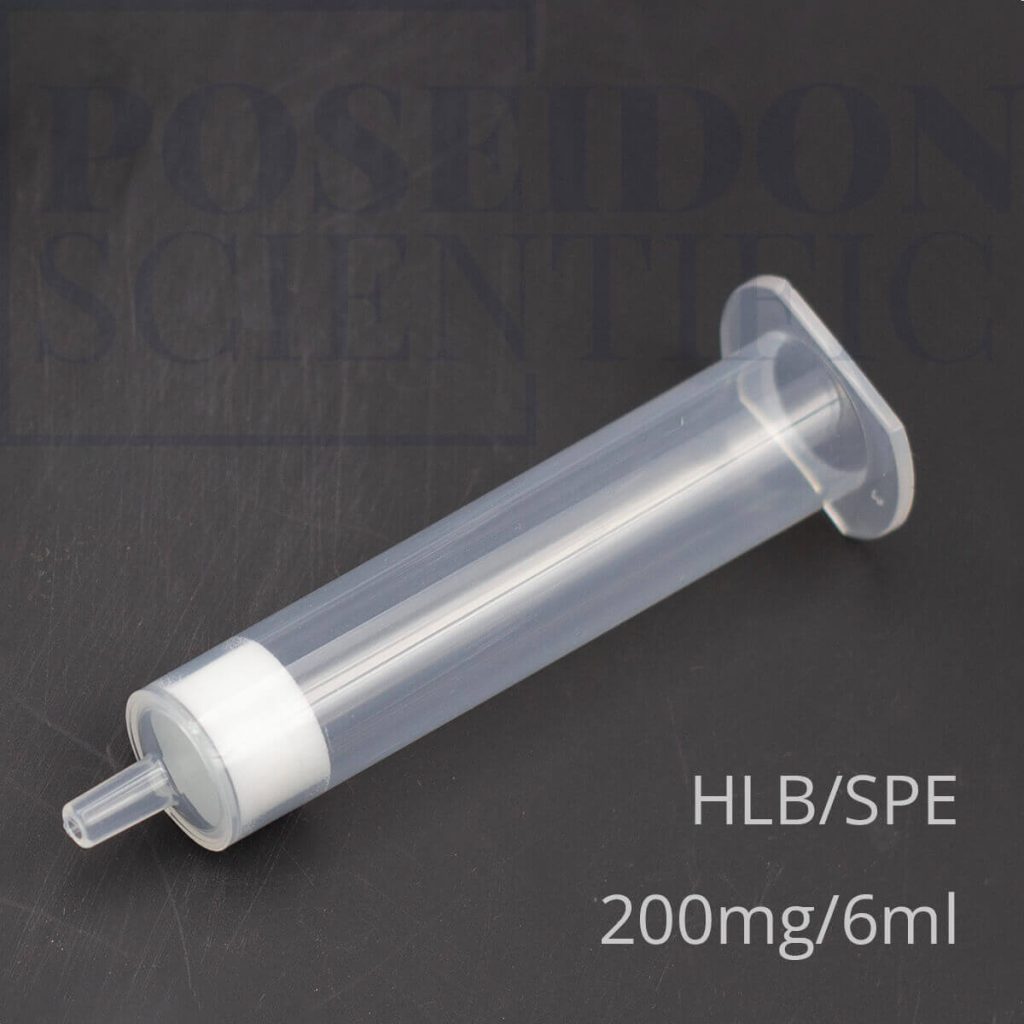
100% Water-Wettable: Polymeric divinylbenzene-N-vinylpyrrolidone copolymer — zero loss of recovery even if the sorbent bed runs dry.
Universal Retention: Extracts acidic, neutral, and basic compounds simultaneously from complex aqueous matrices.
Seamless Method Transfer: Equivalent particle size (30 µm / 60 µm) and surface chemistry to Waters Oasis® HLB — no SOP re-validation needed.
40%–60% Cost Reduction: Premium lab quality at direct-from-manufacturer pricing.


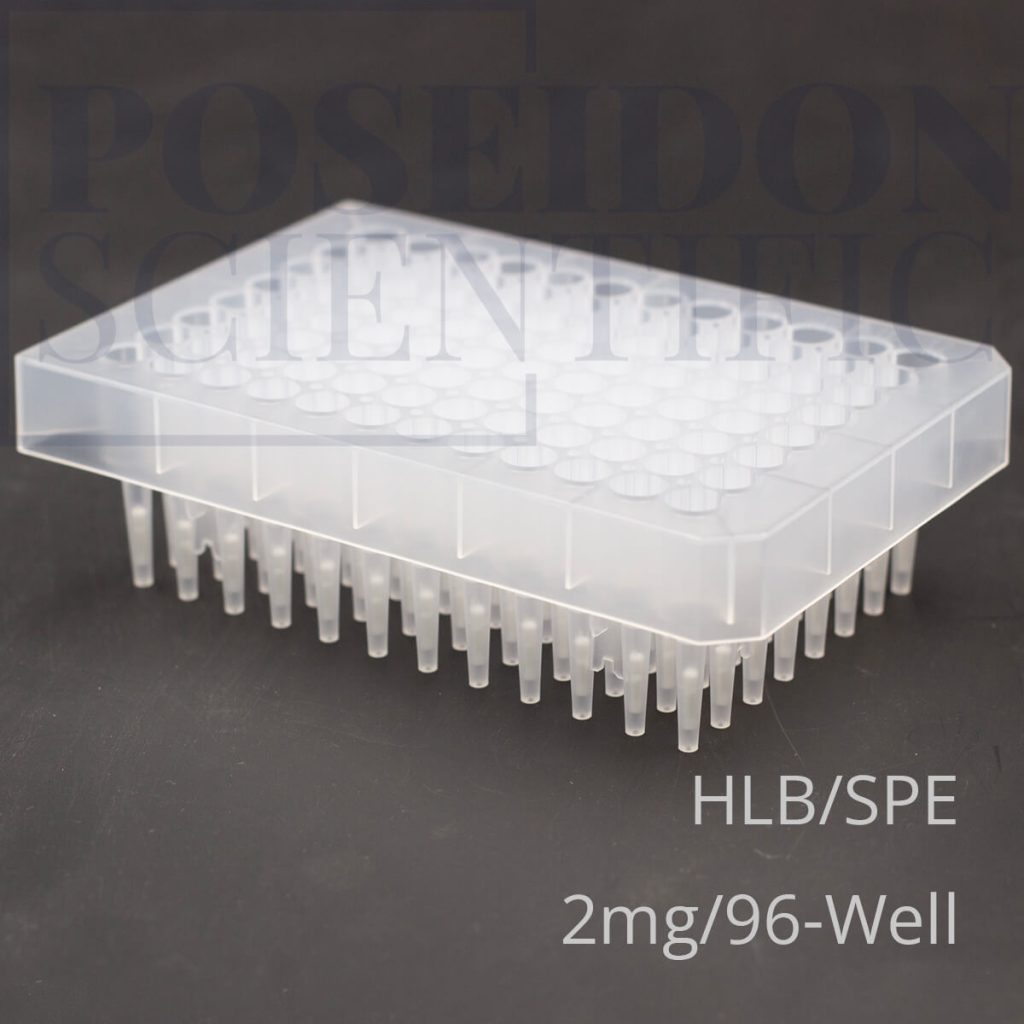
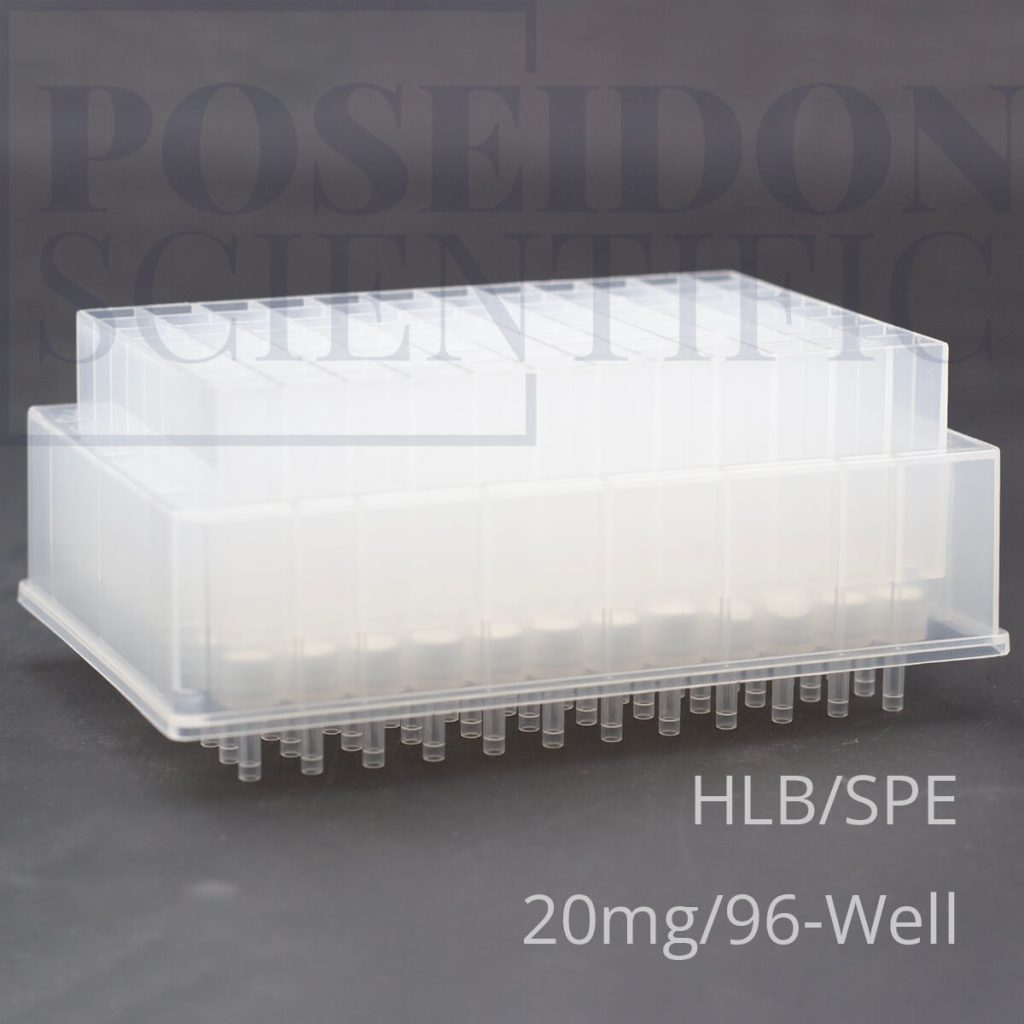


96-Well HLB/WCX/WAX/MAX/MCX SPE Plates
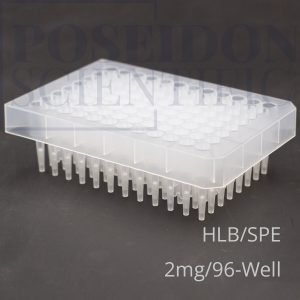
Chemical Description:
Water-wettable polystyrene-N vinylpyrrolidone-divinylbenzene incorporating non-ionized hydroxyl groups
Average particle size: 30 µm, 60 µm
Average pore size: 90 Å
Filler type: Wettable non-polar adsorbent, no secondary reactions
Applications:
HLB can be used to extract acidic, neutral and basic analytes from biological fluids and other aqueous matrices. Performance is not affected by packing drying out.