Clinical / Bioanalysis

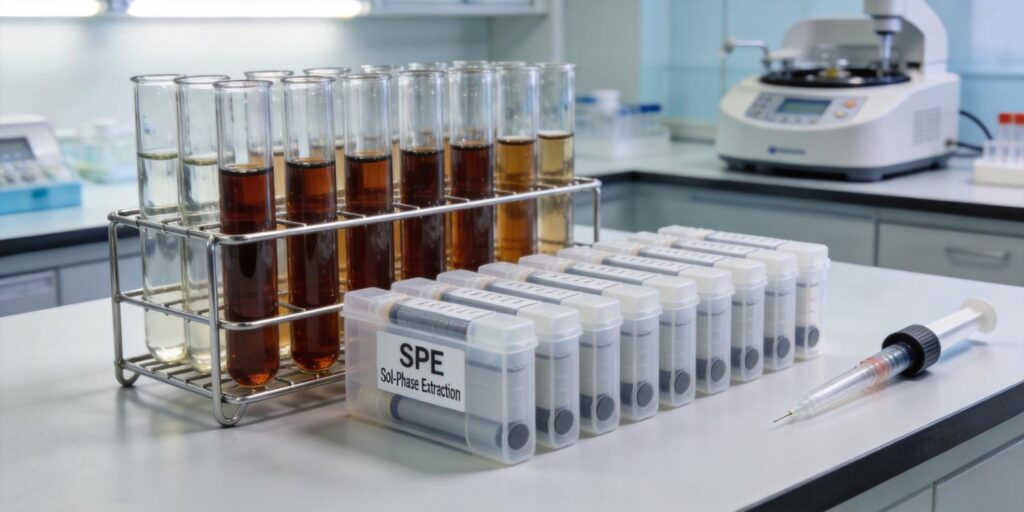
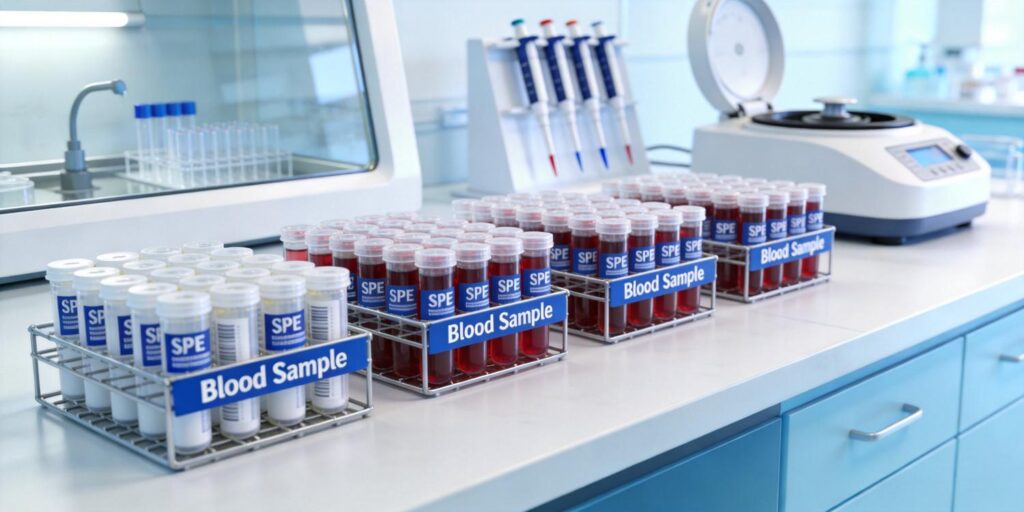
SPE cartridge extracting drugs from blood samples in toxicology testing

Preparing Blood Samples for LC-MS Toxicology Screening Using SPE

Why Blood Analysis Matters in Toxicology Investigations In forensic and clinical toxicology, blood is the gold standard matrix for assessing acute intoxication, therapeutic drug monitoring, and postmortem investigations. The concentration of drugs and their metabolites in whole blood or plasma directly correlates with pharmacological effects, making accurate quantification essential for legal and medical decisions. Solid-phase […]

Preparing Blood Samples for LC-MS Toxicology Screening Using SPE Read More »
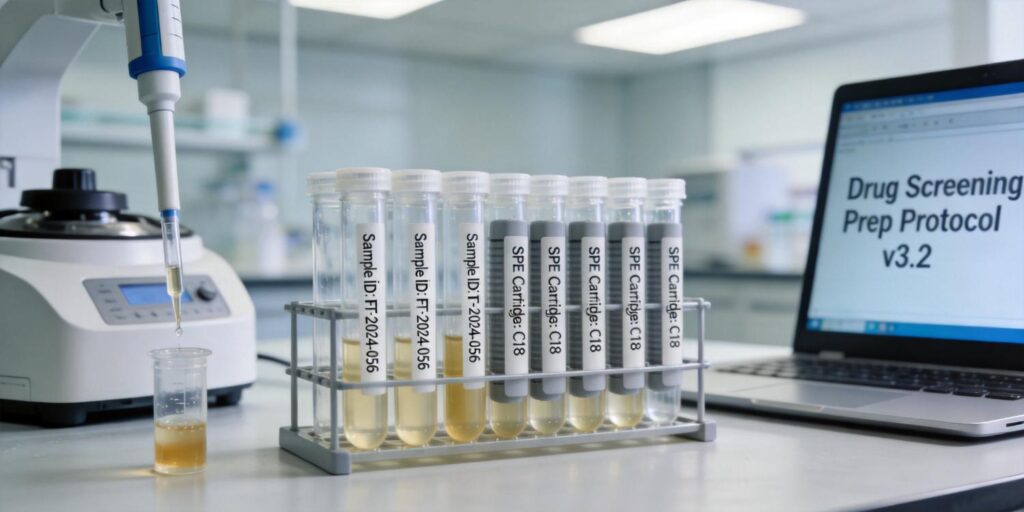
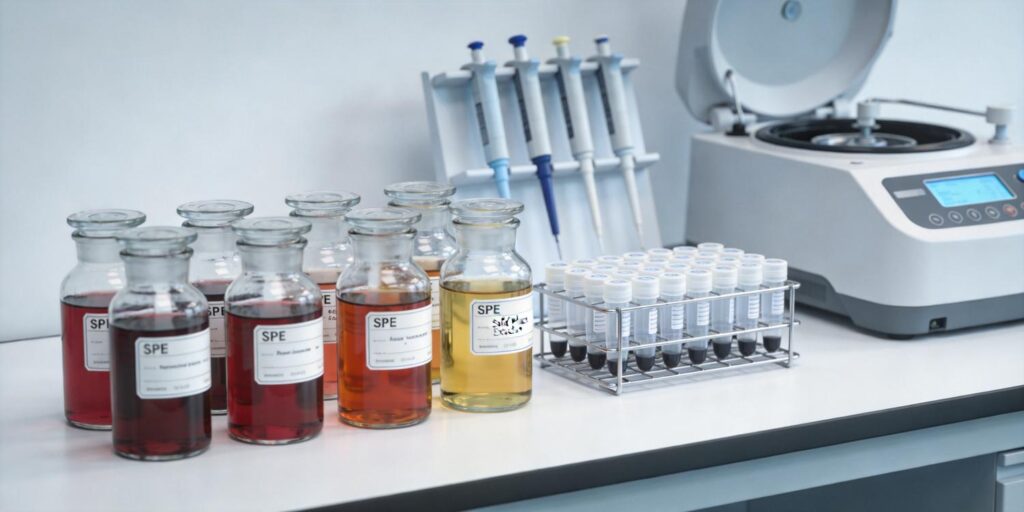
SPE cartridge used to prepare urine samples for forensic drug analysis

SPE Preparation of Urine Samples for Drug Abuse Screening

SPE Preparation of Urine Samples for Drug Abuse Screening 1. Common Drugs of Abuse Detected in Urine Screening Urine drug screening is a cornerstone of toxicology laboratories, clinical diagnostics, and workplace testing programs. The most frequently targeted analytes include amphetamines, opiates (morphine, codeine, 6-acetylmorphine), cocaine metabolites (benzoylecgonine), cannabinoids (THC-COOH), benzodiazepines (oxazepam, lorazepam), and synthetic cathinones.

SPE Preparation of Urine Samples for Drug Abuse Screening Read More »

SPE cartridge used for therapeutic drug monitoring sample preparation

SPE Sample Cleanup for Clinical Therapeutic Drug Monitoring

The Growing Demand for Therapeutic Drug Monitoring in Clinical Settings Therapeutic drug monitoring (TDM) has become an essential practice in modern hospitals, enabling clinicians to personalize drug dosages for improved efficacy and reduced toxicity. Drugs with narrow therapeutic windows—such as immunosuppressants (tacrolimus, cyclosporine), anticonvulsants (valproic acid, phenytoin), antibiotics (vancomycin, gentamicin), and antiretrovirals—require precise blood concentration

SPE Sample Cleanup for Clinical Therapeutic Drug Monitoring Read More »

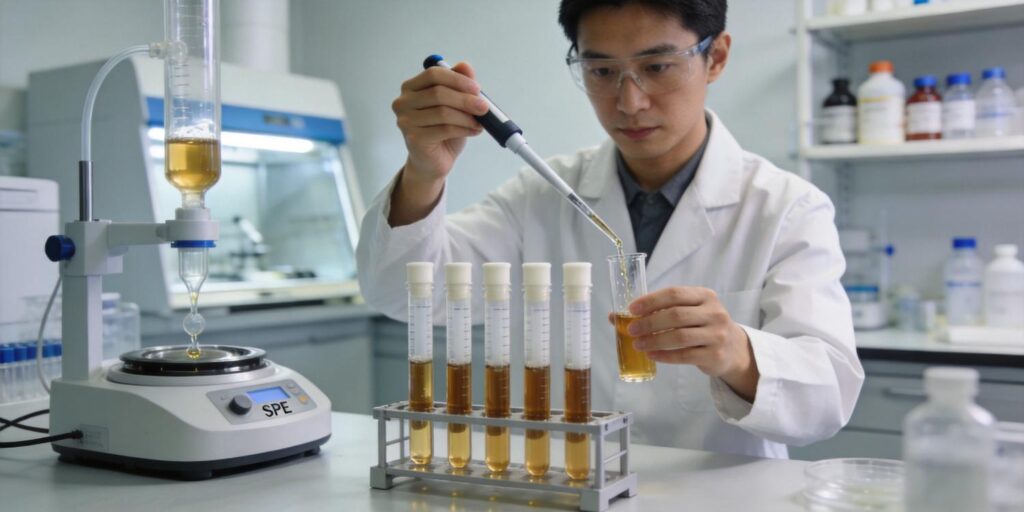
SPE cartridge used for drug extraction in forensic toxicology analysis

SPE Sample Preparation for Forensic Toxicology Analysis

The Indispensable Role of SPE in Modern Forensic Toxicology Solid-phase extraction (SPE) has become a cornerstone technique in forensic toxicology laboratories worldwide. Its ability to selectively isolate target analytes from complex biological matrices—while removing interfering endogenous compounds—makes it essential for achieving the sensitivity, specificity, and reproducibility demanded by confirmatory analysis methods like LC-MS/MS and GC-MS.

SPE Sample Preparation for Forensic Toxicology Analysis Read More »

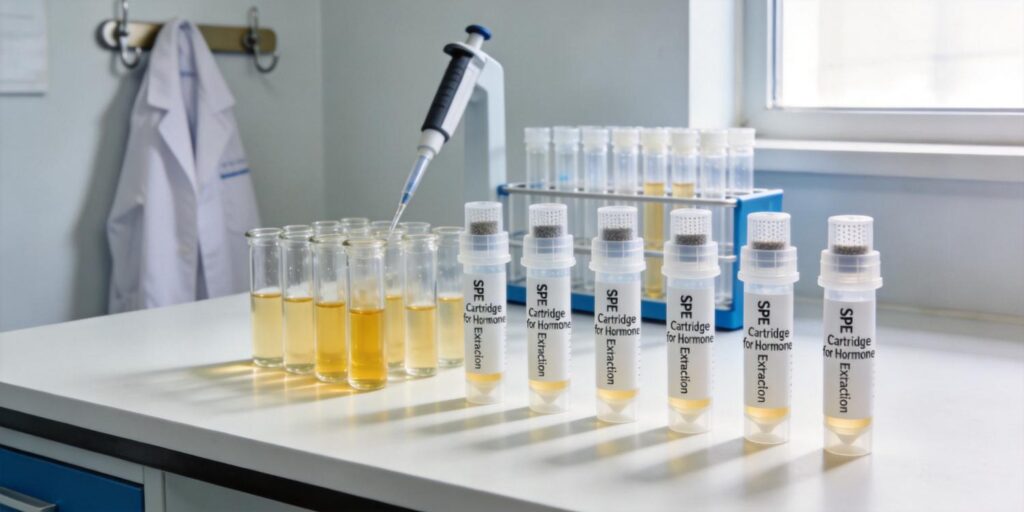
SPE cartridge extracting hormones from serum samples

High-Sensitivity Detection of Hormones in Serum Using SPE

Why Hormone Monitoring Matters in Clinical Diagnostics Endogenous hormones such as estradiol, testosterone, cortisol, and progesterone serve as critical biomarkers for a wide range of clinical conditions, including reproductive disorders, adrenal insufficiency, and certain cancers. Accurate quantitation at sub-nanogram-per-milliliter levels is essential for diagnosis, treatment monitoring, and research. Liquid chromatography–tandem mass spectrometry (LC-MS/MS) has become

High-Sensitivity Detection of Hormones in Serum Using SPE Read More »

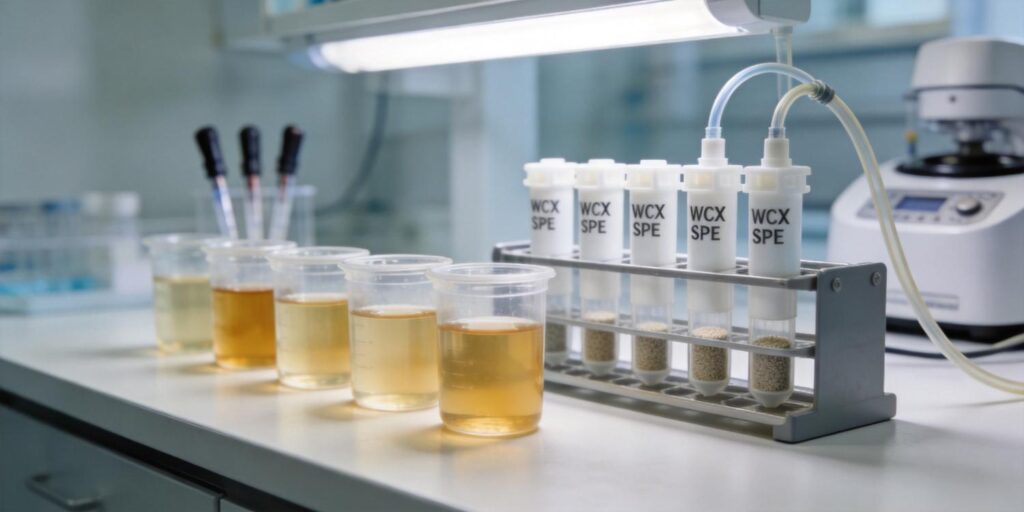
WCX SPE cartridge extracting metabolites from urine samples

WCX SPE for Isolation of Basic Metabolites in Human Urine

WCX SPE for Isolation of Basic Metabolites in Human Urine 1. Characteristics of Basic Metabolites in Urine Samples Human urine is a complex biological matrix containing a wide variety of metabolites, including amino acids, amines, nucleosides, and many drug metabolites. Basic metabolites—those with pKa values typically above 7—are positively charged under physiological or slightly acidic

WCX SPE for Isolation of Basic Metabolites in Human Urine Read More »

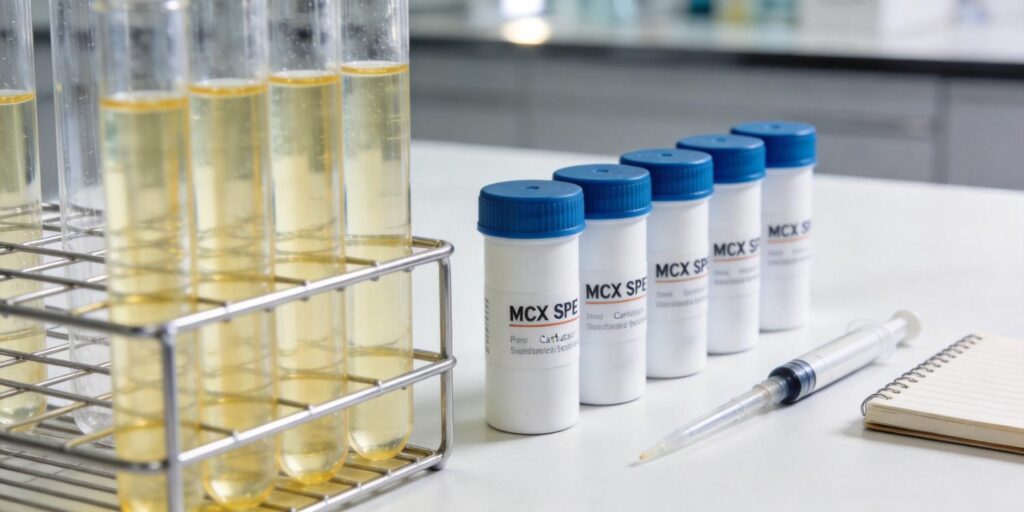
MCX SPE cartridge used for plasma pharmacokinetic sample preparation

Preparing Plasma Samples for Pharmacokinetic Analysis Using MCX SPE

Introduction In pharmacokinetic (PK) studies, accurate quantification of drug concentrations in plasma is critical for understanding absorption, distribution, metabolism, and excretion (ADME) profiles. Plasma is a complex biological matrix containing proteins, lipids, salts, and endogenous compounds that can interfere with LC-MS/MS analysis. Effective sample preparation is therefore essential to remove matrix interferences, concentrate analytes, and

Preparing Plasma Samples for Pharmacokinetic Analysis Using MCX SPE Read More »

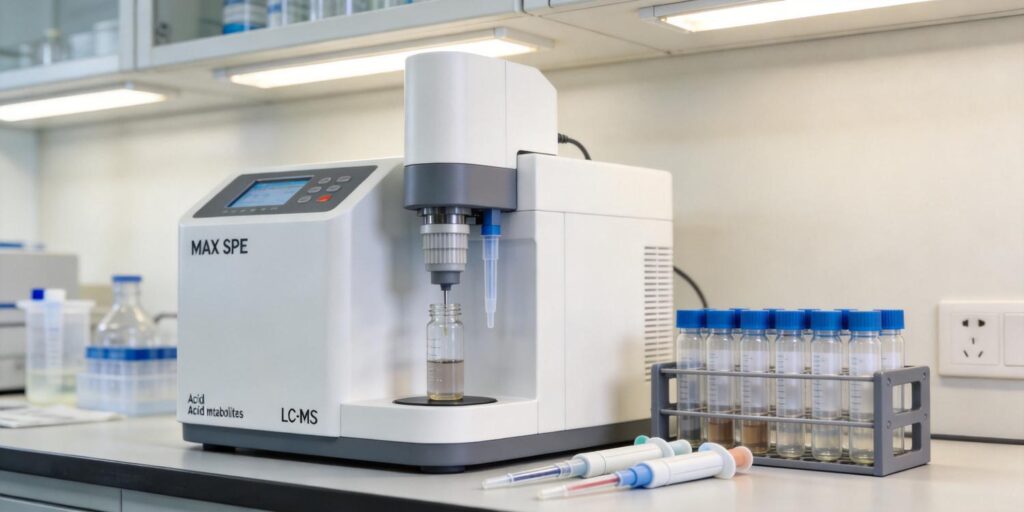
MAX SPE cartridge used to extract acidic metabolites from urine samples

Using MAX SPE to Isolate Acidic Metabolites in Urine

Using MAX SPE to Isolate Acidic Metabolites in Urine In pharmacokinetics and metabolomics, isolating acidic metabolites from complex biological matrices like urine is critical for accurate quantification and structural elucidation. Solid-phase extraction (SPE) with mixed-mode anion exchange sorbents, such as the Poseidon MAX SPE Cartridges, offers superior selectivity for acidic compounds. This article outlines a

Using MAX SPE to Isolate Acidic Metabolites in Urine Read More »

laboratory SPE extraction of amino acid metabolites from urine samples

Extraction of Amino Acid Metabolites from Urine Using SPE

Clinical Significance of Amino Acid Metabolite Profiling Amino acid metabolites serve as critical biomarkers for a range of metabolic disorders, including phenylketonuria, maple syrup urine disease, and homocystinuria. Their profiling in urine offers a non-invasive window into systemic metabolism, aiding early diagnosis and therapeutic monitoring. Solid-phase extraction (SPE) enables selective enrichment of these polar analytes

Extraction of Amino Acid Metabolites from Urine Using SPE Read More »

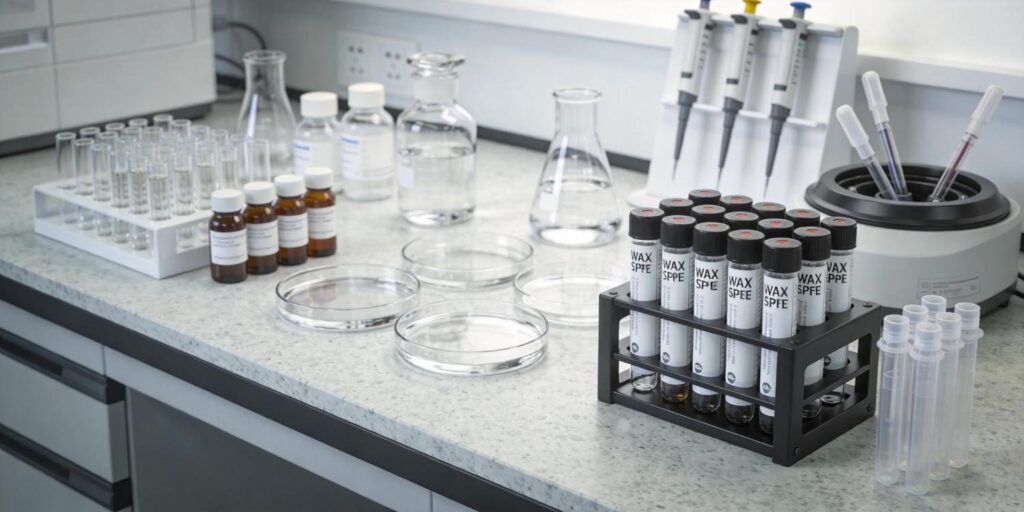
laboratory SPE extraction of short chain fatty acids from biological samples

Applying WAX SPE for the Determination of Short-Chain Fatty Acids in Biological Samples

Applying WAX SPE for the Determination of Short-Chain Fatty Acids in Biological Samples Short-chain fatty acids (SCFAs), including acetate, propionate, and butyrate, are critical metabolites produced by gut microbiota and play key roles in host metabolism, immune regulation, and disease pathology. Accurate quantification of SCFAs in biological matrices such as serum and feces is essential

Applying WAX SPE for the Determination of Short-Chain Fatty Acids in Biological Samples Read More »

Shopping Cart
Poseidon Scientific
Privacy Overview

This website uses cookies so that we can provide you with the best user experience possible. Cookie information is stored in your browser and performs functions such as recognising you when you return to our website and helping our team to understand which sections of the website you find most interesting and useful.