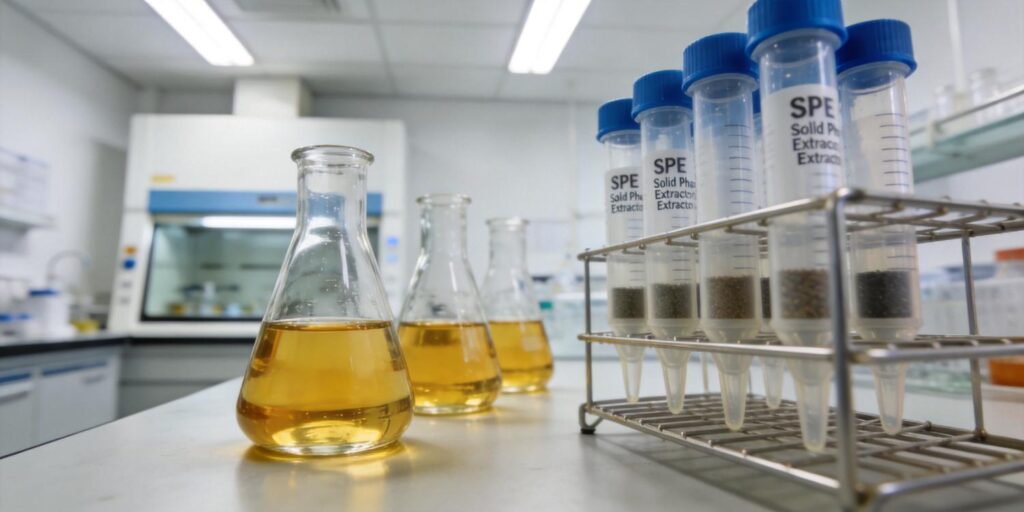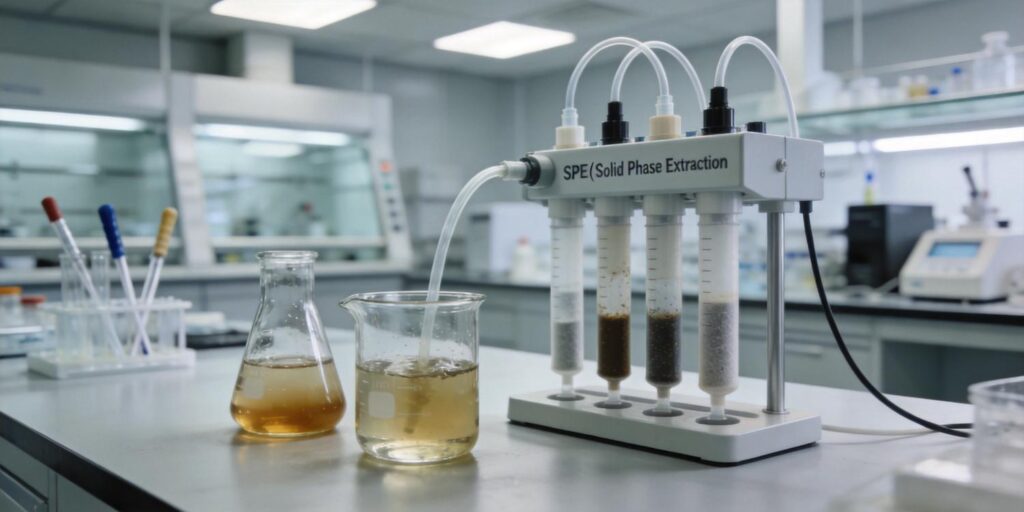
SPE extraction of cosmetic contaminants from coastal water samples

SPE Extraction of Personal Care Product Residues in Coastal Waters

Sources of Personal Care Product Contaminants in Coastal Waters Personal care products (PCPs) represent a significant class of emerging contaminants in coastal environments, with their presence primarily attributed to wastewater discharge pathways. These compounds enter aquatic systems through multiple routes: direct discharge from wastewater treatment plants (WWTPs) that often incompletely remove PCPs, recreational activities such […]

SPE Extraction of Personal Care Product Residues in Coastal Waters Read More »

Vacuum gauge mounted on plasma cleaning chamber

Vacuum Monitoring in Plasma Cleaning Systems

Plasma Cleaning Process Overview Plasma cleaning is a highly effective, dry process used to remove organic contaminants, oxides, and particulates from surfaces prior to bonding, coating, or assembly. In semiconductor fabrication, medical-device manufacturing, optics, and aerospace applications, plasma cleaning ensures superior adhesion and cleanliness without the use of hazardous solvents. The typical cycle begins with

Vacuum Monitoring in Plasma Cleaning Systems Read More »

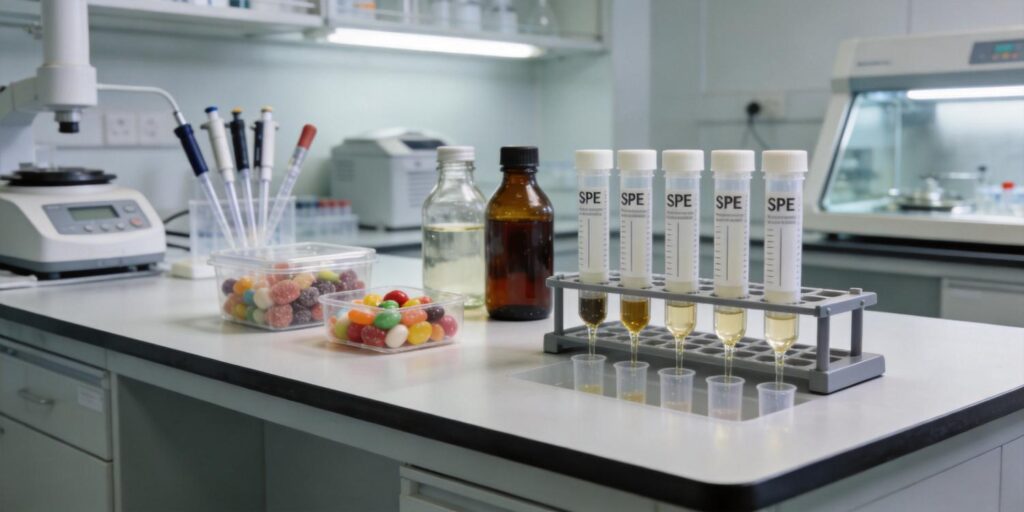
SPE purification of processed food extracts for preservative testing

SPE Cleanup Strategies for Analyzing Food Preservatives

Common Food Preservatives: Benzoates and Sorbates Food preservatives are essential additives that prevent spoilage and extend shelf life, with benzoates and sorbates being among the most widely used organic acid preservatives. Sodium benzoate (E211) and potassium sorbate (E202) are particularly common in beverages, sauces, dressings, and processed foods due to their effectiveness against yeasts, molds,

SPE Cleanup Strategies for Analyzing Food Preservatives Read More »

Vacuum gauge installed on isolated chamber during leak test

Improving Leak Detection Sensitivity with Proper Gauge Placement

Pressure Rise Test Methodology The pressure rise test is one of the most sensitive and widely used methods for detecting leaks in vacuum systems. After the chamber reaches a stable base pressure, the pump is isolated (typically with a valve) and the rate of pressure increase is monitored over time. Any real leak—whether from seals,

Improving Leak Detection Sensitivity with Proper Gauge Placement Read More »

Vacuum gauge mounted on resin impregnation tank

Vacuum Gauge Selection for Vacuum Impregnation Systems

Vacuum Impregnation Process Overview Vacuum impregnation is a critical manufacturing step used to fill microscopic voids, pores, and cracks in castings, windings, and composite parts with insulating resins or sealants. The process begins by placing the workpiece in a sealed chamber, evacuating air and moisture, then introducing low-viscosity resin under vacuum or pressure to ensure

Vacuum Gauge Selection for Vacuum Impregnation Systems Read More »

SPE extraction of steroid hormones from wastewater samples

SPE Workflows for Detecting Steroid Hormones in Wastewater

Environmental Sources of Steroid Hormones Steroid hormones enter wastewater systems through multiple pathways, primarily from human and veterinary pharmaceutical use, agricultural runoff, and industrial discharges. Natural and synthetic estrogens (estrone, estradiol, ethinylestradiol), androgens (testosterone), progestins, and corticosteroids are routinely detected in municipal wastewater treatment plant effluents at concentrations ranging from low ng/L to μg/L levels.

SPE Workflows for Detecting Steroid Hormones in Wastewater Read More »

Dual vacuum gauges showing pressure transition on chamber

How to Transition from Pirani to Cold Cathode Measurement Smoothly

Understanding the Overlap Pressure Range Vacuum systems rarely operate in a single pressure regime. Most pump-down cycles begin at atmosphere and must reach high vacuum, creating a natural transition zone where both Pirani and cold-cathode technologies can provide valid data. Poseidon Scientific’s VG-SP205 Pirani Vacuum Transmitter is optimized for atmospheric pressure down to 10⁻³ Torr,

How to Transition from Pirani to Cold Cathode Measurement Smoothly Read More »

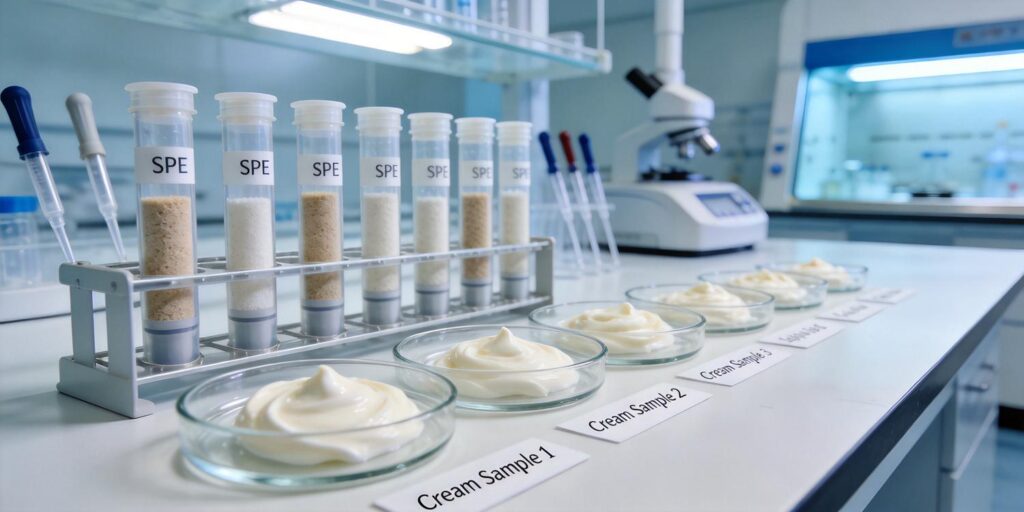
SPE cleanup workflow used for pharmaceutical analysis in sediment samples

SPE Extraction of Pharmaceutical Residues from River Sediments

Pharmaceutical Contamination in Aquatic Sediments Pharmaceutical residues in river sediments represent a growing environmental concern with significant implications for ecosystem health. As wastewater treatment plants discharge effluents containing unmetabolized drugs and their transformation products, these compounds accumulate in sediment matrices where they can persist for extended periods. The hydrophobic nature of many pharmaceutical compounds facilitates

SPE Extraction of Pharmaceutical Residues from River Sediments Read More »

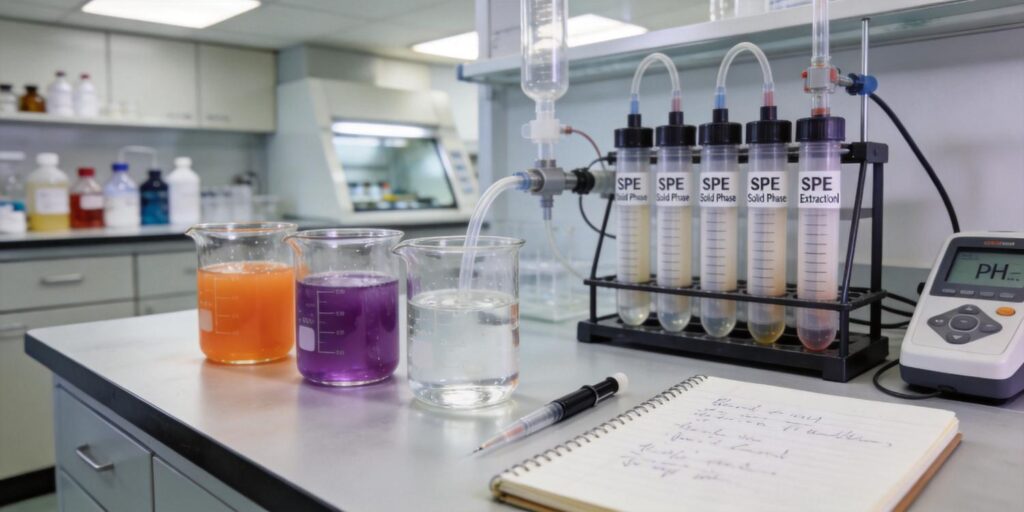
SPE purification of food extracts for artificial colorant analysis

SPE Cleanup Techniques for Analyzing Food Colorants

Regulatory Monitoring of Artificial Food Colorants Global regulatory bodies like the FDA, EFSA, and Codex Alimentarius have established strict limits for artificial food colorants due to potential health concerns. These synthetic dyes—including Allura Red AC (Red 40), Tartrazine (Yellow 5), Sunset Yellow FCF (Yellow 6), and Brilliant Blue FCF (Blue 1)—require precise monitoring in food

SPE Cleanup Techniques for Analyzing Food Colorants Read More »

Vacuum gauge mounted too close to vacuum pump outlet

Common Installation Mistakes That Affect Vacuum Accuracy

Mounting Near Pump Outlet One of the most frequent installation errors is placing the vacuum gauge too close to the pump inlet or outlet. Turbulent flow, oil mist (in rotary vane systems), or sudden pressure pulses create local pressure gradients that do not represent true chamber conditions. In practice, readings can be artificially high or

Common Installation Mistakes That Affect Vacuum Accuracy Read More »

Shopping Cart
Poseidon Scientific
Privacy Overview

This website uses cookies so that we can provide you with the best user experience possible. Cookie information is stored in your browser and performs functions such as recognising you when you return to our website and helping our team to understand which sections of the website you find most interesting and useful.