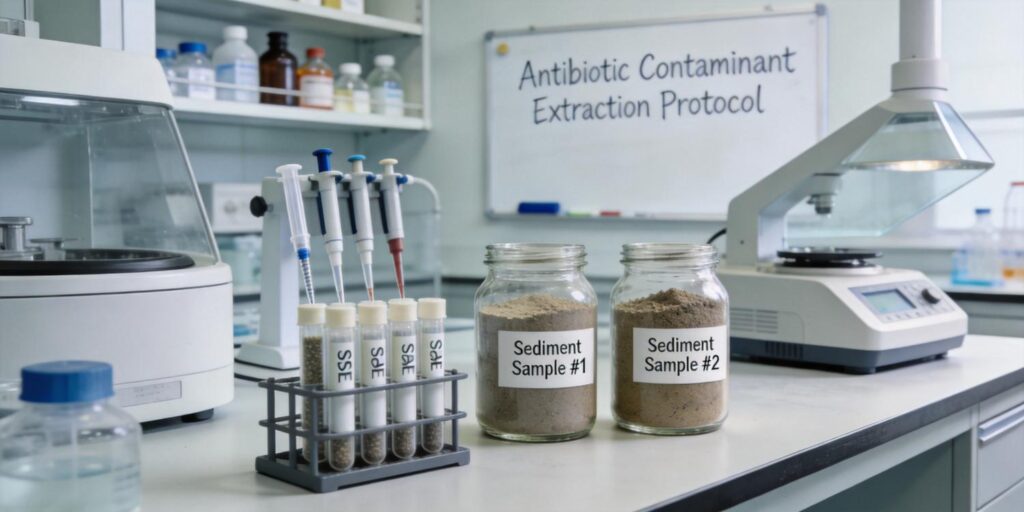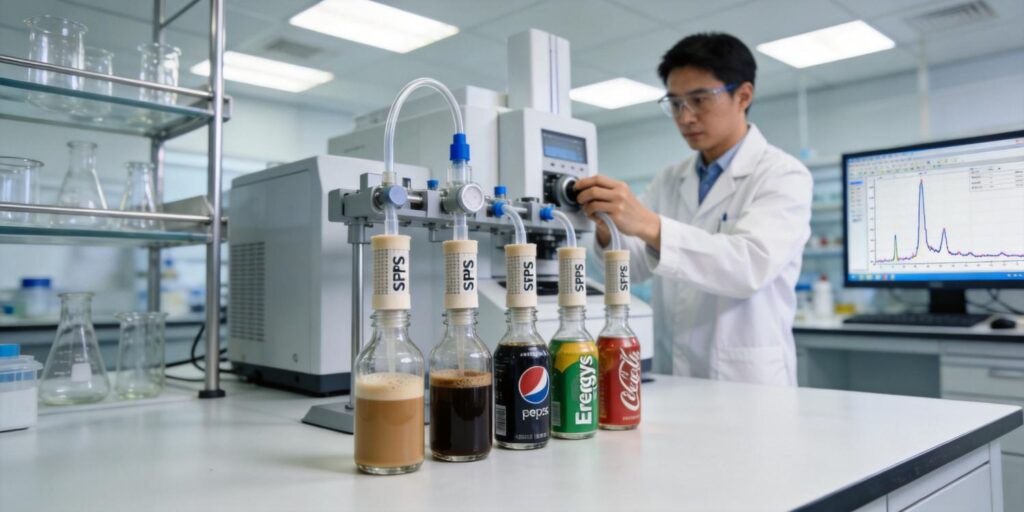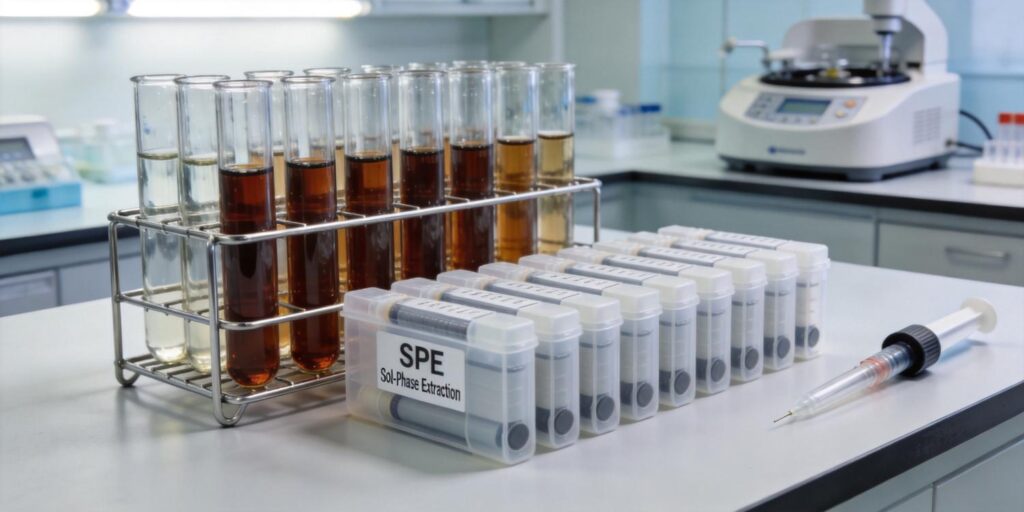
SPE cleanup procedure used for disinfectant chemical analysis in laboratory

SPE Method for Extraction of Quaternary Ammonium Compounds from Disinfectant Products

Overview of QAC Disinfectants and Regulatory Monitoring Quaternary ammonium compounds (QACs) are widely used as active ingredients in disinfectants, sanitizers, and preservatives due to their broad-spectrum antimicrobial activity. With the increased use of QAC-based products, regulatory agencies such as the U.S. Environmental Protection Agency (EPA) and the European Chemicals Agency (ECHA) have established guidelines for […]

SPE Method for Extraction of Quaternary Ammonium Compounds from Disinfectant Products Read More »

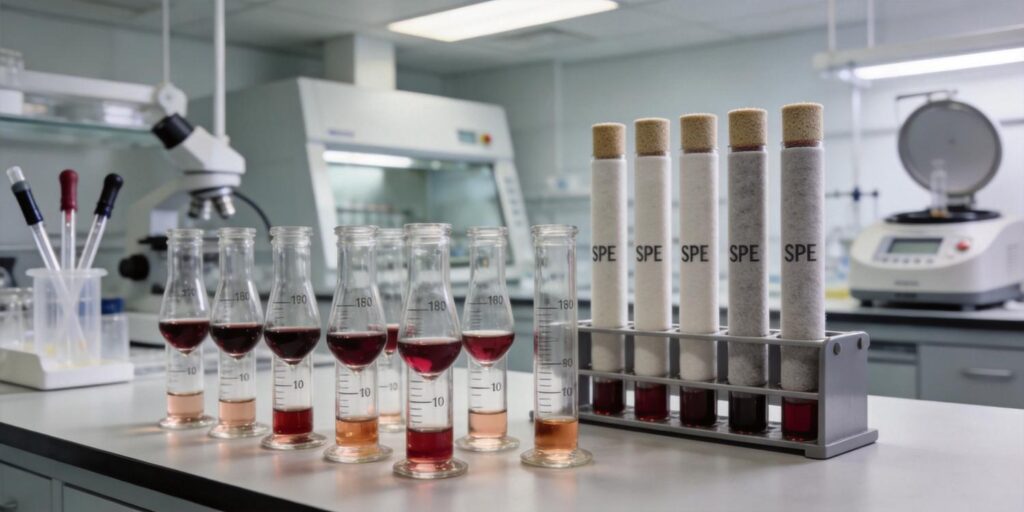
MCX SPE cartridge extraction of antidepressant drugs from plasma samples in analytical laboratory

Optimizing MCX SPE for Quantification of Antidepressants in Human Plasma by LC-MS/MS

Analytical Challenges in Antidepressant Quantification Quantifying antidepressants such as selective serotonin reuptake inhibitors (SSRIs), serotonin-norepinephrine reuptake inhibitors (SNRIs), and tricyclic antidepressants (TCAs) in human plasma presents significant analytical challenges. These compounds are present at low nanogram-per-milliliter concentrations, requiring high sensitivity and selectivity. Plasma is a complex matrix containing proteins, lipids, salts, and other endogenous compounds

Optimizing MCX SPE for Quantification of Antidepressants in Human Plasma by LC-MS/MS Read More »

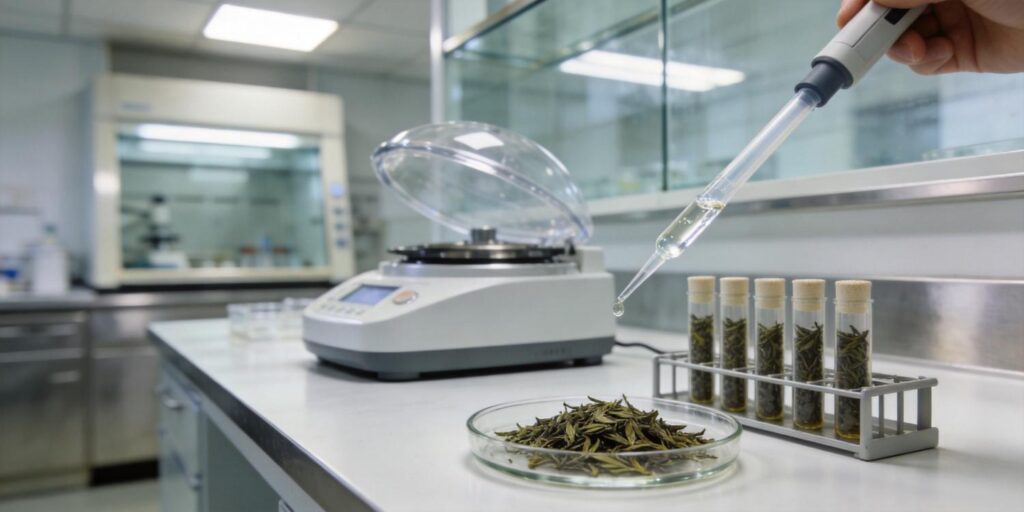
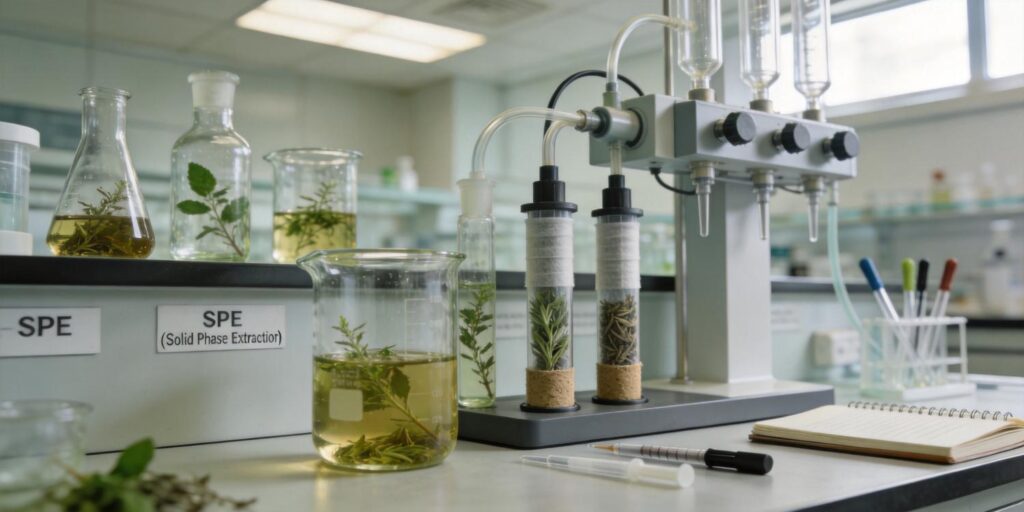
SPE purification of flavonoids from green tea extracts

SPE Isolation of Flavonoids from Green Tea Samples

Flavonoid Compounds in Green Tea (Catechins) Green tea is rich in flavonoids, particularly catechins such as epigallocatechin gallate (EGCG), epigallocatechin (EGC), epicatechin gallate (ECG), and epicatechin (EC). These polyphenolic compounds contribute to the antioxidant, anti-inflammatory, and cardioprotective properties of green tea. Their isolation and purification are critical for nutritional research, quality control, and functional food

SPE Isolation of Flavonoids from Green Tea Samples Read More »

SPE purification of fish tissue extracts by removing lipids

SPE Cleanup of Lipid-Rich Fish Tissue Extracts

Why Lipid-Rich Fish Tissue Presents Unique Analytical Challenges Fish tissue samples, especially those from fatty species like salmon, mackerel, or herring, present significant challenges for trace analysis due to their high lipid content. Lipids—primarily triglycerides, phospholipids, and free fatty acids—can co-extract with target analytes during solvent extraction, leading to severe matrix effects in LC-MS and

SPE Cleanup of Lipid-Rich Fish Tissue Extracts Read More »

SPE cartridge extraction of heavy metal chelates from water samples

SPE Sample Preparation for Trace Heavy Metal Chelates in Water

SPE Sample Preparation for Trace Heavy Metal Chelates in Water Heavy metal contamination in environmental waters remains a critical global concern. While regulatory frameworks often target total metal concentrations, the speciation and chelation state of metals profoundly impact their toxicity, bioavailability, and environmental fate. Chelating agents—both naturally occurring (humic substances, amino acids) and anthropogenic (EDTA,

SPE Sample Preparation for Trace Heavy Metal Chelates in Water Read More »

SPE purification of terpene compounds from essential oils

SPE Isolation of Terpenes from Essential Oil Samples

Chemical Diversity of Terpenes in Essential Oils Essential oils are complex natural mixtures containing a wide variety of volatile organic compounds, with terpenes and terpenoids being the principal constituents. Terpenes are classified based on the number of isoprene (C5H8) units: monoterpenes (C10), sesquiterpenes (C15), diterpenes (C20), and triterpenes (C30). Monoterpenes and sesquiterpenes are the most

SPE Isolation of Terpenes from Essential Oil Samples Read More »

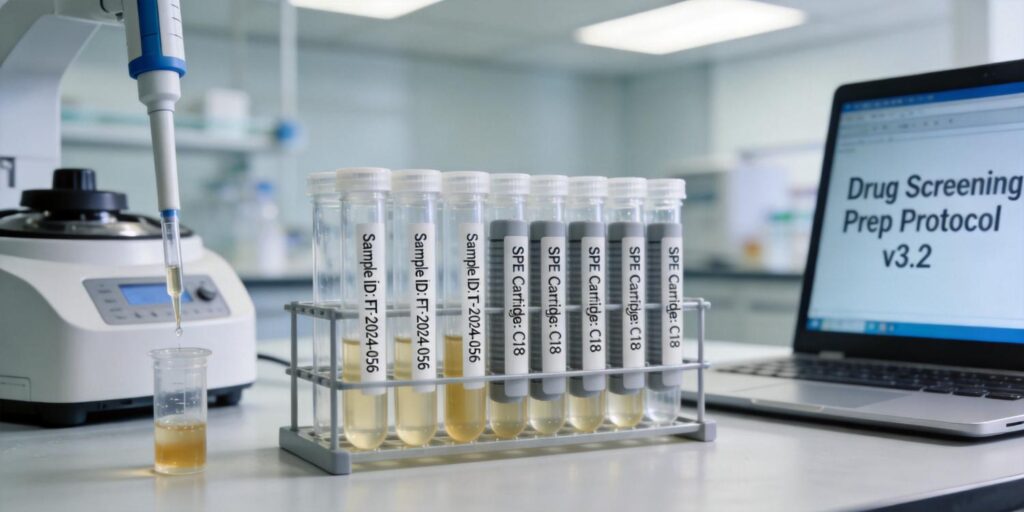
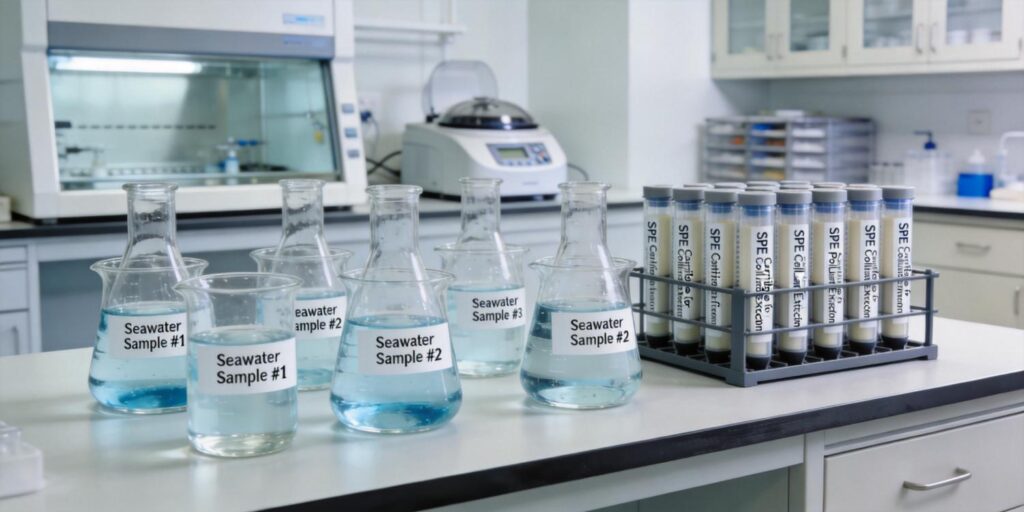
SPE cartridge extraction of pharmaceutical metabolites from wastewater

SPE Extraction of Pharmaceutical Metabolites from Hospital Wastewater

Hospital Wastewater as a Source of Pharmaceutical Metabolites Hospital wastewater is a significant point source for pharmaceutical residues and their metabolites, including antibiotics, analgesics, antidepressants, and contrast media. These compounds enter wastewater streams through patient excreta, disposal of unused medications, and laboratory activities. Unlike municipal sewage, hospital effluent contains higher concentrations of active pharmaceutical ingredients

SPE Extraction of Pharmaceutical Metabolites from Hospital Wastewater Read More »

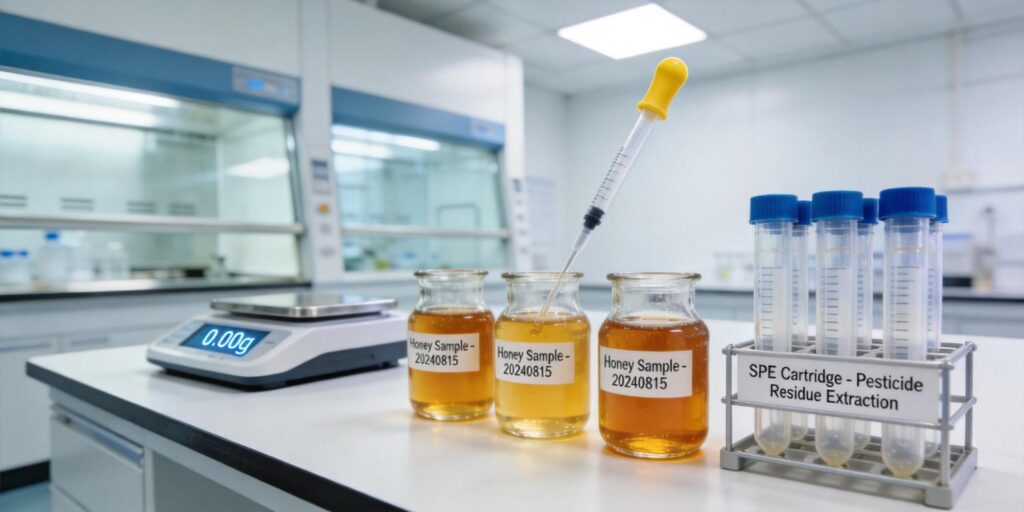
SPE purification of herbal tea extracts for pesticide testing

SPE Cleanup of Herbal Tea Extracts for Pesticide Testing

Pesticide Contamination Concerns in Herbal Teas Herbal teas, prized for their natural flavors and health benefits, can harbor pesticide residues due to agricultural practices. Unregulated use of pesticides on herbs like chamomile, peppermint, and hibiscus raises food safety concerns. Regulatory bodies such as the European Union and the U.S. FDA enforce maximum residue limits (MRLs)

SPE Cleanup of Herbal Tea Extracts for Pesticide Testing Read More »

SPE purification of alkaloids from marine biological samples

SPE Isolation of Bioactive Alkaloids from Marine Organisms

SPE Isolation of Bioactive Alkaloids from Marine Organisms 1. The Importance of Marine Alkaloids in Pharmaceutical Research Marine alkaloids represent a structurally diverse class of natural products with significant pharmacological potential. Isolated from organisms such as sponges, tunicates, and algae, these compounds exhibit anticancer, anti-inflammatory, antimicrobial, and neuroprotective activities. Notable examples include the anticancer agent

SPE Isolation of Bioactive Alkaloids from Marine Organisms Read More »

SPE cleanup workflow preparing environmental samples for GC-MS

SPE Preparation of Environmental Samples for GC-MS Pollutant Analysis

Overview of GC-MS in Environmental Pollutant Analysis Gas chromatography-mass spectrometry (GC-MS) is a cornerstone technique for detecting and quantifying organic pollutants in environmental matrices. Its high sensitivity, selectivity, and ability to separate complex mixtures make it ideal for analyzing trace-level contaminants in soil, water, and air. Common target analytes include polycyclic aromatic hydrocarbons (PAHs), polychlorinated

SPE Preparation of Environmental Samples for GC-MS Pollutant Analysis Read More »

Shopping Cart
Poseidon Scientific
Privacy Overview

This website uses cookies so that we can provide you with the best user experience possible. Cookie information is stored in your browser and performs functions such as recognising you when you return to our website and helping our team to understand which sections of the website you find most interesting and useful.