Laboratory Techniques

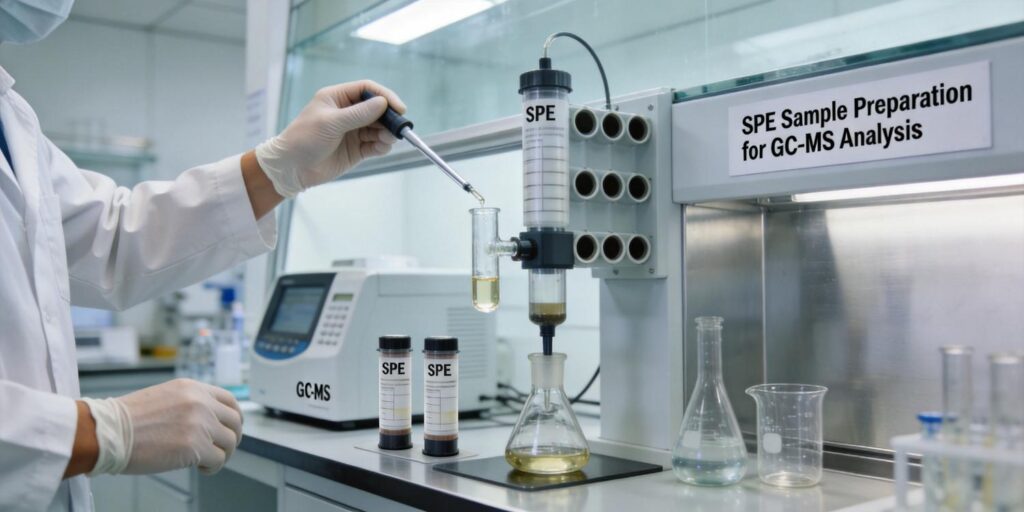
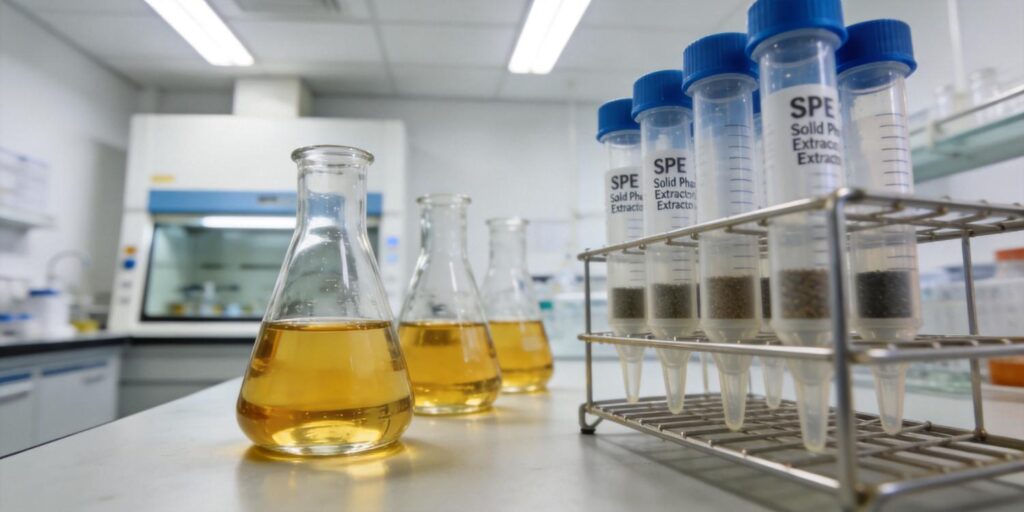
SPE cartridge extracting lipid oxidation products from food samples

SPE Sample Preparation for Lipid Oxidation Product Analysis

Introduction Lipid oxidation is a major concern in food science because it degrades nutritional quality, alters flavor, and generates potentially toxic compounds. Monitoring oxidation products is essential for ensuring shelf stability and consumer safety. Solid-phase extraction (SPE) has become a cornerstone technique for isolating these analytes from complex food matrices prior to chromatographic analysis. This […]

SPE Sample Preparation for Lipid Oxidation Product Analysis Read More »
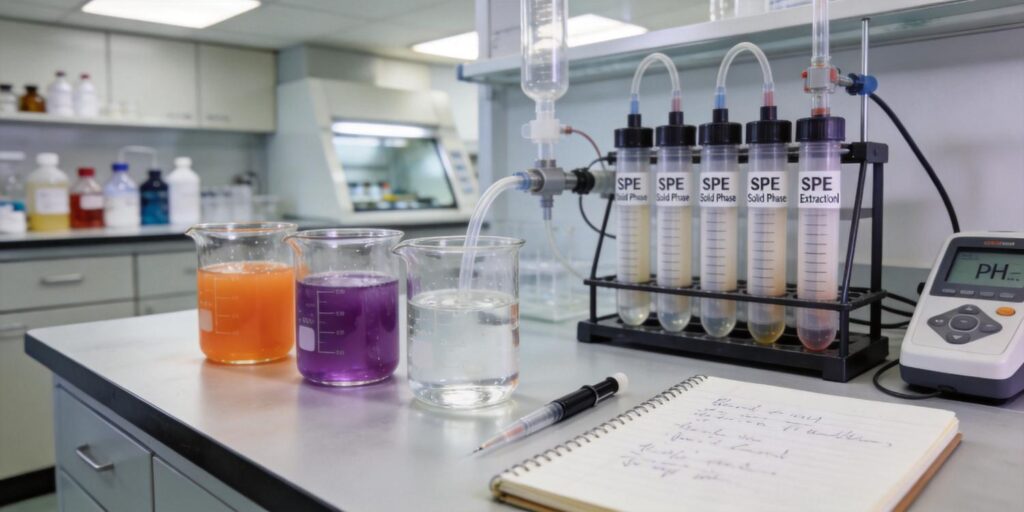
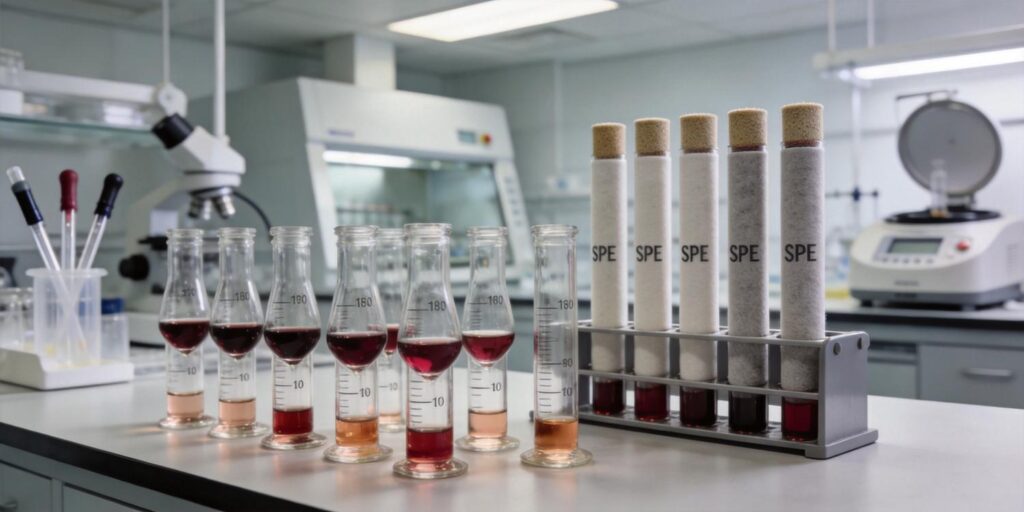
SPE cartridge extracting polyphenols from fruit juice samples

SPE Extraction of Polyphenols from Fruit Juice Samples

Why Polyphenols Matter in Fruit Juice Analysis Polyphenols are a diverse group of naturally occurring compounds found in fruits, vegetables, and beverages like fruit juices. They include flavonoids, phenolic acids, stilbenes, and lignans, and are widely recognized for their antioxidant, anti-inflammatory, and cardioprotective properties. For juice manufacturers and food scientists, quantifying polyphenol content is essential

SPE Extraction of Polyphenols from Fruit Juice Samples Read More »

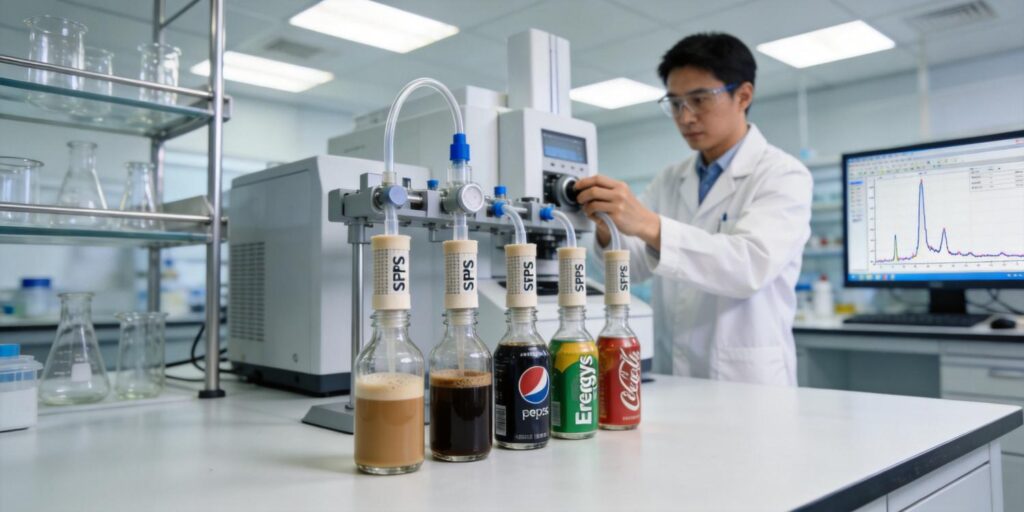
SPE cartridge extracting artificial sweeteners from beverage samples

SPE Cleanup for Detection of Artificial Sweeteners in Beverages

Introduction Artificial sweeteners are widely used in the beverage industry to provide sweetness without the caloric load of sugar. Common sweeteners such as acesulfame-K (ACE), aspartame (ASP), saccharin (SAC), sucralose (SUC), and cyclamate (CYC) require robust analytical methods for accurate quantification. Solid-phase extraction (SPE) is a critical cleanup step to remove matrix interferences from sugars,

SPE Cleanup for Detection of Artificial Sweeteners in Beverages Read More »

SPE cartridge extracting phenolic compounds from wine samples

Extracting Phenolic Compounds from Wine Using SPE

Why Phenolic Profiling Matters in Wine Quality Analysis Phenolic compounds are critical to wine quality, influencing color, astringency, bitterness, and aging potential. Accurate profiling helps winemakers optimize processes, ensure consistency, and meet regulatory standards. Solid-phase extraction (SPE) is the preferred method for isolating these compounds prior to analysis, as it efficiently removes interfering matrices while

Extracting Phenolic Compounds from Wine Using SPE Read More »

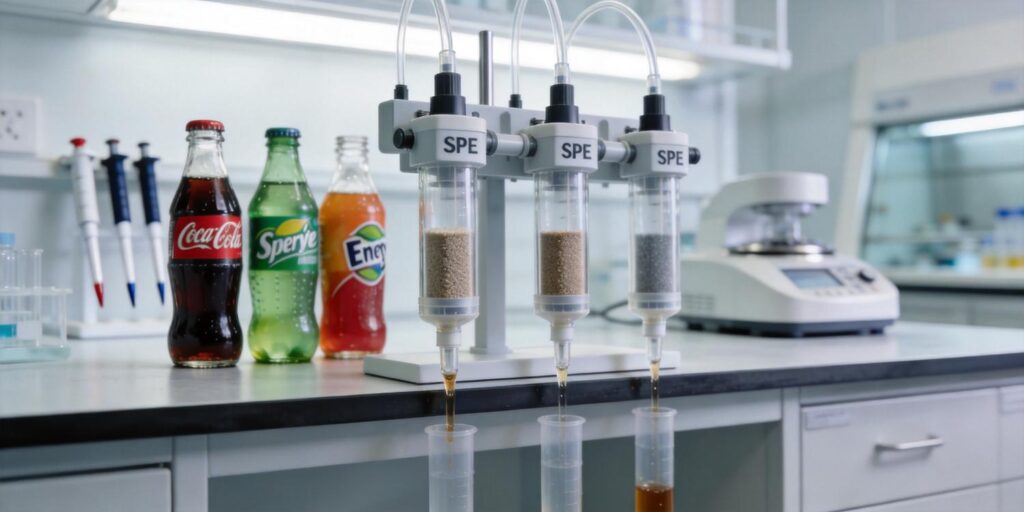
SPE cartridge extracting caffeine from beverage samples

SPE Preparation of Beverage Samples for Caffeine Analysis

Why Caffeine Testing Matters in Beverages Caffeine is one of the most widely consumed psychoactive substances globally, found in coffee, tea, energy drinks, and soft drinks. Accurate quantification is critical for regulatory compliance, nutritional labeling, and quality control. Overconsumption can lead to health issues such as insomnia, palpitations, and anxiety, while under-reporting can mislead consumers.

SPE Preparation of Beverage Samples for Caffeine Analysis Read More »

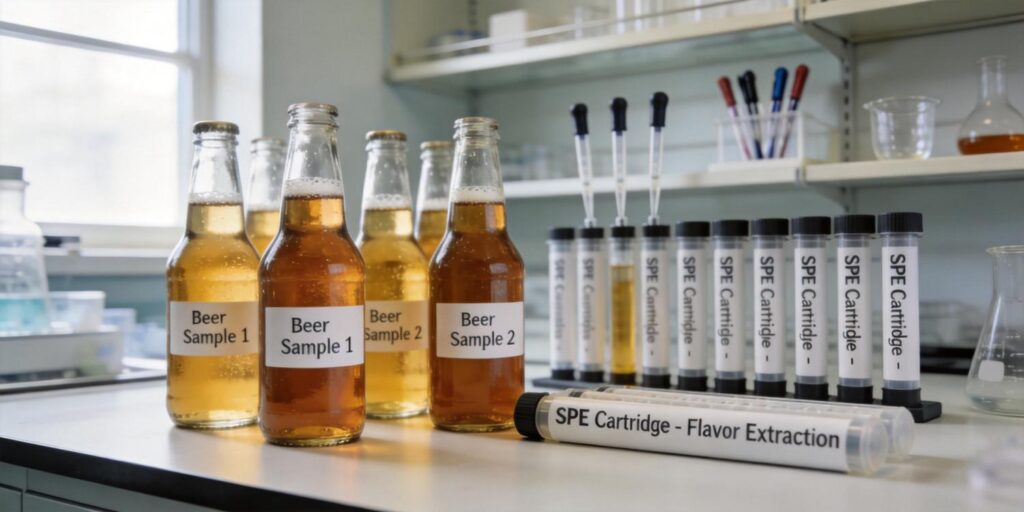
SPE cartridge extracting flavor compounds from beer samples

SPE Cleanup Techniques for Beer Flavor Compound Analysis

Understanding Flavor Compounds in Beer Beer flavor is a complex interplay of hundreds of chemical compounds, including higher alcohols, esters, aldehydes, ketones, fatty acids, hop-derived bitter acids, and volatile sulfur compounds. Key flavor markers like isoamyl acetate (banana), ethyl hexanoate (apple), and 4-vinylguaiacol (clove) are often quantified for quality control in breweries. Matrix Challenges in

SPE Cleanup Techniques for Beer Flavor Compound Analysis Read More »

SPE cleanup workflow preparing environmental samples for GC-MS

SPE Preparation of Environmental Samples for GC-MS Pollutant Analysis

Overview of GC-MS in Environmental Pollutant Analysis Gas chromatography-mass spectrometry (GC-MS) is a cornerstone technique for detecting and quantifying organic pollutants in environmental matrices. Its high sensitivity, selectivity, and ability to separate complex mixtures make it ideal for analyzing trace-level contaminants in soil, water, and air. Common target analytes include polycyclic aromatic hydrocarbons (PAHs), polychlorinated

SPE Preparation of Environmental Samples for GC-MS Pollutant Analysis Read More »

SPE purification of cosmetic product extracts before LC-MS testing

SPE Cleanup Strategies for Cosmetic Product Testing

Chemical Complexity of Cosmetic Formulations Cosmetic products represent some of the most challenging matrices for analytical chemists due to their complex and diverse formulations. Unlike pharmaceutical preparations, cosmetics contain a wide array of ingredients designed for aesthetic appeal, texture enhancement, and product stability. These formulations typically include emollients, surfactants, thickeners, preservatives, fragrances, colorants, and active

SPE Cleanup Strategies for Cosmetic Product Testing Read More »

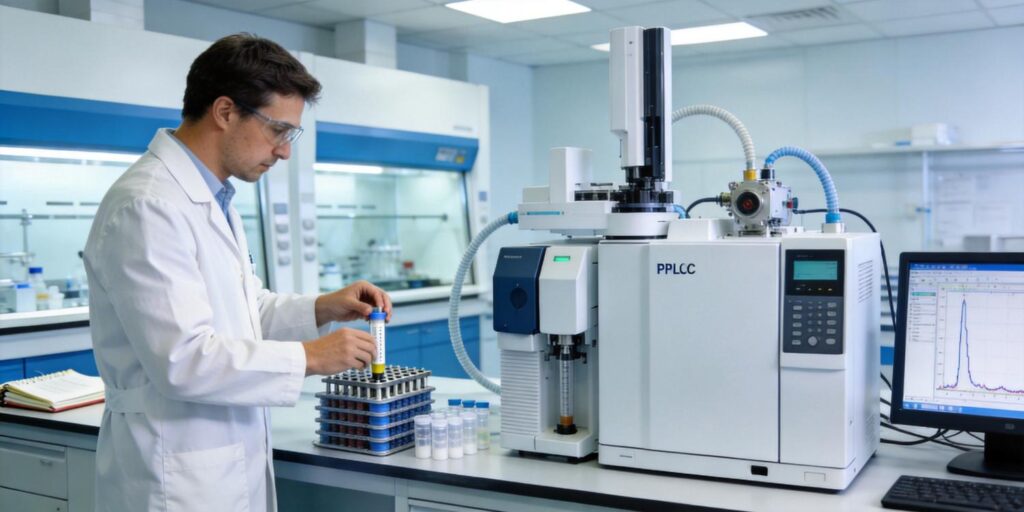
laboratory developing SPE sample preparation method for LC-MS

Analytical Method Development for SPE-LC-MS Workflows

Integrating SPE into LC-MS Analytical Methods Solid-phase extraction (SPE) has become an indispensable tool in modern analytical chemistry, particularly when combined with liquid chromatography-mass spectrometry (LC-MS) workflows. The integration of SPE into LC-MS methods represents a strategic approach to sample preparation that addresses the unique challenges of mass spectrometric analysis while leveraging the complementary strengths

Analytical Method Development for SPE-LC-MS Workflows Read More »

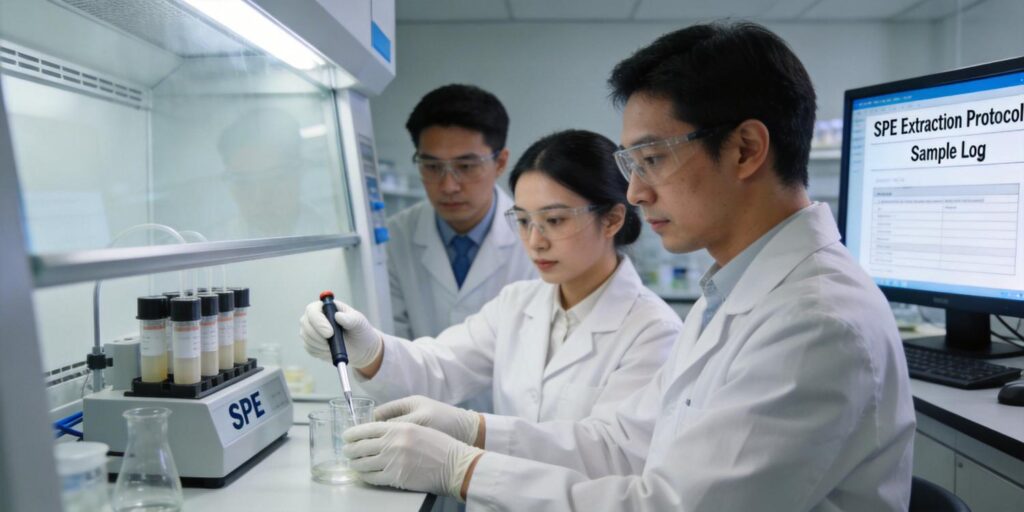
laboratory team performing SPE sample preparation

Improving SPE Reproducibility in Multi-Analyst Laboratories

Sources of Variability Between Analysts in SPE Workflows In multi-analyst laboratories, solid-phase extraction (SPE) reproducibility faces significant challenges from human-induced variability. According to established literature, “SPE is a technique and therefore depends upon human skill for ruggedness” (Simpson, 2000). This fundamental truth underscores why different analysts can produce varying results even when using identical equipment

Improving SPE Reproducibility in Multi-Analyst Laboratories Read More »

Shopping Cart
Poseidon Scientific
Privacy Overview

This website uses cookies so that we can provide you with the best user experience possible. Cookie information is stored in your browser and performs functions such as recognising you when you return to our website and helping our team to understand which sections of the website you find most interesting and useful.