Maintenance & Troubleshooting

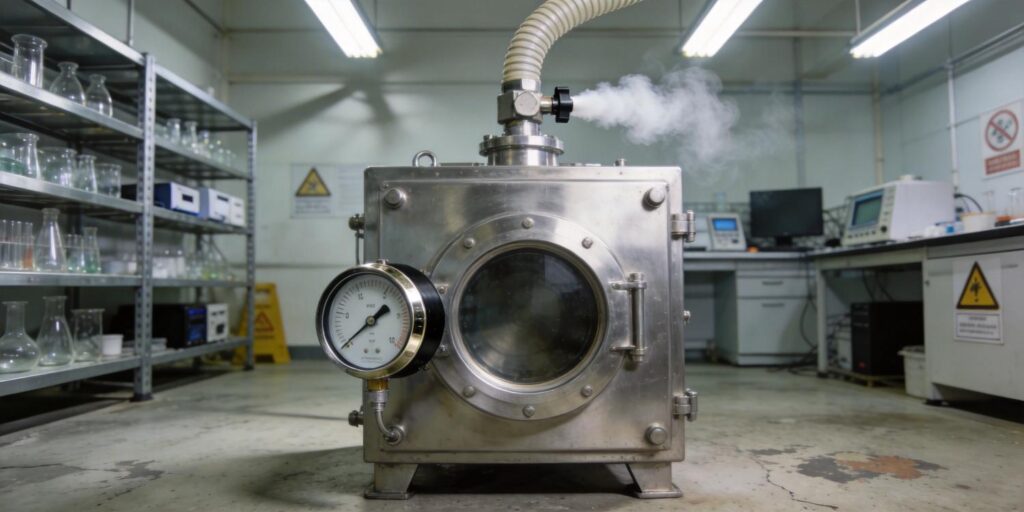
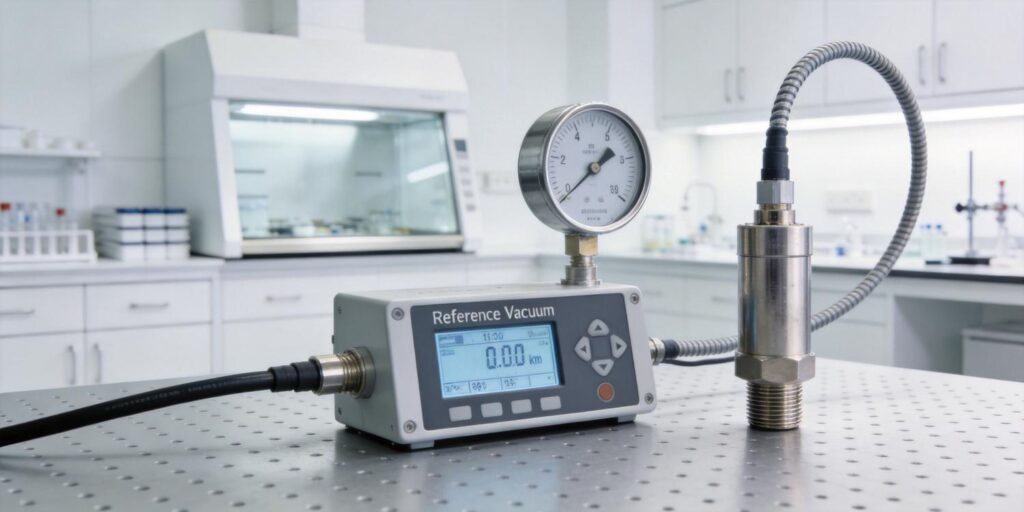
Vacuum gauge undergoing calibration on laboratory bench

Vacuum Gauge Calibration Interval: Annual or Process-Based?

ISO Calibration Recommendation Overview Vacuum gauge calibration practices are guided by international standards, but they emphasize risk-based decisions rather than rigid schedules. ISO 3567:2015 specifies the method for calibrating vacuum gauges by direct comparison with a reference gauge under controlled conditions. It defines traceability to national metrology institutes (such as NIST or PTB) and outlines […]

Vacuum Gauge Calibration Interval: Annual or Process-Based? Read More »

Cold cathode vacuum gauge installed on industrial vacuum chamber

Cold Cathode Electrode Wear: How Many Operating Hours Can You Expect?

Cold Cathode Electrode Wear: How Many Operating Hours Can You Expect? In high-vacuum applications such as mass spectrometry, scanning electron microscopy, and vacuum heat-treatment furnaces, the cold-cathode gauge has become the preferred sensor for pressures from 10⁻³ Torr down to 10⁻⁷ Torr. Unlike hot-cathode designs that rely on a fragile filament, cold-cathode gauges use a

Cold Cathode Electrode Wear: How Many Operating Hours Can You Expect? Read More »

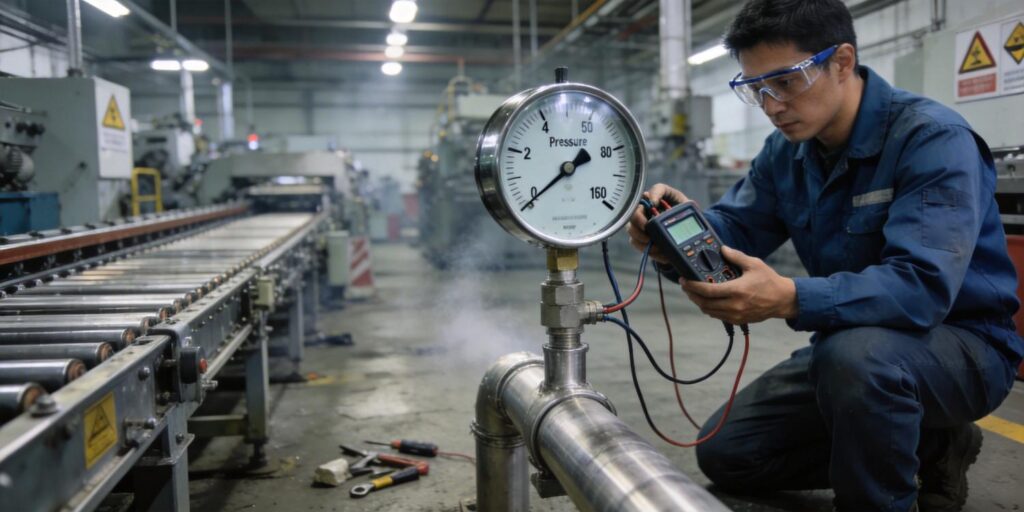
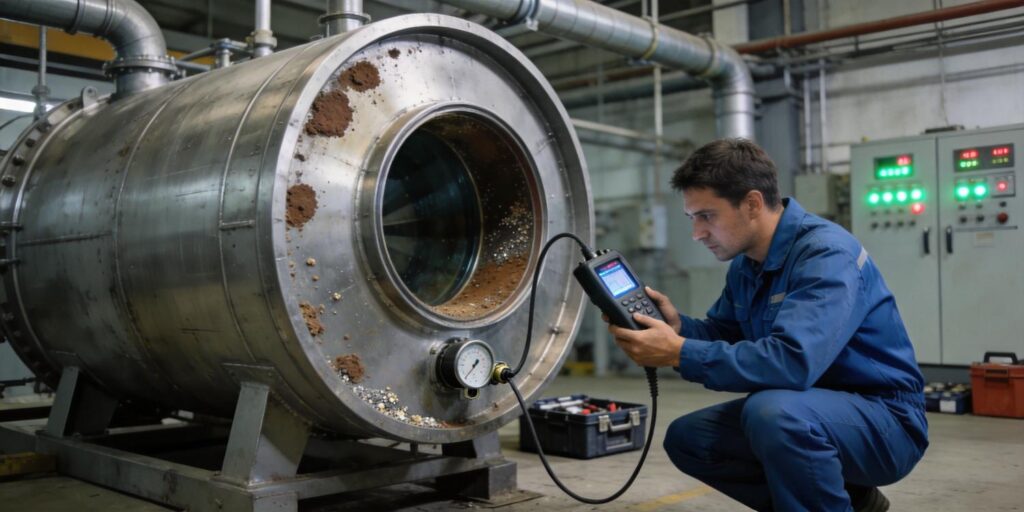
Engineer inspecting vacuum gauge on industrial vacuum system

Vacuum Gauge Maintenance Checklist for Industrial Engineers

Inspection Intervals: Scheduling Proactive Checks to Maximize Uptime Industrial vacuum systems run continuously in demanding environments—semiconductor fabs, pharmaceutical lyophilizers, vacuum heat-treatment furnaces, and thin-film deposition tools. Vacuum gauges are the eyes of these systems, yet many engineers treat them as “set it and forget it” components. A disciplined inspection schedule prevents unexpected downtime, protects product

Vacuum Gauge Maintenance Checklist for Industrial Engineers Read More »

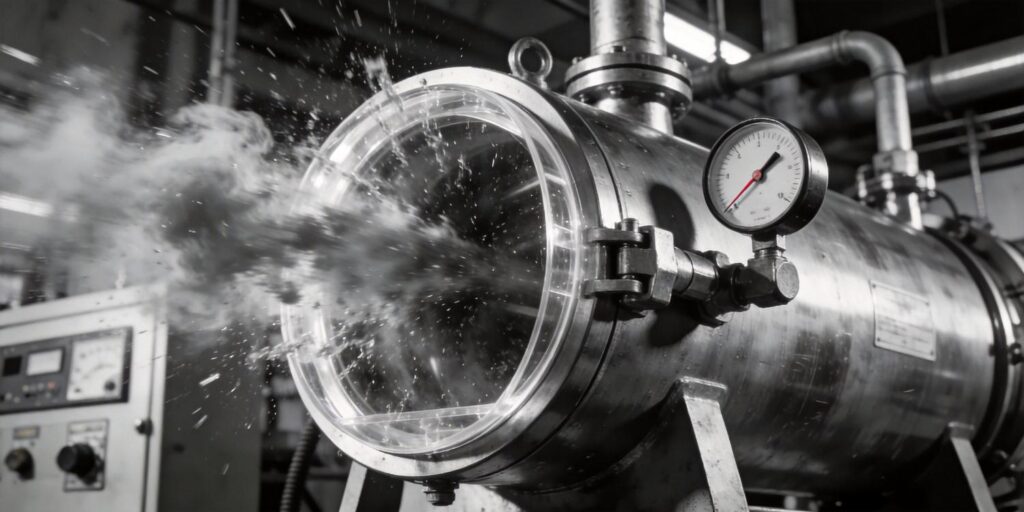
Vacuum chamber venting process with installed vacuum gauge

Best Practices for Vacuum Gauge Venting Procedures

Safe Venting Steps: Protecting Your Vacuum System and Gauge Investment Venting a vacuum chamber is one of the most routine yet critical operations in any automated or laboratory vacuum system. Done incorrectly, it can introduce contamination, damage sensitive gauge sensors, or trigger false alarms that interrupt production cycles. Whether you operate mass spectrometers, pharmaceutical freeze

Best Practices for Vacuum Gauge Venting Procedures Read More »

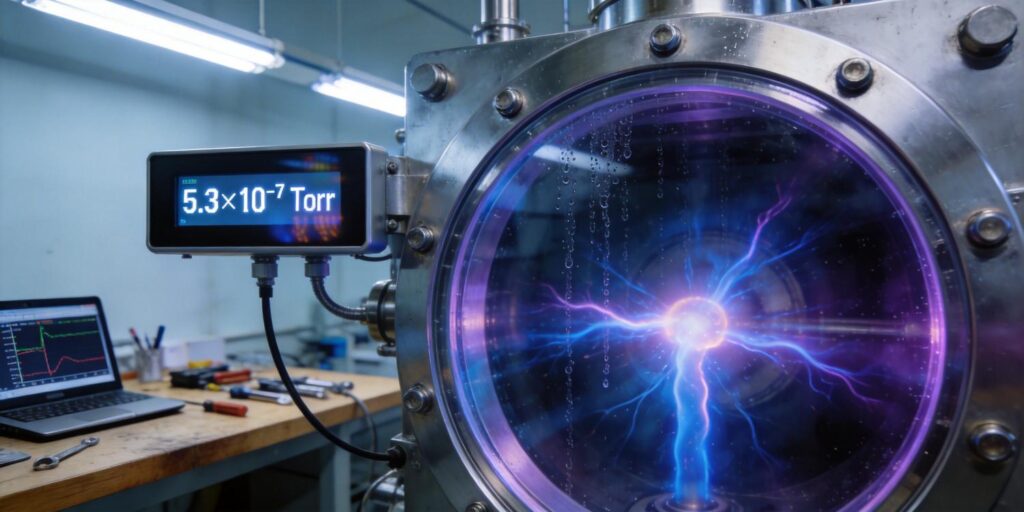
Cold cathode vacuum gauge mounted on industrial system

How to Detect Early Failure in High Vacuum Gauges

Performance Degradation Signs High vacuum gauges are the silent sentinels of analytical instruments, vacuum furnaces, coating systems, and solar deposition tools. When they begin to degrade, the consequences appear gradually—longer pump-down times, inconsistent process results, or unexpected interlock trips—before escalating into full system downtime. Early detection prevents these issues and extends overall equipment life. The

How to Detect Early Failure in High Vacuum Gauges Read More »

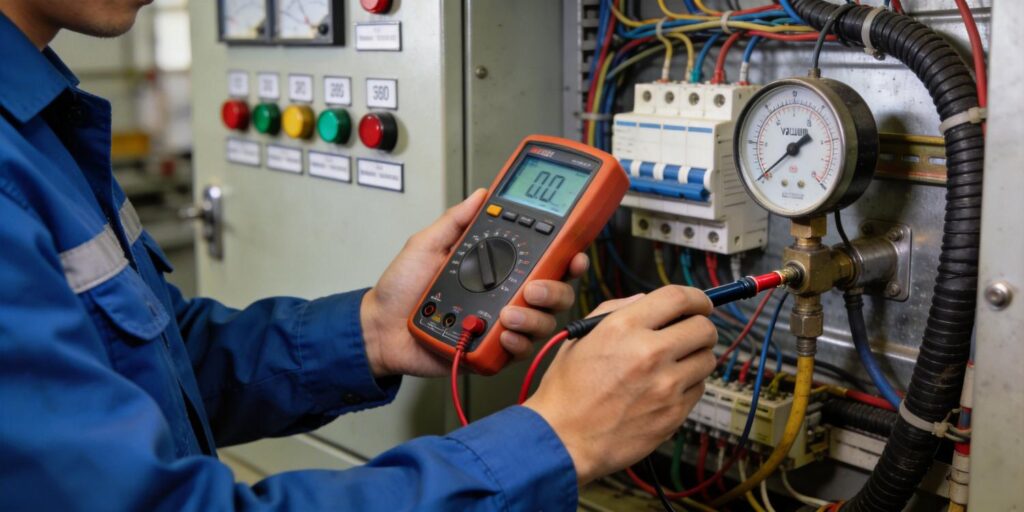
Vacuum transmitter wiring inside industrial control cabinet

Common Causes of Vacuum Gauge Signal Noise

Electrical Interference Electrical interference, or electromagnetic interference (EMI), is one of the most frequent sources of signal noise in vacuum gauge installations. Motors, relays, RF generators, plasma power supplies, and even nearby variable-frequency drives produce rapidly changing electric and magnetic fields that couple into the gauge’s analog output lines. The result is erratic voltage fluctuations—often

Common Causes of Vacuum Gauge Signal Noise Read More »

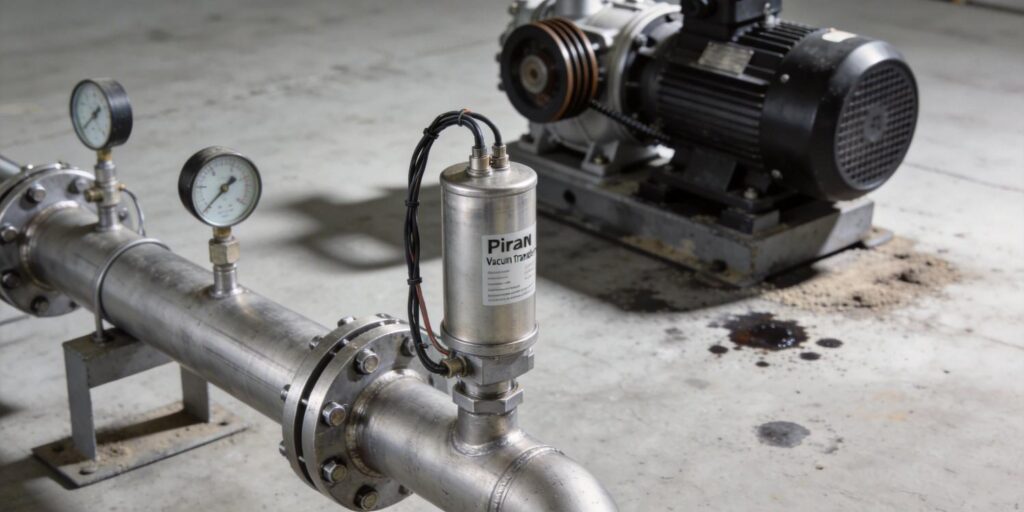
Vacuum gauge connected to chamber during leak testing

How Vacuum Leaks Affect Gauge Readings

Leak Types Vacuum leaks fall into two primary categories that directly influence gauge behavior: real leaks and virtual leaks. Real leaks involve the physical ingress of atmospheric gases through imperfect seals, cracks, or permeable materials. Common sources include damaged O-rings, scratched KF flanges, loose compression fittings, or microscopic pores in welds. These leaks introduce ambient

How Vacuum Leaks Affect Gauge Readings Read More »

Vacuum gauge being calibrated on laboratory test bench

Vacuum Gauge Calibration Best Practices

Calibration Standards: Achieving Traceable Accuracy Vacuum gauge calibration is the foundation of reliable process control in mass spectrometry, PVD coating, vacuum heat treatment, battery manufacturing, and semiconductor applications. Without traceability to recognized standards, even the most expensive gauge can produce misleading data that compromises yield or experimental integrity. Industry best practice requires calibration against a

Vacuum Gauge Calibration Best Practices Read More »

Cold cathode vacuum gauge installed on stainless steel vacuum system

Extending the Lifespan of Cold Cathode Vacuum Gauges

Electrode Wear: The Primary Life-Limiter in Cold Cathode Gauges Cold cathode vacuum gauges measure pressure through a self-sustaining Penning discharge in crossed electric and magnetic fields. In the VG-SM225 Cold Cathode Vacuum Transmitter from Poseidon Scientific, a ~100 Gauss NdFeB magnet and –2000 V (after –2500 V startup) potential drive electrons into long spiral trajectories,

Extending the Lifespan of Cold Cathode Vacuum Gauges Read More »

Digital high vacuum gauge display reading near zero

Why Your High Vacuum Gauge Shows Zero Too Early

Cold Cathode Ignition Threshold: The Physics Behind Premature “Zero” Readings High-vacuum cold cathode gauges, such as the VG-SM225 Cold Cathode Vacuum Transmitter from Poseidon Scientific, rely on a Penning discharge to generate a measurable ion current. A compact NdFeB magnet produces an axial field of ~100 Gauss while a high negative voltage (–2500 V for

Why Your High Vacuum Gauge Shows Zero Too Early Read More »

Shopping Cart
Poseidon Scientific
Privacy Overview

This website uses cookies so that we can provide you with the best user experience possible. Cookie information is stored in your browser and performs functions such as recognising you when you return to our website and helping our team to understand which sections of the website you find most interesting and useful.