Maintenance & Troubleshooting

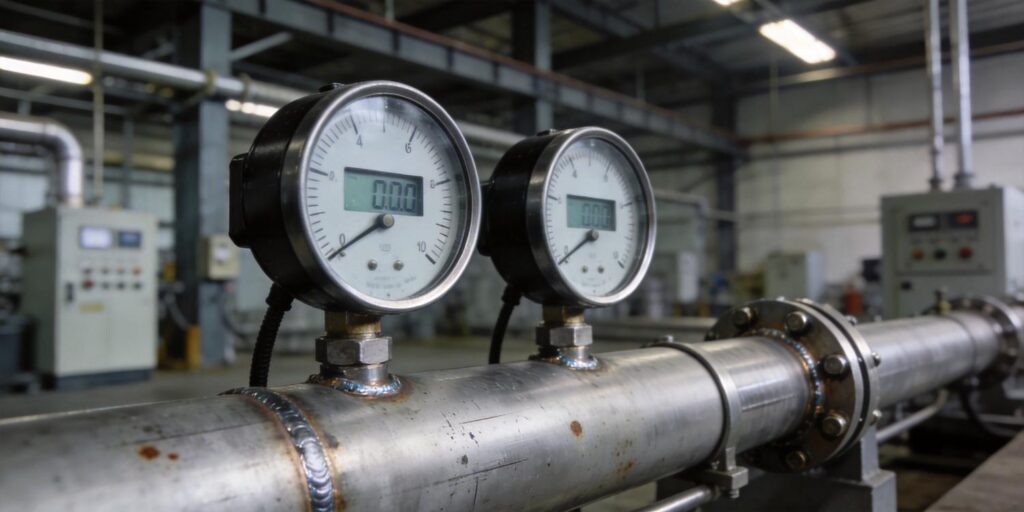
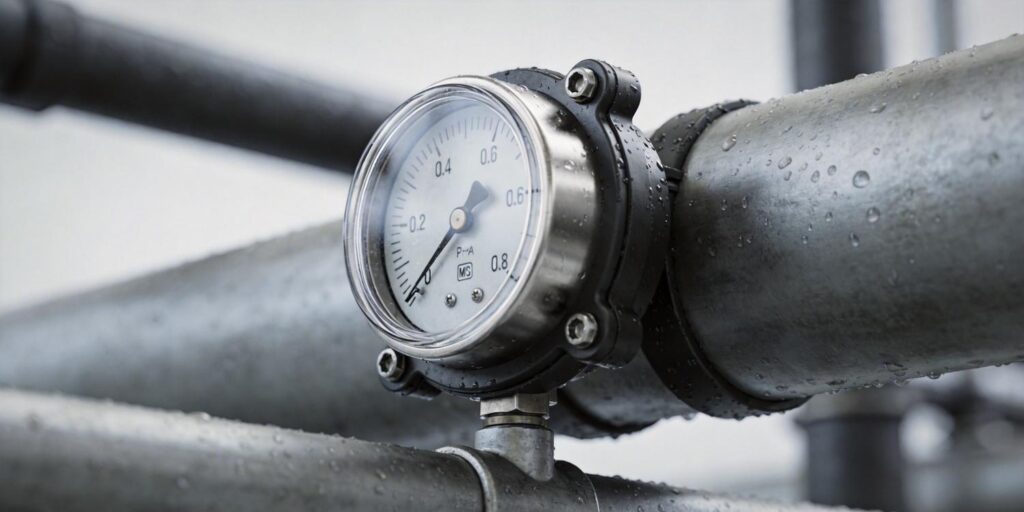
Vacuum gauge monitoring pressure during leak test

How to Detect Vacuum Leaks Using Pressure Monitoring

Introduction Vacuum leaks are among the most common and costly issues in semiconductor tools, PVD coaters, vacuum furnaces, and analytical systems. Even a small leak can extend pump-down times, introduce contaminants, reduce yield, or damage sensitive pumps. The good news is that modern vacuum gauges provide a fast, non-destructive way to detect and locate leaks […]

How to Detect Vacuum Leaks Using Pressure Monitoring Read More »

Safety label near high voltage vacuum gauge installation

Preventing Electrical Shock in High Voltage Vacuum Gauges

Introduction High-voltage vacuum gauges play a vital role in modern industrial and laboratory systems, enabling precise measurement in the high-vacuum regime where hot-cathode alternatives cannot operate safely or reliably. The Poseidon Scientific VG-SM225 Cold Cathode Vacuum Gauge, for example, applies up to 2500 V to sustain its Penning discharge, delivering stable readings from 10−7 to

Preventing Electrical Shock in High Voltage Vacuum Gauges Read More »

Cold cathode vacuum gauge during ignition phase

Troubleshooting Vacuum Gauge Startup Delays

Introduction Vacuum gauge startup delays can disrupt automated pump-down sequences, extend cycle times, and frustrate operators who expect instant, reliable pressure readings. While Pirani gauges like the Poseidon VG-SP205 reach operating temperature in under one second, cold cathode gauges such as the VG-SM225 require time to ignite the plasma discharge—particularly at lower pressures. Understanding the

Troubleshooting Vacuum Gauge Startup Delays Read More »

Technician calibrating vacuum measurement instrument

Vacuum Gauge Calibration: When and Why It Matters

Introduction Vacuum gauge calibration is more than a routine maintenance task—it is a critical safeguard for process consistency, product quality, and equipment longevity in semiconductor manufacturing, physical vapor deposition (PVD), vacuum furnaces, and analytical laboratories. Even the most stable gauge can experience gradual drift due to environmental factors, contamination, or normal aging, turning accurate pressure

Vacuum Gauge Calibration: When and Why It Matters Read More »

Vacuum gauge installed in industrial environment

How Environmental Conditions Affect Vacuum Gauge Performance

Introduction Environmental conditions play a decisive role in the long-term performance and reliability of vacuum gauges. Temperature fluctuations, stray magnetic fields, electrical noise, and even sensor orientation can introduce measurable errors, drift, or instability that compromise process control in semiconductor, PVD, vacuum furnace, and analytical systems. Understanding these influences allows engineers and procurement teams to

How Environmental Conditions Affect Vacuum Gauge Performance Read More »

Electrical wiring of vacuum gauge inside control cabinet

Vacuum Gauge Signal Noise: Causes and Solutions

Introduction Signal noise in vacuum gauge outputs can turn accurate pressure data into unreliable process variables. In automated systems, even 50 mV of ripple on a 0–10 V analog line or corrupted packets on an RS232 link can appear as pressure spikes of several decades, triggering false interlocks, extending pump-down times, or causing batch scrap.

Vacuum Gauge Signal Noise: Causes and Solutions Read More »

Technician tightening KF25 clamp on vacuum gauge connection

Vacuum Gauge Installation Best Practices (KF25, Electrical, Safety)

Introduction Correct installation is the foundation of accurate, long-term vacuum gauge performance. A loose KF25 flange, damaged O-ring, or improper electrical connection can introduce leaks, noise, or safety hazards that compromise process repeatability and equipment safety. At Poseidon Scientific, where I serve as product manager for the VG-SP205 Pirani Vacuum Transmitter and VG-SM225 Cold Cathode

Vacuum Gauge Installation Best Practices (KF25, Electrical, Safety) Read More »

Engineer checking vacuum gauge connections in laboratory system

Common Vacuum Gauge Errors and How to Avoid Them

Introduction Vacuum gauges are the critical sensors that keep industrial processes under control, yet even the best instruments can deliver misleading data if common errors go unnoticed. A 10 % pressure reading error in a PVD chamber can shift film thickness by nanometers, while a delayed cold-cathode ignition can extend pump-down cycles and reduce throughput.

Common Vacuum Gauge Errors and How to Avoid Them Read More »

Shopping Cart
Poseidon Scientific
Privacy Overview

This website uses cookies so that we can provide you with the best user experience possible. Cookie information is stored in your browser and performs functions such as recognising you when you return to our website and helping our team to understand which sections of the website you find most interesting and useful.