Importance of Steroid Hormone Monitoring in Clinical Research
Steroid hormone analysis from human serum represents a critical component of modern clinical research and diagnostic medicine. These lipophilic compounds, including cortisol, testosterone, estradiol, and progesterone, serve as essential biomarkers for endocrine function, reproductive health, stress response, and metabolic regulation. The accurate quantification of steroid hormones enables researchers to investigate conditions ranging from adrenal insufficiency and Cushing’s syndrome to polycystic ovary syndrome and hormone-dependent cancers.
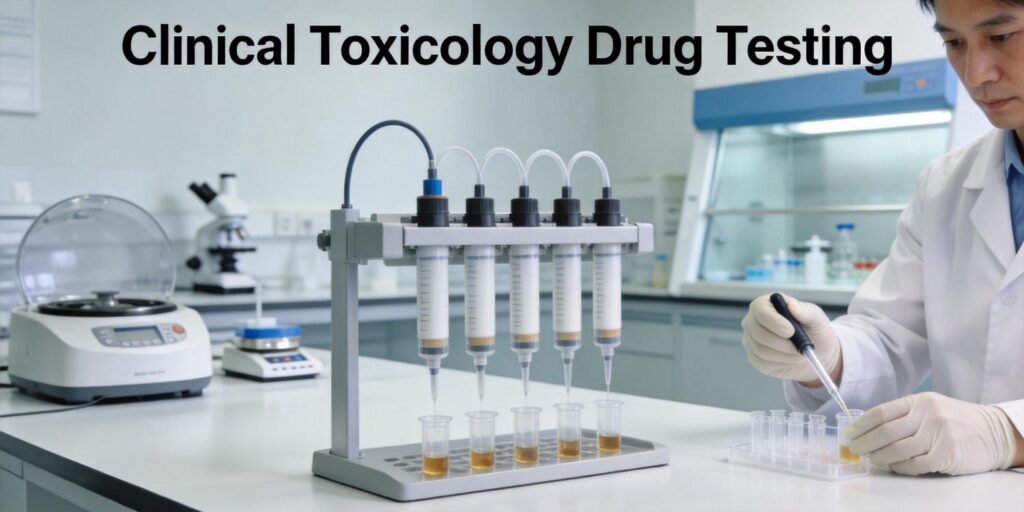
Clinical laboratories face significant challenges in steroid hormone analysis due to their low physiological concentrations (often in the ng/mL to pg/mL range) and complex serum matrix containing proteins, lipids, and salts that can interfere with analytical measurements. According to established literature, the primary functions of SPE in steroid hormone analysis are desalting of the sample and concentration of target analytes into a non-aqueous extract, with chromatography relied upon to separate derivatized corticosteroids from other co-extracted materials.
Sample Pretreatment and Protein Precipitation
Proper sample pretreatment is essential for successful steroid hormone extraction from human serum. The initial step typically involves protein precipitation to remove interfering macromolecules that could foul analytical instrumentation or cause ion suppression in mass spectrometry. Common precipitation agents include acetonitrile, methanol, or acetone, often combined with acidification to enhance protein denaturation.
Research demonstrates that simple protein precipitation with acetonitrile or another common solvent and application of the filtrate to the LC-MS system reduces the deleterious effect of unobserved co-analytes. The popular 96-well plate format SPE devices have been adapted to remove precipitated proteins from biosamples that do not require SPE clean-up, though in many cases it is still necessary to employ a typical full-scale LLE or SPE clean-up.
SPE Sorbent Selection for Steroid Hormones
The selection of appropriate SPE sorbents is paramount for efficient steroid hormone recovery. Steroids exhibit moderate to high hydrophobicity due to their fused ring structures, making reversed-phase sorbents particularly effective. C18 phases have demonstrated excellent recovery for anabolic steroids and corticosteroids, from which they may be eluted with dichloromethane, methanol, or ethyl acetate prior to derivatization and analysis by GC-MS or LC-MS.
Alternative SPE methods using silica cartridges allow more selective retention of corticosteroids, which are eluted by varying the ratio of dichloromethane (a wash solvent) and ethyl acetate (an elution solvent). Mixed-mode sorbents combining hydrophobic and cation exchange interactions have proven valuable for comprehensive screening approaches. For enhanced selectivity, immuno-affinity column chromatography has been reported as a method suitable for corticosteroid recovery prior to chromatographic analysis.
Conditioning and Loading Diluted Serum Samples
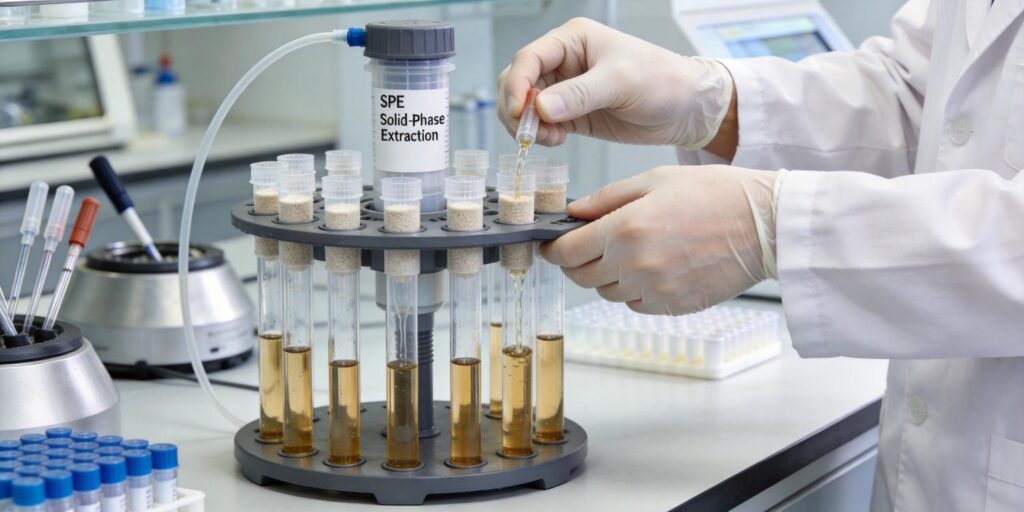
Proper conditioning of SPE cartridges ensures optimal interaction between the sorbent and target analytes. A typical conditioning sequence involves sequential washing with methanol followed by water or aqueous buffer. For steroid hormone extraction, conditioning with methanol then 0.1 M phosphate buffer (pH 6.0) has demonstrated excellent results.
Serum samples should be diluted with appropriate buffer (typically 1:4 to 1:10 dilution with 0.1 M phosphate buffer, pH 6.0) to reduce viscosity and matrix effects. The diluted sample should be loaded at controlled flow rates (1-3 mL/min) to ensure adequate interaction time between analytes and sorbent. Research indicates that recovery is inversely proportional to flow rate, making controlled loading essential for optimal extraction efficiency.
Washing to Remove Proteins and Salts
Effective washing steps remove residual proteins, salts, and polar interferences while retaining target steroid hormones on the sorbent. A typical washing protocol includes:
- Water wash to remove salts and polar contaminants
- 0.1 M acetic acid wash to remove basic interferences
- Methanol wash to remove moderately polar compounds
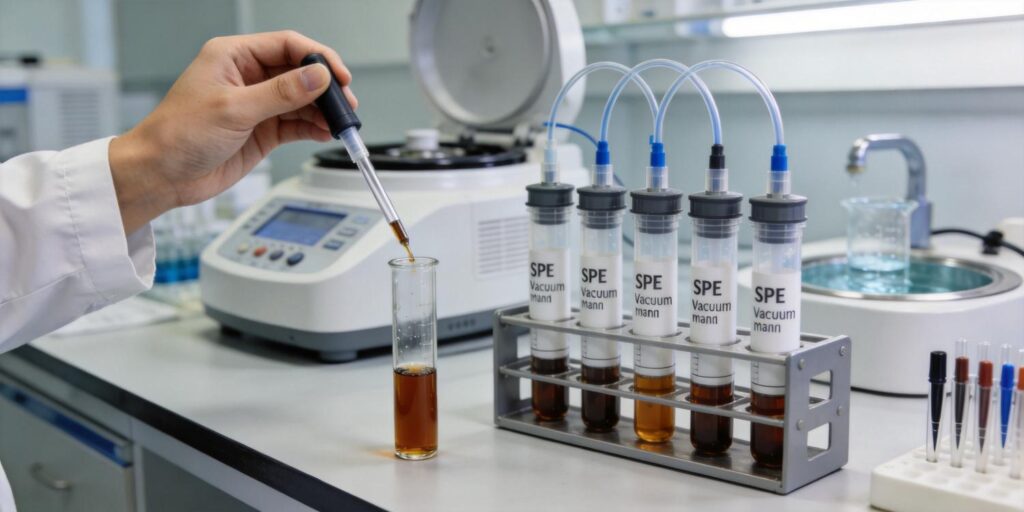
The cartridge should be dried thoroughly (5-10 minutes under vacuum) after washing to remove residual water before elution. This drying step is critical as residual water can dilute organic elution solvents and reduce extraction efficiency. The sensitivity to quenching of the ion source or other disruption of the MS fragmentation/ionization process means that it is important to eliminate proteins during the SPE stage, through the use of a buffer such as ammonium acetate.
Elution with Organic Solvent Mixtures
Steroid hormones require relatively strong elution solvents due to their hydrophobic nature. Common elution mixtures include:
- Methylene chloride/isopropyl alcohol/ammonium hydroxide (78:20:2)
- Ethyl acetate with 2% ammonium hydroxide
- Methanol or methanol/ethyl acetate mixtures
- Dichloromethane/methanol combinations
Elution using a pure organic solvent, without modifiers or buffer ions is desirable, just as it was for off-line LC-MS sample preparation. Consequently, polymers or sorbents which eliminate the need for modifiers or buffers (to disrupt secondary interactions) during elution are commonly encountered. The steroid fraction may be eluted directly with methanol for subsequent methanolysis in the presence of methanolic HCl, or further partitioned using Sephadex LH-20 chromatography.
LC-MS/MS Quantification of Hormones
Liquid chromatography-tandem mass spectrometry (LC-MS/MS) has become the gold standard for steroid hormone quantification due to its superior sensitivity, specificity, and ability to analyze multiple analytes simultaneously. The SPE extract is typically reconstituted in mobile phase compatible solvent (often acetonitrile/water mixtures) prior to injection.
Chromatographic separation is commonly achieved using reversed-phase C18 or C8 columns with gradient elution using water/acetonitrile or water/methanol mixtures, often with formic acid or ammonium acetate additives to enhance ionization. Multiple reaction monitoring (MRM) transitions provide specific detection for each steroid hormone, with deuterated internal standards compensating for matrix effects and recovery variations.
Research demonstrates that SPE-LC-MS has been successfully demonstrated in many papers, with the ability to achieve sensitivities of 50 pg/mL for sample sizes of only 200 μL using ion-spray MS/MS systems linked to auto-samplers and on-line SPE robots.
Analytical Method Validation
Comprehensive validation according to regulatory guidelines (CLSI, FDA, EMA) is essential for clinical steroid hormone methods. Key validation parameters include:
- Linearity and range: Typically covering physiological and pathological concentrations
- Accuracy and precision: Including within-run and between-run assessments
- Recovery: Comparison of extracted versus unextracted standards
- Matrix effects: Evaluation of ion suppression/enhancement using post-column infusion
- Selectivity: Demonstration of no interference from structurally similar compounds
- Stability: Assessment of analyte stability during sample processing and storage
- Lower limit of quantification: Determination of the lowest concentration measurable with acceptable precision and accuracy
The use of smaller particle size SPE sorbents and narrow-bore SPE devices would allow even greater sensitivity, as demonstrated in research where 30 μm sorbent packed in a 2 mm I.D. SPE cartridge yielded excellent results. Such sensitivities are of great importance in first human-subject trials for pharmaceuticals undergoing safety testing, where pharmacokinetics and toxicity need to be tested using the lowest possible drug dosage.
Conclusion
SPE isolation of steroid hormones from human serum represents a robust, reliable approach for clinical research applications. The method’s success depends on careful optimization of each step—from sample pretreatment through SPE conditions to LC-MS/MS analysis. By selecting appropriate sorbents, optimizing washing and elution conditions, and implementing rigorous validation protocols, laboratories can achieve the sensitivity, specificity, and reproducibility required for meaningful clinical research and diagnostic applications.
As analytical technologies continue to advance, SPE methods for steroid hormone analysis will likely evolve toward greater automation, miniaturization, and integration with analytical platforms. The fundamental principles outlined here, however, will remain essential for ensuring accurate, reliable quantification of these critical biomarkers in human serum.