Integration & Automation

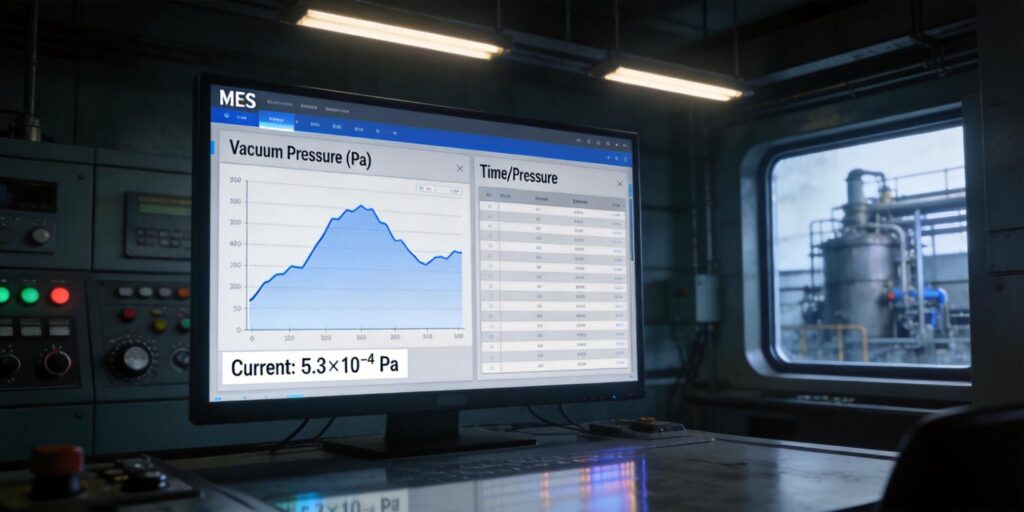
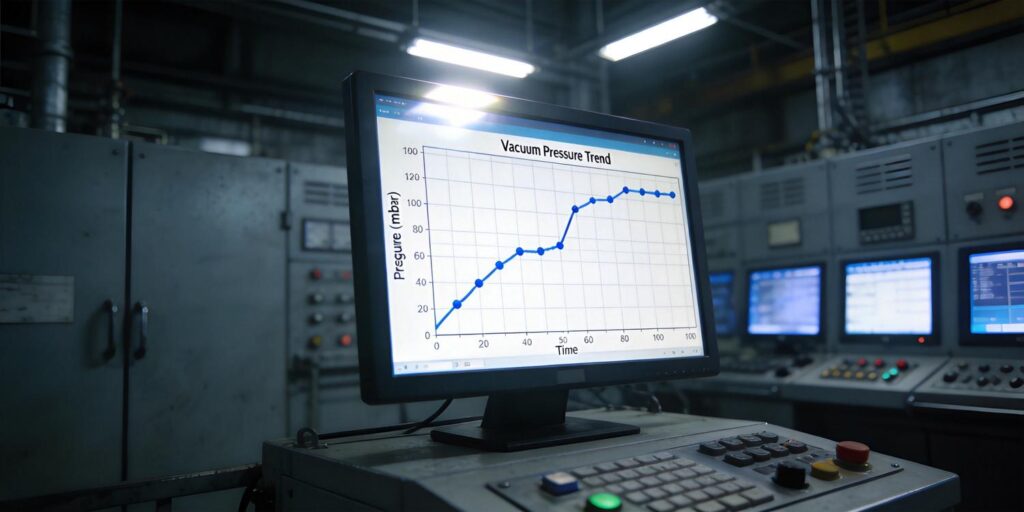
Pressure trend graph displayed from vacuum gauge data

Vacuum Gauge Data Logging for Quality Control Systems

Role of Pressure Data in Quality Control Systems In quality control systems for vacuum-dependent processes—such as thin-film deposition, heat treatment, and semiconductor manufacturing—pressure data serves as a critical parameter for ensuring product consistency, traceability, and compliance with standards like ISO 9001 and AS9100. Vacuum levels directly influence material properties: in coating applications, a 10 % […]

Vacuum Gauge Data Logging for Quality Control Systems Read More »

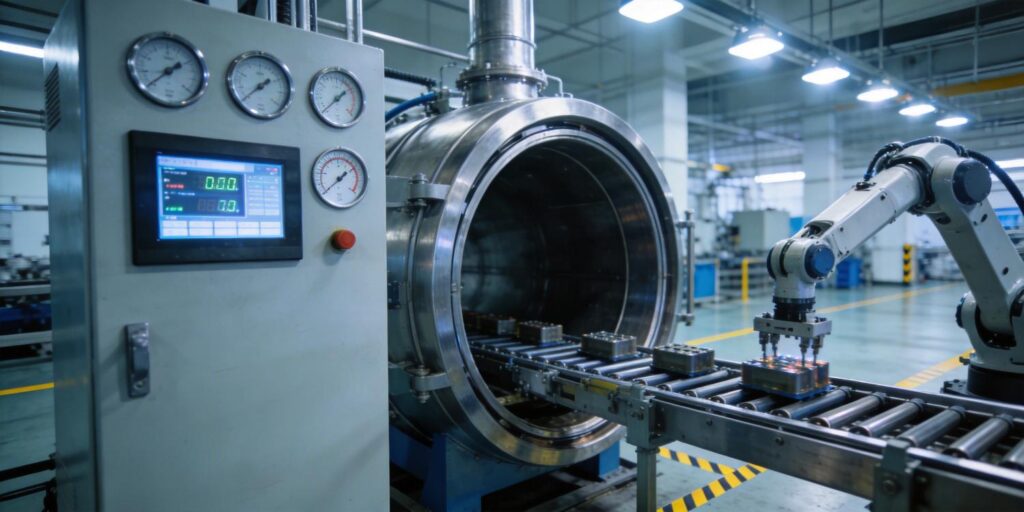
Vacuum gauge integrated into automated production line

Vacuum Gauge Performance in Automated Manufacturing Lines

Importance of Continuous Vacuum Monitoring in Automated Manufacturing Lines In high-volume automated manufacturing—semiconductor fabrication, thin-film deposition, vacuum heat treatment, and precision assembly—vacuum levels must remain within tight tolerances 24/7. A single undetected pressure excursion can trigger scrap, downtime, or out-of-spec parts that cascade through downstream stations. Continuous monitoring with dedicated vacuum gauges is therefore not

Vacuum Gauge Performance in Automated Manufacturing Lines Read More »

SCADA system displaying vacuum pressure readings

Vacuum Gauge Integration with SCADA Systems

Introduction SCADA systems have become the central nervous system of modern industrial vacuum processes. In semiconductor fabrication, PVD coating lines, vacuum furnaces, and pharmaceutical drying equipment, SCADA platforms collect, visualize, and act on pressure data in real time—driving automated sequences, triggering interlocks, and generating compliance reports. Without reliable integration of vacuum gauges into the SCADA

Vacuum Gauge Integration with SCADA Systems Read More »

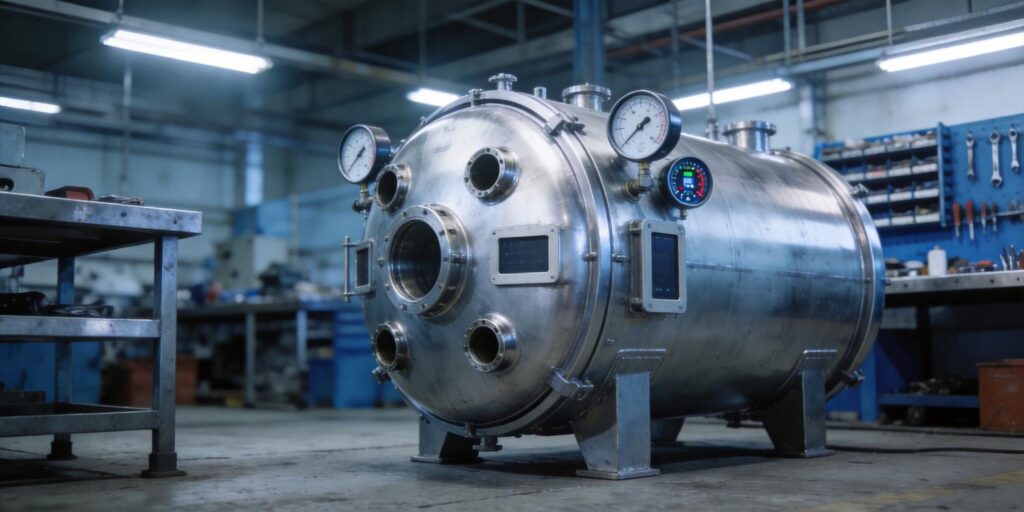
Vacuum gauge mounted at optimal position on industrial vacuum chamber

Vacuum Gauge Placement Strategy: Where Should You Install It?

Introduction The position of a vacuum gauge is just as critical as the gauge itself. A sensor placed in the wrong location can deliver misleading readings, slow response times, or miss critical pressure events—leading to pump damage, process drift, extended cycle times, or scrapped batches. In semiconductor load locks, PVD coaters, vacuum furnaces, and analytical

Vacuum Gauge Placement Strategy: Where Should You Install It? Read More »

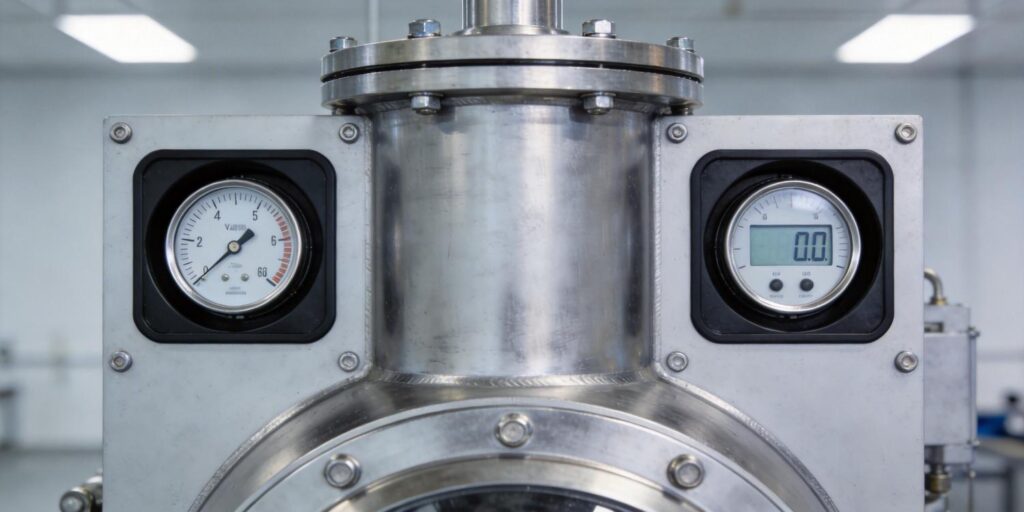
Multiple vacuum gauges installed across industrial vacuum system

Designing a Reliable Vacuum Monitoring System

Introduction A reliable vacuum monitoring system is the backbone of consistent process performance in semiconductor fabrication, physical vapor deposition (PVD), vacuum heat treatment, and analytical instrumentation. Pressure data must be accurate, continuous, and immediately actionable—feeding interlocks, trending, and closed-loop control without gaps or false alarms. Poor architecture leads to pump damage, scrap, extended downtime, and

Designing a Reliable Vacuum Monitoring System Read More »

RS232 cable connected to vacuum transmitter in laboratory

Integrating RS232 Vacuum Transmitters into Data Logging Systems

Introduction Modern vacuum systems generate massive amounts of pressure data that must be captured, logged, and analyzed for process optimization, traceability, and predictive maintenance. RS232 remains one of the most reliable, low-cost, and universally supported interfaces for vacuum transmitters, especially in laboratory and light-industrial environments. The Poseidon Scientific VG-SP205 Pirani Vacuum Transmitter delivers native RS232

Integrating RS232 Vacuum Transmitters into Data Logging Systems Read More »

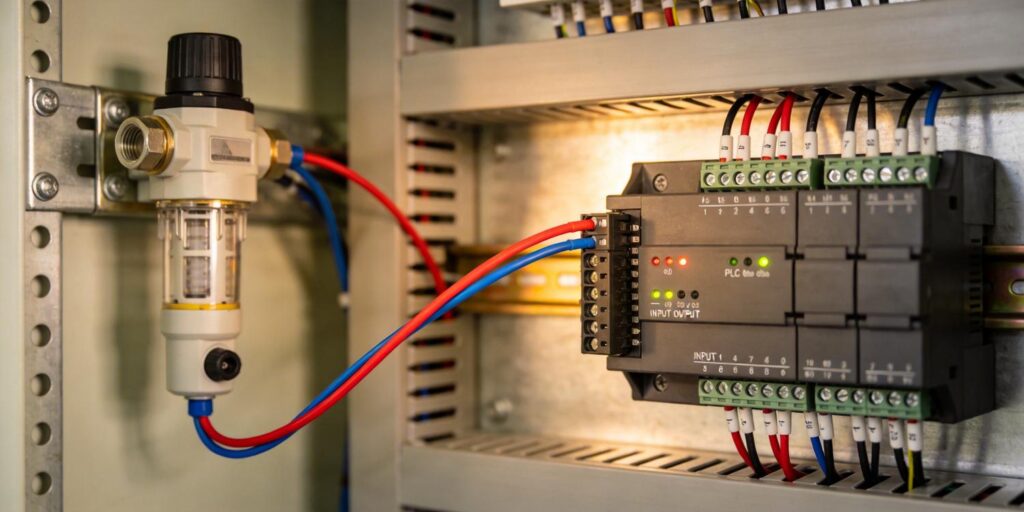
Vacuum gauge wired to PLC control panel in factory

How to Integrate Vacuum Gauges with PLC and Automation Systems

Introduction Modern industrial vacuum systems rarely operate in isolation. Whether controlling a semiconductor load lock, a PVD coater, or a vacuum furnace, engineers integrate vacuum gauges directly into PLCs, SCADA systems, or Industry 4.0 platforms to enable closed-loop pressure control, automated pump-down sequences, interlocks, and real-time data logging. A poorly integrated gauge can introduce noise,

How to Integrate Vacuum Gauges with PLC and Automation Systems Read More »

Shopping Cart
Poseidon Scientific
Privacy Overview

This website uses cookies so that we can provide you with the best user experience possible. Cookie information is stored in your browser and performs functions such as recognising you when you return to our website and helping our team to understand which sections of the website you find most interesting and useful.