Vacuum Gauge

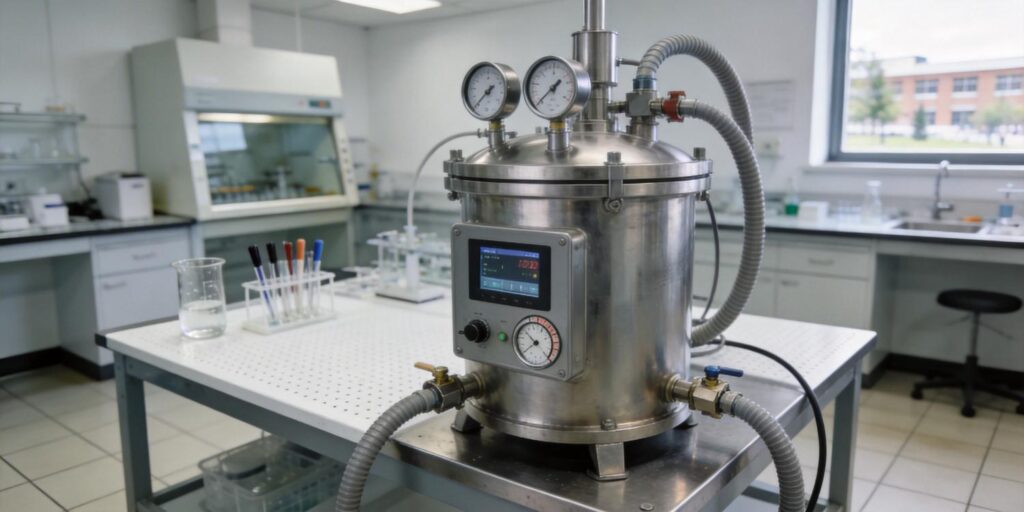
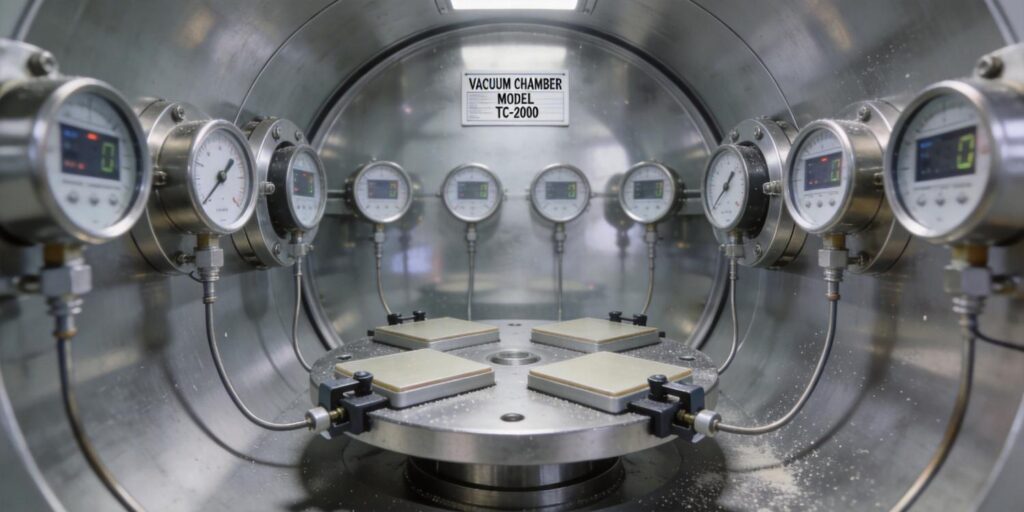
Cold cathode vacuum gauge installed on optical coating chamber

Improving High Vacuum Stability in Optical Coating Applications

Improving High Vacuum Stability in Optical Coating Applications Optical coating processes—whether for anti-reflective layers on lenses, high-reflectivity mirrors, or precision filters—demand exceptional vacuum stability in the 10⁻⁴ to 10⁻⁷ Torr range. Even small pressure excursions can alter mean free path, deposition rate, and film stoichiometry, resulting in wavelength shifts, reduced durability, or increased scatter. Engineers […]

Improving High Vacuum Stability in Optical Coating Applications Read More »

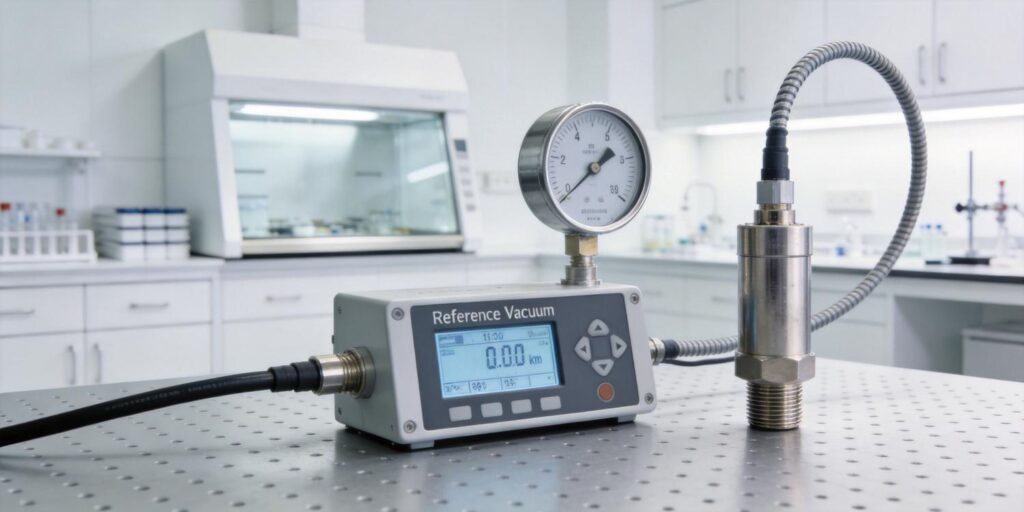
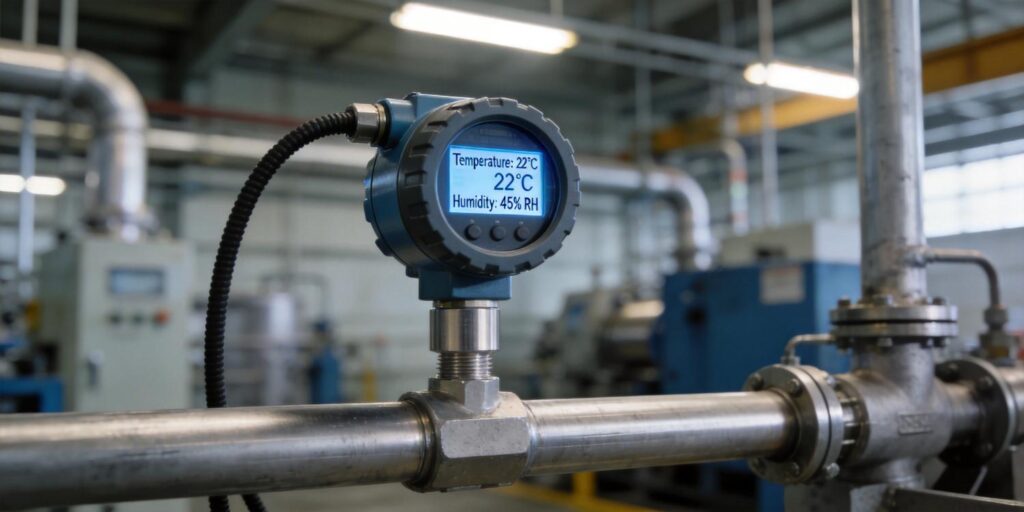
Pirani vacuum transmitter connected to vacuum system with gas supply cylinders

How Gas Composition Influences Pirani Gauge Accuracy

How Gas Composition Influences Pirani Gauge Accuracy In vacuum systems ranging from analytical instruments to industrial coating lines, Pirani gauges provide essential pressure data in the rough-to-medium vacuum regime. The VG-SP205 Pirani Vacuum Transmitter from Poseidon Scientific, which we designed for reliable operation from atmosphere down to 10⁻³ Torr, exemplifies modern engineering optimized for cost,

How Gas Composition Influences Pirani Gauge Accuracy Read More »

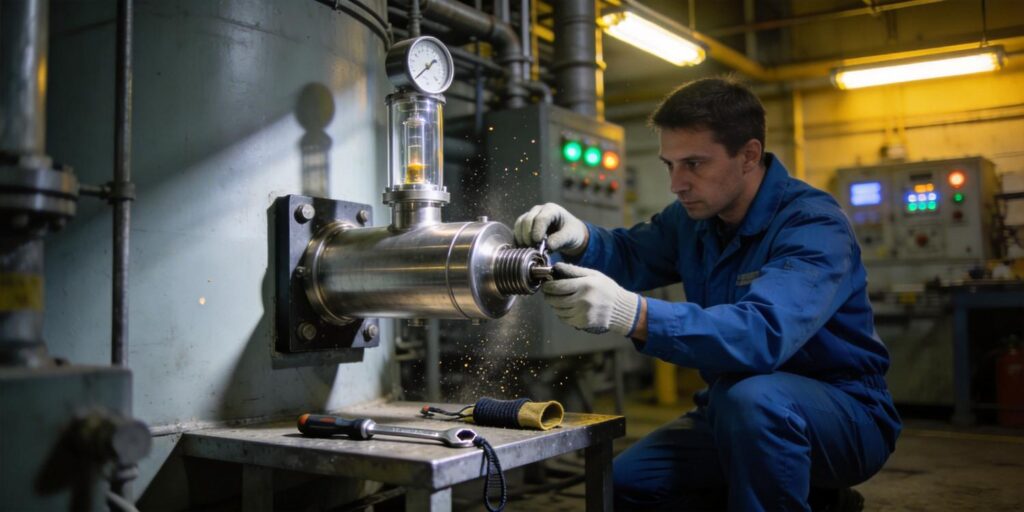
Vacuum gauges monitoring pressure in roll-to-roll coating equipment

Optimizing Vacuum Measurement in Roll-to-Roll Coating Systems

Optimizing Vacuum Measurement in Roll-to-Roll Coating Systems Roll-to-roll (R2R) coating systems demand precise vacuum control to ensure uniform thin-film deposition across continuous flexible substrates. Whether using physical vapor deposition (PVD), chemical vapor deposition (CVD), or sputtering processes, even minor pressure variations can lead to defects such as pinholes, uneven thickness, or poor adhesion. Effective vacuum

Optimizing Vacuum Measurement in Roll-to-Roll Coating Systems Read More »

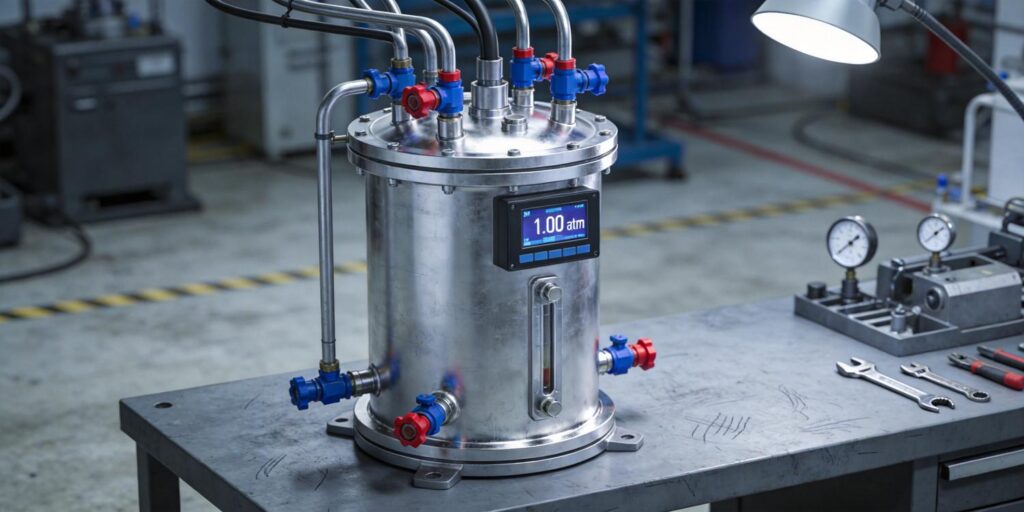
Vacuum gauges installed on a large industrial stainless steel chamber

How to Size Vacuum Gauges for Large Industrial Chambers

How to Size Vacuum Gauges for Large Industrial Chambers Large industrial vacuum chambers—whether for vacuum heat treatment furnaces, large-scale PVD coaters, aerospace simulation vessels, or semiconductor batch tools—present unique sizing challenges. Chamber volumes often exceed 1 m³, conductance paths are long, and pump-down times must be minimized without compromising measurement accuracy. Incorrect gauge selection or

How to Size Vacuum Gauges for Large Industrial Chambers Read More »

Vacuum gauges operating on continuous industrial production system

Evaluating Vacuum Gauge Lifetime in Continuous Production Lines

Evaluating Vacuum Gauge Lifetime in Continuous Production Lines In 24/7 manufacturing environments—semiconductor fabs, vacuum heat-treatment lines, thin-film deposition tools, and mass-spectrometry production suites—vacuum gauges operate under unrelenting stress. A single gauge failure can halt an entire production tool, generate scrap, and incur thousands in lost output per hour. Poseidon Scientific’s VG-SP205 Pirani Vacuum Transmitter and

Evaluating Vacuum Gauge Lifetime in Continuous Production Lines Read More »

Vacuum gauges stored as spare parts in manufacturing warehouse

How to Plan Vacuum Gauge Inventory for Manufacturing Plants

How to Plan Vacuum Gauge Inventory for Manufacturing Plants Effective vacuum gauge inventory planning is essential for maintaining uptime in semiconductor tools, vacuum heat-treatment furnaces, mass-spectrometry lines, and thin-film deposition systems. Unexpected gauge failure can halt production, trigger scrap, or force emergency purchases at premium prices. Poseidon Scientific’s VG-SP205 Pirani Vacuum Transmitter and VG-SM225 Cold

How to Plan Vacuum Gauge Inventory for Manufacturing Plants Read More »

Cold cathode vacuum gauge installed on magnetron sputtering chamber

Cold Cathode Gauge Performance in Magnetron Sputtering Processes

Cold Cathode Gauge Performance in Magnetron Sputtering Processes Magnetron sputtering is the dominant physical vapor deposition technique for producing high-quality thin films in semiconductor interconnects, optical coatings, hard-disk media, and decorative finishes. The process demands precise, stable chamber pressure control—typically in the 10⁻³ to 10⁻² Torr range—while tolerating intense plasma, magnetic fields, and reactive gas

Cold Cathode Gauge Performance in Magnetron Sputtering Processes Read More »

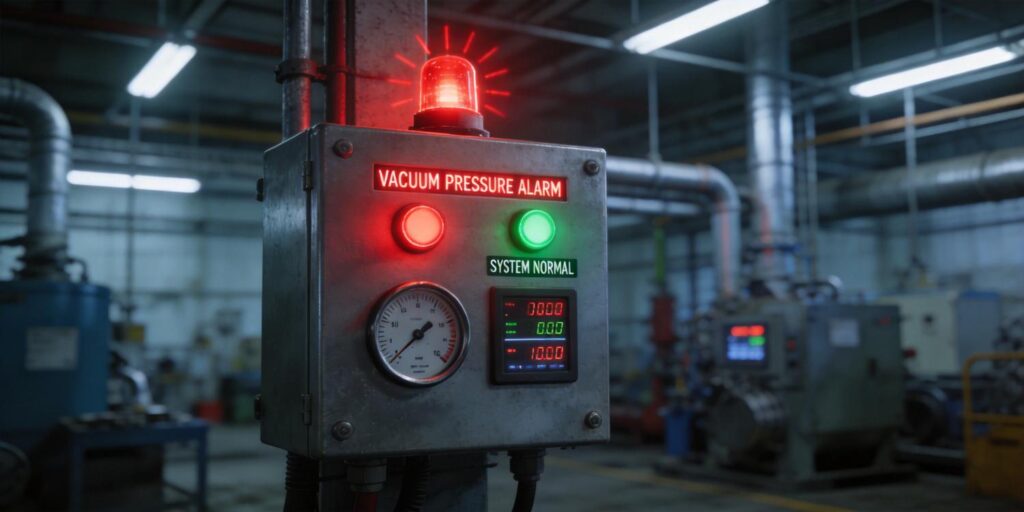
Vacuum controller display showing different pressure units

Understanding Pressure Units in Vacuum Measurement (mbar Torr Pa)

Understanding Pressure Units in Vacuum Measurement (mbar, Torr, Pa) Vacuum measurement underpins countless industrial and scientific processes, from semiconductor fabrication and thin-film deposition to vacuum heat treatment and mass spectrometry. Yet one of the most frequent sources of confusion for engineers and procurement teams is the bewildering array of pressure units: millibar (mbar), Torr, and

Understanding Pressure Units in Vacuum Measurement (mbar Torr Pa) Read More »

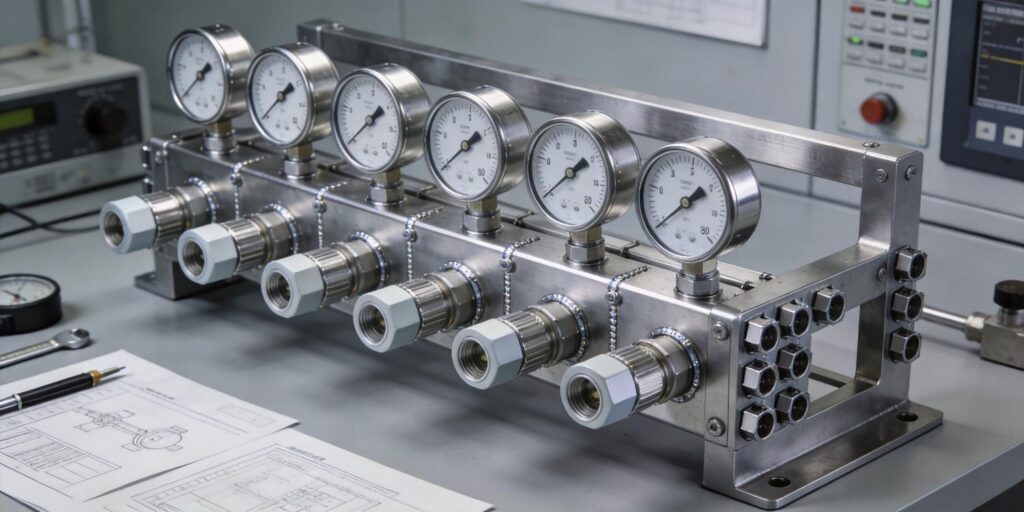
Multiple vacuum pressure sensors installed for redundancy

Designing Vacuum Systems with Redundant Pressure Sensors

Designing Vacuum Systems with Redundant Pressure Sensors In high-stakes vacuum applications, a single pressure sensor failure can trigger process interruption, product scrap, or safety hazards. Redundant pressure monitoring—using multiple independent sensors with voting logic—has become standard practice in semiconductor fabs, vacuum heat-treatment lines, mass-spectrometry suites, and aerospace simulation chambers. Poseidon Scientific’s VG-SP205 Pirani Vacuum Transmitter

Designing Vacuum Systems with Redundant Pressure Sensors Read More »

Pirani vacuum gauge installed on roughing pump line

Why Accurate Rough Vacuum Monitoring Improves Pump Protection

Why Accurate Rough Vacuum Monitoring Improves Pump Protection In industrial vacuum systems—whether supporting semiconductor tools, vacuum heat-treatment furnaces, mass spectrometers, or large-scale coating chambers—roughing pumps represent a major capital investment and a frequent source of unplanned downtime. Rotary-vane, scroll, and dry roughing pumps must repeatedly cycle from atmosphere down to the crossover pressure (typically 0.1–10

Why Accurate Rough Vacuum Monitoring Improves Pump Protection Read More »

Shopping Cart
Poseidon Scientific
Privacy Overview

This website uses cookies so that we can provide you with the best user experience possible. Cookie information is stored in your browser and performs functions such as recognising you when you return to our website and helping our team to understand which sections of the website you find most interesting and useful.