Vacuum Gauge

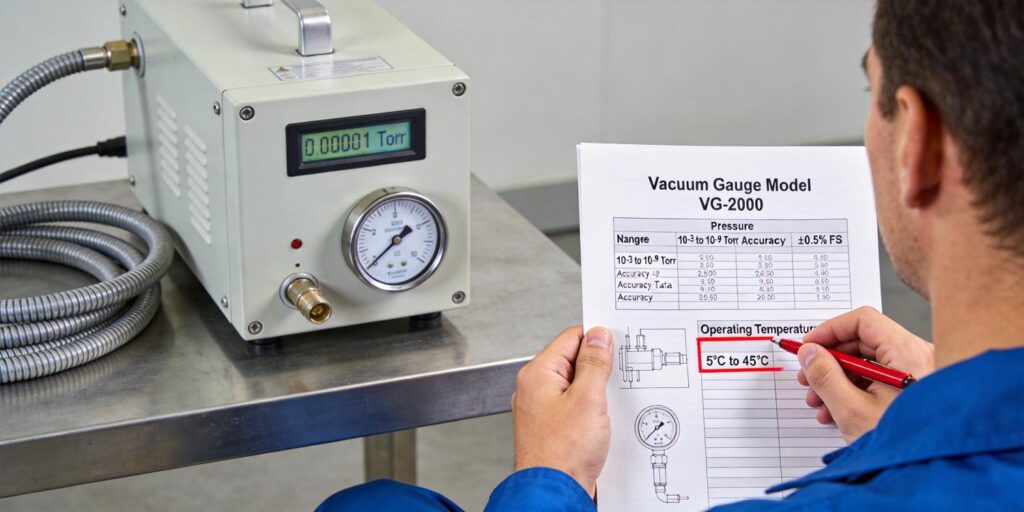
Engineer reviewing vacuum pressure data beside installed gauge

Understanding Vacuum Gauge Measurement Uncertainty

In vacuum systems for mass spectrometry, pharmaceutical freeze-drying, scanning electron microscopy, and industrial heat treatment, pressure is rarely a single fixed value—it is a measurement with inherent doubt. Engineers and procurement teams often ask: how much can I trust the number on the display? The difference between a gauge’s stated accuracy and its real-world measurement […]

Understanding Vacuum Gauge Measurement Uncertainty Read More »
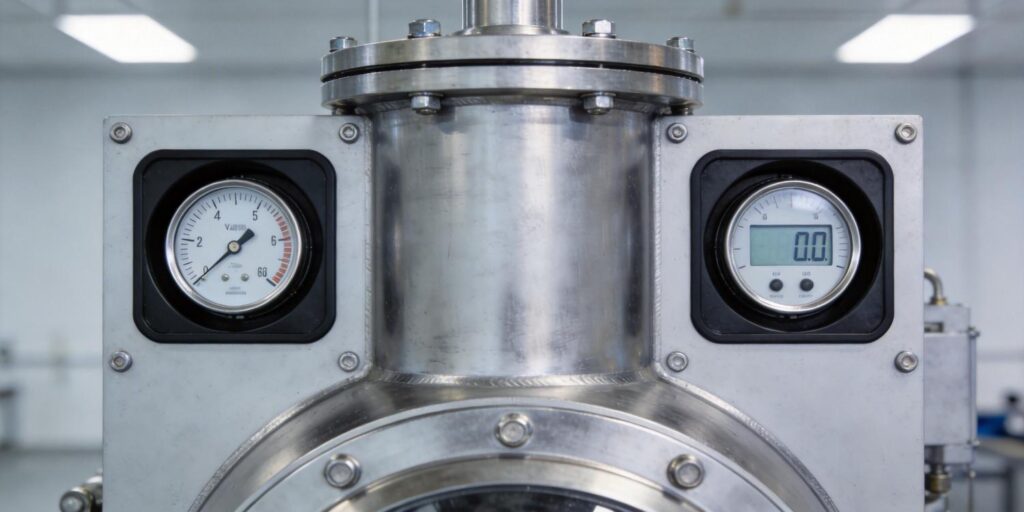
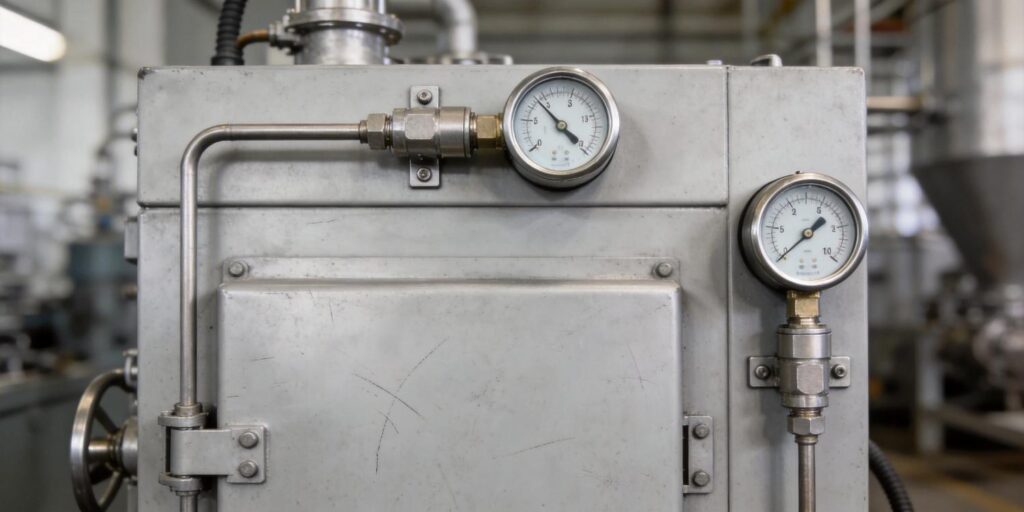
Two vacuum gauges installed on industrial chamber for redundancy

Why Dual Vacuum Gauge Systems Improve Reliability

In vacuum-dependent processes such as mass spectrometry, pharmaceutical freeze-drying, scanning electron microscopy, and multi-zone heat treatment, a single pressure reading can determine whether a batch succeeds or fails. Yet many systems still rely on one gauge to monitor the entire range from atmosphere to 10⁻⁷ Torr. This creates a classic single point of failure: if

Why Dual Vacuum Gauge Systems Improve Reliability Read More »

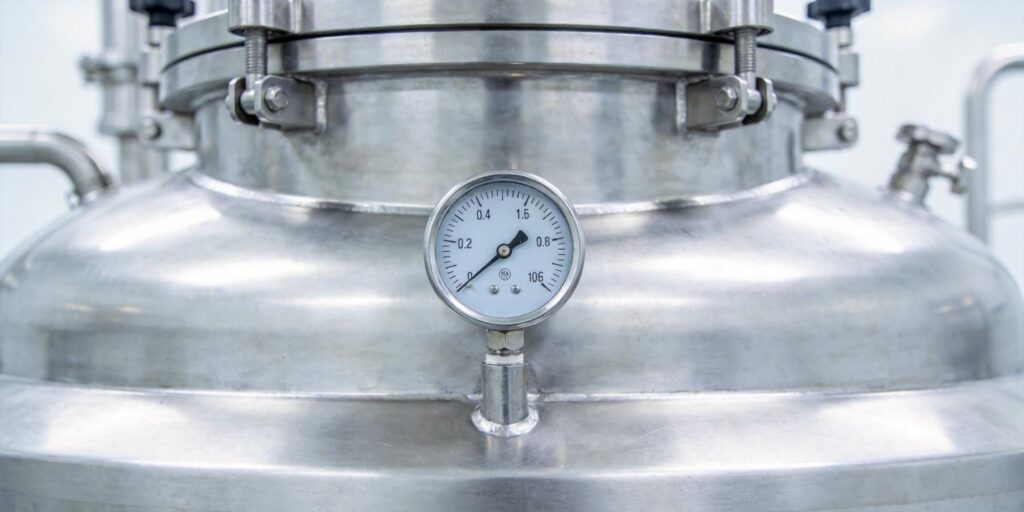
Vacuum gauge mounted on pharmaceutical freeze dryer chamber

Vacuum Gauge Selection for Pharmaceutical Freeze Drying Systems

In pharmaceutical freeze-drying (lyophilization) systems, vacuum is the critical process variable that controls sublimation rate, product temperature, and final moisture content. A collapsed cake, excessive residual moisture, or batch rejection can result from even minor pressure deviations. Yet many systems still rely on a single-gauge approach that forces compromises in range, response, or contamination resistance.

Vacuum Gauge Selection for Pharmaceutical Freeze Drying Systems Read More »

Engineer comparing vacuum gauge specifications

Cost vs Performance: Selecting the Right Vacuum Gauge

Engineers and procurement professionals in vacuum-dependent industries face a recurring dilemma: premium imported gauges promise top-tier performance but carry premium price tags, while budget options often compromise reliability or require frequent replacements. At Poseidon Scientific, we designed the VG-SP205 Pirani Vacuum Transmitter and VG-SM225 Cold Cathode Vacuum Gauge specifically to resolve this tension—delivering full-range vacuum

Cost vs Performance: Selecting the Right Vacuum Gauge Read More »

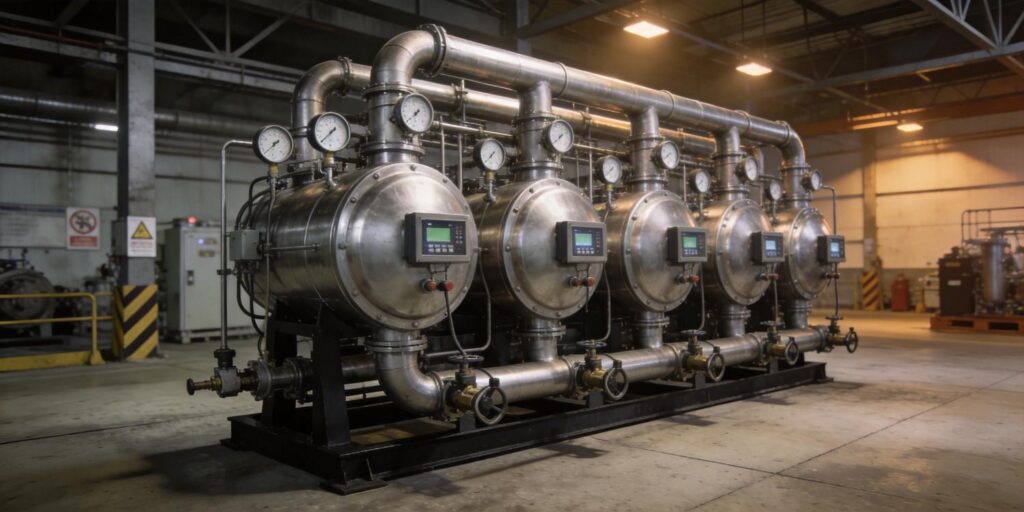
Multiple vacuum gauges across industrial multi-chamber system

Vacuum Measurement Strategy for Multi-Chamber Systems

In multi-chamber vacuum systems—whether load-locked PVD coaters, multi-stage mass spectrometers, or vacuum heat-treatment furnaces—pressure varies dramatically from atmosphere in the load lock to high vacuum in the process chamber. A single-gauge approach quickly fails: Pirani sensors lose accuracy below 10⁻³ Torr, while cold-cathode gauges cannot start or survive exposure to atmosphere. Poseidon Scientific’s complementary pair—the

Vacuum Measurement Strategy for Multi-Chamber Systems Read More »

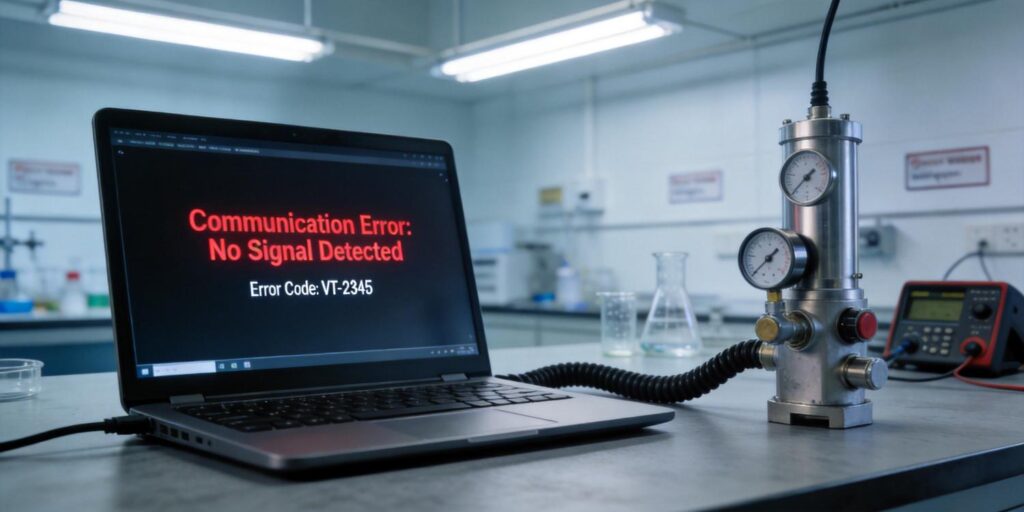
Laptop connected to RS232 vacuum transmitter

Digital Communication Errors in Vacuum Transmitters

In high-vacuum systems such as mass spectrometers, scanning electron microscopes, and vacuum heat-treatment furnaces, precise pressure data must reach the control system without interruption. Poseidon Scientific’s VG-SP205 Pirani Vacuum Transmitter and VG-SM225 Cold Cathode Vacuum Gauge deliver both analog (0–10 V) and digital RS232 outputs, giving engineers flexible integration options. When digital communication is chosen,

Digital Communication Errors in Vacuum Transmitters Read More »

Vacuum gauge mounted in different orientations on chamber

Vacuum Gauge Mounting Orientation: Does It Matter?

Installation Direction Guidelines Vacuum gauge mounting orientation is one of the most frequently asked questions during system integration. Engineers want to know whether gravity, gas flow, or magnetic fields will affect readings. The short answer for Poseidon Scientific’s gauges is straightforward: orientation does not matter. Both the VG-SP205 Pirani Vacuum Transmitter and the VG-SM225 Cold

Vacuum Gauge Mounting Orientation: Does It Matter? Read More »

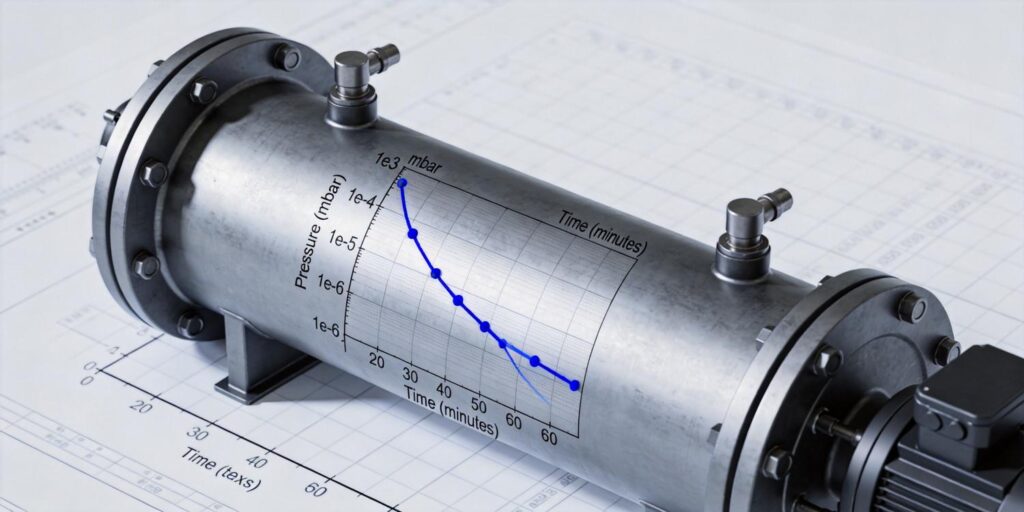
Pump-down curve graph associated with vacuum chamber

How to Optimize Pump-Down Time with Proper Vacuum Measurement

Define Pump-Down Curve The pump-down curve is the fundamental performance signature of any vacuum system. It plots chamber pressure (typically in Torr or Pa) against time, starting at atmosphere (760 Torr) and descending toward the system’s ultimate base pressure. In practice, the curve reveals three distinct regimes: viscous flow (high pressure, rapid gas removal), transitional

How to Optimize Pump-Down Time with Proper Vacuum Measurement Read More »

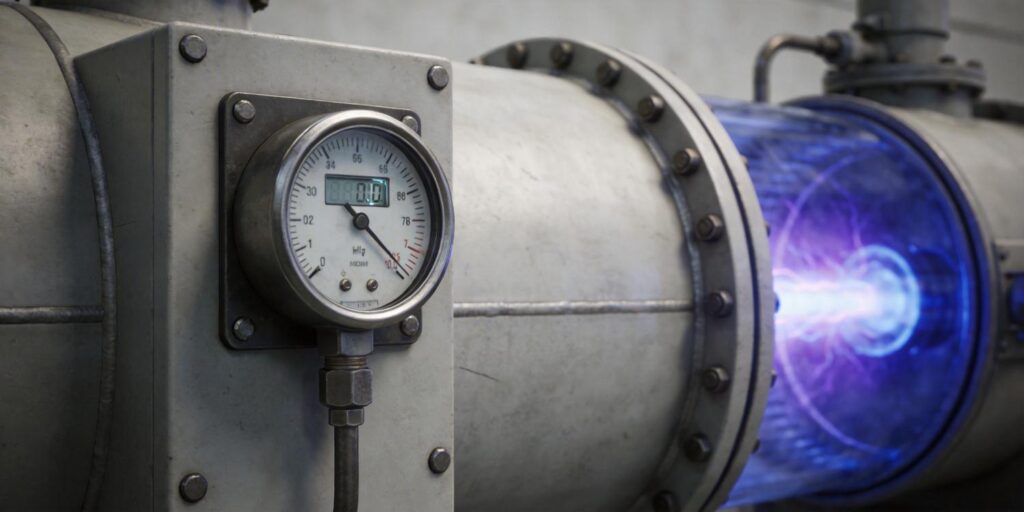
Vacuum gauge attached to plasma processing chamber

Vacuum Monitoring in Plasma Processing Equipment

Plasma Chamber Pressure Stages In plasma processing equipment—whether for reactive ion etching, physical vapor deposition (PVD), chemical vapor deposition (CVD), or atomic layer deposition (ALD)—the vacuum system progresses through distinct pressure stages. Each stage demands accurate, real-time monitoring to ensure process stability, repeatability, and equipment protection. The first stage is rough vacuum pump-down, from atmosphere

Vacuum Monitoring in Plasma Processing Equipment Read More »

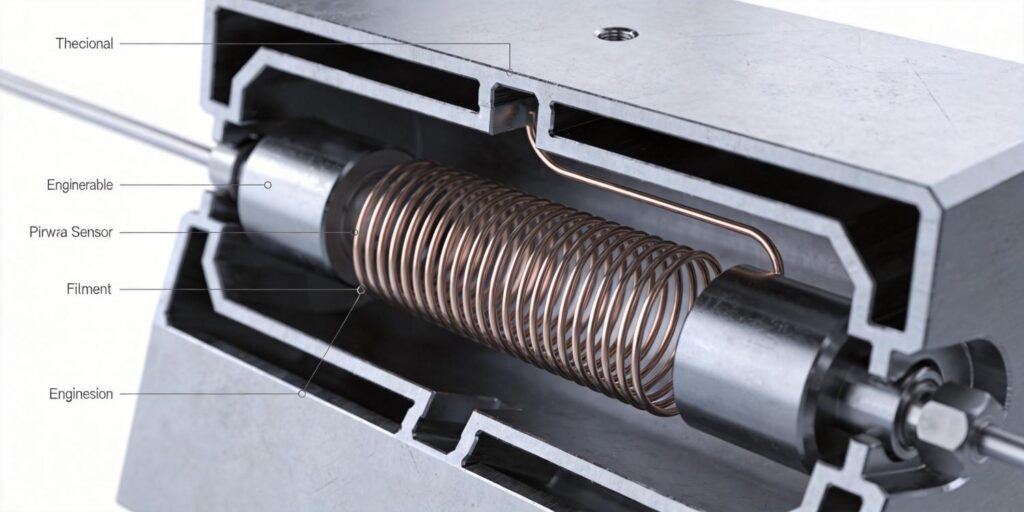
Internal filament of thermostatic Pirani vacuum gauge

Comparing Thermostatic Pirani vs Traditional Pirani Gauges

Constant Temperature Advantage in Pirani Vacuum Gauges In vacuum measurement for thin-film deposition, heat treatment, packaging lines, and analytical instruments, Pirani gauges remain the workhorse for the rough-to-medium vacuum range (atmosphere to 10−3 Torr). Two fundamental operating modes exist: traditional constant-current designs and modern thermostatic (constant-temperature) designs. The Poseidon Scientific VG-SP205 Pirani Vacuum Transmitter belongs

Comparing Thermostatic Pirani vs Traditional Pirani Gauges Read More »

Shopping Cart
Poseidon Scientific
Privacy Overview

This website uses cookies so that we can provide you with the best user experience possible. Cookie information is stored in your browser and performs functions such as recognising you when you return to our website and helping our team to understand which sections of the website you find most interesting and useful.