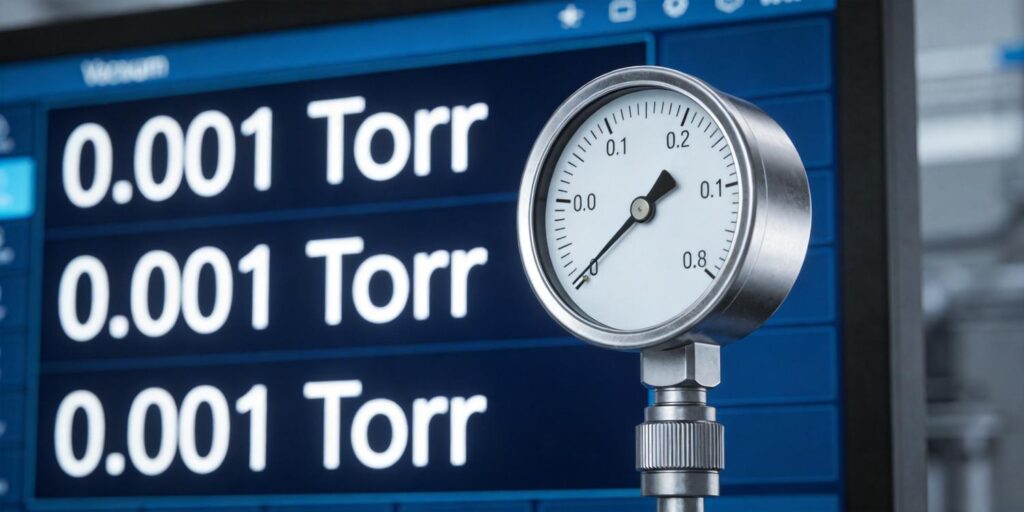
Vacuum Gauge

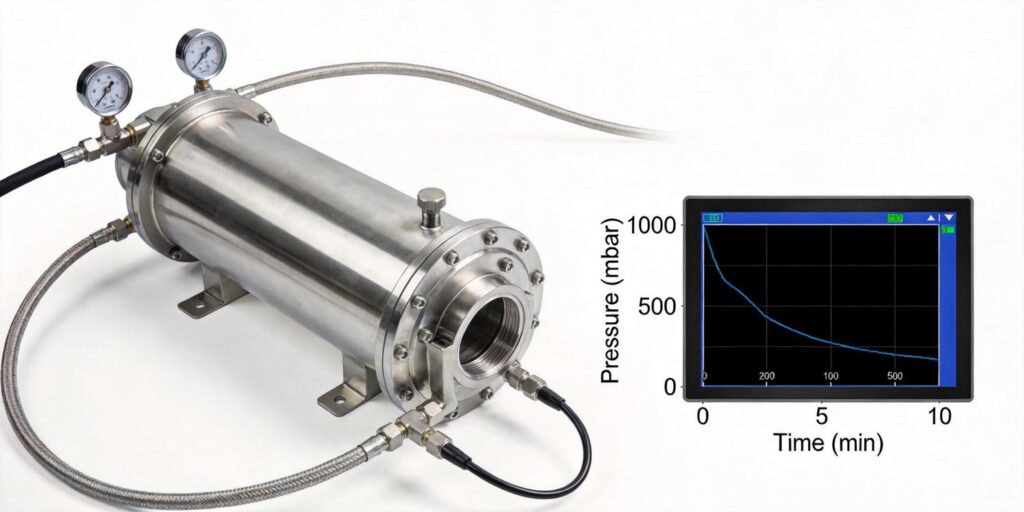
Vacuum gauge showing consistent repeated pressure readings

Understanding Measurement Repeatability in Vacuum Gauges

Definition of Repeatability Repeatability in vacuum gauges refers to the ability of an instrument to produce the same pressure reading under identical conditions over multiple measurements. It quantifies the consistency of the output signal when the same input pressure, temperature, and gas composition are applied repeatedly. For process engineers and procurement teams evaluating vacuum instrumentation, […]

Understanding Measurement Repeatability in Vacuum Gauges Read More »
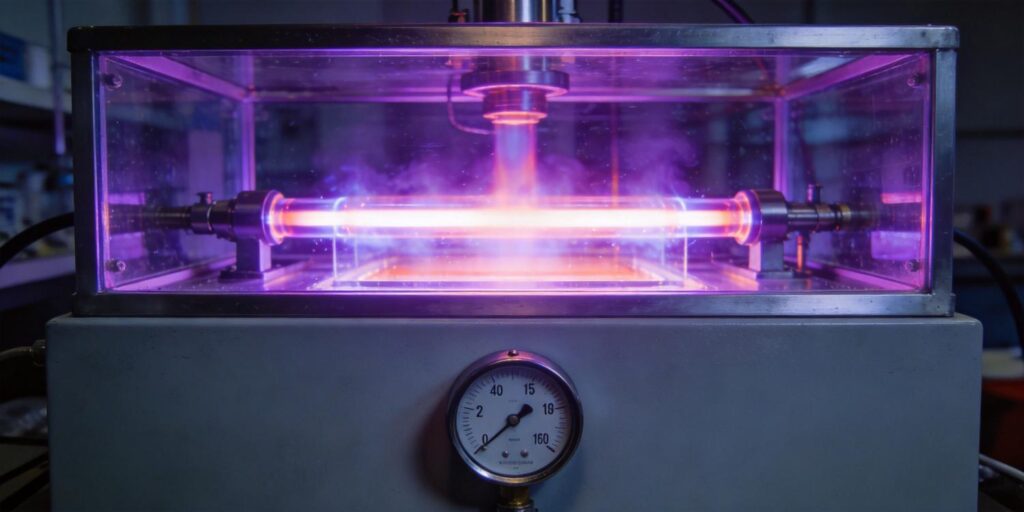
Vacuum gauge mounted on plasma cleaning chamber

Vacuum Monitoring in Plasma Cleaning Systems

Plasma Cleaning Process Overview Plasma cleaning is a highly effective, dry process used to remove organic contaminants, oxides, and particulates from surfaces prior to bonding, coating, or assembly. In semiconductor fabrication, medical-device manufacturing, optics, and aerospace applications, plasma cleaning ensures superior adhesion and cleanliness without the use of hazardous solvents. The typical cycle begins with

Vacuum Monitoring in Plasma Cleaning Systems Read More »

Vacuum gauge installed on isolated chamber during leak test

Improving Leak Detection Sensitivity with Proper Gauge Placement

Pressure Rise Test Methodology The pressure rise test is one of the most sensitive and widely used methods for detecting leaks in vacuum systems. After the chamber reaches a stable base pressure, the pump is isolated (typically with a valve) and the rate of pressure increase is monitored over time. Any real leak—whether from seals,

Improving Leak Detection Sensitivity with Proper Gauge Placement Read More »

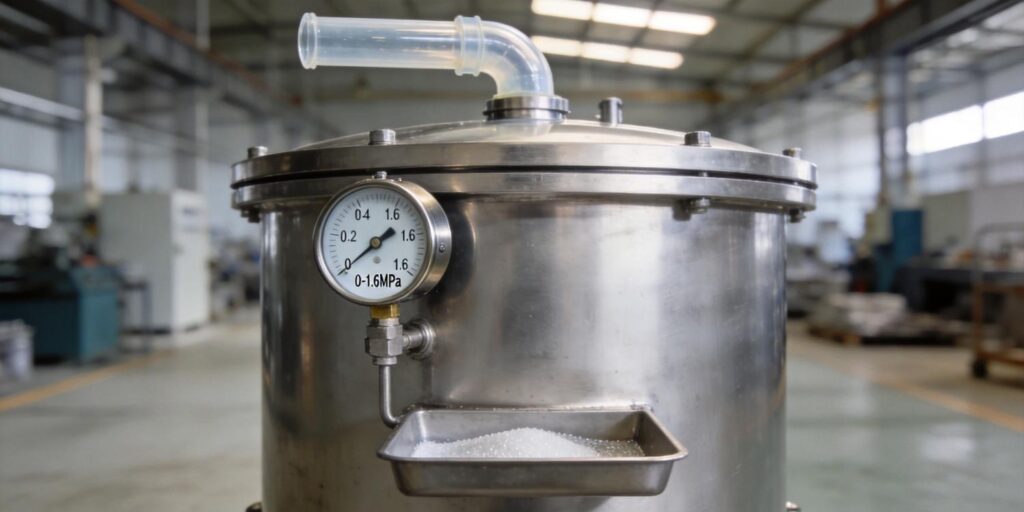
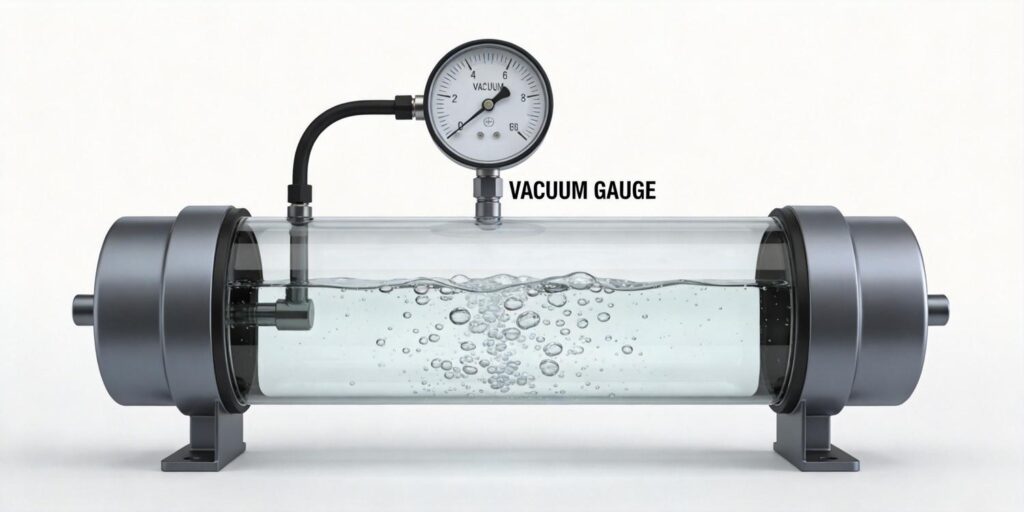
Vacuum gauge mounted on resin impregnation tank

Vacuum Gauge Selection for Vacuum Impregnation Systems

Vacuum Impregnation Process Overview Vacuum impregnation is a critical manufacturing step used to fill microscopic voids, pores, and cracks in castings, windings, and composite parts with insulating resins or sealants. The process begins by placing the workpiece in a sealed chamber, evacuating air and moisture, then introducing low-viscosity resin under vacuum or pressure to ensure

Vacuum Gauge Selection for Vacuum Impregnation Systems Read More »

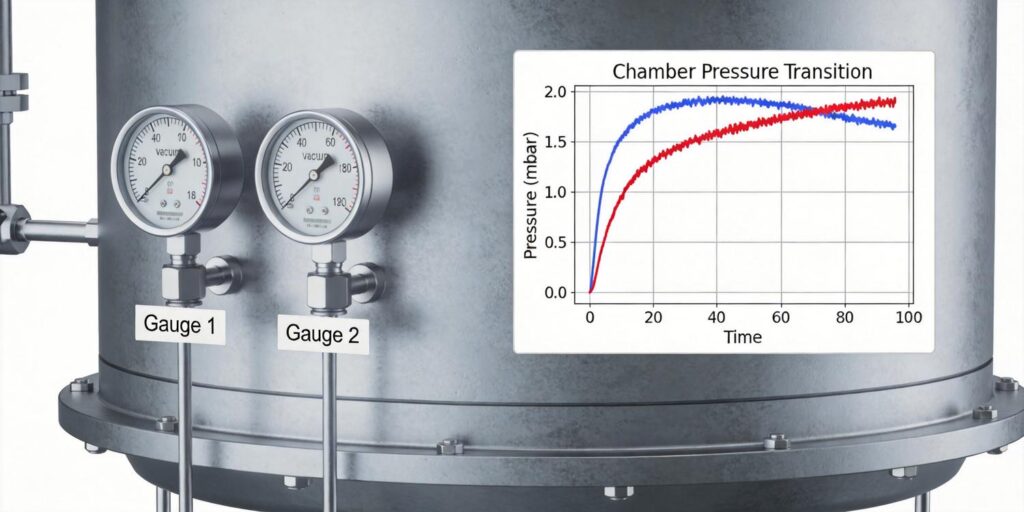
Dual vacuum gauges showing pressure transition on chamber

How to Transition from Pirani to Cold Cathode Measurement Smoothly

Understanding the Overlap Pressure Range Vacuum systems rarely operate in a single pressure regime. Most pump-down cycles begin at atmosphere and must reach high vacuum, creating a natural transition zone where both Pirani and cold-cathode technologies can provide valid data. Poseidon Scientific’s VG-SP205 Pirani Vacuum Transmitter is optimized for atmospheric pressure down to 10⁻³ Torr,

How to Transition from Pirani to Cold Cathode Measurement Smoothly Read More »

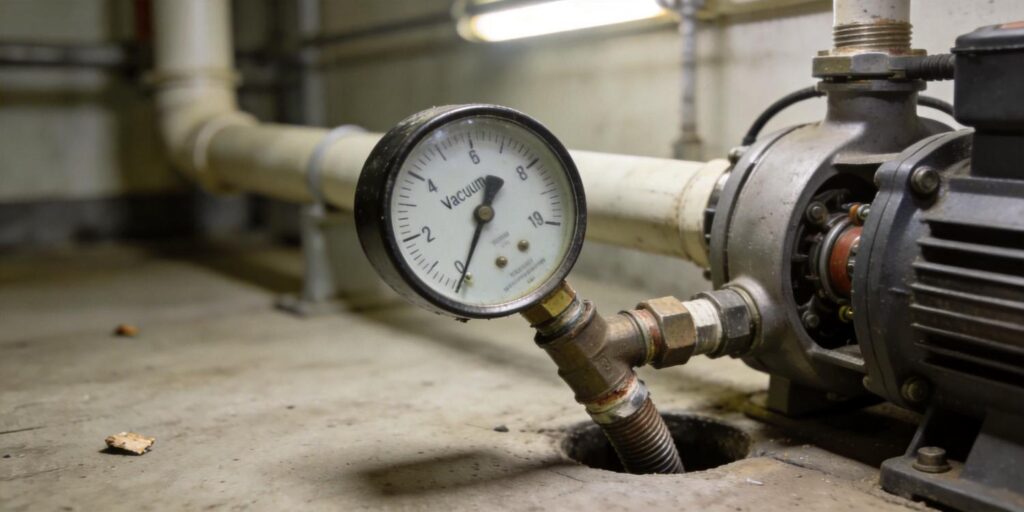
Vacuum gauge mounted too close to vacuum pump outlet

Common Installation Mistakes That Affect Vacuum Accuracy

Mounting Near Pump Outlet One of the most frequent installation errors is placing the vacuum gauge too close to the pump inlet or outlet. Turbulent flow, oil mist (in rotary vane systems), or sudden pressure pulses create local pressure gradients that do not represent true chamber conditions. In practice, readings can be artificially high or

Common Installation Mistakes That Affect Vacuum Accuracy Read More »

Vacuum gauge installed on degassing vacuum chamber

Vacuum Gauge Selection for Vacuum Degassing Systems

Degassing Process Overview Vacuum degassing removes dissolved gases, trapped air, moisture, and volatile compounds from liquids such as epoxy resins, polyurethane, silicone, and transformer oils. In electronics encapsulation, composite manufacturing, and adhesive formulation, even microscopic bubbles can cause voids, reduced dielectric strength, or mechanical failure after curing. The process typically begins by placing the material

Vacuum Gauge Selection for Vacuum Degassing Systems Read More »

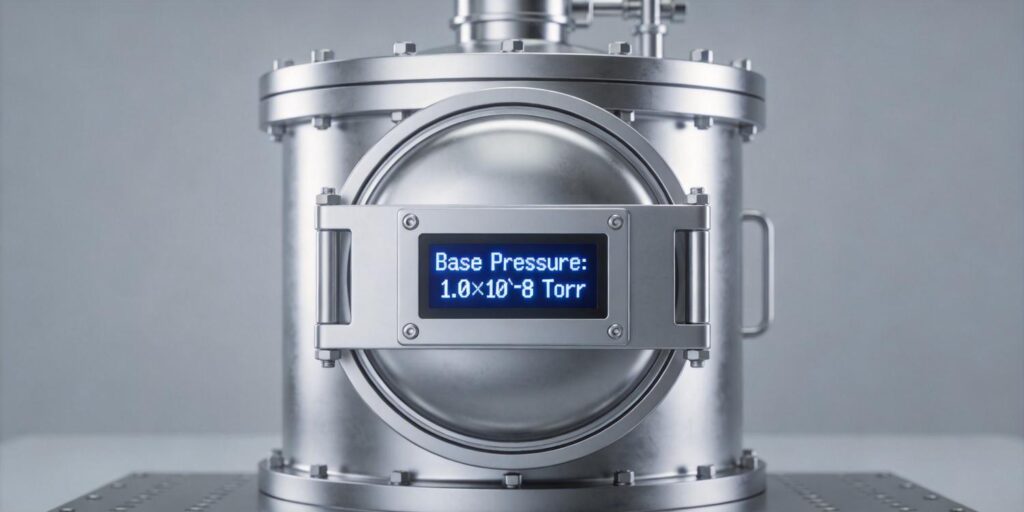
Digital vacuum gauge displaying base pressure in high vacuum chamber

Understanding Base Pressure in High Vacuum Systems

Definition of Base Pressure Base pressure, also called ultimate vacuum or blank-off pressure, is the lowest stable pressure a vacuum system can achieve when all pumps are operating at full capacity, the chamber is isolated from any external gas load, and sufficient time has been allowed for outgassing to stabilize. In practical terms, it represents

Understanding Base Pressure in High Vacuum Systems Read More »

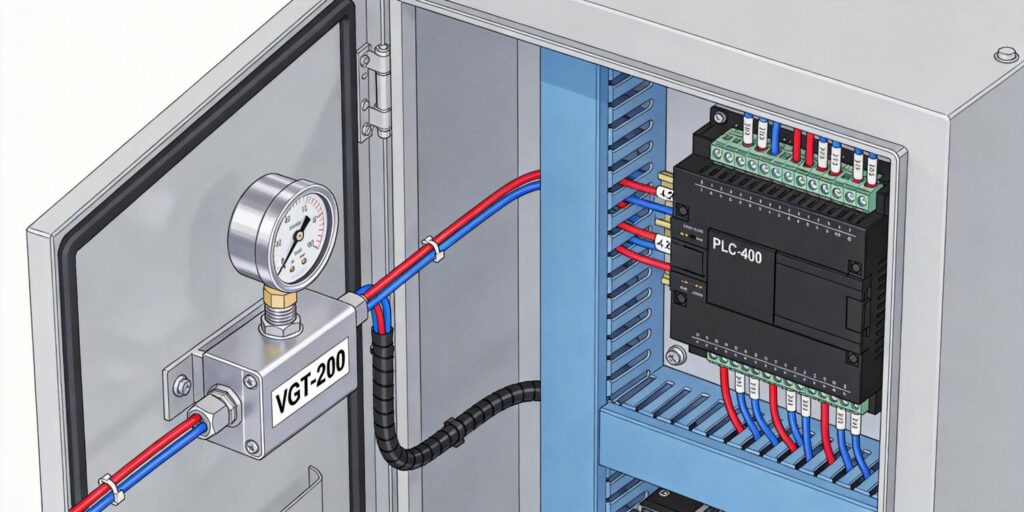
4-20mA wiring connected to vacuum gauge in control cabinet

How to Configure 4-20mA Vacuum Gauge Signals Correctly

Understanding the 4-20 mA Current Loop Principle The 4-20 mA current loop remains the gold standard for industrial process instrumentation, including vacuum measurement, because it combines excellent noise immunity, long-distance signal transmission (up to 1,000 m), and inherent fault detection. In a properly configured loop, 4 mA represents the lower end of the measurement range

How to Configure 4-20mA Vacuum Gauge Signals Correctly Read More »

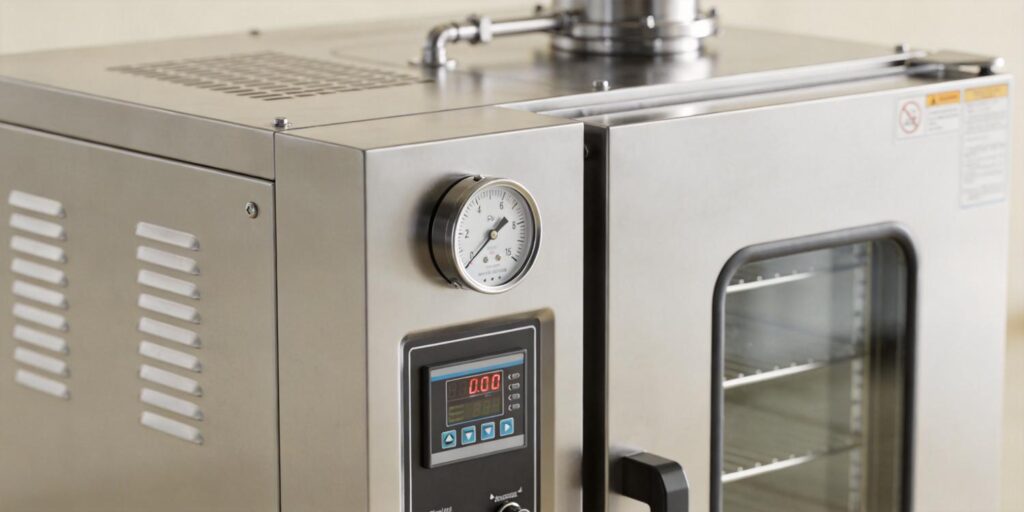
Vacuum gauge installed on industrial vacuum drying oven

Vacuum Gauge Selection for Vacuum Drying Ovens

Overview of Vacuum Drying Principles Vacuum drying ovens remove moisture or solvents from heat-sensitive materials by lowering the chamber pressure, which reduces the boiling point of liquids without requiring high temperatures. This gentle process preserves product integrity in pharmaceuticals, food ingredients, electronics, and laboratory samples where conventional hot-air drying would cause degradation, oxidation, or thermal

Vacuum Gauge Selection for Vacuum Drying Ovens Read More »

Shopping Cart
Poseidon Scientific
Privacy Overview

This website uses cookies so that we can provide you with the best user experience possible. Cookie information is stored in your browser and performs functions such as recognising you when you return to our website and helping our team to understand which sections of the website you find most interesting and useful.