Industry Applications

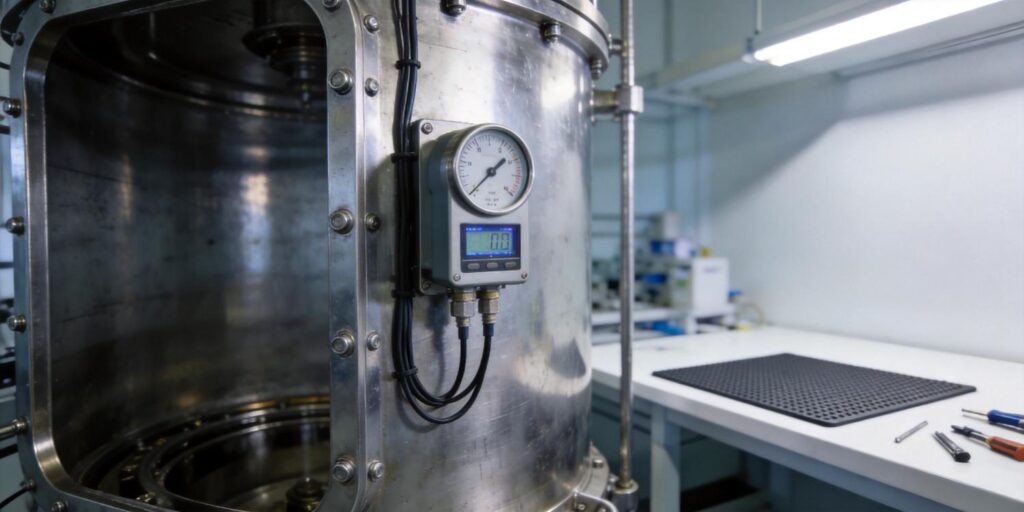
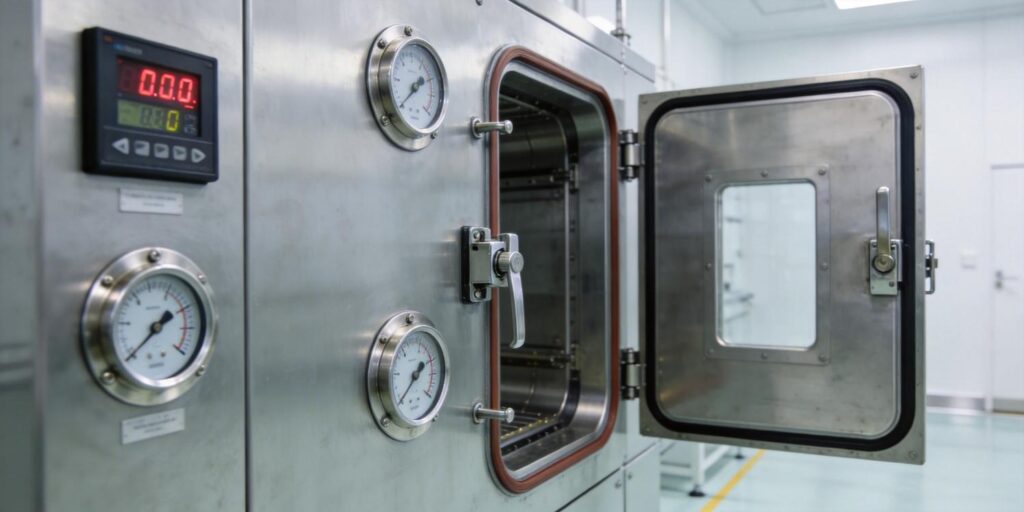
Vacuum gauges installed on semiconductor load lock chamber

Choosing Vacuum Gauges for Semiconductor Load Locks

Load Lock Vacuum Cycle Stages In semiconductor fabrication, load locks serve as critical airlocks between the cleanroom atmosphere and the ultrahigh-vacuum process chambers used for etching, deposition, and lithography. A typical load-lock cycle follows a repeatable sequence that protects wafer integrity while maximizing tool throughput. Stage 1 begins with the outer door open at atmospheric […]

Choosing Vacuum Gauges for Semiconductor Load Locks Read More »
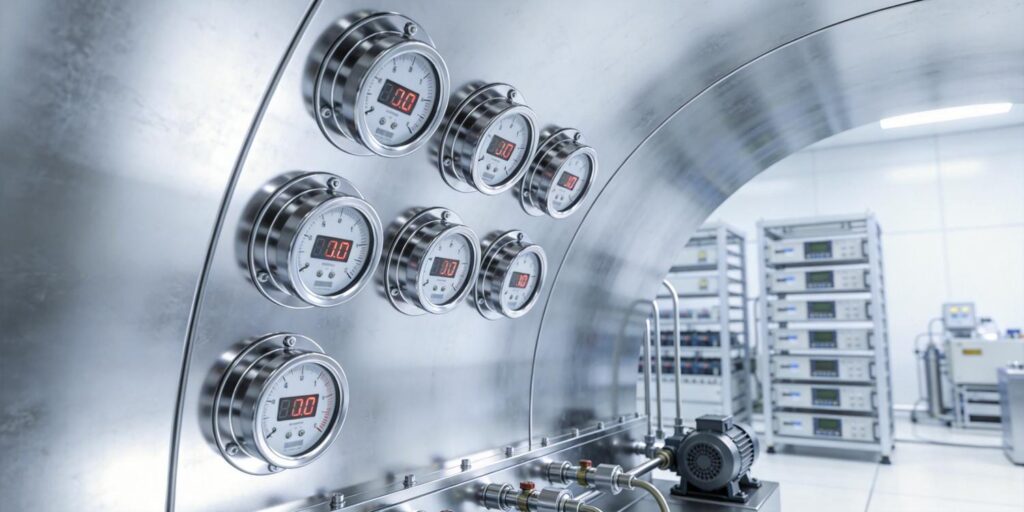
Vacuum gauges installed on thin film deposition chamber

Monitoring Vacuum in Thin Film Deposition Systems

Deposition Stages: Where Vacuum Monitoring Drives Film Quality Thin-film deposition—whether by physical vapor deposition (PVD), sputtering, evaporation, or chemical vapor deposition (CVD)—is a sequence of precisely timed vacuum phases. Each stage imposes different pressure demands, and real-time monitoring determines film adhesion, density, stoichiometry, and defect density. Engineers and procurement teams in semiconductor, optics, and display

Monitoring Vacuum in Thin Film Deposition Systems Read More »

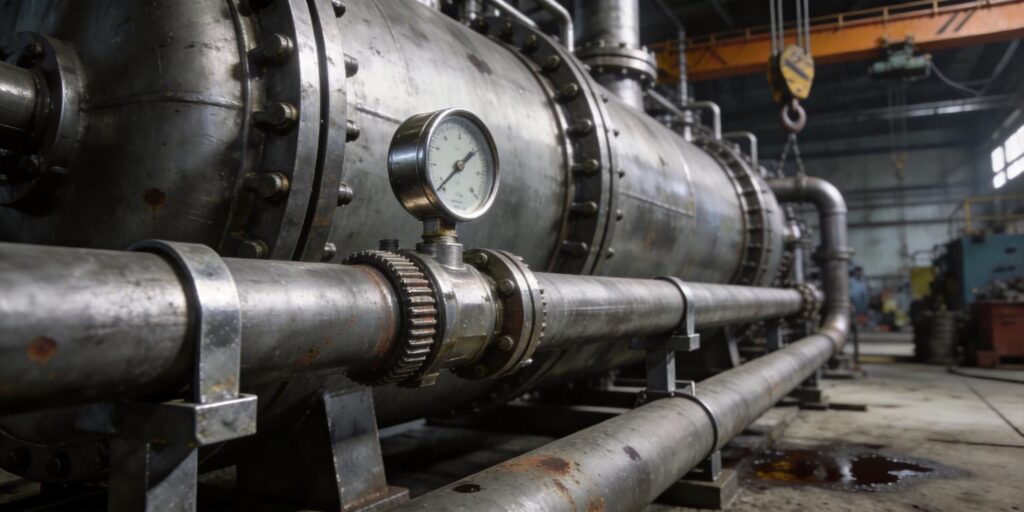
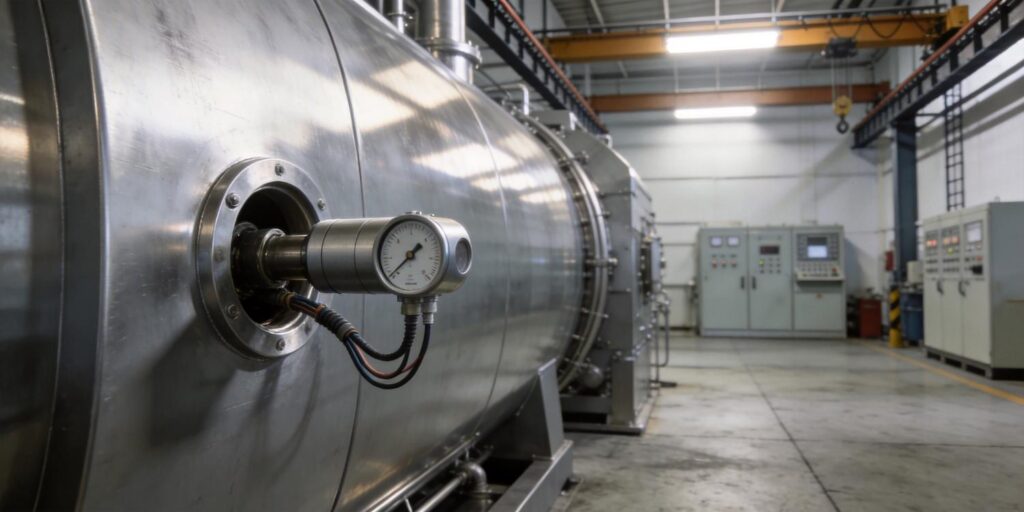
Vacuum gauge mounted on metallurgical furnace pipeline

Choosing Vacuum Gauges for Metallurgy Applications

Metallurgy Vacuum Needs: Why Precise Pressure Control Matters Vacuum heat treatment has become a cornerstone of modern metallurgy. Processes such as annealing, brazing, sintering, tempering, and diffusion bonding rely on controlled low-pressure environments to eliminate oxidation, decarburization, and hydrogen embrittlement while promoting uniform microstructure and surface cleanliness. Without reliable vacuum monitoring, these outcomes become inconsistent,

Choosing Vacuum Gauges for Metallurgy Applications Read More »

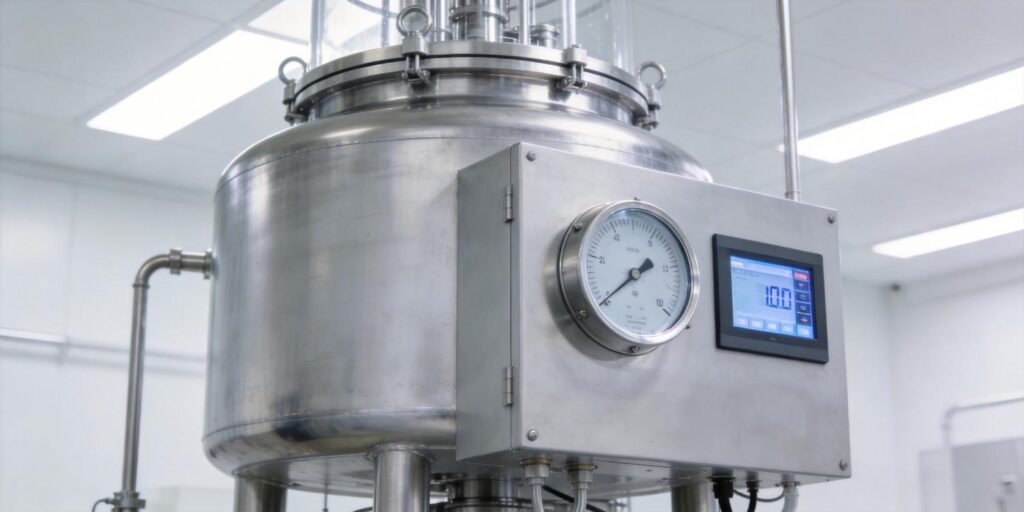
Vacuum gauge installed on pharmaceutical freeze dryer chamber

Vacuum Gauge Requirements in Pharmaceutical Freeze Drying

Freeze Drying Vacuum Stages In pharmaceutical lyophilization, the vacuum system drives the transition from frozen product to stable dry powder while preserving active ingredients. The process divides into three primary stages, each with distinct vacuum requirements that demand reliable monitoring to maintain product quality and regulatory compliance. Freezing Stage The product solution freezes on cooled

Vacuum Gauge Requirements in Pharmaceutical Freeze Drying Read More »

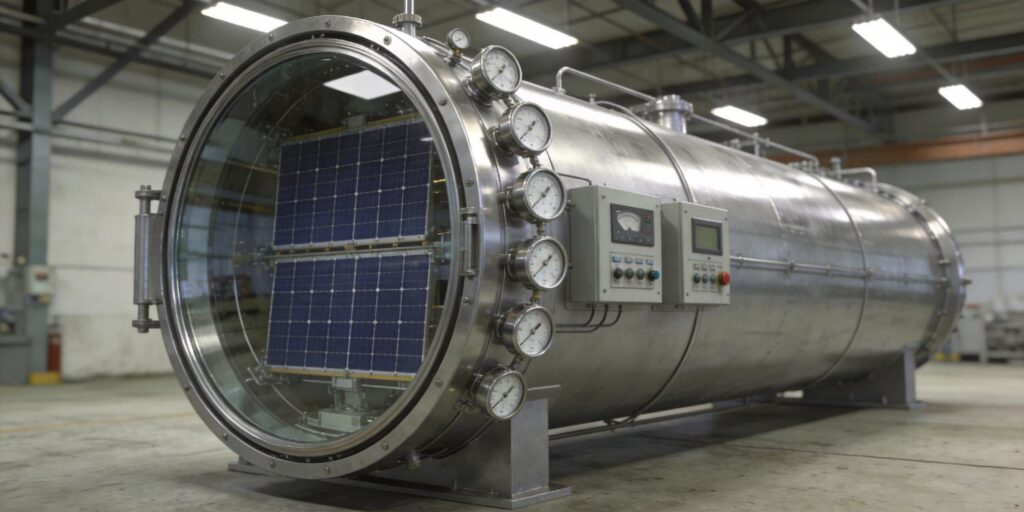
Vacuum gauges installed on solar panel production vacuum chamber

Vacuum Gauge Selection for Solar Panel Manufacturing

Vacuum Steps in Solar Production Solar panel manufacturing—whether crystalline silicon or thin-film technologies—relies on vacuum processes at multiple critical stages to ensure high efficiency, uniform coatings, and long-term module reliability. Each step demands precise pressure control to eliminate oxygen, moisture, and contaminants that could degrade cell performance or cause delamination. The production sequence typically begins

Vacuum Gauge Selection for Solar Panel Manufacturing Read More »

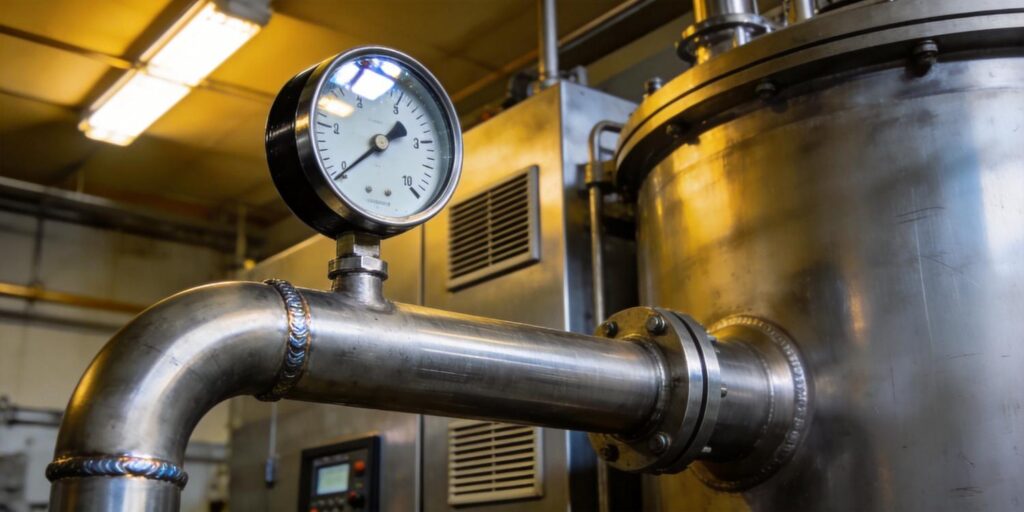
Vacuum gauge mounted on industrial vacuum furnace pipeline

Selecting Vacuum Gauges for Industrial Furnaces

Furnace Vacuum Stages Industrial vacuum furnaces—whether for annealing, tempering, brazing, or sintering—operate through distinct vacuum stages that demand precise pressure monitoring at every step. The process begins with rough vacuum, where mechanical pumps evacuate the chamber from atmosphere down to approximately 10-3 Torr. This stage removes bulk air and moisture, establishes a controlled atmosphere, and

Selecting Vacuum Gauges for Industrial Furnaces Read More »

Vacuum gauge installed on analytical instrument chamber

Vacuum Measurement in Analytical Instruments

Introduction to Vacuum Measurement in Analytical Instruments Accurate vacuum measurement forms the backbone of modern analytical instruments, ensuring ions travel collision-free paths and detectors capture reliable signals. In mass spectrometry and GC-MS systems, even minor pressure deviations can compromise resolution, sensitivity, and data integrity. Engineers and procurement specialists in analytical labs increasingly seek compact, cost-effective,

Vacuum Measurement in Analytical Instruments Read More »

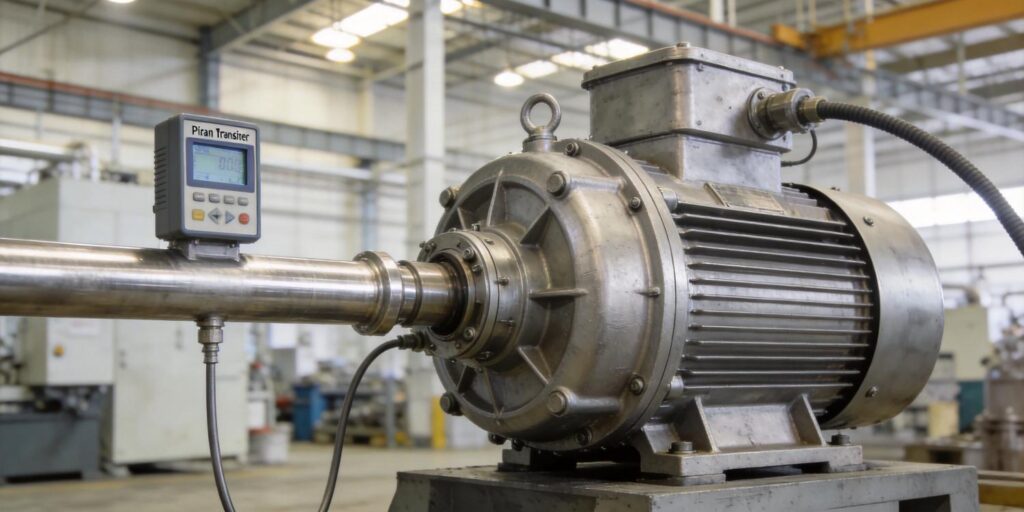
Industrial vacuum pump with Pirani transmitter installed

Rough Vacuum Monitoring for Industrial Pumps

Rough Vacuum Definition: The Critical First Stage in Industrial Pumping Rough vacuum spans atmospheric pressure (760 Torr) down to approximately 10⁻³ Torr (0.1 Pa). This range covers the initial pump-down phase where mechanical pumps remove the bulk of the gas load from a chamber. In industrial applications—vacuum furnaces, coating systems, battery electrolyte filling, mass-spectrometer load

Rough Vacuum Monitoring for Industrial Pumps Read More »

Cold cathode vacuum gauge installed on PVD coating chamber

High Vacuum Monitoring in PVD Systems

PVD Vacuum Stages: From Roughing to Deposition Physical Vapor Deposition (PVD) processes—sputtering, evaporation, and cathodic arc—rely on controlled vacuum environments to achieve line-of-sight atom transport, minimize oxidation, and ensure dense, adherent films. Each stage imposes distinct vacuum demands that directly affect coating quality, deposition rate, and system uptime. The typical PVD cycle includes: Load-lock and

High Vacuum Monitoring in PVD Systems Read More »

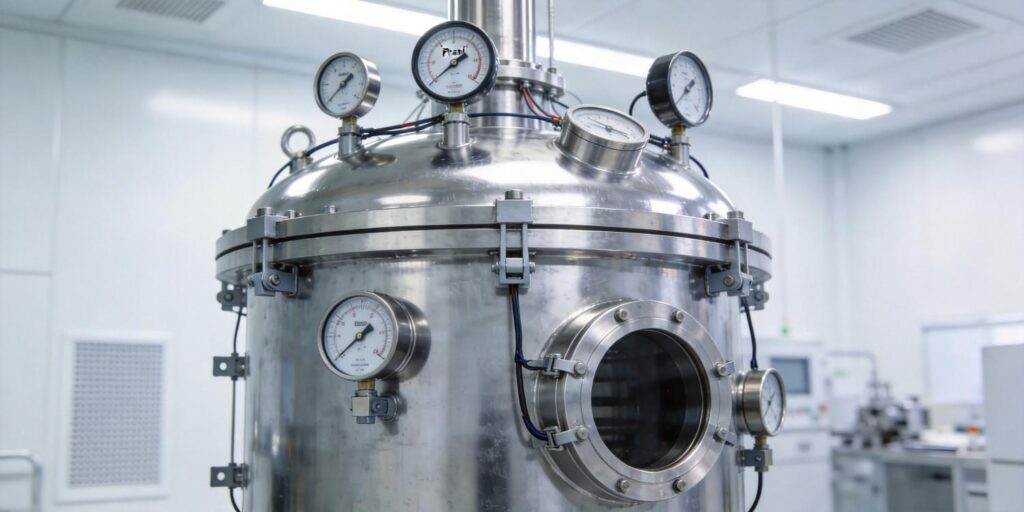
Multiple vacuum gauges installed on semiconductor processing chamber

Best Vacuum Gauge Setup for Semiconductor Equipment

Semiconductor Vacuum Levels: Why Precision Matters Semiconductor fabrication operates across an exceptionally wide vacuum spectrum, from atmospheric pressure during wafer loading to ultra-clean high-vacuum environments during critical deposition and etch steps. Typical process pressures include: Load-lock and transfer chambers: 1–1000 mbar (rough vacuum for fast cycling) Physical vapor deposition (PVD) and chemical vapor deposition (CVD):

Best Vacuum Gauge Setup for Semiconductor Equipment Read More »

Shopping Cart
Poseidon Scientific
Privacy Overview

This website uses cookies so that we can provide you with the best user experience possible. Cookie information is stored in your browser and performs functions such as recognising you when you return to our website and helping our team to understand which sections of the website you find most interesting and useful.