Vacuum Gauge

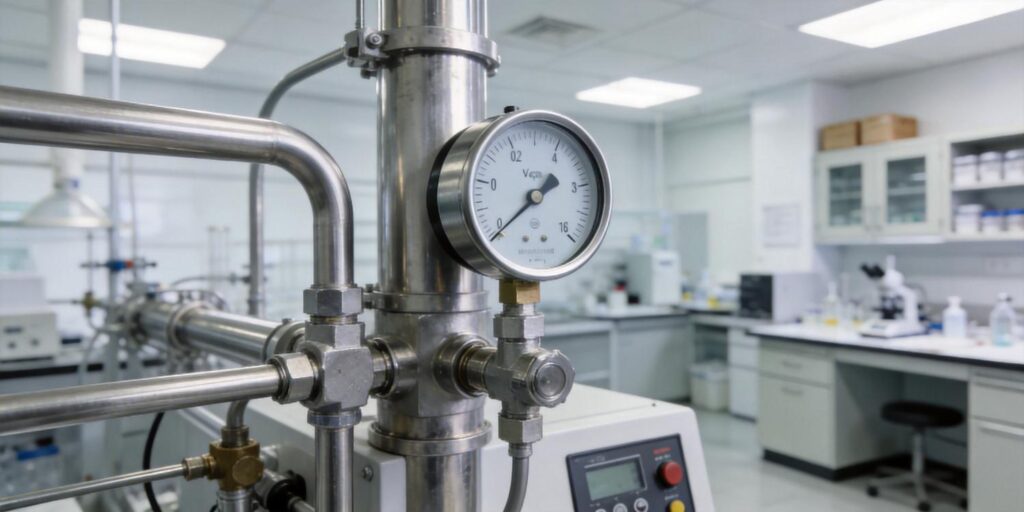
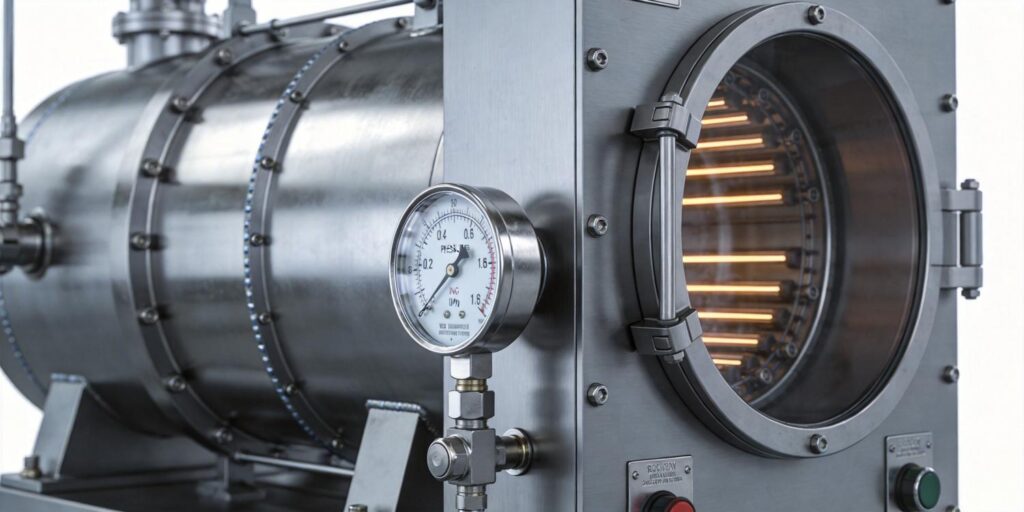
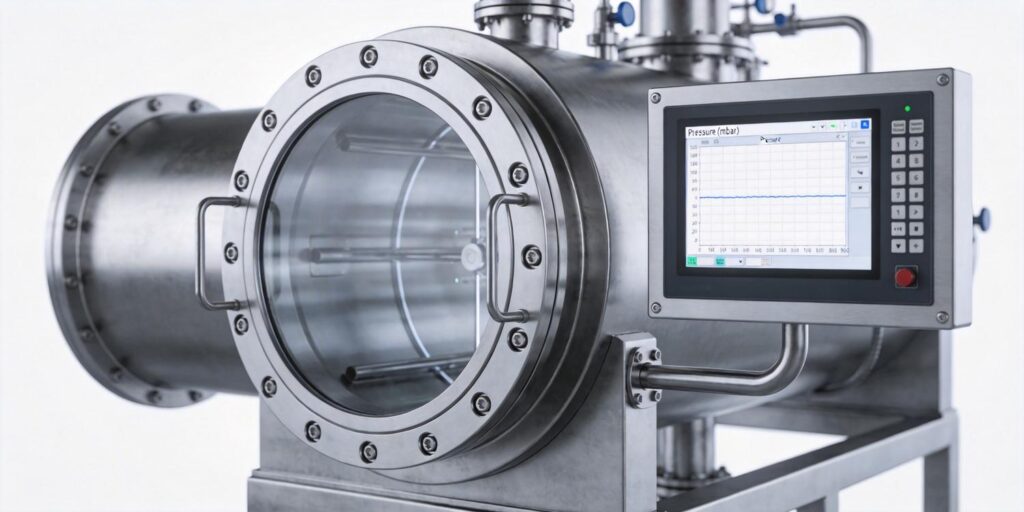
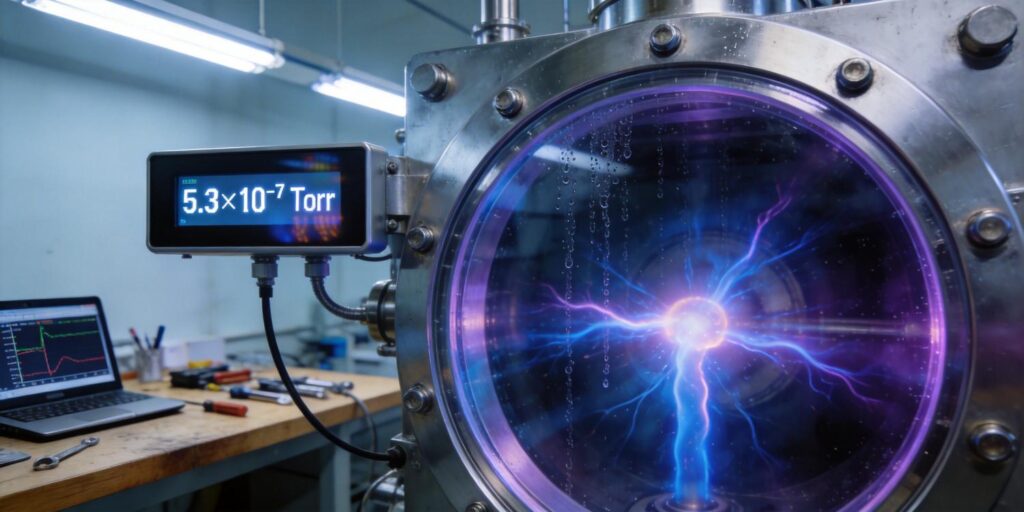
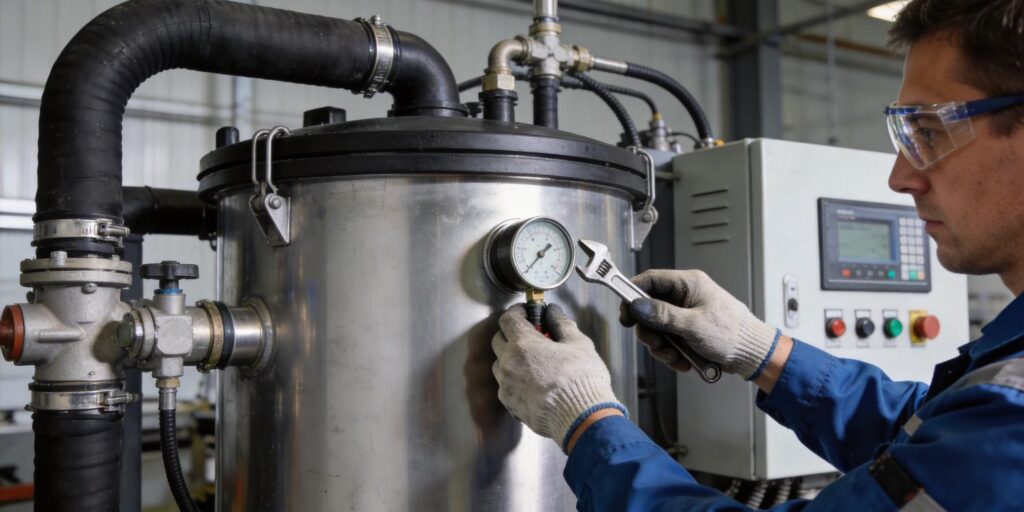
Cold cathode vacuum gauge installed on industrial coating chamber

Why Cold Cathode Gauges Are Preferred in Harsh Coating Environments

Why Cold Cathode Gauges Are Preferred in Harsh Coating Environments Physical vapor deposition (PVD), chemical vapor deposition (CVD), sputtering, and other thin-film coating processes create some of the most demanding vacuum environments in industry. Reactive gases, high plasma densities, sputtered material, and frequent chamber venting combine to accelerate gauge contamination and sensor degradation. In these […]

Why Cold Cathode Gauges Are Preferred in Harsh Coating Environments Read More »

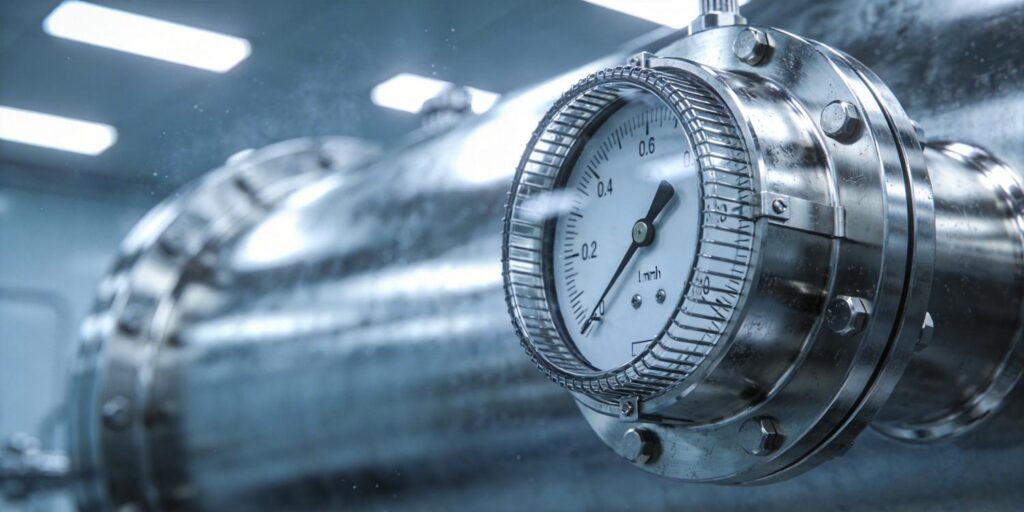
Vacuum gauges installed in university laboratory vacuum experiment setup

Selecting Vacuum Gauges for University Research Laboratories

Selecting Vacuum Gauges for University Research Laboratories University research labs operate under unique constraints: tight budgets, shared equipment used by students and post-docs with varying skill levels, and the need for reliable vacuum measurement across a broad pressure spectrum. Whether supporting mass spectrometers, scanning electron microscopes, vacuum furnaces, or custom experimental chambers, the right vacuum

Selecting Vacuum Gauges for University Research Laboratories Read More »

Vacuum transmitter wired into industrial safety interlock panel

Integrating Vacuum Gauges with Safety Interlock Systems

Integrating Vacuum Gauges with Safety Interlock Systems In vacuum-dependent processes—from mass spectrometry to vacuum heat treatment—loss of vacuum can lead to equipment damage, process failure, or safety hazards. Safety interlock systems provide an automated layer of protection by monitoring pressure in real time and triggering protective actions when conditions fall outside predefined limits. Poseidon Scientific’s

Integrating Vacuum Gauges with Safety Interlock Systems Read More »

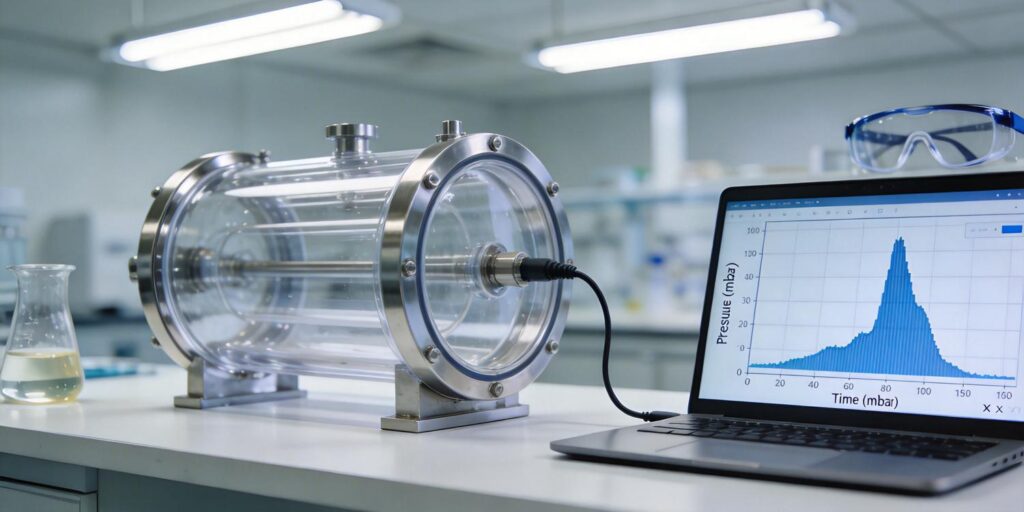
Vacuum pressure trend display showing gradual drift over time

Analyzing Vacuum Gauge Drift Over Long-Term Operation

Understanding Vacuum Gauge Drift in Long-Term Operation In high-vacuum systems, accurate pressure measurement is essential for process control, equipment protection, and product quality. Yet even the most reliable vacuum gauges experience gradual performance changes over months or years of continuous operation. This phenomenon, known as drift, can compromise system reliability if left unaddressed. At Poseidon

Analyzing Vacuum Gauge Drift Over Long-Term Operation Read More »

Vacuum gauges installed on plasma etching semiconductor equipment

Choosing Vacuum Gauges for Plasma Etching Systems

Choosing Vacuum Gauges for Plasma Etching Systems Plasma etching systems, including reactive ion etching (RIE) and inductively coupled plasma (ICP) tools, require precise vacuum measurement to maintain stable plasma density, etch rate uniformity, and process repeatability. Operating pressures typically fall between 10⁻¹ and 10⁻⁴ Torr, with reactive gases such as CF₄, SF₆, O₂, and Cl₂

Choosing Vacuum Gauges for Plasma Etching Systems Read More »

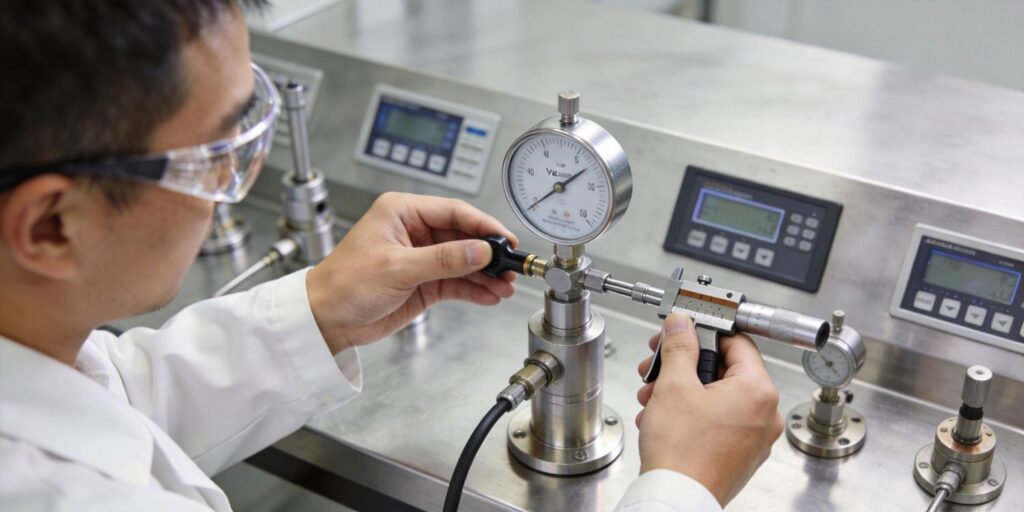
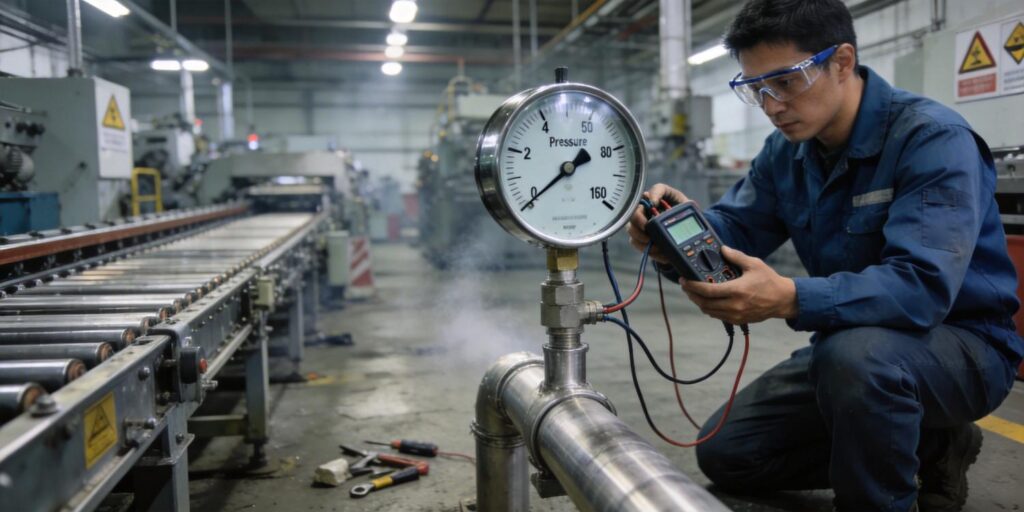
Technician verifying pressure reading on newly installed vacuum gauge

How to Validate Vacuum Gauge Performance After Installation

How to Validate Vacuum Gauge Performance After Installation Proper validation of a newly installed vacuum gauge is essential to ensure accurate pressure measurement, system safety, and long-term reliability. Whether integrating the VG-SP205 Pirani Vacuum Transmitter for rough vacuum or the VG-SM225 Cold Cathode Vacuum Gauge for high vacuum, a systematic post-installation check confirms that the

How to Validate Vacuum Gauge Performance After Installation Read More »

Technician replacing modular vacuum gauge on industrial vacuum system

Reducing Downtime with Modular Vacuum Gauge Design

Reducing Downtime with Modular Vacuum Gauge Design In high-throughput vacuum systems—optical coating lines, mass spectrometers, vacuum heat-treatment furnaces, and semiconductor tools—every minute of unplanned downtime translates directly into lost production and increased costs. Traditional vacuum gauges often require full-unit replacement or complex disassembly when contamination, filament failure, or calibration drift occurs. Poseidon Scientific addressed this

Reducing Downtime with Modular Vacuum Gauge Design Read More »

Vacuum chamber showing pressure stabilization during outgassing phase

Understanding Outgassing and Its Impact on Vacuum Readings

Understanding Outgassing and Its Impact on Vacuum Readings Outgassing is one of the most common yet often misunderstood phenomena limiting the performance of high-vacuum systems. In applications ranging from optical coating and mass spectrometry to semiconductor processing and vacuum heat treatment, residual gas loads from surfaces directly influence achievable base pressure, pump-down time, and measurement

Understanding Outgassing and Its Impact on Vacuum Readings Read More »

Vacuum gauge mounted on vacuum line connected to turbomolecular pump

Best Practices for Vacuum Gauge Installation Near Turbomolecular Pumps

Best Practices for Vacuum Gauge Installation Near Turbomolecular Pumps Turbomolecular pumps deliver the high-vacuum performance required in analytical instruments, optical coating systems, semiconductor processing, and research chambers. Their high compression ratios and oil-free operation make them ideal for clean, stable high vacuum, but proper gauge placement is essential to protect the pump, ensure accurate process

Best Practices for Vacuum Gauge Installation Near Turbomolecular Pumps Read More »

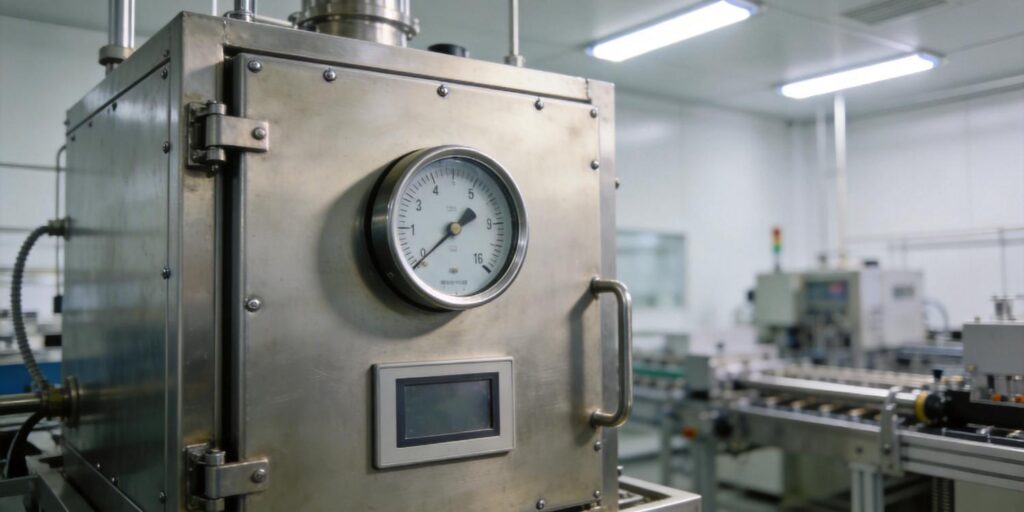
Cold cathode vacuum gauge installed on optical coating chamber

Improving High Vacuum Stability in Optical Coating Applications

Improving High Vacuum Stability in Optical Coating Applications Optical coating processes—whether for anti-reflective layers on lenses, high-reflectivity mirrors, or precision filters—demand exceptional vacuum stability in the 10⁻⁴ to 10⁻⁷ Torr range. Even small pressure excursions can alter mean free path, deposition rate, and film stoichiometry, resulting in wavelength shifts, reduced durability, or increased scatter. Engineers

Improving High Vacuum Stability in Optical Coating Applications Read More »

Shopping Cart
Poseidon Scientific
Privacy Overview

This website uses cookies so that we can provide you with the best user experience possible. Cookie information is stored in your browser and performs functions such as recognising you when you return to our website and helping our team to understand which sections of the website you find most interesting and useful.