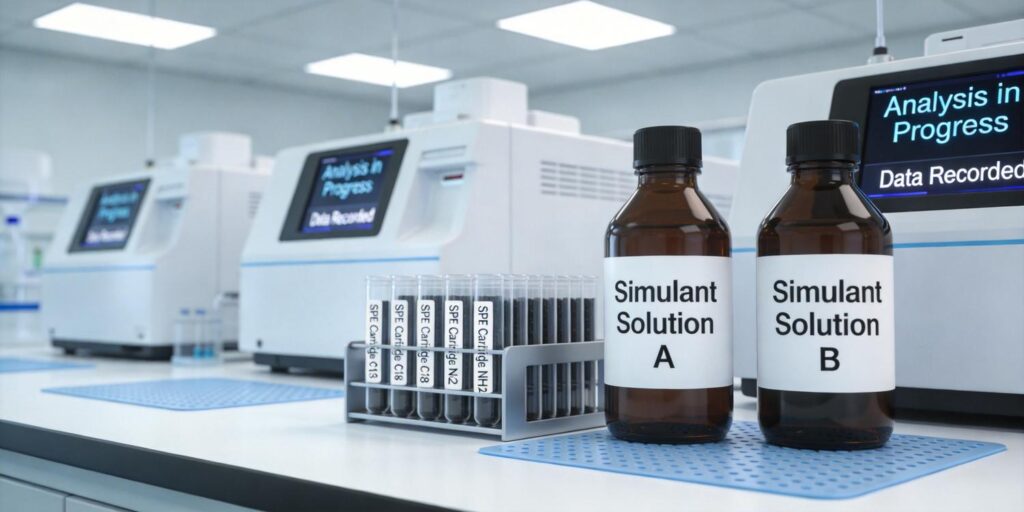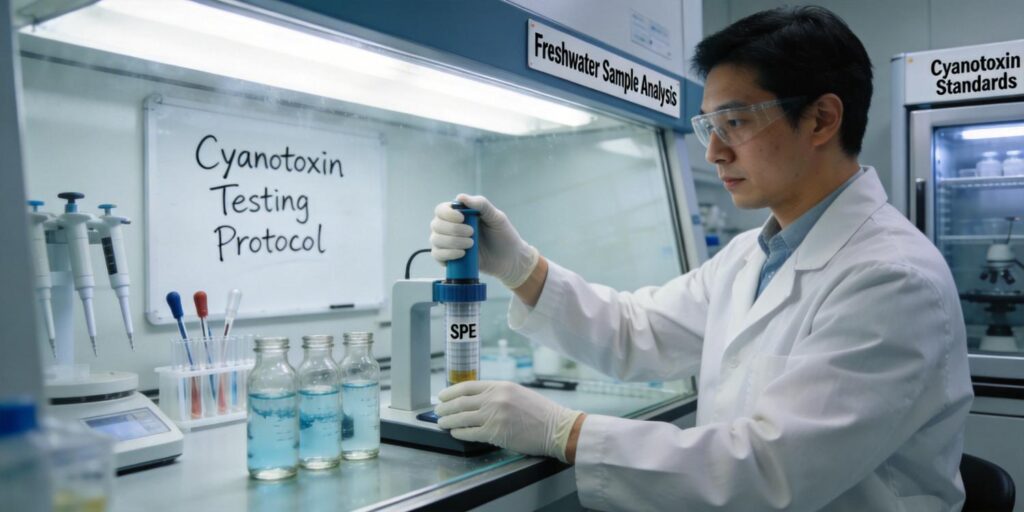
LC-MS sample preparation using SPE cartridges

Sample Preparation for LC-MS: Why SPE Is Essential

Overview of LC-MS Analytical Workflows Liquid Chromatography-Mass Spectrometry (LC-MS) has become the gold standard for analytical chemistry across pharmaceutical, environmental, and clinical laboratories. The typical LC-MS workflow involves several critical steps: sample collection, preparation, chromatographic separation, ionization, mass analysis, and data interpretation. While the instrumentation has advanced dramatically, the sample preparation stage remains the most […]

Sample Preparation for LC-MS: Why SPE Is Essential Read More »

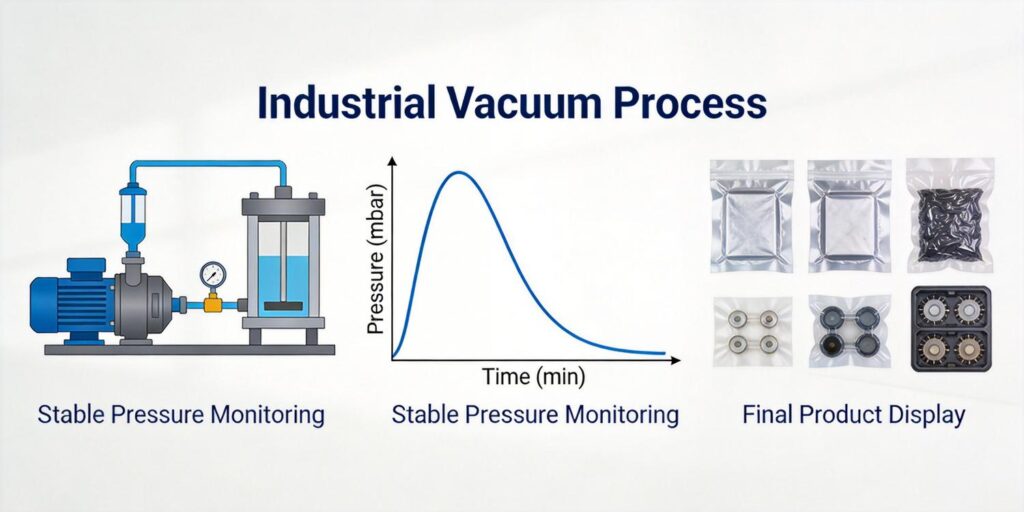
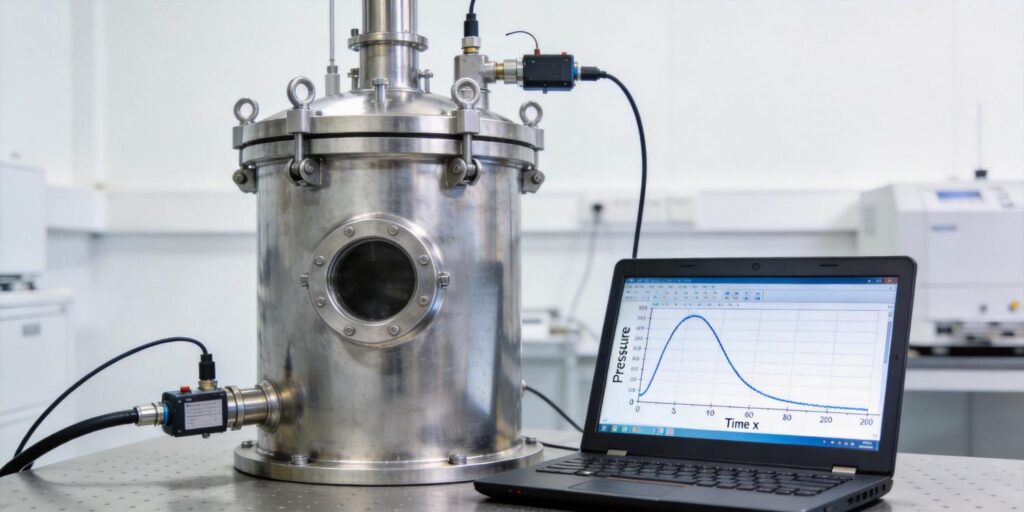
Pump-down curve graph associated with vacuum chamber

How to Optimize Pump-Down Time with Proper Vacuum Measurement

Define Pump-Down Curve The pump-down curve is the fundamental performance signature of any vacuum system. It plots chamber pressure (typically in Torr or Pa) against time, starting at atmosphere (760 Torr) and descending toward the system’s ultimate base pressure. In practice, the curve reveals three distinct regimes: viscous flow (high pressure, rapid gas removal), transitional

How to Optimize Pump-Down Time with Proper Vacuum Measurement Read More »

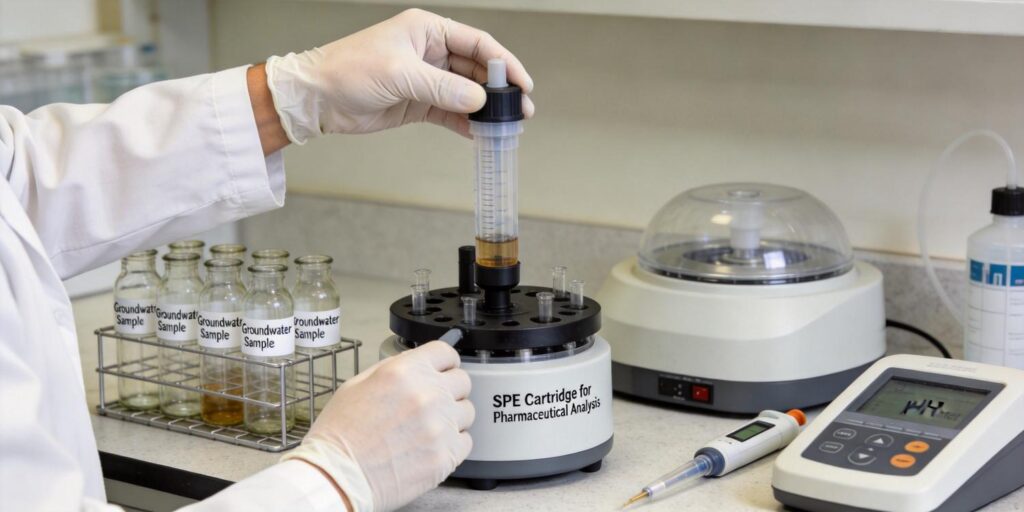
environmental laboratory performing PFAS sample preparation with SPE

PFAS Analysis Using SPE: Sample Preparation Guide

What Are PFAS Contaminants? Per- and polyfluoroalkyl substances (PFAS) represent a class of synthetic chemicals characterized by strong carbon-fluorine bonds, making them highly persistent in the environment and resistant to degradation. These compounds have been widely used since the 1940s in various industrial applications and consumer products due to their unique properties, including oil and

PFAS Analysis Using SPE: Sample Preparation Guide Read More »

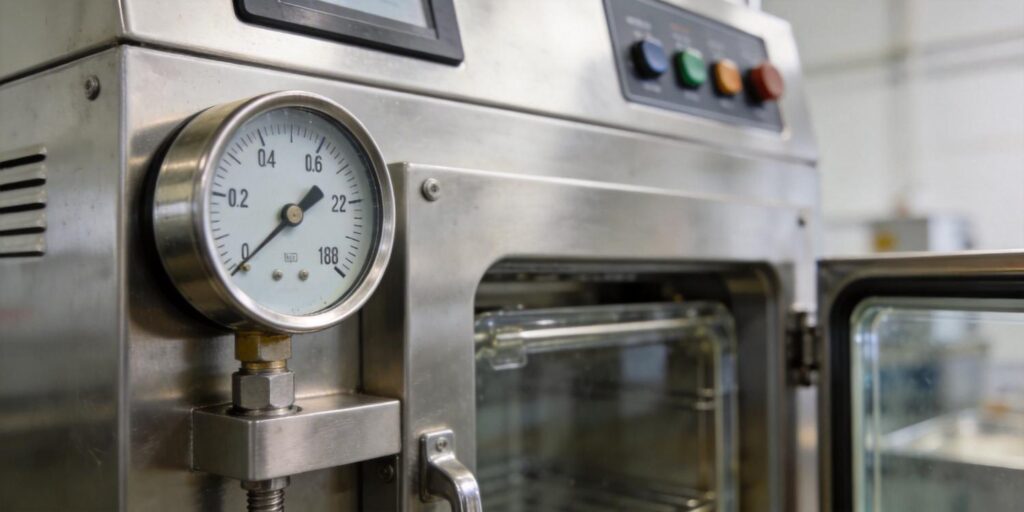
Vacuum gauge attached to plasma processing chamber

Vacuum Monitoring in Plasma Processing Equipment

Plasma Chamber Pressure Stages In plasma processing equipment—whether for reactive ion etching, physical vapor deposition (PVD), chemical vapor deposition (CVD), or atomic layer deposition (ALD)—the vacuum system progresses through distinct pressure stages. Each stage demands accurate, real-time monitoring to ensure process stability, repeatability, and equipment protection. The first stage is rough vacuum pump-down, from atmosphere

Vacuum Monitoring in Plasma Processing Equipment Read More »

Internal filament of thermostatic Pirani vacuum gauge

Comparing Thermostatic Pirani vs Traditional Pirani Gauges

Constant Temperature Advantage in Pirani Vacuum Gauges In vacuum measurement for thin-film deposition, heat treatment, packaging lines, and analytical instruments, Pirani gauges remain the workhorse for the rough-to-medium vacuum range (atmosphere to 10−3 Torr). Two fundamental operating modes exist: traditional constant-current designs and modern thermostatic (constant-temperature) designs. The Poseidon Scientific VG-SP205 Pirani Vacuum Transmitter belongs

Comparing Thermostatic Pirani vs Traditional Pirani Gauges Read More »

scientist extracting hormone samples using SPE cartridges

Using SPE to Extract Hormones from Biological Samples

The Critical Role of Hormone Monitoring in Clinical Research Hormone analysis represents one of the most fundamental and challenging aspects of modern clinical research and diagnostics. As signaling molecules that regulate virtually every physiological process—from metabolism and growth to reproduction and stress response—hormones provide crucial insights into endocrine function, disease states, and therapeutic interventions. The

Using SPE to Extract Hormones from Biological Samples Read More »

Dual vacuum gauges installed on critical vacuum chamber

Vacuum Gauge Redundancy Design for Critical Applications

Defining Redundancy in Vacuum Measurement In safety-critical and high-value vacuum processes, a single point of failure in pressure measurement can trigger scrap batches, unplanned downtime, or even safety incidents. Redundancy in vacuum gauge design means deploying multiple independent sensors that continuously monitor the same pressure regime, with the system automatically detecting degradation or failure in

Vacuum Gauge Redundancy Design for Critical Applications Read More »

laboratory performing SPE extraction for antibiotic residue testing

SPE for Antibiotic Residue Detection in Food Samples

Overview of Antibiotic Contamination in Food Antibiotic residues in food products represent a significant public health concern with far-reaching implications for consumer safety and regulatory compliance. The use of antibiotics in livestock production for therapeutic treatment, disease prevention, and growth promotion has led to the potential presence of these compounds in meat, dairy products, eggs,

SPE for Antibiotic Residue Detection in Food Samples Read More »

pharmaceutical scientist extracting metabolites using SPE

SPE for Drug Metabolite Analysis

The Critical Role of SPE in Pharmacokinetic Studies Solid-phase extraction (SPE) has become an indispensable tool in modern pharmacokinetic research, particularly for drug metabolite analysis. As noted in pharmaceutical research literature, SPE is “widely used for the preparation of biological samples for further analysis in areas as diverse as clinical chemistry, forensic science, and biomedical

SPE for Drug Metabolite Analysis Read More »

Shielded wiring connected to vacuum transmitter

How to Avoid Signal Interference in Vacuum Measurement

Why Signal Interference Matters in Vacuum Measurement In vacuum systems for thin-film deposition, semiconductor processing, heat treatment, and analytical instrumentation, even millivolt-level noise on a pressure signal can translate into false readings, nuisance alarms, or process drift. The 0-10 V analog output and RS232 digital interface of Poseidon Scientific’s VG-SP205 Pirani Vacuum Transmitter and VG-SM225

How to Avoid Signal Interference in Vacuum Measurement Read More »

Shopping Cart
Poseidon Scientific
Privacy Overview

This website uses cookies so that we can provide you with the best user experience possible. Cookie information is stored in your browser and performs functions such as recognising you when you return to our website and helping our team to understand which sections of the website you find most interesting and useful.