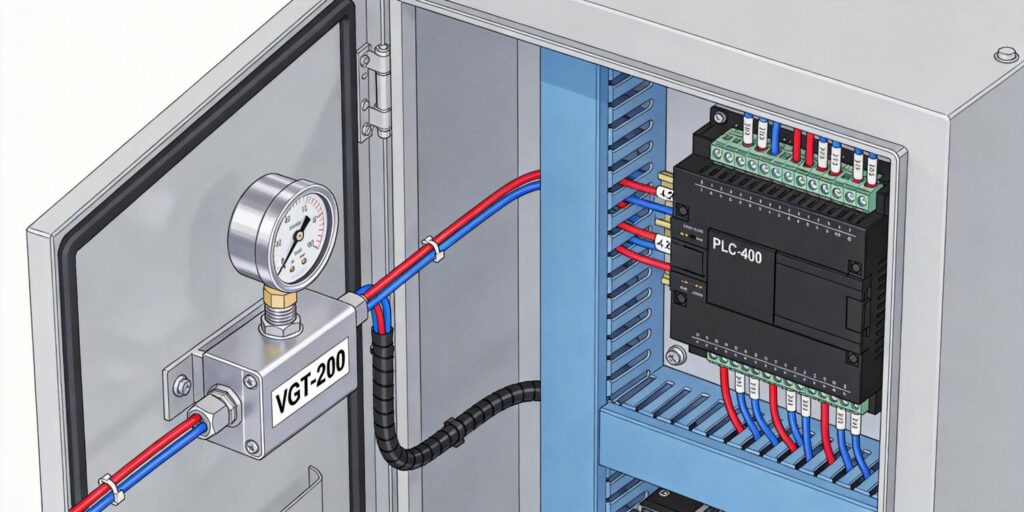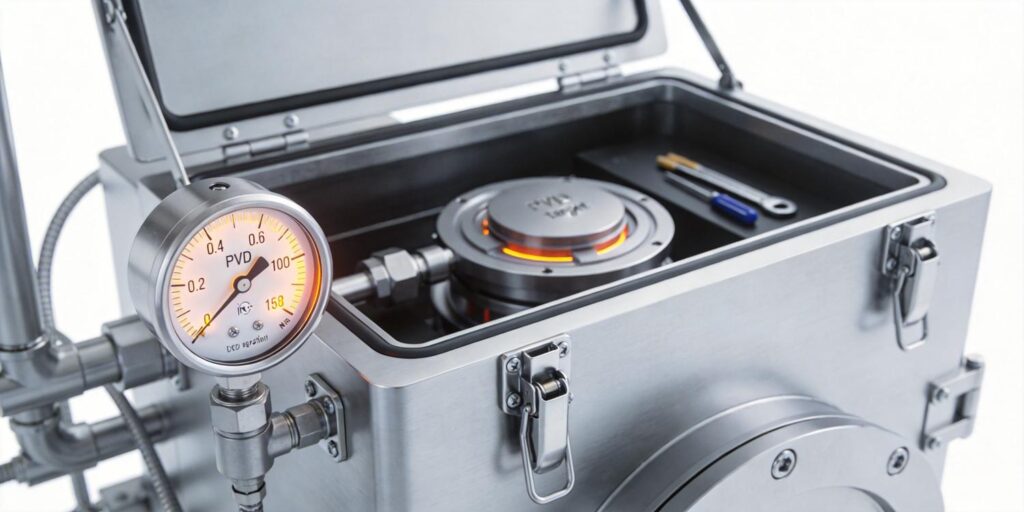
Pirani vacuum transmitter wired to industrial PLC control panel

How Analog 0-10V Outputs Improve PLC Vacuum Integration

In today’s automated vacuum systems, programmable logic controllers (PLCs) serve as the central nervous system for process monitoring and control. Whether in mass spectrometry, vacuum heat treatment, or scientific instrumentation, reliable vacuum data must reach the PLC instantly and accurately. While digital protocols offer flexibility, the analog 0-10 V output remains the most widely adopted […]

How Analog 0-10V Outputs Improve PLC Vacuum Integration Read More »

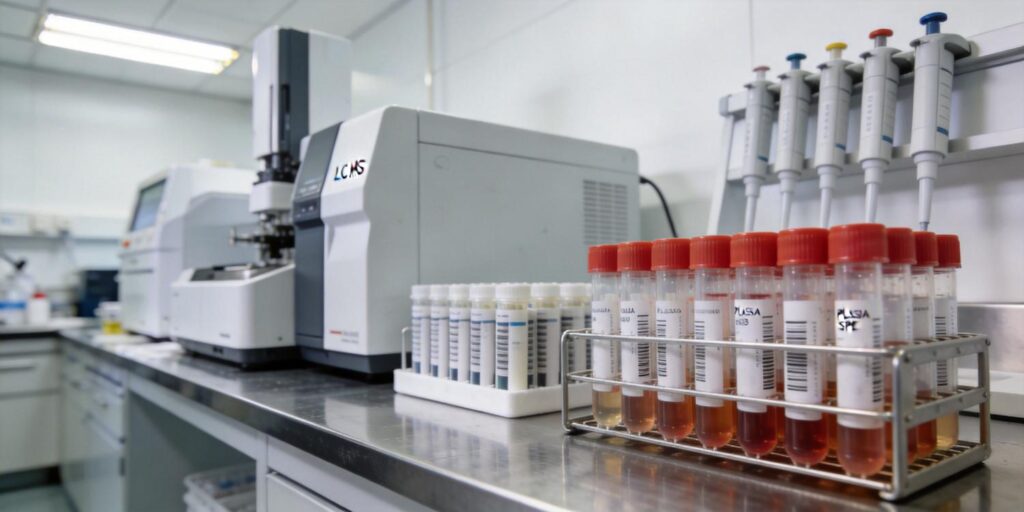
laboratory optimizing SPE wash solvents during sample preparation

Optimizing SPE Wash Steps for Removal of Matrix Interference in Biological Samples

1. Identification of Common Biological Matrix Interferences Biological samples present unique challenges for solid-phase extraction due to their complex composition. The primary matrix interferences that must be addressed during SPE wash optimization include: Lipids and Phospholipids Lipids represent one of the most significant sources of matrix suppression in LC-MS analysis. These hydrophobic compounds can accumulate

Optimizing SPE Wash Steps for Removal of Matrix Interference in Biological Samples Read More »

SPE cartridge extracting antibiotic residues from honey sample

SPE Method for Extraction of Veterinary Antibiotics from Honey

Honey Matrix Challenges Including High Sugar Content Honey presents unique analytical challenges for veterinary antibiotic residue analysis due to its complex matrix composition. As a natural product with approximately 80% sugar content (primarily fructose and glucose), honey creates significant interference issues for analytical methods. The high viscosity and sugar concentration can lead to: Column fouling

SPE Method for Extraction of Veterinary Antibiotics from Honey Read More »

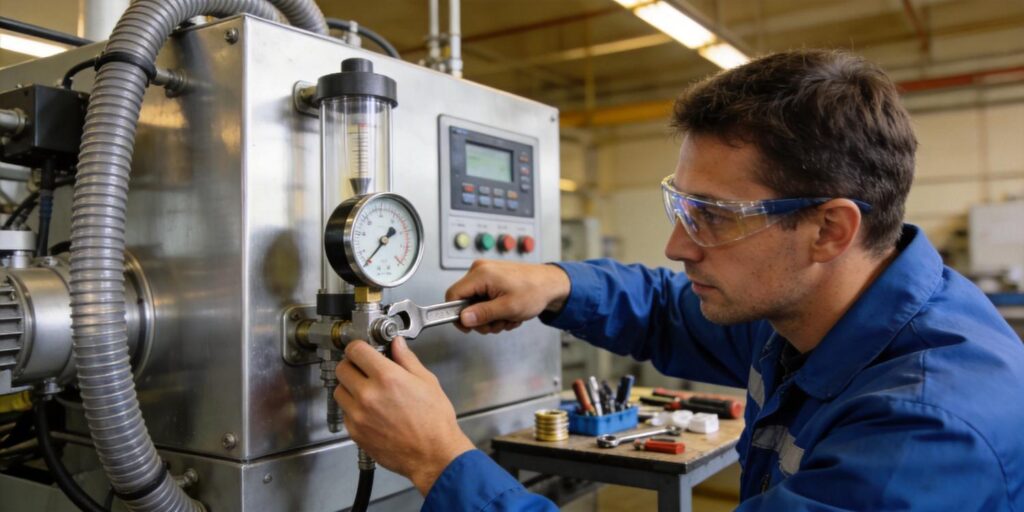
Cold cathode gauge installed as PTR225N replacement on vacuum system

Why PTR225N-Compatible Cold Cathode Gauges Reduce Replacement Costs

In high-vacuum coating systems, semiconductor cluster tools, and analytical instruments, the cold-cathode gauge is a critical component for monitoring pressures from 10⁻³ Torr down to 10⁻⁷ Torr. When an original-equipment-manufacturer (OEM) gauge such as the Pfeiffer PTR225N reaches end-of-life, replacement often means purchasing the identical high-priced unit or redesigning the control system. Poseidon Scientific’s VG-SM225

Why PTR225N-Compatible Cold Cathode Gauges Reduce Replacement Costs Read More »

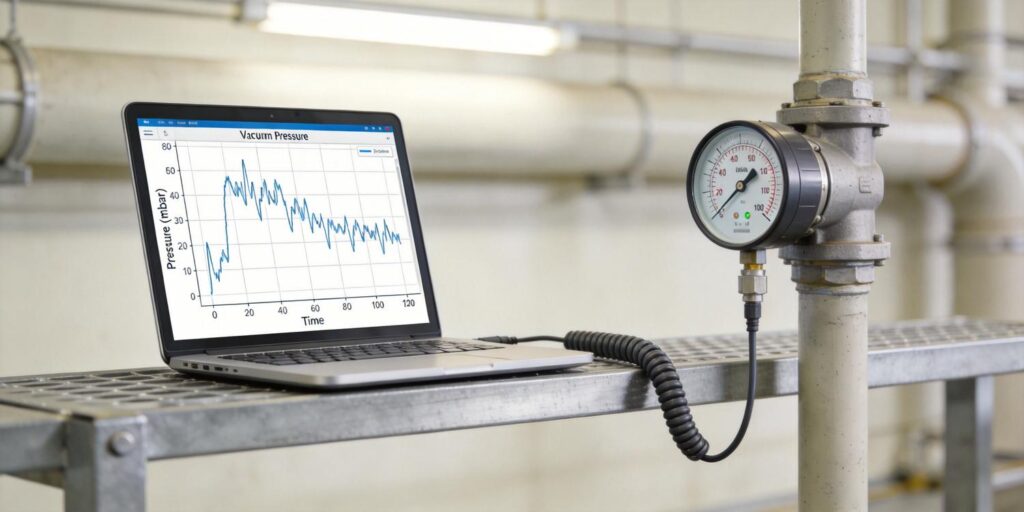
Vacuum gauge reading displayed during leak detection test

How to Detect Vacuum Leaks Using Pressure Trend Analysis

In vacuum systems for semiconductor tools, optical coating lines, vacuum furnaces, and analytical instruments, even small leaks can introduce moisture, particles, or reactive gases that ruin substrates or extend pump-down times. Early detection through pressure trend analysis turns reactive troubleshooting into proactive maintenance. The VG-SP205 Pirani Vacuum Transmitter (atmosphere to 10⁻³ Torr) and VG-SM225 Cold

How to Detect Vacuum Leaks Using Pressure Trend Analysis Read More »

SPE cartridge purifying cosmetic extract before LC-MS analysis

SPE Cleanup Strategy for LC-MS Analysis of Cosmetic Preservatives

Common Cosmetic Preservatives: Parabens and Phenoxyethanol Cosmetic formulations present unique analytical challenges due to their complex matrices containing emulsifiers, surfactants, oils, waxes, and various active ingredients. Among the most commonly used preservatives in cosmetics are parabens (methyl-, ethyl-, propyl-, and butyl-paraben) and phenoxyethanol. These compounds serve as antimicrobial agents to prevent microbial growth and extend

SPE Cleanup Strategy for LC-MS Analysis of Cosmetic Preservatives Read More »

Multiple vacuum gauges installed in industrial coating vacuum chambers

Vacuum Gauge Placement Strategy in Multi-Chamber Coating Systems

In multi-chamber coating systems—whether inline PVD for architectural glass, cluster tools for semiconductor wafers, or batch coaters for optical components—vacuum levels differ sharply across load-locks, transfer chambers, process stations, and pumping lines. A single misplaced gauge can create blind spots during pump-down, trigger false interlocks, or allow undetected contamination to reach the substrate. The VG-SP205

Vacuum Gauge Placement Strategy in Multi-Chamber Coating Systems Read More »

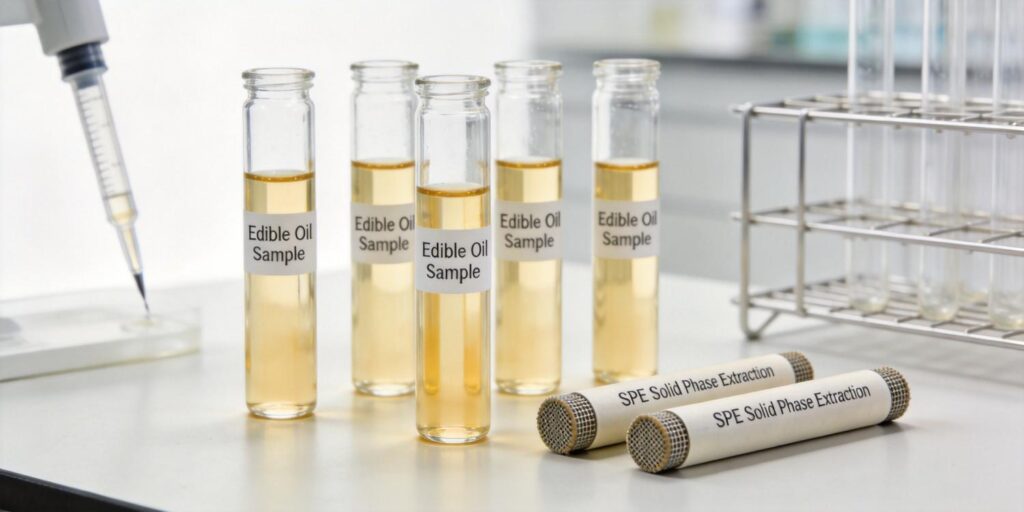
SPE cartridge extracting organic acids from fermented food sample

Laboratory Workflow for SPE Extraction of Organic Acids in Fermented Foods

Fermented Food Matrices and Organic Acid Composition Fermented foods represent a diverse category of complex matrices that include dairy products (yogurt, cheese), vegetables (sauerkraut, kimchi), beverages (wine, beer), and soy products (miso, tempeh). These foods undergo microbial transformation where organic acids play crucial roles in flavor development, preservation, and nutritional quality. The primary organic acids

Laboratory Workflow for SPE Extraction of Organic Acids in Fermented Foods Read More »

Cold cathode gauge mounted vertically on high vacuum stainless pipeline

Best Mounting Orientation for Cold Cathode Gauges in High Vacuum Lines

In high-vacuum systems—ranging from semiconductor PVD tools and vacuum furnaces to analytical instruments and research chambers—cold-cathode ionization gauges deliver reliable pressure measurement from 10⁻³ Torr down to 10⁻⁷ Torr. Yet even the most robust gauge can deliver inconsistent readings or shortened service life if mounting orientation is overlooked. Gravity, gas flow, sputtered material trajectories, and

Best Mounting Orientation for Cold Cathode Gauges in High Vacuum Lines Read More »

SPE cartridge extracting endocrine disrupting compounds from water sample

SPE Sample Preparation for LC-MS Detection of Endocrine Disruptors in Water

1. Overview of Endocrine Disrupting Compounds in Water Endocrine disrupting compounds (EDCs) represent a significant environmental concern due to their ability to interfere with hormonal systems at trace concentrations. These compounds include diverse chemical classes such as bisphenols (notably bisphenol A), natural and synthetic hormones (estrogens, androgens), pharmaceuticals, pesticides, and industrial chemicals. According to research,

SPE Sample Preparation for LC-MS Detection of Endocrine Disruptors in Water Read More »

Shopping Cart
Poseidon Scientific
Privacy Overview

This website uses cookies so that we can provide you with the best user experience possible. Cookie information is stored in your browser and performs functions such as recognising you when you return to our website and helping our team to understand which sections of the website you find most interesting and useful.