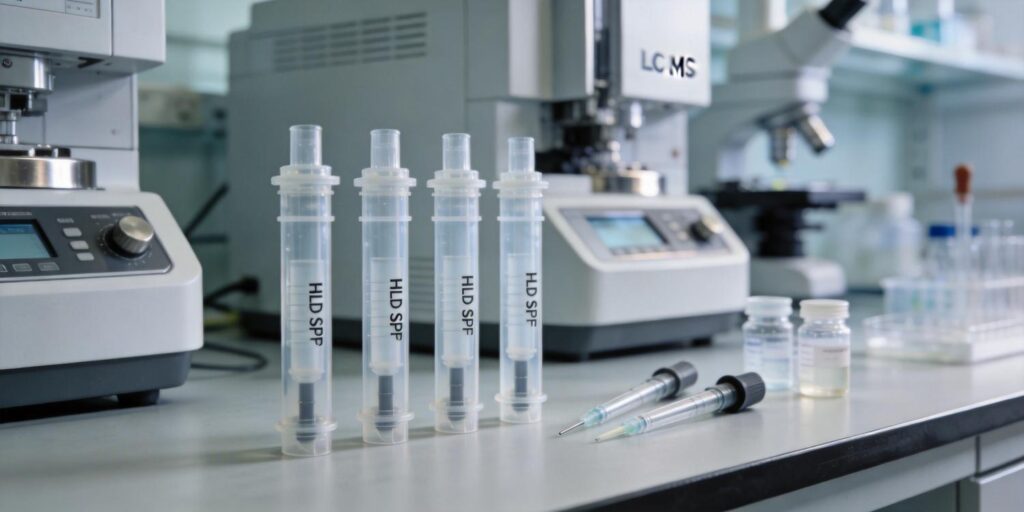
SPE

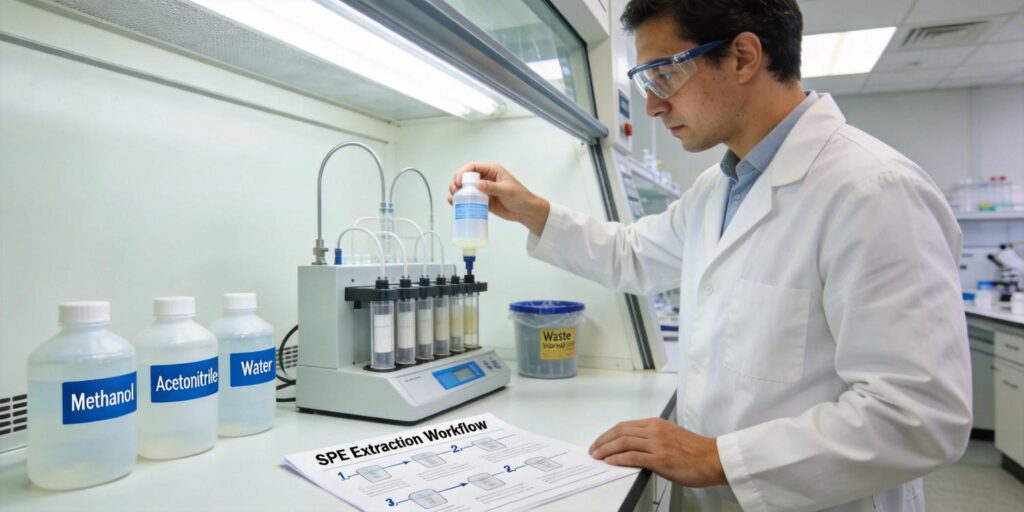
laboratory troubleshooting inconsistent SPE results

SPE Troubleshooting Guide for Poor Reproducibility in Sample Preparation

Identifying Reproducibility Issues in SPE Workflows Solid-phase extraction (SPE) is renowned for its ability to deliver improved recovery and reproducibility over conventional liquid extractions, but achieving consistent results requires careful attention to workflow parameters. According to forensic science literature, “SPE recoveries should exceed 90% absolute recovery. If you don’t get that kind of recovery you […]

SPE Troubleshooting Guide for Poor Reproducibility in Sample Preparation Read More »
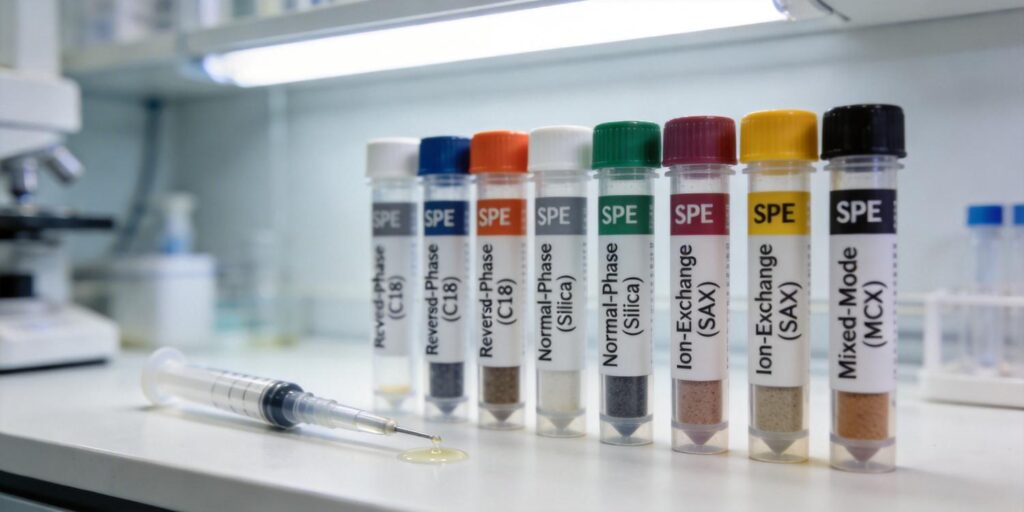
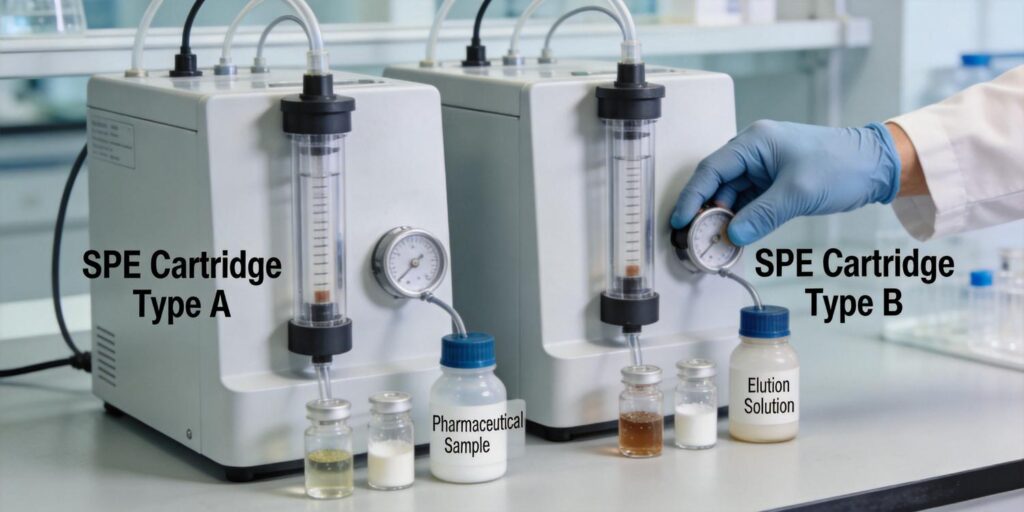
HLB and WAX SPE cartridges compared in laboratory workflow

Choosing Between HLB and WAX SPE for Acidic Compound Extraction

Chemical Differences Between Reversed-Phase and Anion-Exchange SPE When selecting solid-phase extraction (SPE) sorbents for acidic compound isolation, understanding the fundamental chemical differences between reversed-phase and anion-exchange mechanisms is crucial. Hydrophilic-Lipophilic Balanced (HLB) sorbents represent the gold standard in reversed-phase SPE, constructed with water-wettable copolymers that are stable across the entire pH range (pH 0-14). These

Choosing Between HLB and WAX SPE for Acidic Compound Extraction Read More »

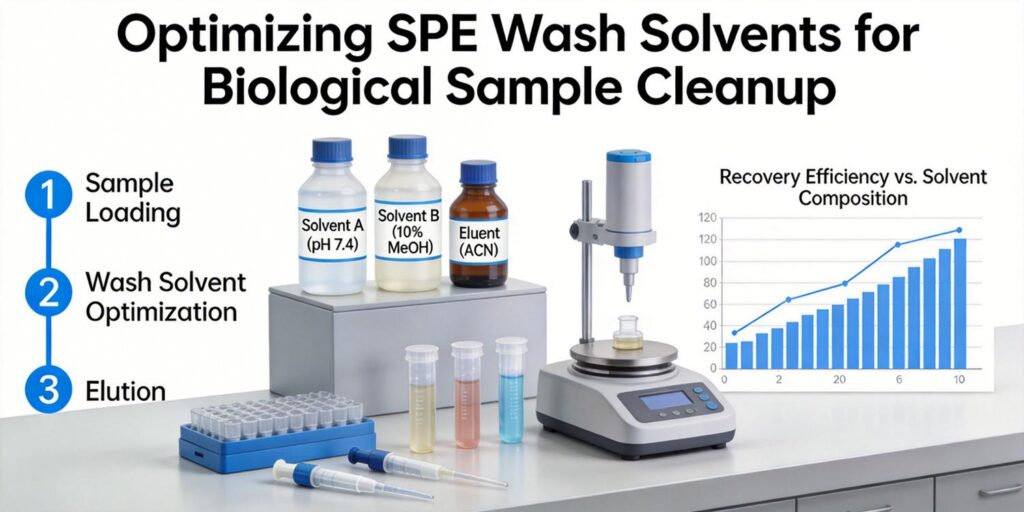
HLB SPE cartridges used for multi-residue pharmaceutical extraction

Method Development Strategy for HLB SPE in Multi-Residue Pharmaceutical Analysis

Overview of Multi-Residue Pharmaceutical Screening Requirements Multi-residue pharmaceutical analysis represents one of the most challenging frontiers in analytical chemistry, requiring simultaneous extraction and quantification of diverse pharmaceutical compounds from complex biological and environmental matrices. The fundamental requirement for such screening methods is comprehensive coverage of analytes spanning broad chemical diversity while maintaining analytical sensitivity and

Method Development Strategy for HLB SPE in Multi-Residue Pharmaceutical Analysis Read More »

chart illustrating SPE sorbent selection based on polarity

Selecting SPE Sorbents Based on Analyte Polarity

Understanding Analyte Polarity: The Foundation of SPE Sorbent Selection Solid-phase extraction (SPE) represents a cornerstone technology in modern analytical chemistry, enabling scientists to isolate, concentrate, and purify target compounds from complex matrices. At the heart of successful SPE method development lies a fundamental understanding of analyte polarity and its relationship to sorbent chemistry. As Dr.

Selecting SPE Sorbents Based on Analyte Polarity Read More »

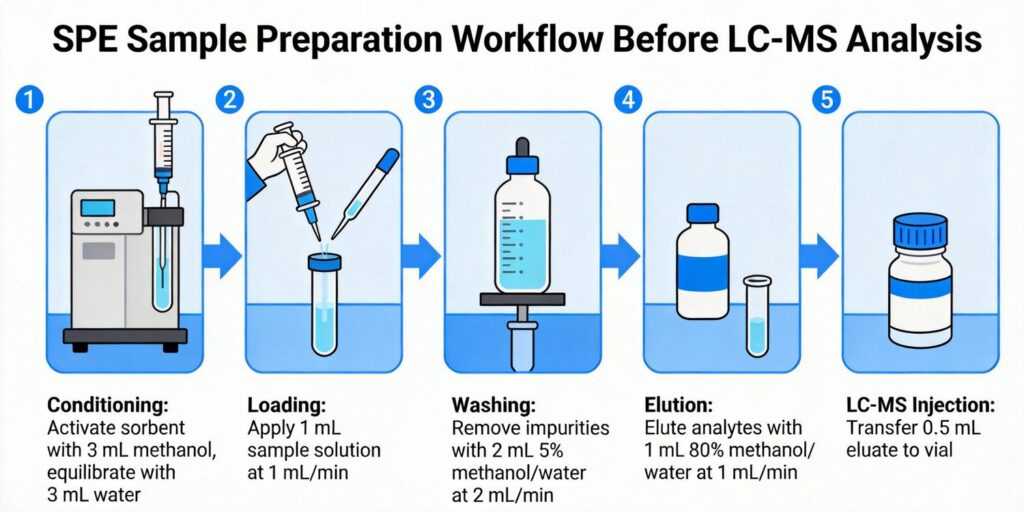
diagram of SPE cartridge extraction workflow

Solid Phase Extraction Basics for New Analytical Chemists

Understanding Solid Phase Extraction Fundamentals Solid Phase Extraction (SPE) represents a cornerstone technique in modern analytical chemistry, offering a sophisticated yet accessible approach to sample preparation. As Dr. Xu, product manager at Poseidon Scientific, I’ve witnessed firsthand how mastering SPE fundamentals can transform analytical workflows across pharmaceutical, environmental, clinical, and food safety laboratories. What Exactly

Solid Phase Extraction Basics for New Analytical Chemists Read More »

SPE cartridge used for trace contaminant extraction

SPE Method Development for LC-MS Trace Analysis

Analyte Polarity Mapping: The Foundation of SPE Method Development Successful SPE method development for LC-MS trace analysis begins with comprehensive analyte characterization. Before selecting any cartridge or solvent, you must map the polarity, pKa values, and functional groups of your target compounds. According to established SPE principles, this initial “homework” determines which extraction mechanisms are

SPE Method Development for LC-MS Trace Analysis Read More »

adjusting pH buffers for optimal cation exchange SPE extraction

Optimizing pH Conditions for Cation Exchange SPE

Ionization Principles for Analytes and Sorbent Groups Understanding ionization principles is fundamental to successful cation exchange solid phase extraction (SPE). The acid dissociation constant (pKa) represents the pH at which an analyte is 50% ionized, serving as the equilibrium point between protonated and deprotonated forms. For basic compounds (amines, alkaloids, pharmaceuticals), ionization occurs when the

Optimizing pH Conditions for Cation Exchange SPE Read More »

Shopping Cart
Poseidon Scientific
Privacy Overview

This website uses cookies so that we can provide you with the best user experience possible. Cookie information is stored in your browser and performs functions such as recognising you when you return to our website and helping our team to understand which sections of the website you find most interesting and useful.