SPE

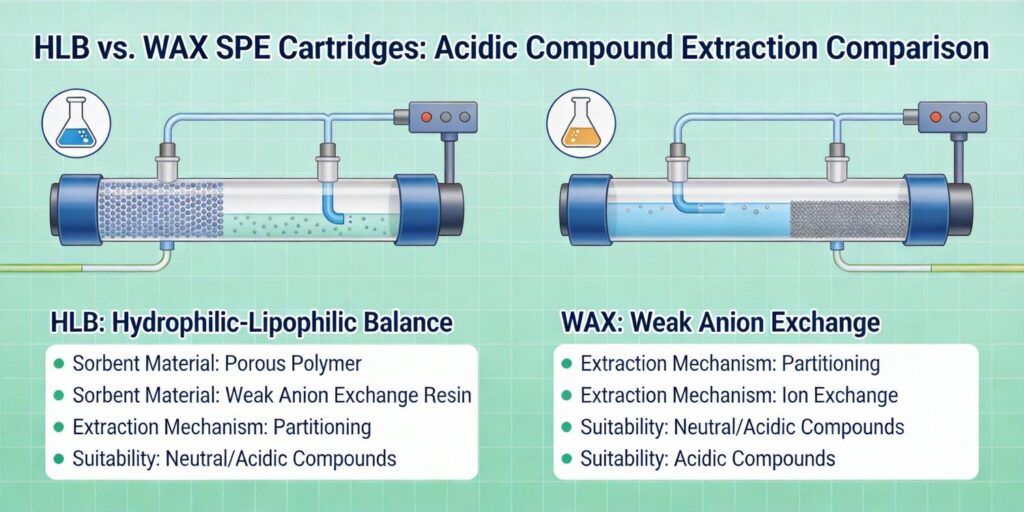
comparison of HLB and MAX SPE cartridges

Choosing Between HLB and MAX SPE for Acidic Drugs

Chemical Properties of Acidic Pharmaceuticals Acidic pharmaceuticals represent a diverse class of compounds characterized by their ability to donate protons in aqueous solutions. These drugs typically contain carboxylic acid (-COOH), sulfonic acid (-SO3H), or phenolic hydroxyl (-OH) functional groups that can dissociate to form negatively charged species. Understanding their chemical properties is fundamental to selecting […]

Choosing Between HLB and MAX SPE for Acidic Drugs Read More »

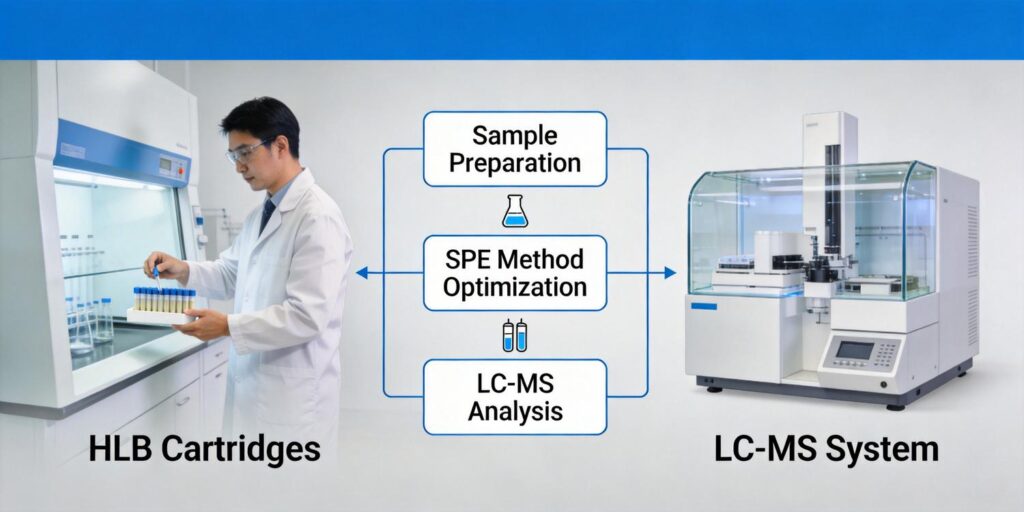
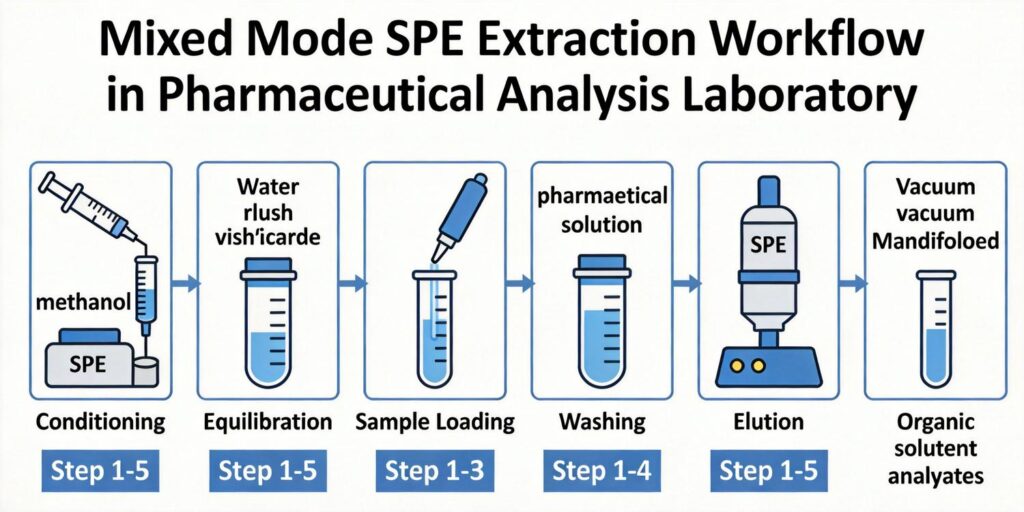
analytical chemistry laboratory SPE workflow

Why SPE Is Essential for Modern Analytical Laboratories

The Evolution of Sample Preparation Techniques Sample preparation has undergone a remarkable transformation over the past century, evolving from rudimentary separation methods to sophisticated, automated techniques. The journey began with early forms of chromatography that can be traced back to 23 AD, though the modern era truly began with Tswett’s 1906 work on chromatography. However,

Why SPE Is Essential for Modern Analytical Laboratories Read More »

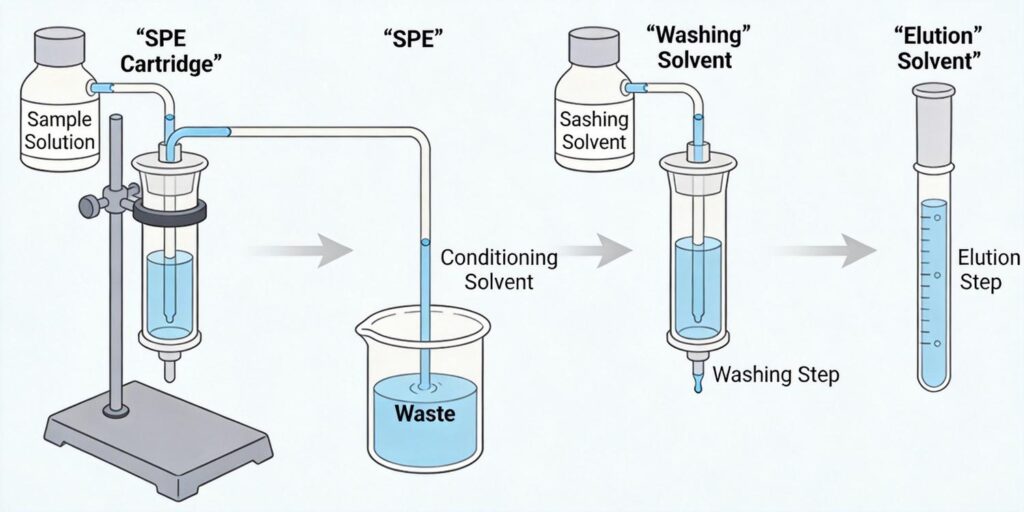
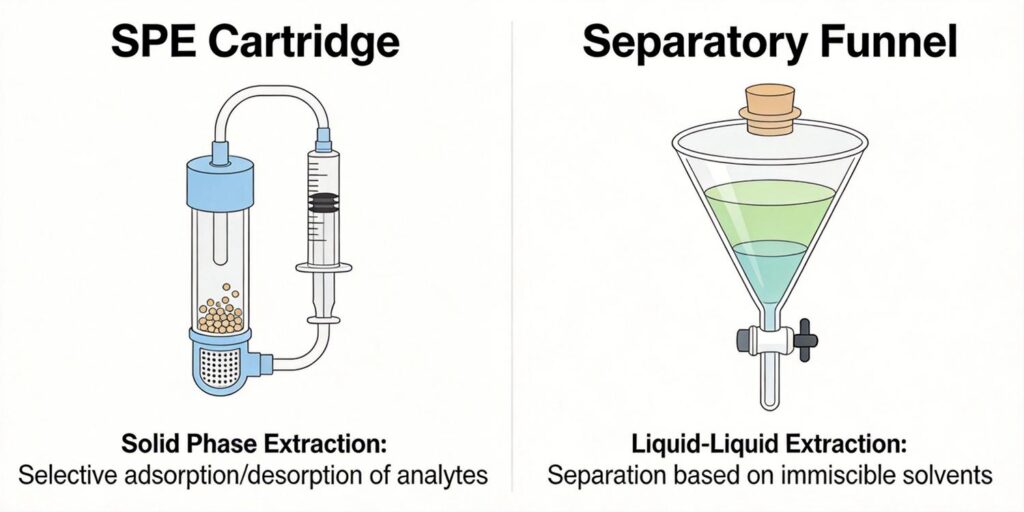
comparison of SPE and LLE workflows

SPE vs Liquid-Liquid Extraction: A Practical Comparison

Overview of LLE Workflow Liquid-Liquid Extraction (LLE) represents one of the most fundamental sample preparation techniques in analytical chemistry. The traditional LLE workflow involves several sequential steps that have remained largely unchanged for decades. First, the aqueous sample is placed in a separatory funnel with an immiscible organic solvent. The mixture is then vigorously shaken

SPE vs Liquid-Liquid Extraction: A Practical Comparison Read More »

diagram showing channeling inside SPE cartridge

Avoiding Channeling in SPE Cartridges

What Causes Channeling in SPE Cartridges Channeling in solid phase extraction (SPE) cartridges represents one of the most significant flow problems that can compromise extraction efficiency and analyte recovery. According to established literature, channeling occurs when liquids take the path of least resistance through the sorbent bed, creating tunnels or channels that bypass the majority

Avoiding Channeling in SPE Cartridges Read More »

elution of analytes from SPE cartridge

SPE Elution Solvent Selection Strategies

Elution Strength Principles Successful solid-phase extraction (SPE) elution fundamentally depends on selecting a solvent with the highest eluotropic strength toward the specific sorbent being used. This approach minimizes total elution volume while maximizing the concentration effect of SPE, which is particularly important for trace enrichment applications. The elution process involves creating a distribution where the

SPE Elution Solvent Selection Strategies Read More »

SPE wash step during extraction workflow

Wash Solvent Optimization in SPE Methods

1. Role of Wash Step in Sample Cleanup The wash step in solid-phase extraction (SPE) represents a critical juncture between sample loading and analyte elution, serving as the primary mechanism for selective matrix removal. As described in foundational SPE literature, this intermediate phase “removes unwanted, weakly retained materials” while preserving the target analytes on the

Wash Solvent Optimization in SPE Methods Read More »

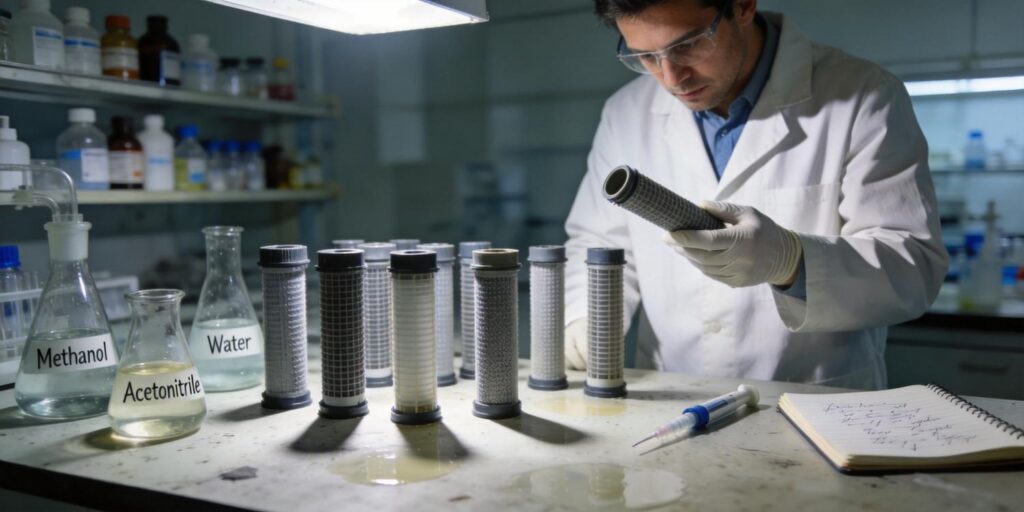
conditioning SPE cartridge in laboratory

SPE Cartridge Conditioning Protocols Explained

Purpose of Cartridge Conditioning Cartridge conditioning serves multiple critical functions in solid-phase extraction (SPE) protocols. As a product manager at Poseidon Scientific, I’ve observed that proper conditioning is the foundation of successful SPE applications, whether using our HLB, MAX, MCX, WAX, WCX, or 96-well plate formats. First and foremost, conditioning activates the sorbent functional groups.

SPE Cartridge Conditioning Protocols Explained Read More »

diagram showing pH effect on SPE extraction

Sample pH Optimization Strategies for Ion Exchange SPE

Understanding pKa and Analyte Ionization in Ion Exchange SPE The foundation of successful ion exchange solid phase extraction (SPE) lies in understanding the acid dissociation constant (pKa) of your target analytes. The pKa is defined as the pH at which an analyte is 50% ionized, representing the equilibrium point between ionized and non-ionized forms. This

Sample pH Optimization Strategies for Ion Exchange SPE Read More »

troubleshooting SPE extraction workflow

Troubleshooting Low Recovery in SPE Extraction

Breakthrough Due to Low Sorbent Capacity Breakthrough is the ineffective retention of target analytes on the solid phase sorbent, resulting in low analyte recovery. This occurs when the analyte passes through the column unretained during loading or wash phases. The most common cause of breakthrough during sample application is flow rates that exceed the sorbent

Troubleshooting Low Recovery in SPE Extraction Read More »

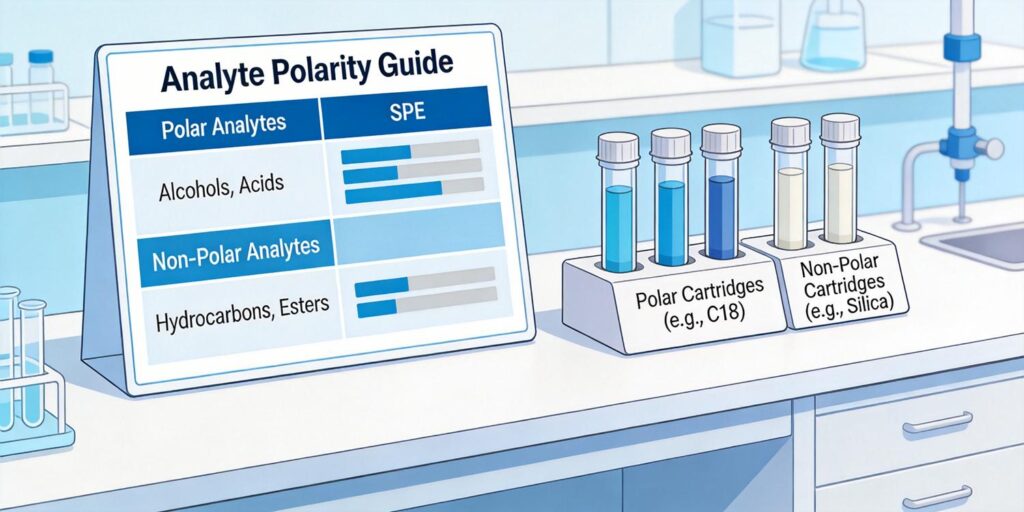
diagram explaining SPE sorbent selection

How to Select SPE Sorbent Based on Analyte Chemistry

Analyte Polarity Considerations The foundation of SPE sorbent selection begins with understanding analyte polarity. Polarity determines which intermolecular forces will dominate retention on the sorbent surface. Non-polar analytes like hydrocarbons, fat-soluble vitamins, triglycerides, steroids, aflatoxins, and phthalates primarily interact through van der Waals forces or hydrophobic interactions. These compounds are best retained on non-polar sorbents

How to Select SPE Sorbent Based on Analyte Chemistry Read More »

Shopping Cart
Poseidon Scientific
Privacy Overview

This website uses cookies so that we can provide you with the best user experience possible. Cookie information is stored in your browser and performs functions such as recognising you when you return to our website and helping our team to understand which sections of the website you find most interesting and useful.