

Method for Extracting Alkaloids from Plant Samples Using MCX SPE
Method for Extracting Alkaloids from Plant Samples Using MCX SPE Read More »
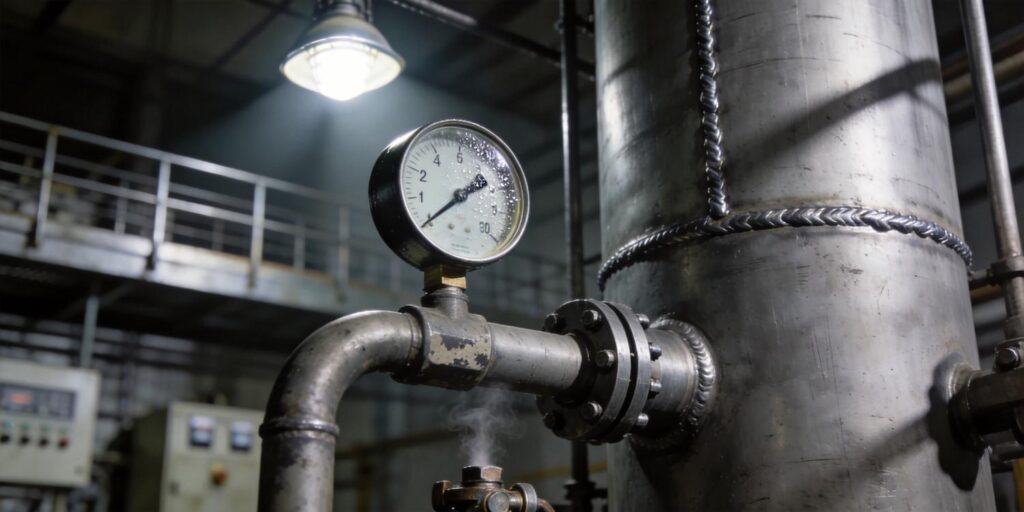
Distillation Vacuum Stage Requirements Vacuum distillation systems separate heat-sensitive compounds, high-boiling petroleum fractions, pharmaceuticals, and essential oils by lowering operating pressure. Reducing pressure lowers boiling points dramatically—water boils at 100 °C at atmosphere but at only 46 °C at 50 Torr—preventing thermal decomposition while improving separation efficiency. Most industrial and laboratory vacuum distillation processes operate
Optimizing Vacuum Measurement for Vacuum Distillation Systems Read More »
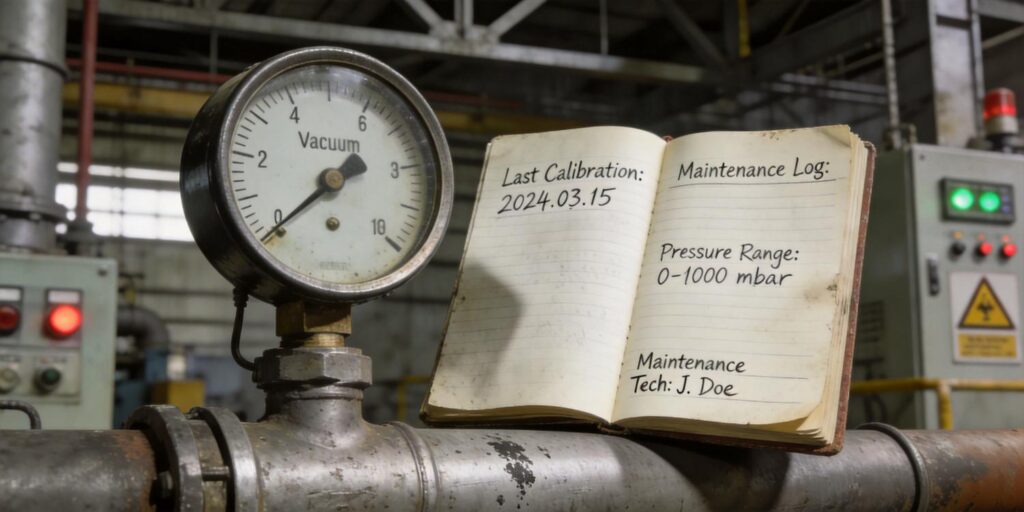
Electronic Aging Effects Vacuum gauge calibration drift over long operating cycles often originates in the electronics rather than the sensor itself. High-voltage converters in cold-cathode gauges and precision constant-temperature circuits in Pirani gauges rely on reference voltages, operational amplifiers, and capacitors that exhibit gradual aging. Even with high-stability components, resistor values can shift by 0.1–0.5
Vacuum Gauge Calibration Drift Over Long Operating Cycles Read More »
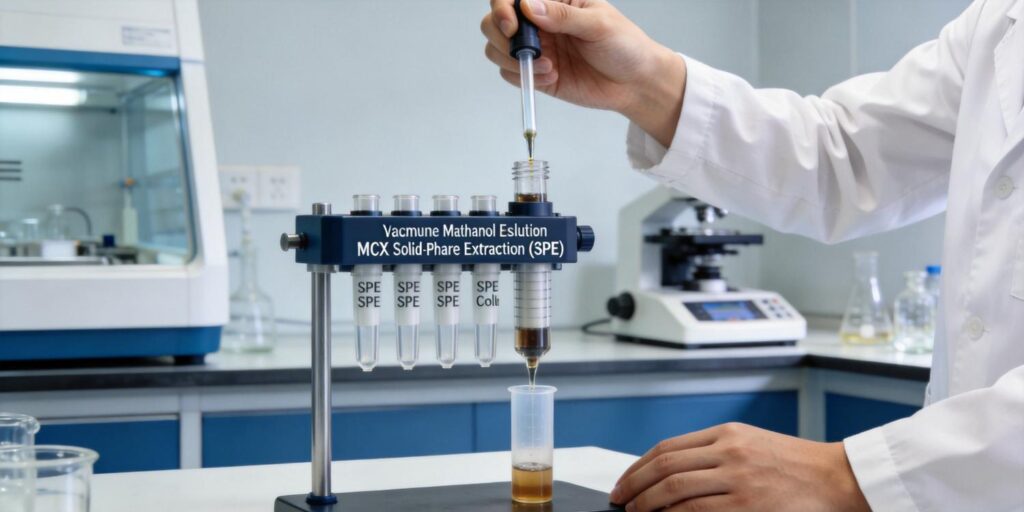
Chemical Structure of MCX Sorbent: Sulfonic Acid Functionality Mixed-mode cation exchange (MCX) cartridges represent a sophisticated approach to solid-phase extraction, combining both hydrophobic and ionic retention mechanisms. The sorbent consists of a silica-based substrate with bonded hydrophobic chains (typically C8 or C18) and sulfonic acid groups. These sulfonic acid moieties are strong acid functionalities (pKa
Optimizing SPE Elution Solvents for Basic Drug Extraction Using MCX Cartridges Read More »
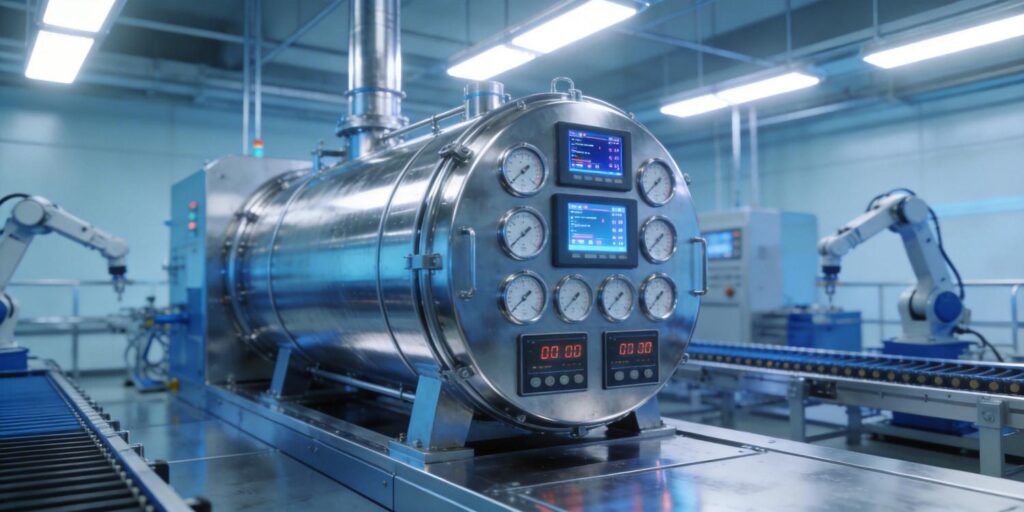
Required Vacuum Level for Aerospace Coating Aerospace component manufacturing demands ultra-clean deposition environments for protective coatings on turbine blades, landing gear, satellite structures, and avionics hardware. Physical vapor deposition (PVD) processes—including electron-beam PVD for thermal barrier coatings (TBCs) and magnetron sputtering for wear-resistant layers—require base pressures typically between 10⁻⁵ and 10⁻⁷ Torr (1.33 × 10⁻³
High Vacuum Monitoring in Aerospace Component Manufacturing Read More »

1. Nature of Humic and Fulvic Acid Interference in LC-MS Analysis Humic and fulvic acids constitute the primary components of dissolved organic matter (DOM) in environmental water samples, ranging from micrograms per liter in groundwater to milligrams per liter in surface freshwater. These complex macromolecular substances are amphiphilic in nature, containing both hydrophobic aromatic cores
SPE Protocol for Removing Humic Substances from Environmental Water Samples Read More »
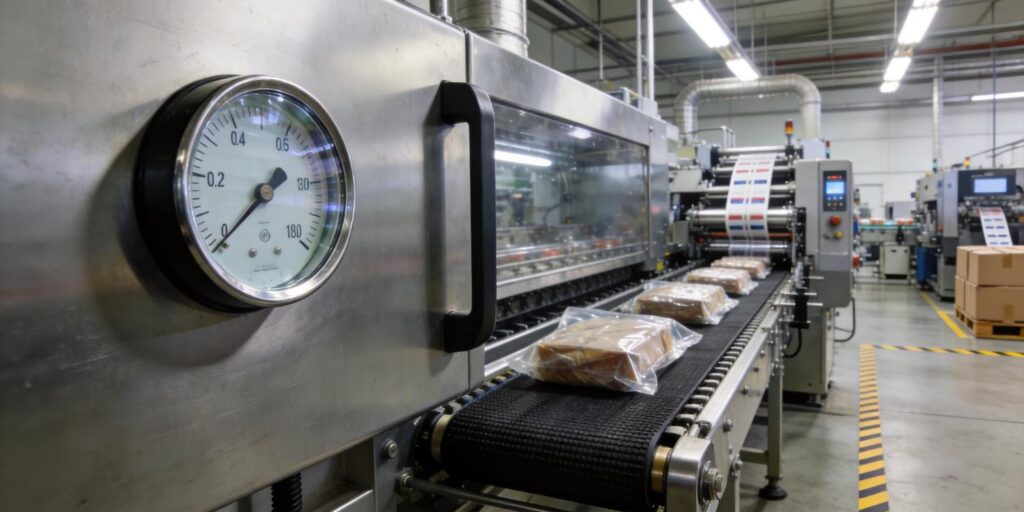
Packaging Vacuum Level Requirements Vacuum packaging systems for food, pharmaceuticals, and electronics demand precise pressure control to extend shelf life, prevent oxidation, and ensure hermetic seals. Most commercial vacuum chamber machines operate in the rough-vacuum regime—atmospheric pressure down to 1–50 Torr (1.33–66.7 mbar). This range removes >99 % of air while remaining fast enough for
Vacuum Gauge Application in Vacuum Packaging Systems Read More »

Overview of Multi-Residue Pharmaceutical Screening Requirements Multi-residue pharmaceutical analysis represents one of the most challenging frontiers in analytical chemistry, requiring simultaneous extraction and quantification of diverse pharmaceutical compounds from complex biological and environmental matrices. The fundamental requirement for such screening methods is comprehensive coverage of analytes spanning broad chemical diversity while maintaining analytical sensitivity and
Method Development Strategy for HLB SPE in Multi-Residue Pharmaceutical Analysis Read More »
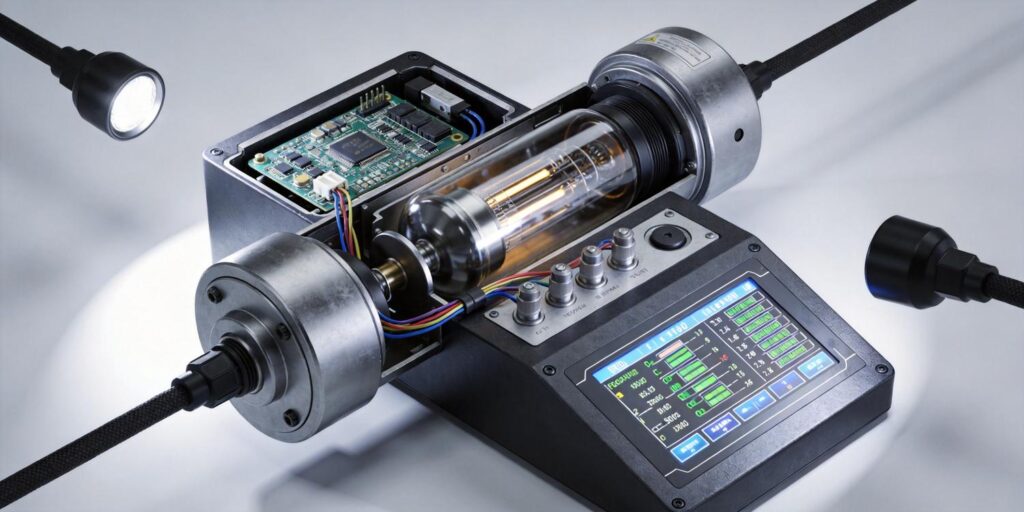
Cold Cathode Gauge Plasma Noise and Measurement Stability In high-vacuum applications—PVD coating, analytical instruments, semiconductor processing, and UHV research—stable pressure readings below 10⁻³ Torr are essential for process repeatability and equipment protection. Cold-cathode ionization gauges, such as the Poseidon Scientific VG-SM225, deliver this capability without filaments, but users frequently ask about plasma-related noise and long-term
Cold Cathode Gauge Plasma Noise and Measurement Stability Read More »