Environmental Analysis

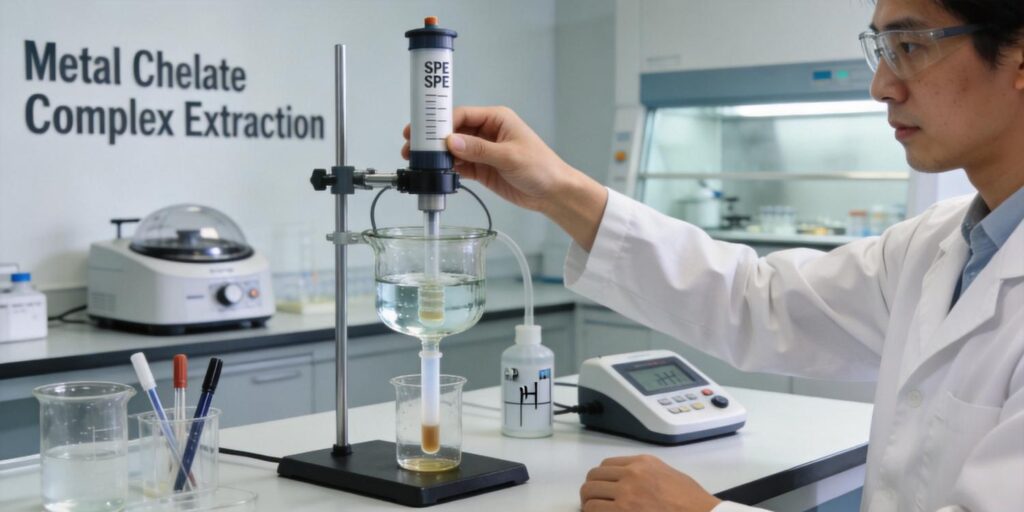
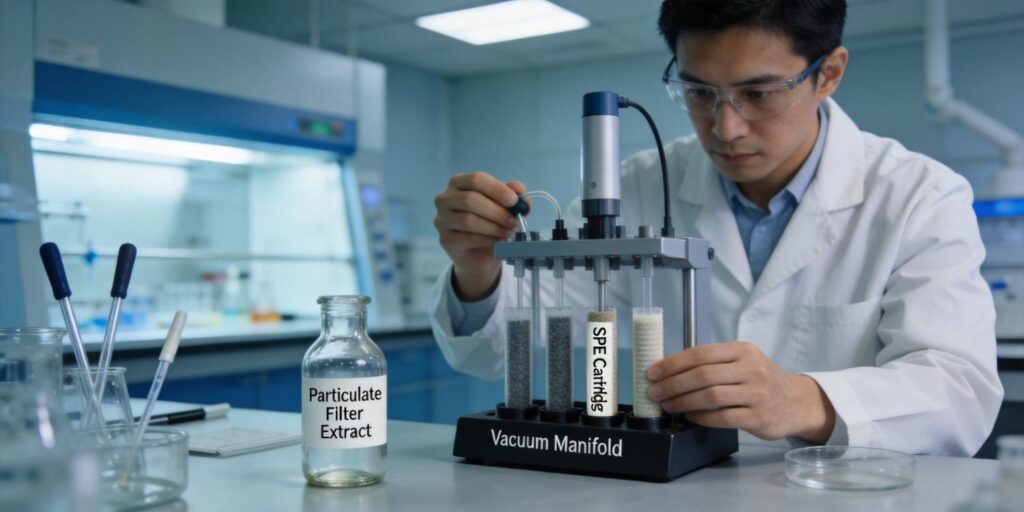
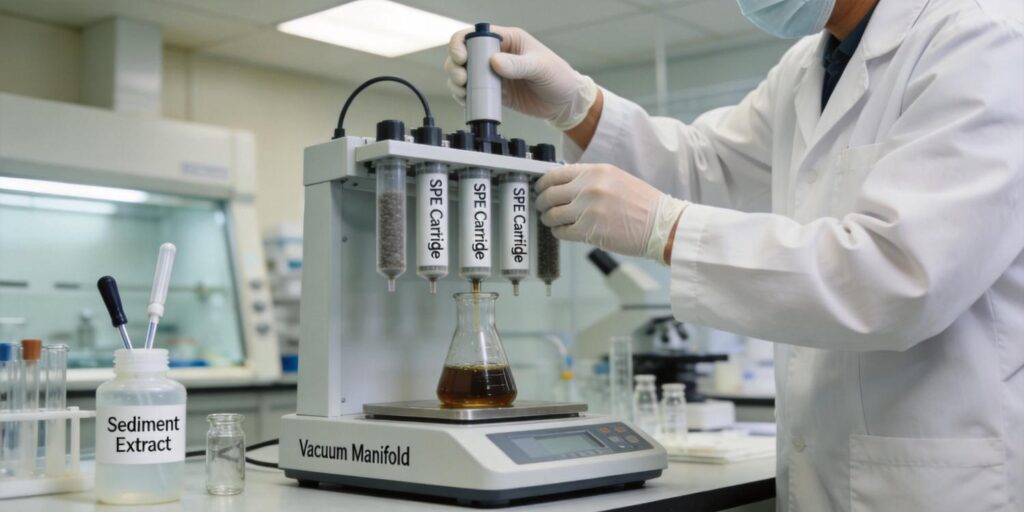
SPE cartridge concentrating trace pollutants from environmental samples

Using SPE to Preconcentrate Trace Organic Pollutants

Types of Trace Organic Pollutants in Environmental Samples Environmental monitoring laboratories routinely encounter a diverse array of trace organic pollutants that require preconcentration before analysis. These contaminants can be broadly categorized into several classes based on their chemical properties and environmental persistence. Pesticides and Herbicides Organochlorine pesticides such as DDT, lindane, and heptachlor represent some […]

Using SPE to Preconcentrate Trace Organic Pollutants Read More »

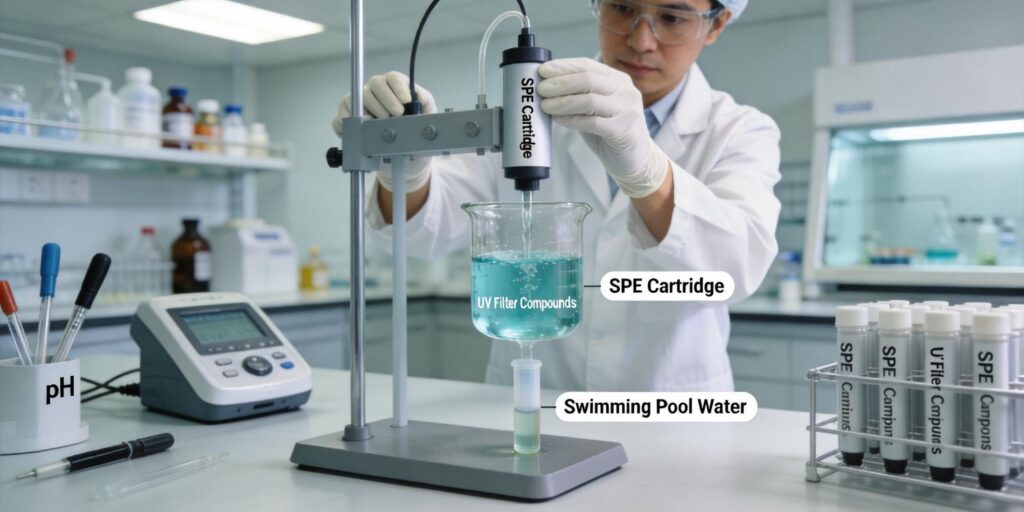
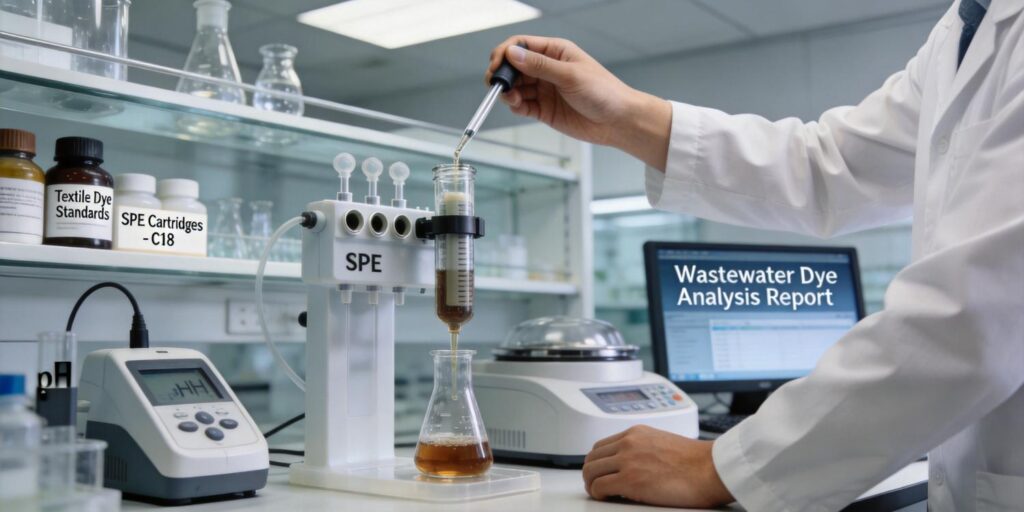
SPE cartridge extracting pharmaceutical contaminants from surface water

Optimizing SPE for Trace Pharmaceutical Compounds in Surface Water

Environmental Sources of Pharmaceutical Contamination Pharmaceutical compounds enter surface water systems through multiple pathways, creating complex environmental monitoring challenges. The primary sources include wastewater treatment plant effluents, agricultural runoff containing veterinary pharmaceuticals, improper disposal of unused medications, and industrial discharges from pharmaceutical manufacturing facilities. These compounds persist in aquatic environments due to their designed biological

Optimizing SPE for Trace Pharmaceutical Compounds in Surface Water Read More »

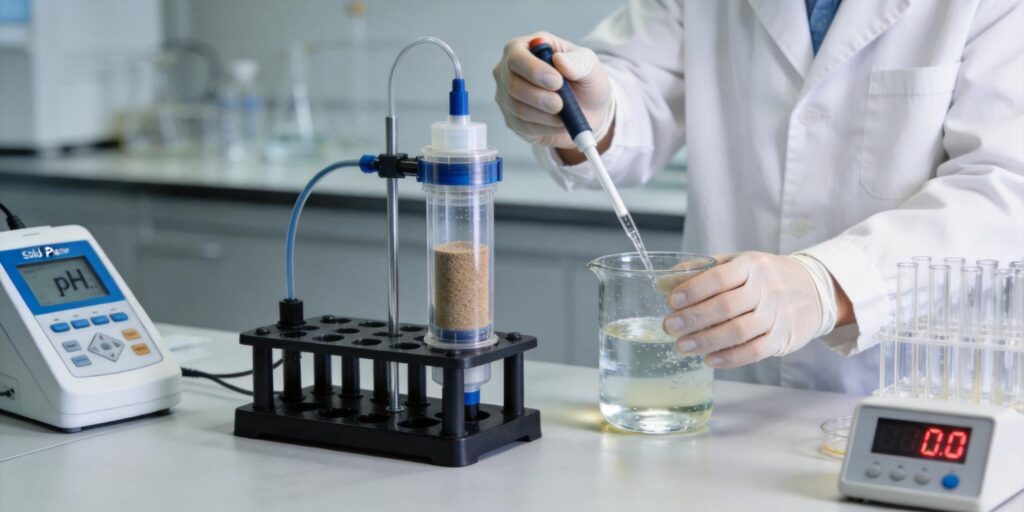
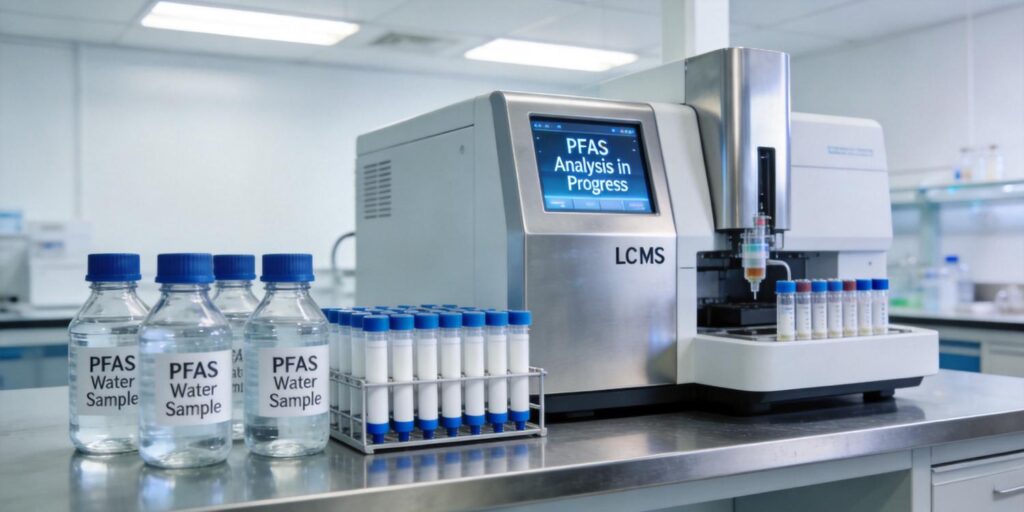
SPE cartridge extracting PFAS contaminants from environmental water samples

SPE Sample Preparation for PFAS Analysis in Environmental Water

Introduction to PFAS Contamination Concerns Per- and polyfluoroalkyl substances (PFAS) represent one of the most challenging environmental contaminants facing analytical chemists today. These synthetic chemicals, characterized by their strong carbon-fluorine bonds, have been widely used in industrial applications and consumer products for decades. Their persistence in the environment, bioaccumulation potential, and emerging evidence of health

SPE Sample Preparation for PFAS Analysis in Environmental Water Read More »

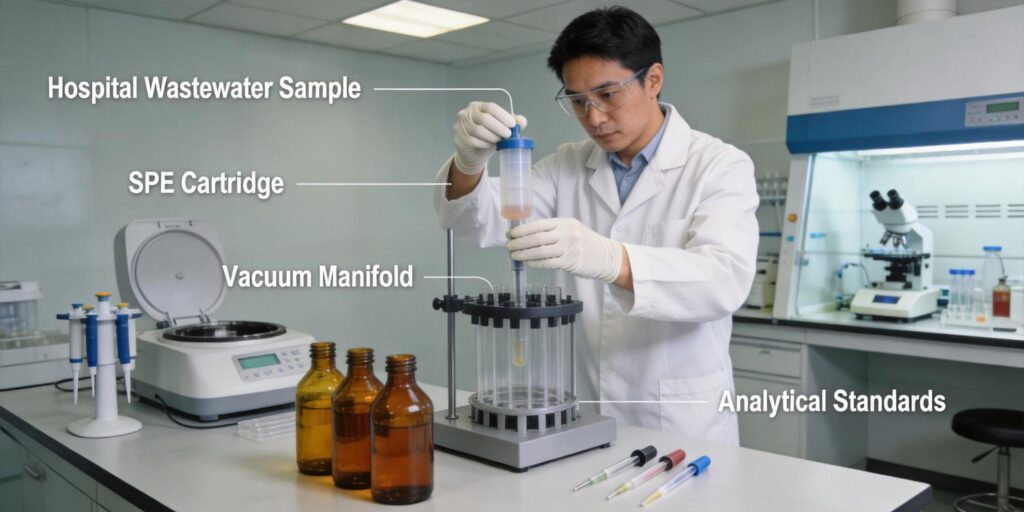
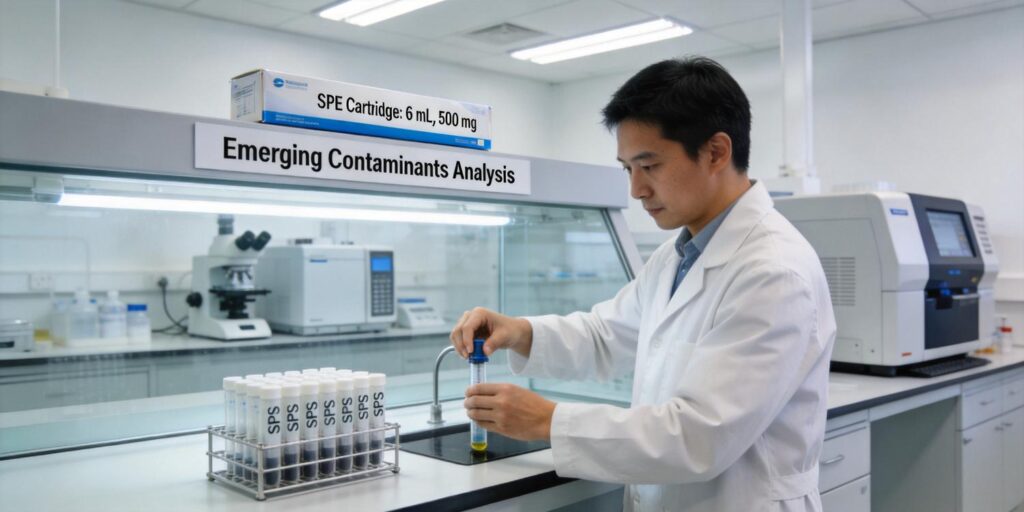
SPE cartridge extracting pharmaceutical contaminants from wastewater samples

SPE Workflow for Trace Pharmaceutical Contaminants in Wastewater

Pharmaceutical Contaminants Commonly Detected in Wastewater Wastewater analysis reveals a diverse array of pharmaceutical contaminants originating from human excretion, improper disposal, and manufacturing effluents. These compounds typically exist at trace concentrations (ng/L to μg/L) but pose significant environmental concerns due to their biological activity. Common classes include: Analgesics and Anti-inflammatories: Ibuprofen, diclofenac, naproxen, acetaminophen Antibiotics:

SPE Workflow for Trace Pharmaceutical Contaminants in Wastewater Read More »

SPE cartridge concentrating trace contaminants from environmental water samples

Using SPE to Concentrate Trace Contaminants in Environmental Samples

Environmental Contaminants Monitored at Trace Levels Environmental monitoring programs routinely target contaminants at part-per-billion (ppb) and part-per-trillion (ppt) concentrations. These trace-level pollutants include pesticides (triazines, organophosphates, carbamates), pharmaceuticals, industrial chemicals (PCBs, PAHs, phenols), endocrine disruptors, and heavy metals. The challenge for analytical chemists is that these compounds exist at concentrations far below the detection limits

Using SPE to Concentrate Trace Contaminants in Environmental Samples Read More »

SPE cartridge extraction of pesticide residues from drinking water samples

SPE Strategies for Sample Preparation of Pesticides in Drinking Water

Regulatory Limits for Pesticides in Drinking Water Drinking water safety is governed by stringent regulatory frameworks worldwide, with pesticide monitoring being a critical component of water quality assessment. The U.S. Environmental Protection Agency (EPA) establishes Maximum Contaminant Levels (MCLs) for specific pesticides in drinking water under the Safe Drinking Water Act. These limits are typically

SPE Strategies for Sample Preparation of Pesticides in Drinking Water Read More »

SPE cartridge extracting endocrine disrupting compounds from water sample

SPE Sample Preparation for LC-MS Detection of Endocrine Disruptors in Water

1. Overview of Endocrine Disrupting Compounds in Water Endocrine disrupting compounds (EDCs) represent a significant environmental concern due to their ability to interfere with hormonal systems at trace concentrations. These compounds include diverse chemical classes such as bisphenols (notably bisphenol A), natural and synthetic hormones (estrogens, androgens), pharmaceuticals, pesticides, and industrial chemicals. According to research,

SPE Sample Preparation for LC-MS Detection of Endocrine Disruptors in Water Read More »

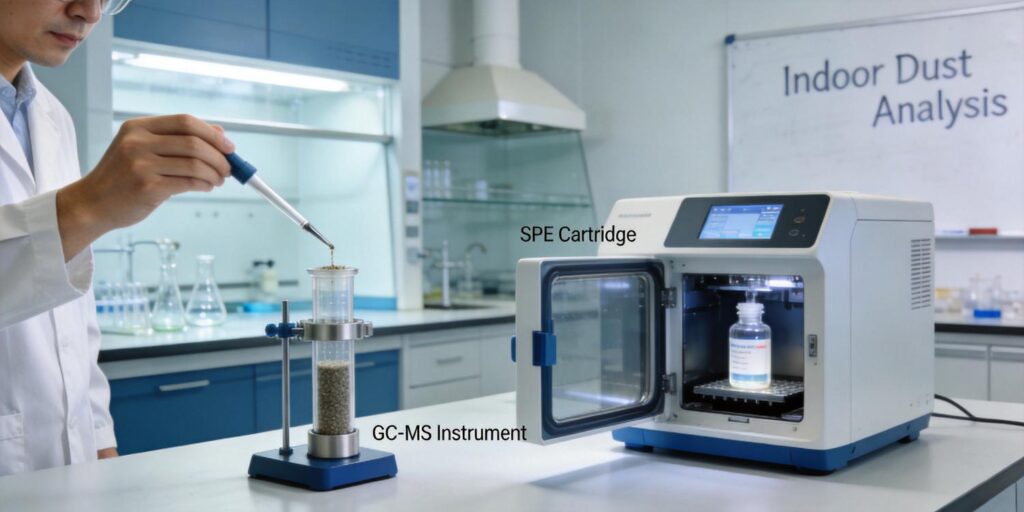
SPE cartridge extracting herbicide residues from soil extract

SPE Workflow for Extracting Herbicide Residues from Agricultural Soil

Soil Sampling and Drying Procedures Effective extraction of herbicide residues from agricultural soil begins with proper sample collection and preparation. Representative soil samples should be collected from multiple locations within the field using a soil corer or auger to obtain a composite sample. The sampling depth should correspond to the herbicide application zone, typically 0-15

SPE Workflow for Extracting Herbicide Residues from Agricultural Soil Read More »

SPE cartridge extracting antibiotics from wastewater sample

SPE Method Development for Trace Antibiotic Detection in Wastewater

Target Antibiotic Classes: Understanding Polarity and pKa Ranges Developing an effective SPE method for trace antibiotic detection in wastewater begins with understanding the physicochemical properties of target compounds. The three major antibiotic classes—sulfonamides, fluoroquinolones, and macrolides—exhibit diverse polarity and ionization characteristics that directly influence SPE retention and elution strategies. Sulfonamides Sulfonamide antibiotics typically contain an

SPE Method Development for Trace Antibiotic Detection in Wastewater Read More »

SPE cartridge extracting pesticide residues from environmental water sample

SPE Sample Preparation for Trace Pesticide Detection in River Water

Trace Pesticide Contamination Concerns in River Water River water monitoring for trace pesticide contamination represents one of the most critical environmental analytical challenges facing regulatory agencies and research institutions today. Pesticides, even at sub-part-per-billion (ppb) levels, can have profound ecological impacts, affecting aquatic life, disrupting ecosystems, and potentially entering drinking water supplies. The analytical challenge

SPE Sample Preparation for Trace Pesticide Detection in River Water Read More »

Shopping Cart
Poseidon Scientific
Privacy Overview

This website uses cookies so that we can provide you with the best user experience possible. Cookie information is stored in your browser and performs functions such as recognising you when you return to our website and helping our team to understand which sections of the website you find most interesting and useful.