Environmental Analysis

SPE cartridge extraction of PFAS contaminants from drinking water

SPE Extraction of PFAS from Drinking Water

PFAS Contamination Sources in Drinking Water Systems Per- and polyfluoroalkyl substances (PFAS) represent a significant challenge in drinking water safety due to their persistence and widespread contamination. These synthetic chemicals originate from multiple industrial and consumer sources, including firefighting foams used at military bases and airports, industrial manufacturing processes (particularly fluoropolymer production), and consumer products […]
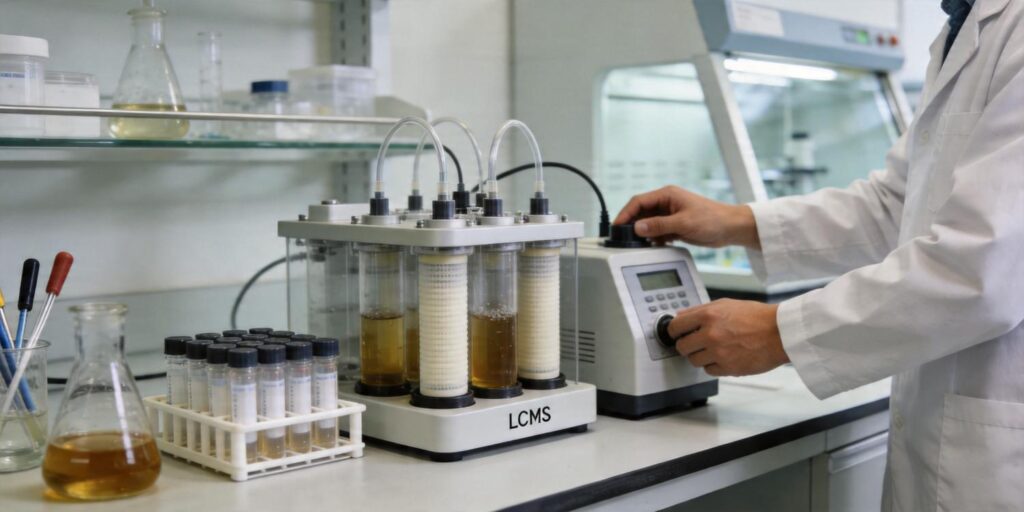
SPE Extraction of PFAS from Drinking Water Read More »

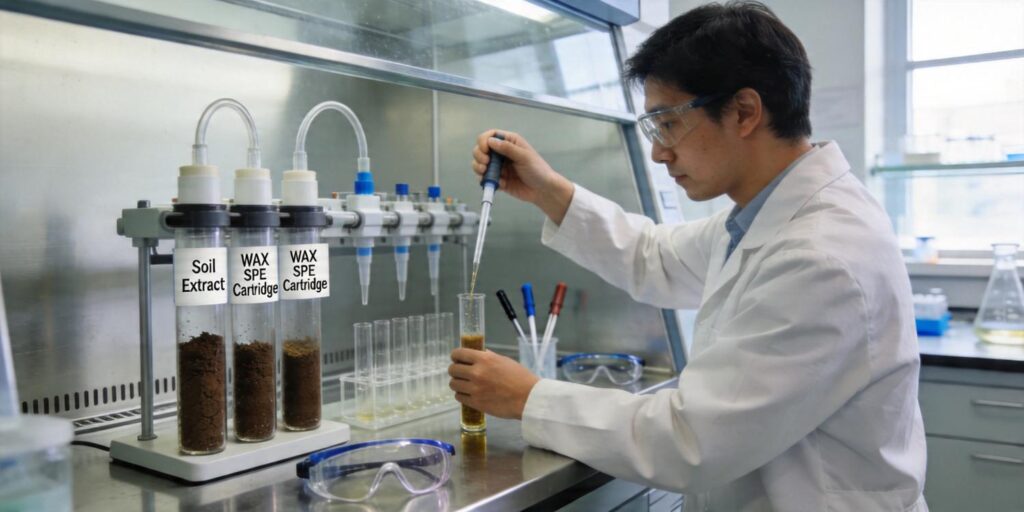
WAX SPE cartridge extraction of acidic herbicides from soil samples

Using WAX SPE for Extraction of Acidic Herbicides from Soil

Chemical Characteristics of Acidic Herbicides Acidic herbicides such as 2,4-D (2,4-dichlorophenoxyacetic acid) and dicamba (3,6-dichloro-2-methoxybenzoic acid) represent a critical class of agricultural chemicals characterized by their carboxylic acid functional groups. These compounds typically exhibit pKa values below 5, making them strong acids that exist predominantly in their anionic forms at environmental pH levels. The presence

Using WAX SPE for Extraction of Acidic Herbicides from Soil Read More »

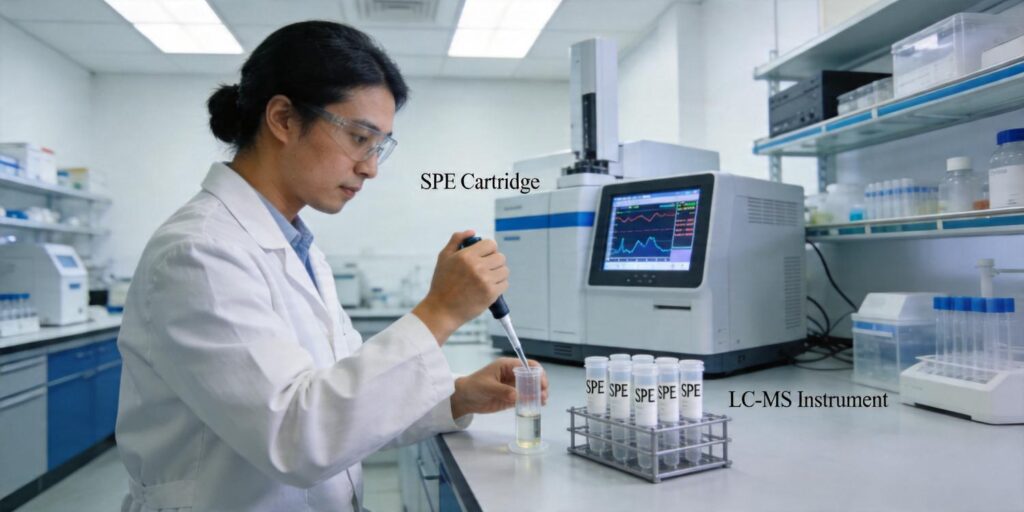
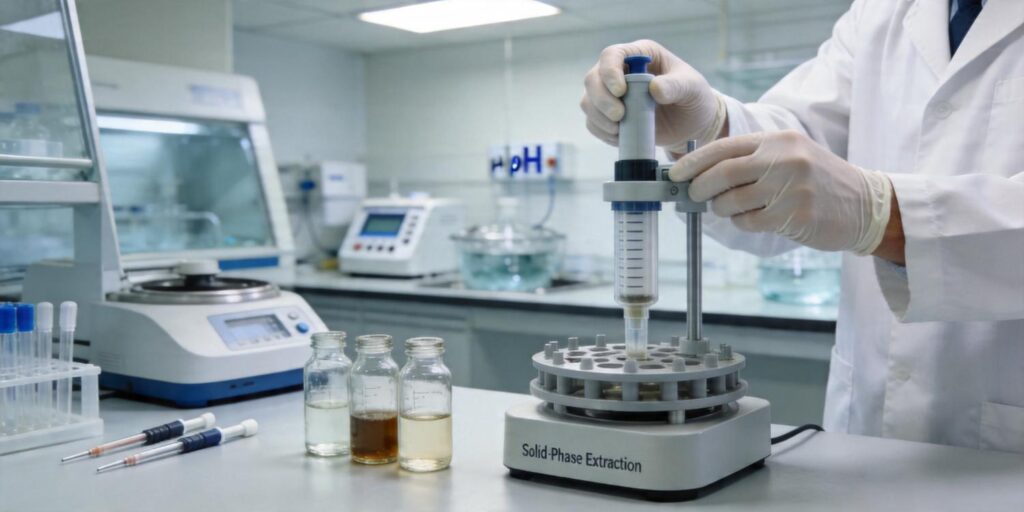
SPE cartridge workflow extracting pharmaceutical residues from wastewater samples

Optimizing SPE Recovery for Trace Pharmaceuticals in Wastewater

Challenges of Detecting Trace Pharmaceuticals (ng/L Levels) The analysis of pharmaceuticals in wastewater at trace concentrations (ng/L levels) presents significant analytical challenges. At these ultra-low concentrations, even minor losses during sample preparation can lead to substantial errors in quantification. The complexity of wastewater matrices compounds these difficulties, as humic acids, suspended solids, and other organic

Optimizing SPE Recovery for Trace Pharmaceuticals in Wastewater Read More »

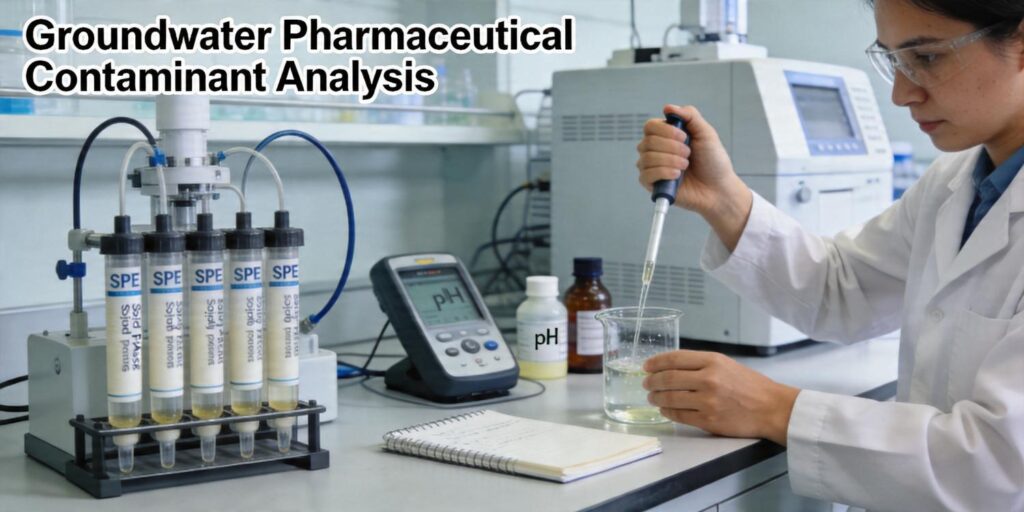
SPE extraction of pharmaceutical contaminants from groundwater

SPE Workflow for Trace Pharmaceutical Residues in Groundwater

Sources of Pharmaceutical Contamination in Groundwater Pharmaceutical residues in groundwater originate from multiple anthropogenic sources, creating complex environmental challenges. The primary pathways include wastewater treatment plant effluents, agricultural runoff from livestock operations, landfill leachate, and improper disposal of unused medications. Unlike industrial pollutants, pharmaceuticals are designed to be biologically active at low concentrations, making even

SPE Workflow for Trace Pharmaceutical Residues in Groundwater Read More »

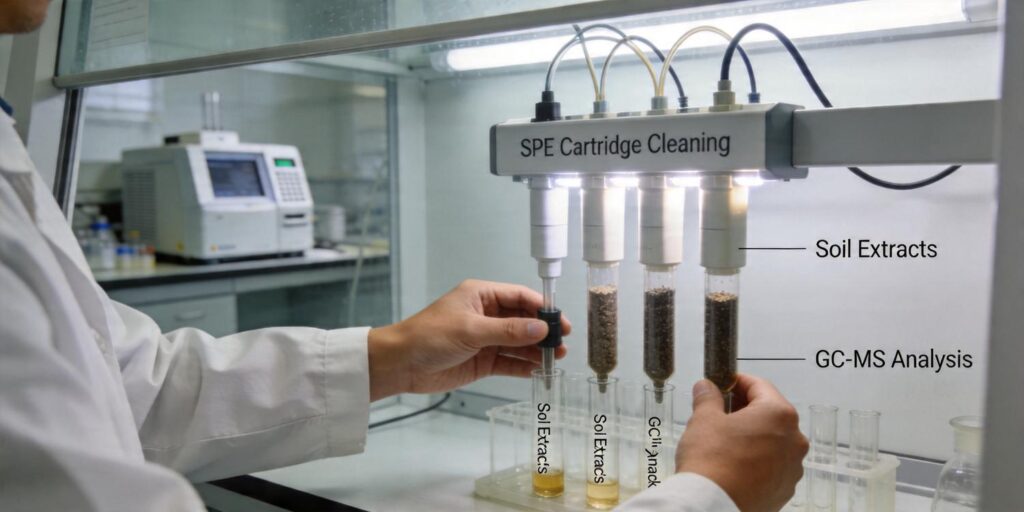
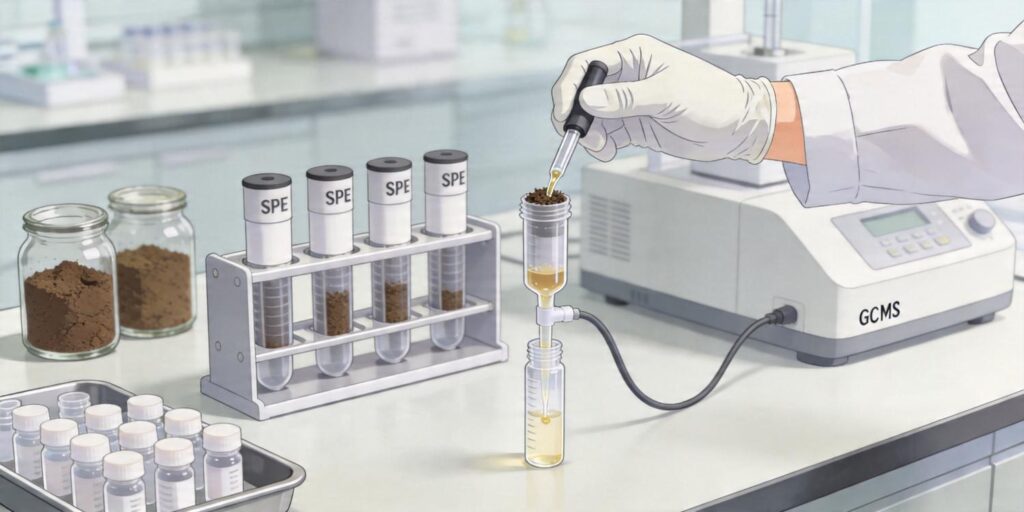
SPE cleanup of soil extracts prior to GC-MS environmental analysis

SPE Cleanup of Environmental Soil Extracts Before GC-MS

Soil Extraction Methods for Organic Contaminants Environmental soil analysis begins with effective extraction of organic contaminants from complex soil matrices. The primary challenge lies in liberating analytes from solid matrices into liquid phases suitable for SPE processing. Traditional methods like Soxhlet extraction remain widely used, particularly for chlorinated pesticides and persistent organic pollutants. According to

SPE Cleanup of Environmental Soil Extracts Before GC-MS Read More »

SPE extraction of endocrine disruptors from drinking water

SPE Extraction of Endocrine Disruptors from Drinking Water

Sources of Endocrine Disrupting Chemicals in Water Endocrine disrupting chemicals (EDCs) represent a diverse class of contaminants that can interfere with hormonal systems in humans and wildlife at trace concentrations. These compounds enter drinking water sources through multiple pathways, creating complex analytical challenges for water quality monitoring. Industrial effluents discharge synthetic chemicals like bisphenol A

SPE Extraction of Endocrine Disruptors from Drinking Water Read More »

SPE extraction workflow for PFAS contaminants in water

Environmental Monitoring of PFAS Using SPE

Background of PFAS Contamination in Water Per- and polyfluoroalkyl substances (PFAS) represent a class of synthetic chemicals that have become a significant environmental concern due to their persistence, bioaccumulation potential, and widespread contamination of water resources. These compounds, characterized by strong carbon-fluorine bonds, have been used extensively in industrial applications and consumer products since the

Environmental Monitoring of PFAS Using SPE Read More »

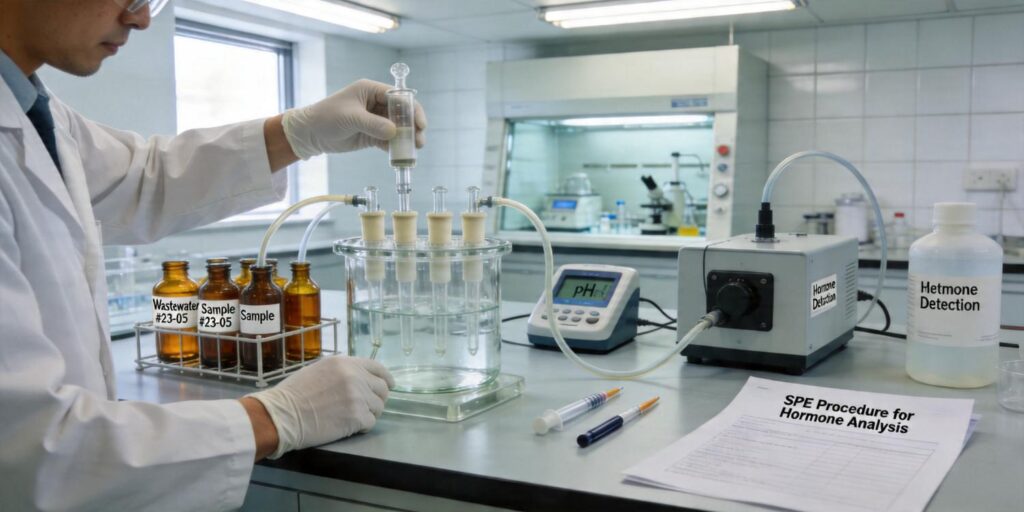
SPE extraction of hormone contaminants from wastewater samples

SPE Method for Hormone Detection in Wastewater

Environmental Impact of Endocrine Disrupting Hormones Endocrine disrupting compounds (EDCs), particularly steroid hormones, represent one of the most significant emerging environmental contaminants in wastewater systems. These compounds, which include natural estrogens (estrone, estradiol, estriol) and synthetic hormones (ethinylestradiol), enter wastewater treatment plants through domestic sewage, hospital effluents, and agricultural runoff. Despite their typically low concentrations

SPE Method for Hormone Detection in Wastewater Read More »

SPE cleanup workflow for PAHs in soil extracts before GC-MS analysis

SPE Cleanup of Polycyclic Aromatic Hydrocarbons (PAHs) in Soil Samples

Analytical Challenge of PAHs in Soil Matrices: Organic Matter Interference Polycyclic aromatic hydrocarbons (PAHs) represent one of the most challenging classes of environmental contaminants to analyze in soil matrices. The primary analytical hurdle stems from the complex soil composition, particularly the presence of natural organic matter (NOM) including humic and fulvic acids. According to environmental

SPE Cleanup of Polycyclic Aromatic Hydrocarbons (PAHs) in Soil Samples Read More »

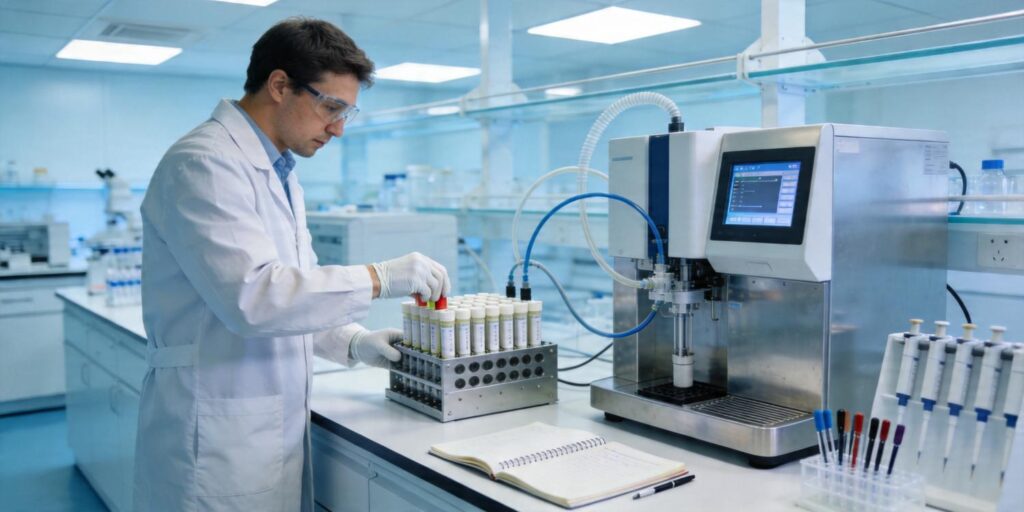
SPE extraction of pharmaceutical contaminants from hospital wastewater

SPE Extraction of Pharmaceutical Compounds from Hospital Effluent

Pharmaceutical Discharge from Medical Facilities Hospital effluent represents a significant source of pharmaceutical compounds entering aquatic environments. Medical facilities routinely discharge wastewater containing a complex mixture of active pharmaceutical ingredients (APIs), their metabolites, and transformation products. This discharge occurs through various pathways including patient excretion, disposal of unused medications, and cleaning of medical equipment. The

SPE Extraction of Pharmaceutical Compounds from Hospital Effluent Read More »

Shopping Cart
Poseidon Scientific
Privacy Overview

This website uses cookies so that we can provide you with the best user experience possible. Cookie information is stored in your browser and performs functions such as recognising you when you return to our website and helping our team to understand which sections of the website you find most interesting and useful.