Environmental Analysis

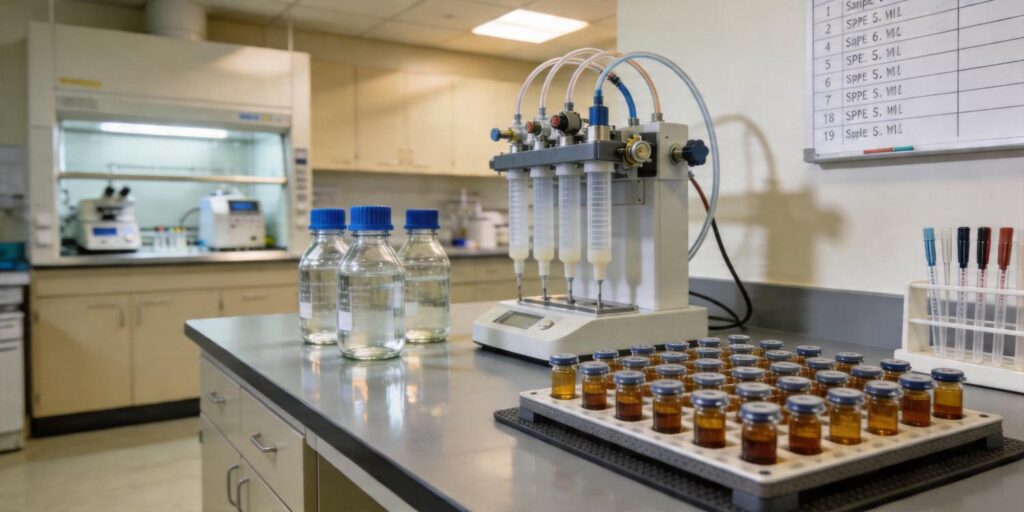
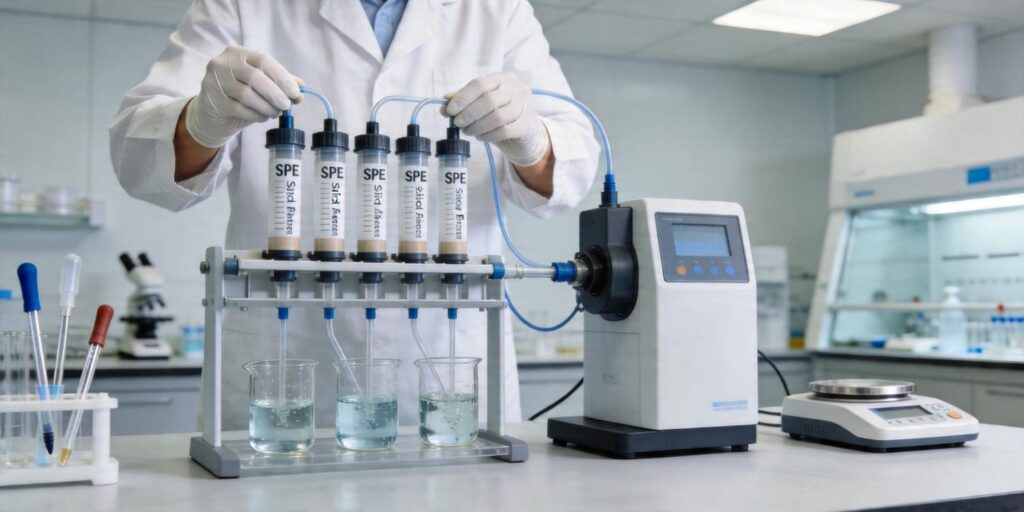
SPE extraction of disinfection byproducts from water samples

SPE Sample Preparation for Monitoring Disinfection Byproducts in Water

Formation of Disinfection Byproducts During Water Treatment Disinfection byproducts (DBPs) are unintended chemical compounds formed when disinfectants used in water treatment react with naturally occurring organic matter, bromide, and iodide in source water. The primary disinfectants involved in DBP formation include chlorine, chloramine, ozone, and chlorine dioxide. When these disinfectants oxidize organic precursors such as […]

SPE Sample Preparation for Monitoring Disinfection Byproducts in Water Read More »
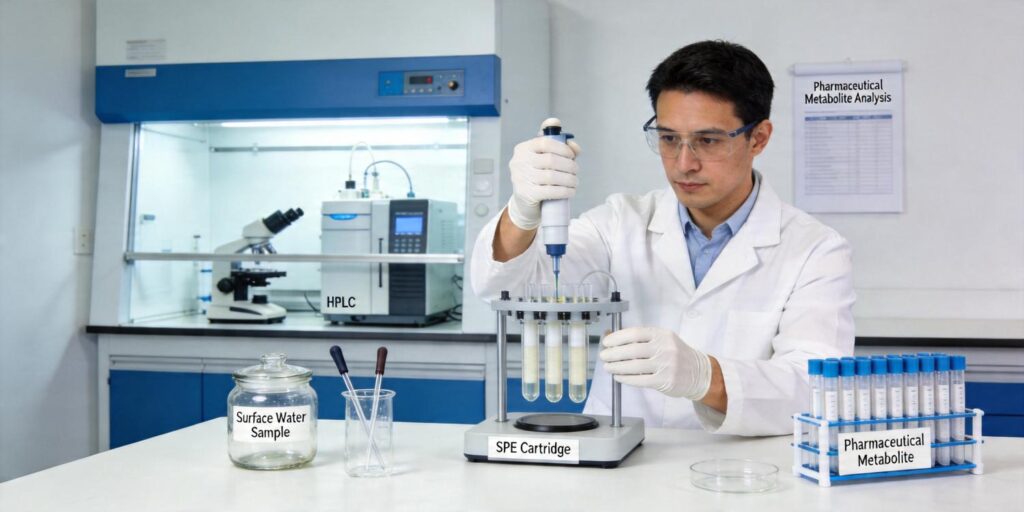
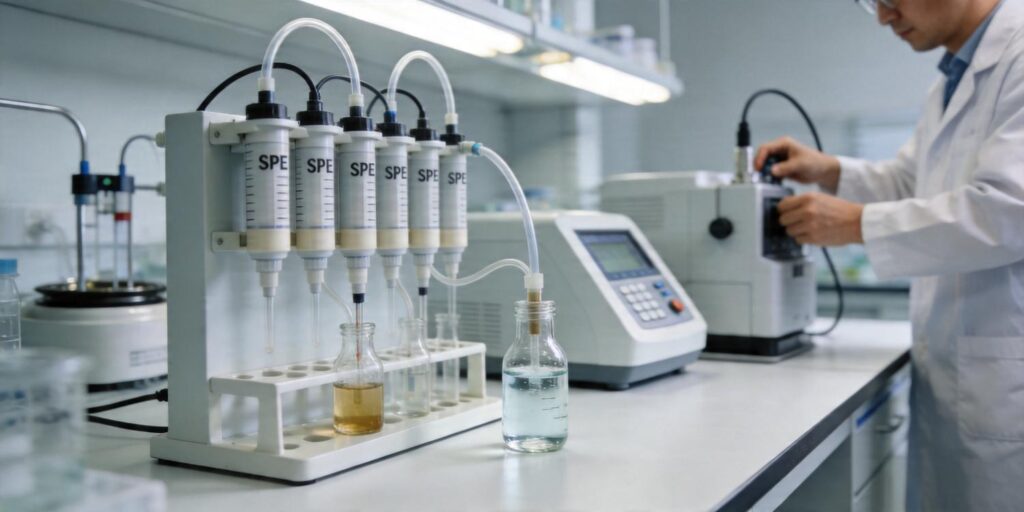
SPE extraction of pharmaceutical metabolites from surface water samples

SPE Extraction of Trace Pharmaceutical Metabolites in Surface Water

Sources of Pharmaceutical Metabolites in Aquatic Environments Pharmaceutical metabolites enter surface water systems through multiple pathways, creating complex environmental challenges. The primary sources include wastewater treatment plant (WWTP) effluents, agricultural runoff from livestock operations, and direct discharge from pharmaceutical manufacturing facilities. According to environmental monitoring studies, conventional WWTPs often fail to completely remove pharmaceutical compounds

SPE Extraction of Trace Pharmaceutical Metabolites in Surface Water Read More »

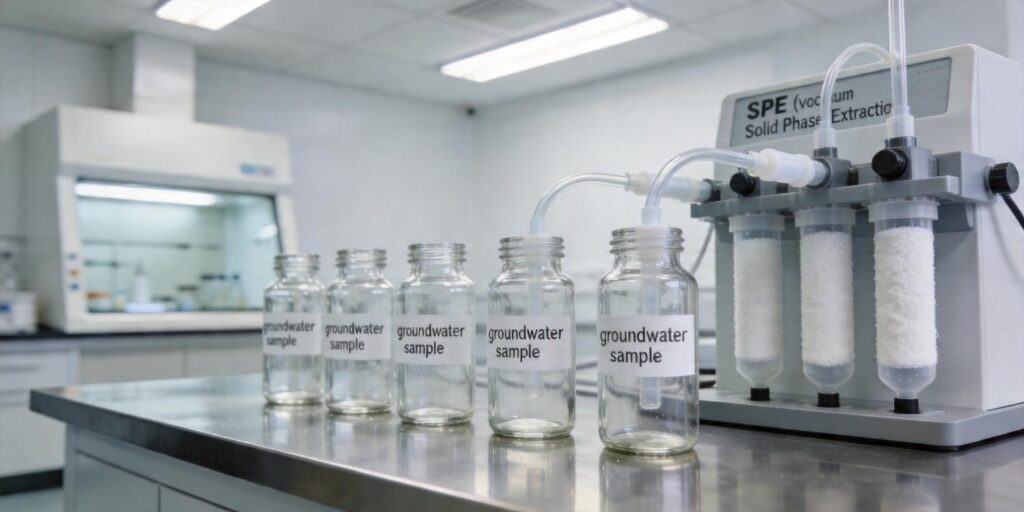
SPE extraction of solvent contaminants from groundwater samples

SPE Extraction of Trace Industrial Solvents in Groundwater

Industrial Solvent Contamination in Groundwater Systems Groundwater contamination by industrial solvents represents one of the most persistent environmental challenges facing regulatory agencies and remediation specialists worldwide. These contaminants typically enter subsurface aquifers through historical industrial activities, improper waste disposal, leaking underground storage tanks, or accidental spills. Once introduced, chlorinated solvents and other industrial chemicals can

SPE Extraction of Trace Industrial Solvents in Groundwater Read More »

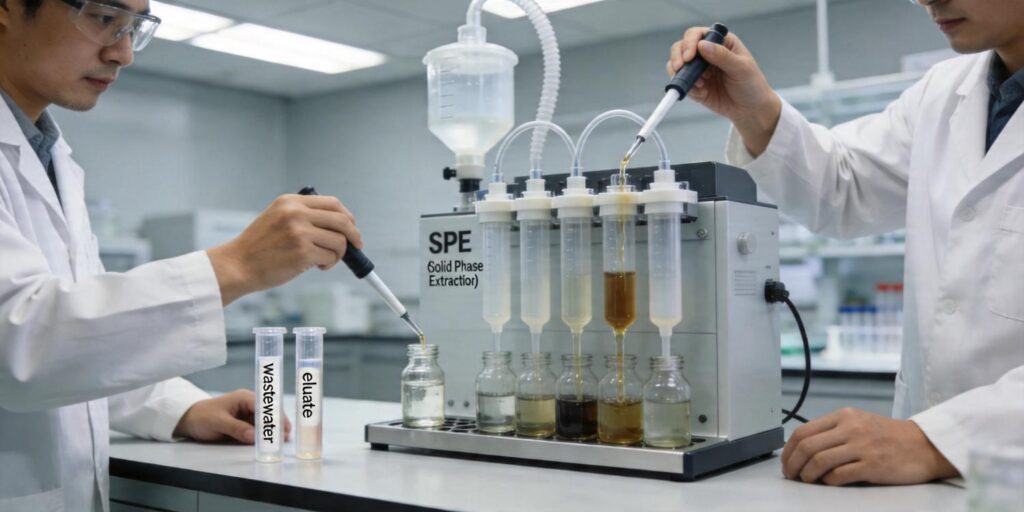
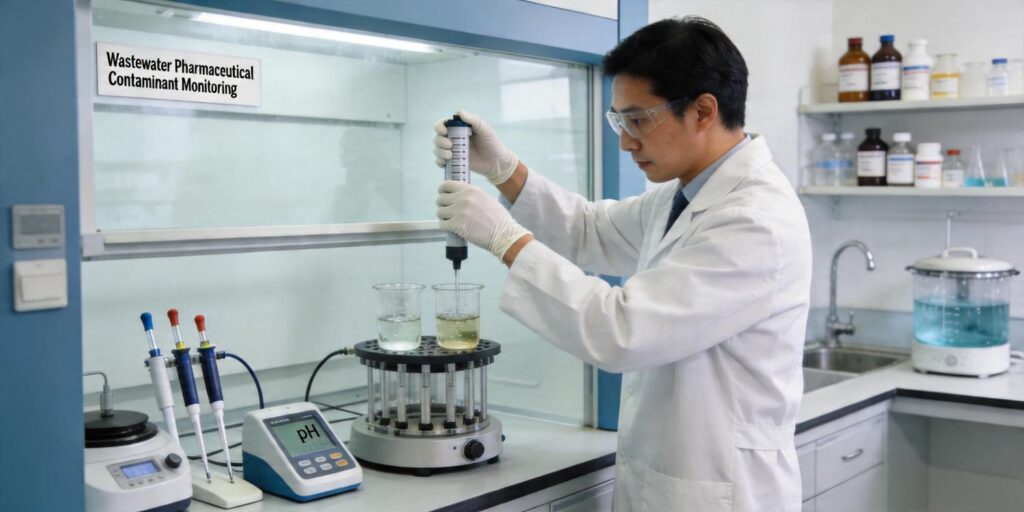
SPE extraction of drug metabolites from wastewater monitoring samples

SPE Sample Preparation for Detecting Illicit Drugs in Wastewater Epidemiology

Wastewater Epidemiology as a Public Health Tool Wastewater epidemiology has emerged as a powerful public health surveillance tool that provides objective, population-level data on substance use patterns. Unlike traditional surveys that rely on self-reported data, wastewater analysis offers an unbiased, real-time snapshot of community drug consumption by measuring drug residues and metabolites in municipal wastewater

SPE Sample Preparation for Detecting Illicit Drugs in Wastewater Epidemiology Read More »

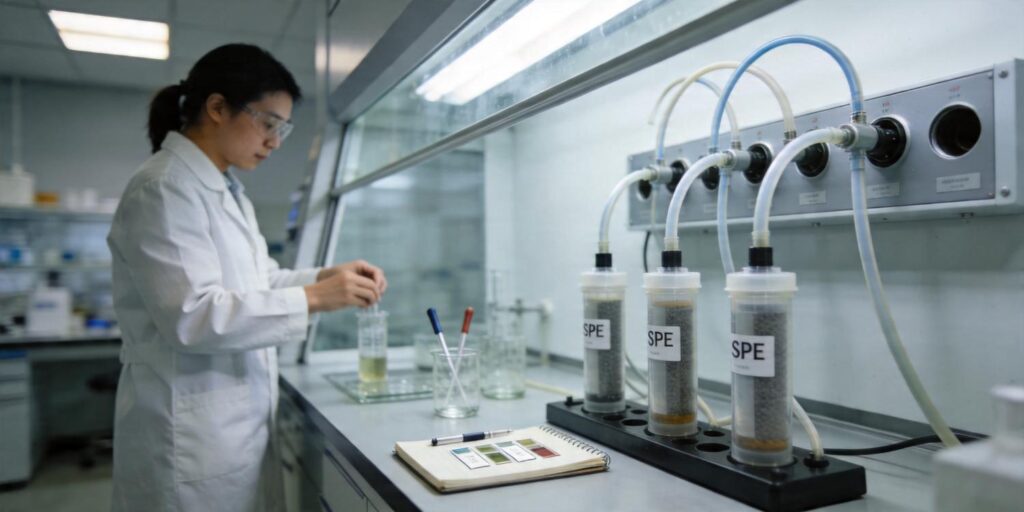
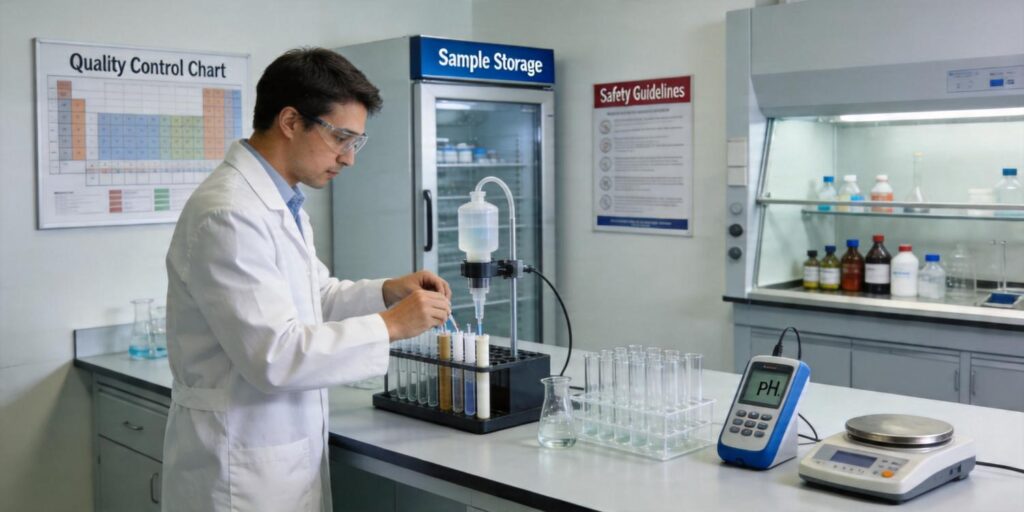
SPE cartridge extraction of herbicides from agricultural runoff samples

SPE Sample Preparation for Monitoring Herbicides in Agricultural Runoff

Herbicide Contamination in Agricultural Runoff Water Agricultural runoff represents one of the most significant pathways for herbicide contamination in aquatic ecosystems. When precipitation flows across agricultural fields, it carries with it a complex mixture of pesticides, fertilizers, and soil particles. This runoff can transport herbicides like atrazine, glyphosate, and their derivatives into nearby streams, rivers,

SPE Sample Preparation for Monitoring Herbicides in Agricultural Runoff Read More »

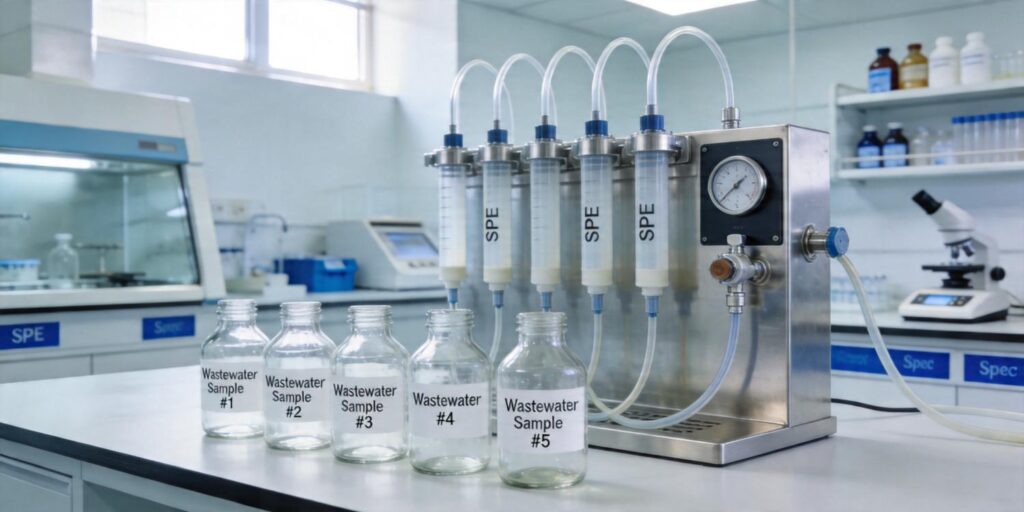
SPE extraction of pharmaceutical residues from treated wastewater samples

SPE Workflows for Monitoring Pharmaceutical Residues in Treated Wastewater

Pharmaceutical Residues as Emerging Environmental Contaminants The detection of pharmaceutical residues in treated wastewater has emerged as a critical environmental monitoring challenge over the past two decades. These compounds, including antibiotics, analgesics, antidepressants, and hormones, enter wastewater systems through human excretion, improper disposal, and manufacturing processes. Unlike traditional pollutants, pharmaceuticals are designed to be biologically

SPE Workflows for Monitoring Pharmaceutical Residues in Treated Wastewater Read More »

SPE cartridge extraction of trace antibiotics from drinking water samples

SPE Sample Preparation for Detecting Trace Antibiotics in Drinking Water

Increasing Concern Over Trace Antibiotics in Drinking Water Supplies The detection of trace-level antibiotics in drinking water has emerged as a critical environmental and public health concern. As pharmaceutical consumption increases globally, residues from antibiotics like sulfonamides, macrolides, and fluoroquinolones are finding their way into water systems through various pathways including wastewater treatment plant effluents,

SPE Sample Preparation for Detecting Trace Antibiotics in Drinking Water Read More »

SPE extraction of pharmaceutical contaminants from treated drinking water samples

SPE Extraction of Trace Pharmaceutical Compounds in Drinking Water Treatment Studies

Pharmaceutical Contamination in Drinking Water Sources The presence of pharmaceutical compounds in drinking water sources has emerged as a significant environmental concern over the past two decades. As Simpson (2000) notes in his comprehensive review of solid-phase extraction (SPE), environmental applications of SPE have “exploded during the 1990s,” with particular focus on drinking water, surface

SPE Extraction of Trace Pharmaceutical Compounds in Drinking Water Treatment Studies Read More »

SPE extraction of pharmaceutical residues from hospital wastewater

SPE Extraction of Pharmaceutical Contaminants from Hospital Wastewater

Pharmaceutical Discharge from Hospitals Hospital wastewater represents a significant source of pharmaceutical contamination in aquatic environments. Unlike domestic wastewater, hospital effluents contain higher concentrations of active pharmaceutical ingredients (APIs) due to patient excretion, disposal of unused medications, and diagnostic procedures. These compounds enter wastewater treatment plants where conventional treatment processes often fail to completely remove

SPE Extraction of Pharmaceutical Contaminants from Hospital Wastewater Read More »

SPE extraction of industrial contaminants from environmental water

SPE Workflows for Monitoring Industrial Chemicals in Surface Water

1. Industrial Chemical Contamination Sources Surface water contamination by industrial chemicals represents a significant environmental challenge, with multiple pathways contributing to aquatic ecosystem pollution. Industrial discharges, both point and non-point sources, introduce complex mixtures of organic compounds into rivers, lakes, and coastal waters. Manufacturing facilities, chemical plants, and industrial parks release solvents, plasticizers, flame retardants,

SPE Workflows for Monitoring Industrial Chemicals in Surface Water Read More »

Shopping Cart
Poseidon Scientific
Privacy Overview

This website uses cookies so that we can provide you with the best user experience possible. Cookie information is stored in your browser and performs functions such as recognising you when you return to our website and helping our team to understand which sections of the website you find most interesting and useful.