Environmental Analysis

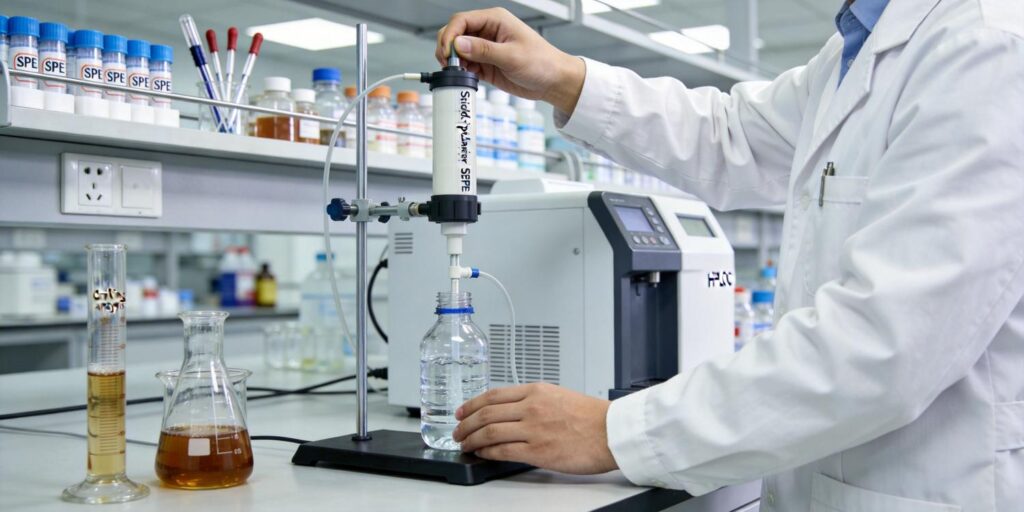
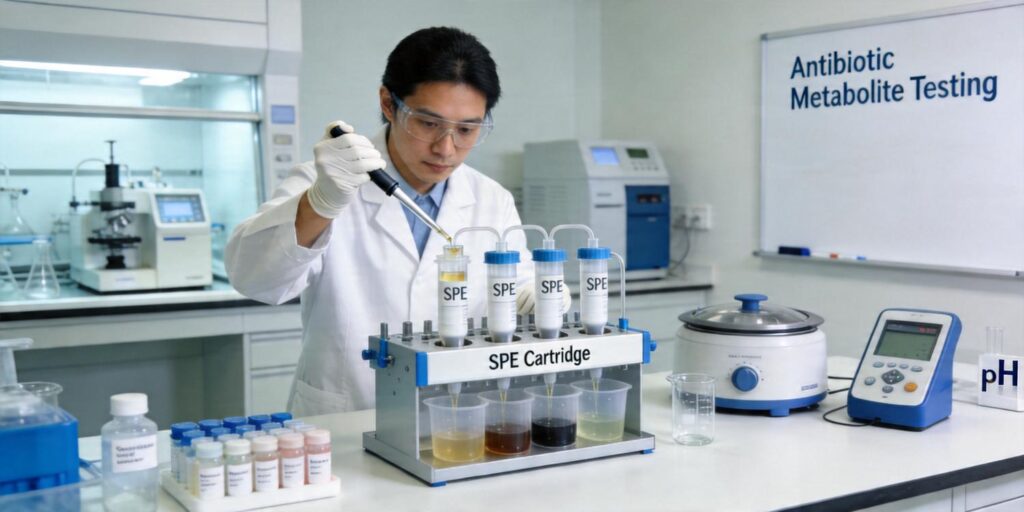
SPE extraction of antibiotic metabolites from wastewater samples

SPE Extraction of Antibiotic Metabolites in Wastewater Effluent

Environmental Persistence of Antibiotic Metabolites Antibiotic metabolites represent a significant environmental concern due to their persistence in wastewater effluent systems. Unlike parent compounds, these metabolites often exhibit modified chemical structures that can maintain biological activity while resisting conventional wastewater treatment processes. The environmental persistence of these compounds creates selective pressure for antimicrobial resistance development in […]

SPE Extraction of Antibiotic Metabolites in Wastewater Effluent Read More »
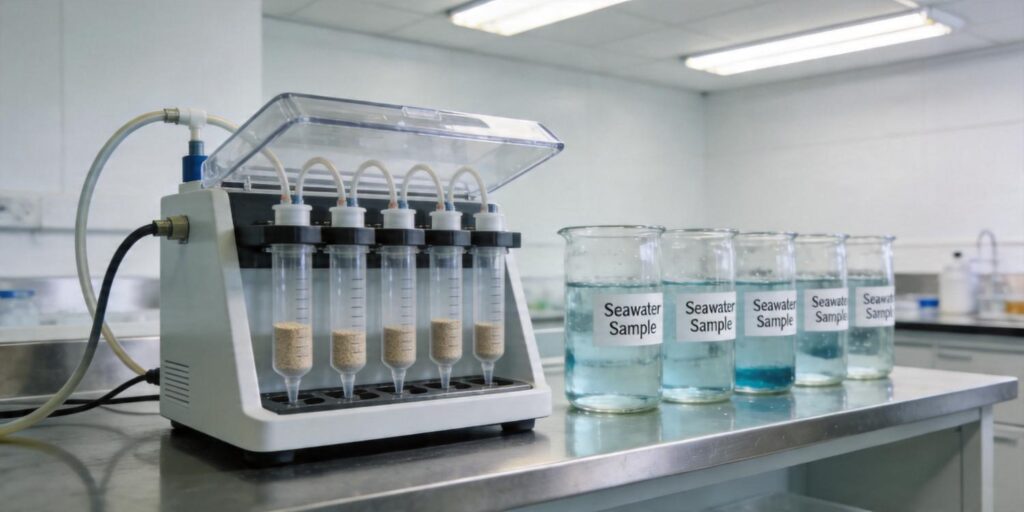
SPE extraction of cosmetic contaminants from coastal water samples

SPE Extraction of Personal Care Product Residues in Coastal Waters

Sources of Personal Care Product Contaminants in Coastal Waters Personal care products (PCPs) represent a significant class of emerging contaminants in coastal environments, with their presence primarily attributed to wastewater discharge pathways. These compounds enter aquatic systems through multiple routes: direct discharge from wastewater treatment plants (WWTPs) that often incompletely remove PCPs, recreational activities such

SPE Extraction of Personal Care Product Residues in Coastal Waters Read More »

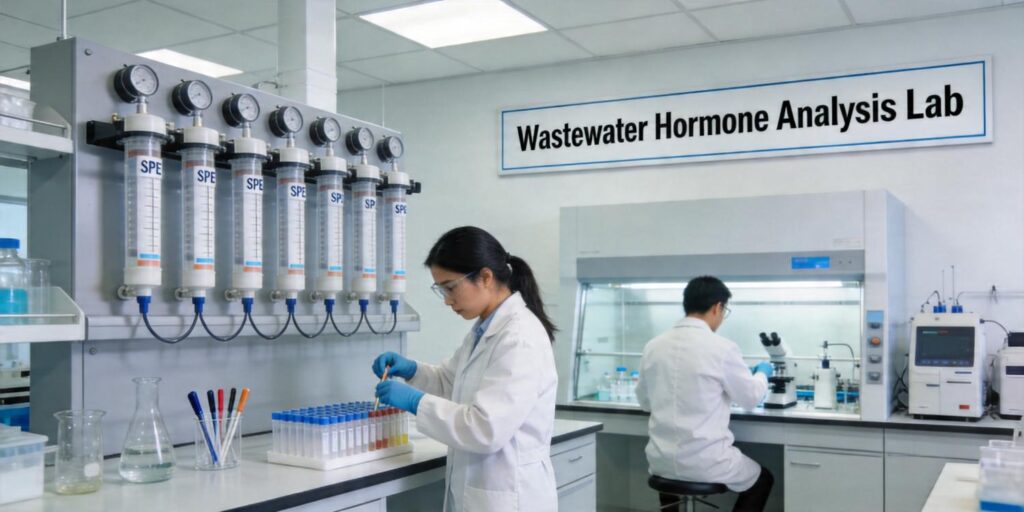
SPE extraction of steroid hormones from wastewater samples

SPE Workflows for Detecting Steroid Hormones in Wastewater

Environmental Sources of Steroid Hormones Steroid hormones enter wastewater systems through multiple pathways, primarily from human and veterinary pharmaceutical use, agricultural runoff, and industrial discharges. Natural and synthetic estrogens (estrone, estradiol, ethinylestradiol), androgens (testosterone), progestins, and corticosteroids are routinely detected in municipal wastewater treatment plant effluents at concentrations ranging from low ng/L to μg/L levels.

SPE Workflows for Detecting Steroid Hormones in Wastewater Read More »

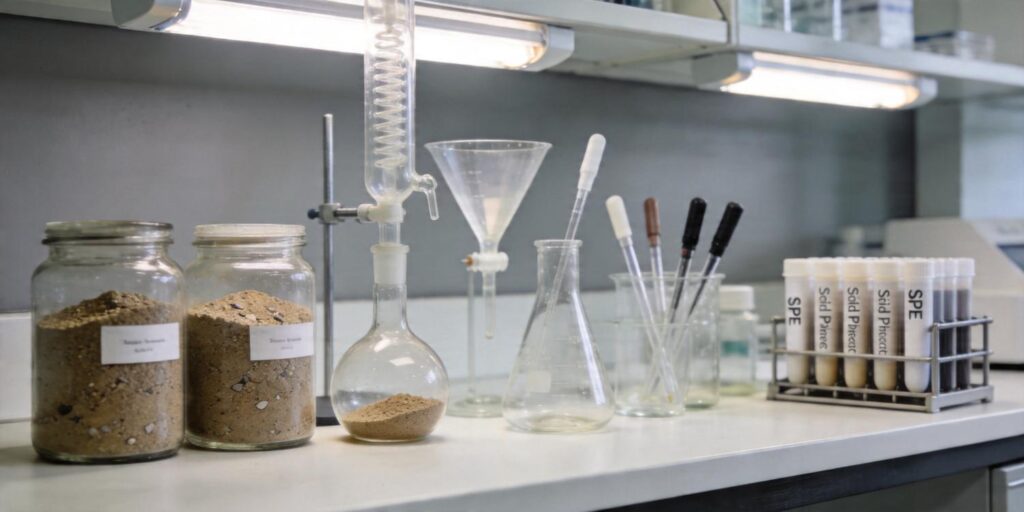
SPE cleanup workflow used for pharmaceutical analysis in sediment samples

SPE Extraction of Pharmaceutical Residues from River Sediments

Pharmaceutical Contamination in Aquatic Sediments Pharmaceutical residues in river sediments represent a growing environmental concern with significant implications for ecosystem health. As wastewater treatment plants discharge effluents containing unmetabolized drugs and their transformation products, these compounds accumulate in sediment matrices where they can persist for extended periods. The hydrophobic nature of many pharmaceutical compounds facilitates

SPE Extraction of Pharmaceutical Residues from River Sediments Read More »

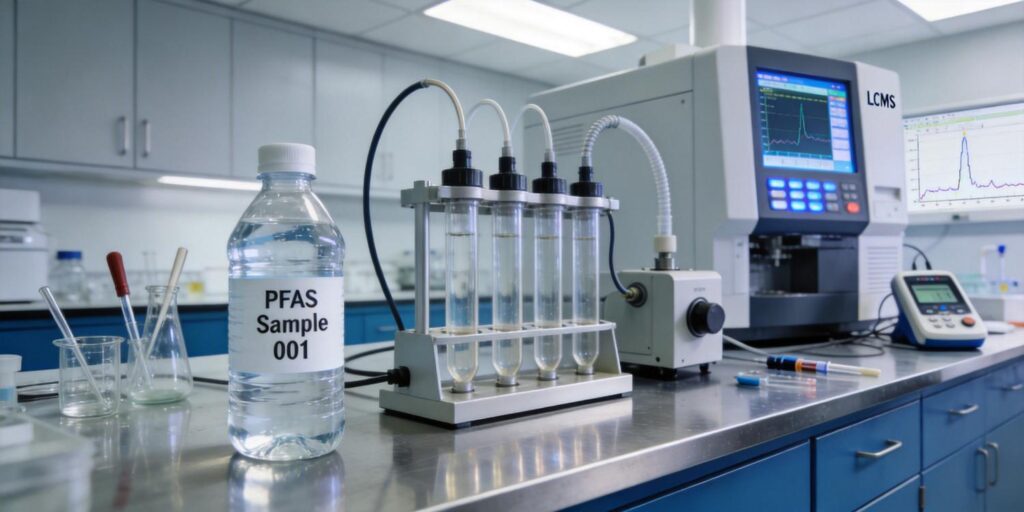
SPE cartridges extracting PFAS contaminants from drinking water samples

SPE Methods for Extracting Per- and Polyfluoroalkyl Substances (PFAS) from Drinking Water

Overview of PFAS Contamination and Regulatory Limits Per- and polyfluoroalkyl substances (PFAS) represent a class of over 4,700 synthetic chemicals characterized by strong carbon-fluorine bonds that make them highly persistent in the environment. These “forever chemicals” have been widely used in industrial applications and consumer products since the 1940s, including firefighting foams, non-stick cookware, water-repellent

SPE Methods for Extracting Per- and Polyfluoroalkyl Substances (PFAS) from Drinking Water Read More »

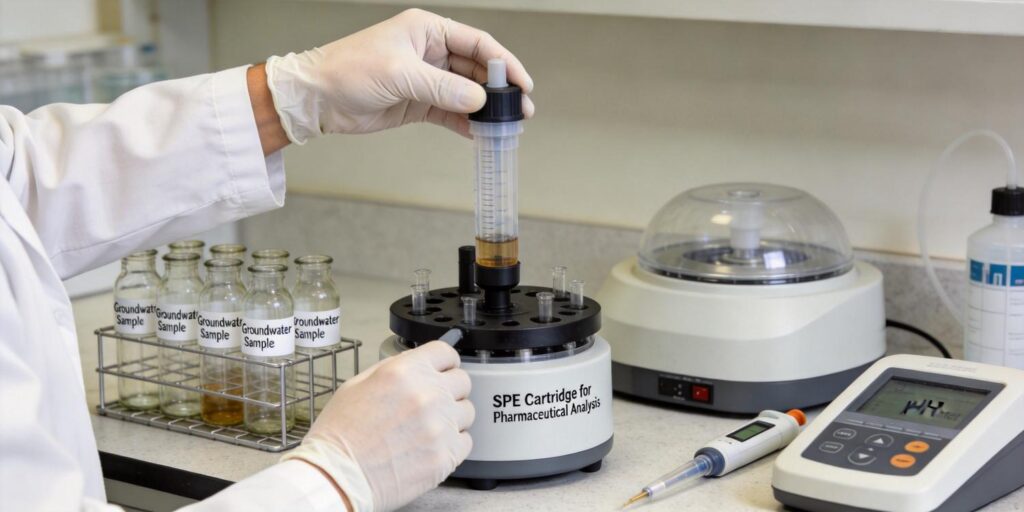
SPE cartridge extraction of pharmaceuticals from groundwater samples

SPE Enrichment of Trace Pharmaceuticals in Groundwater

Groundwater Contamination Concerns Groundwater serves as a primary drinking water source for billions worldwide, making its protection from anthropogenic contaminants a critical public health and environmental priority. The infiltration of pharmaceutical residues into groundwater systems represents a growing concern, as these biologically active compounds can persist and migrate through subsurface aquifers. Unlike industrial pollutants, pharmaceuticals

SPE Enrichment of Trace Pharmaceuticals in Groundwater Read More »

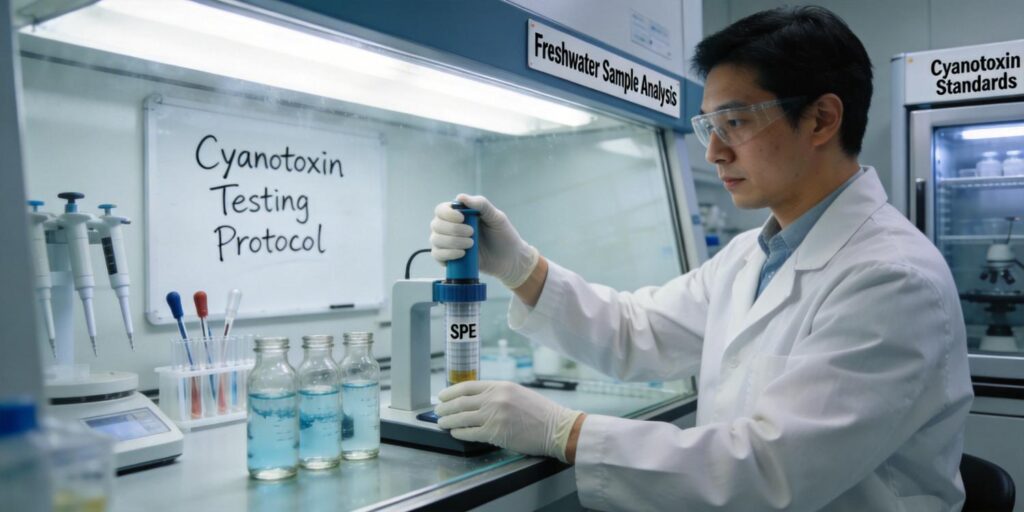
SPE extraction of cyanotoxins from freshwater environmental samples

SPE Workflows for Detecting Cyanotoxins in Freshwater

Overview of Cyanotoxin Contamination in Freshwater Systems Cyanotoxin contamination represents one of the most pressing environmental challenges in freshwater ecosystems worldwide. These potent toxins are produced by cyanobacteria (blue-green algae) during harmful algal blooms (HABs), which have become increasingly frequent due to nutrient enrichment, climate change, and other anthropogenic factors. The presence of cyanotoxins in

SPE Workflows for Detecting Cyanotoxins in Freshwater Read More »

SPE extraction of artificial sweeteners from drinking water samples

SPE Extraction of Artificial Sweeteners in Drinking Water

Artificial Sweeteners as Environmental Tracers Artificial sweeteners have emerged as powerful environmental tracers in recent years, providing unique insights into water contamination pathways and human activity patterns. Unlike traditional wastewater indicators, these compounds exhibit remarkable persistence in aquatic environments and resist conventional water treatment processes. Their widespread use in food, beverages, and pharmaceutical products, combined

SPE Extraction of Artificial Sweeteners in Drinking Water Read More »

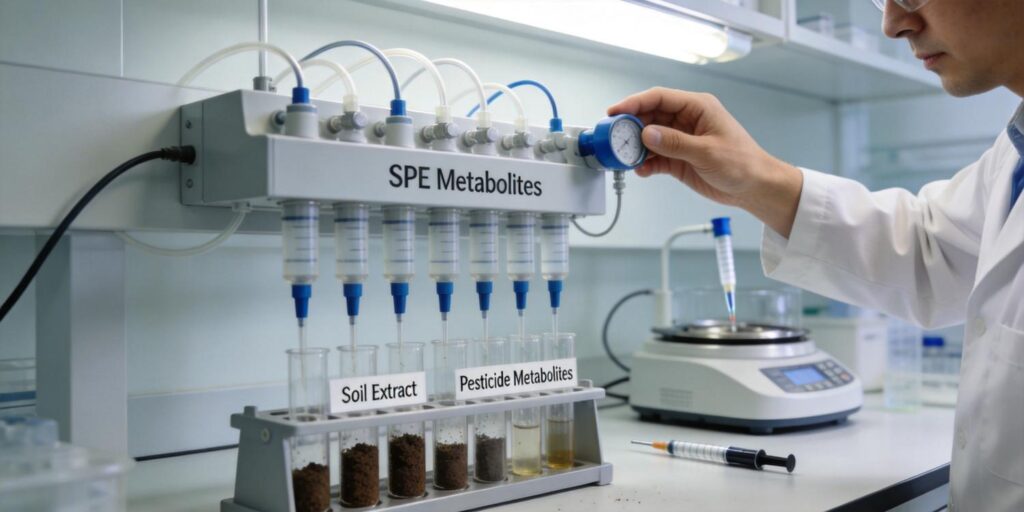
SPE cleanup workflow for soil pesticide metabolite analysis

SPE Techniques for Monitoring Pesticide Metabolites in Soil

Importance of Pesticide Metabolite Monitoring in Soil Pesticide metabolite monitoring in soil represents a critical frontier in environmental analytical chemistry. While parent pesticide compounds have been extensively studied, their transformation products often exhibit different physicochemical properties, mobility characteristics, and toxicological profiles. According to environmental research, metabolites can be more persistent, more mobile, and sometimes more

SPE Techniques for Monitoring Pesticide Metabolites in Soil Read More »

SPE extraction of microplastic additives from marine water samples

SPE Cleanup of Marine Water Samples for Microplastic Additive Analysis

Environmental Concern of Microplastic Additives Microplastics in marine environments represent a significant environmental challenge, but the chemical additives they contain pose an even greater threat to aquatic ecosystems. These additives, including phthalates and UV stabilizers, leach from plastic debris into seawater, creating a complex cocktail of contaminants that can bioaccumulate in marine organisms and potentially

SPE Cleanup of Marine Water Samples for Microplastic Additive Analysis Read More »

Shopping Cart
Poseidon Scientific
Privacy Overview

This website uses cookies so that we can provide you with the best user experience possible. Cookie information is stored in your browser and performs functions such as recognising you when you return to our website and helping our team to understand which sections of the website you find most interesting and useful.