Environmental Analysis

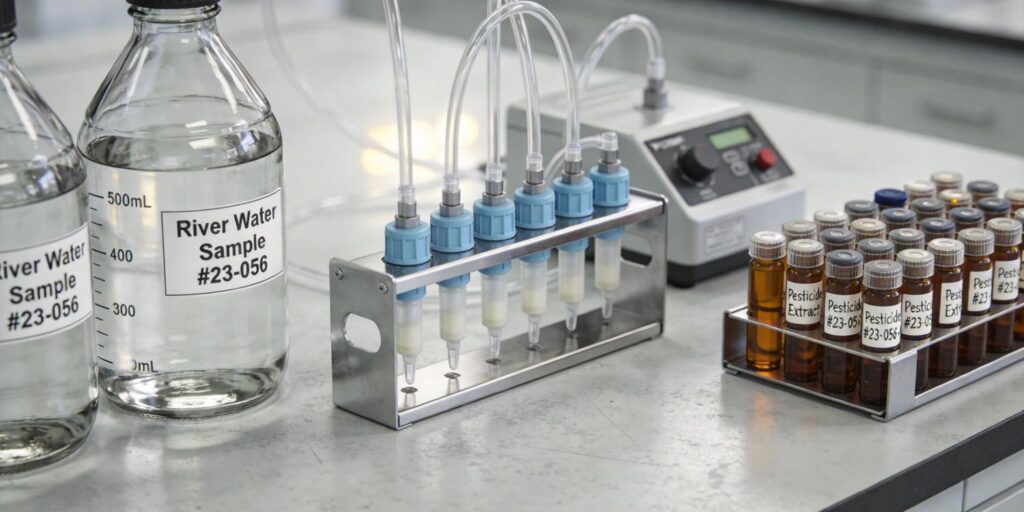
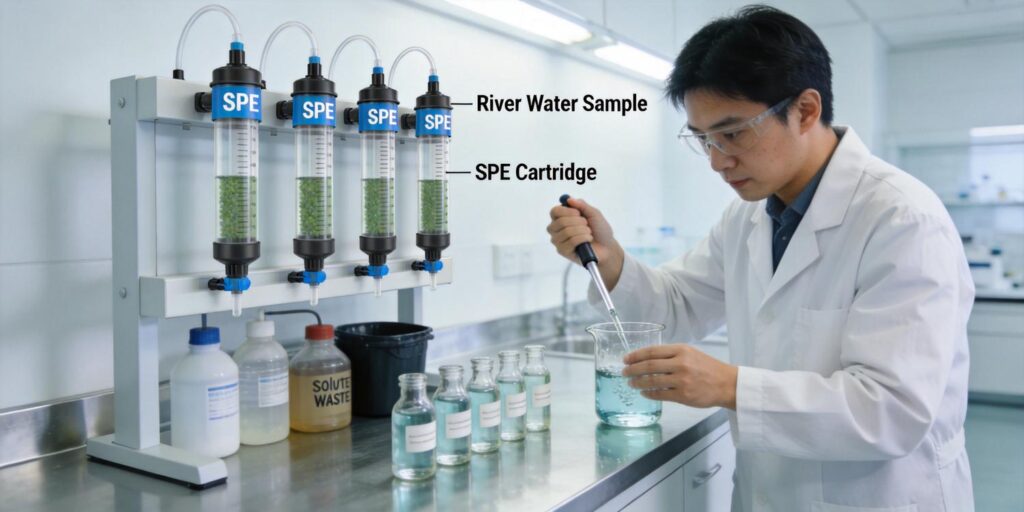
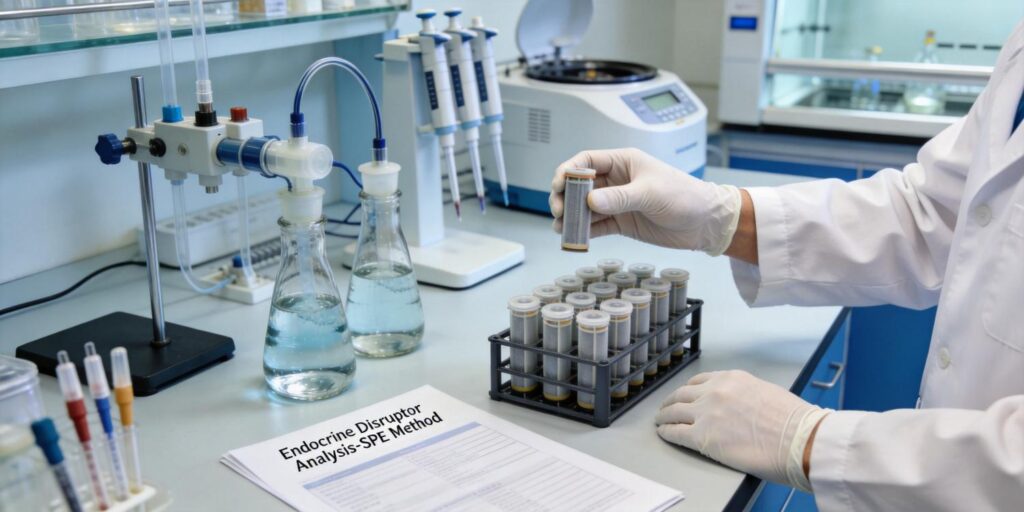
SPE cartridge extraction of endocrine disrupting chemicals from river water

SPE Enrichment of Trace Endocrine Disruptors in River Water

Environmental Concern of Endocrine Disruptors (BPA, Nonylphenol) Endocrine-disrupting chemicals (EDCs) represent one of the most pressing environmental challenges of our time. Bisphenol A (BPA) and nonylphenol are two prominent EDCs that have garnered significant regulatory and scientific attention due to their widespread occurrence in aquatic environments and potential health impacts. These compounds mimic or interfere […]

SPE Enrichment of Trace Endocrine Disruptors in River Water Read More »
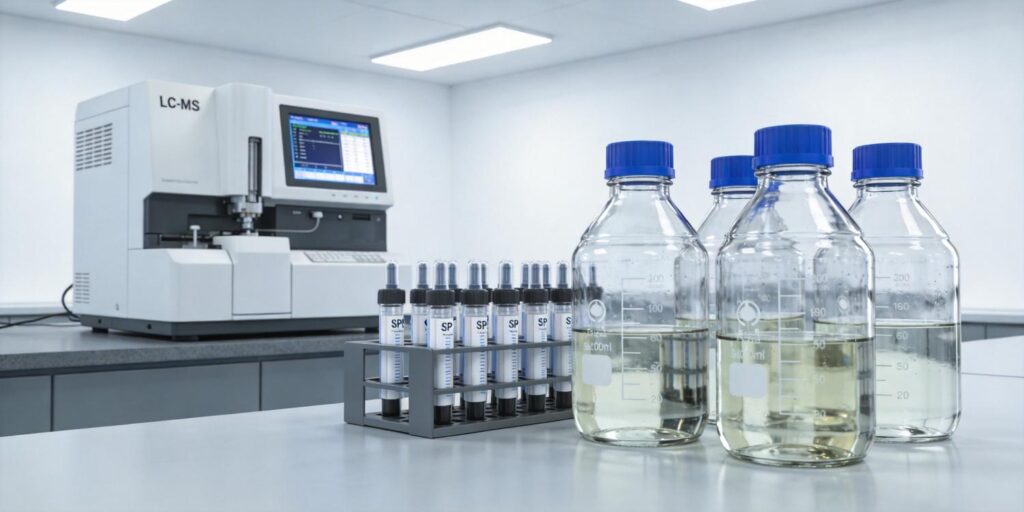
SPE extraction of pharmaceutical metabolites from wastewater samples

SPE Sample Preparation for Monitoring Pharmaceutical Metabolites in Wastewater

Wastewater Epidemiology and Pharmaceutical Metabolites Wastewater epidemiology has emerged as a powerful tool for monitoring community-level pharmaceutical consumption and environmental contamination. This approach involves analyzing wastewater influent to detect pharmaceutical metabolites, providing real-time data on population health trends and environmental impact. Pharmaceutical metabolites enter wastewater systems through human excretion, with many parent compounds undergoing partial

SPE Sample Preparation for Monitoring Pharmaceutical Metabolites in Wastewater Read More »

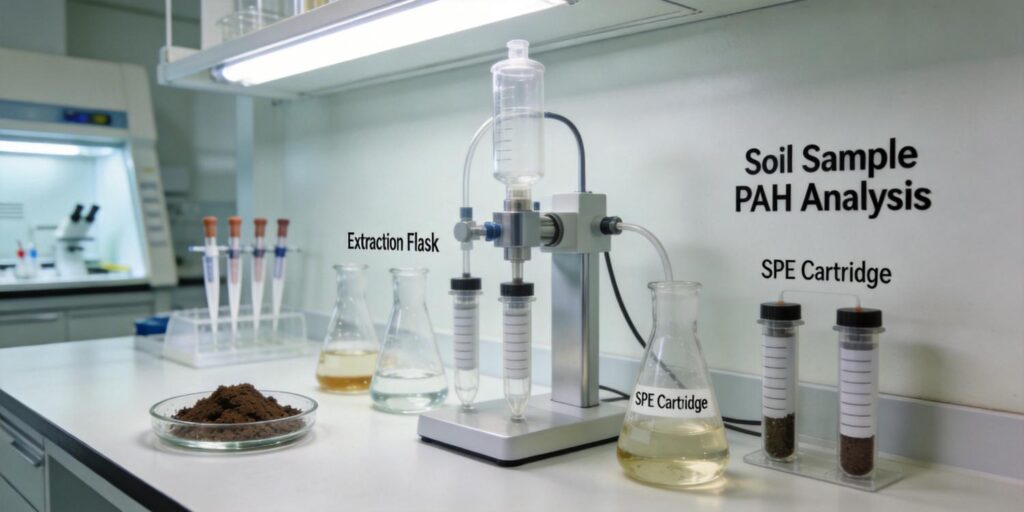
SPE cleanup of soil extracts used for PAH environmental analysis

SPE Strategies for Analyzing Polycyclic Aromatic Hydrocarbons in Soil Extracts

Environmental Importance of PAH Monitoring Polycyclic Aromatic Hydrocarbons (PAHs) represent a critical class of environmental contaminants that demand rigorous monitoring in soil matrices. These persistent organic pollutants originate primarily from incomplete combustion of organic materials, including fossil fuels, wood, and waste. The environmental significance of PAH monitoring stems from their well-documented carcinogenic, mutagenic, and teratogenic

SPE Strategies for Analyzing Polycyclic Aromatic Hydrocarbons in Soil Extracts Read More »

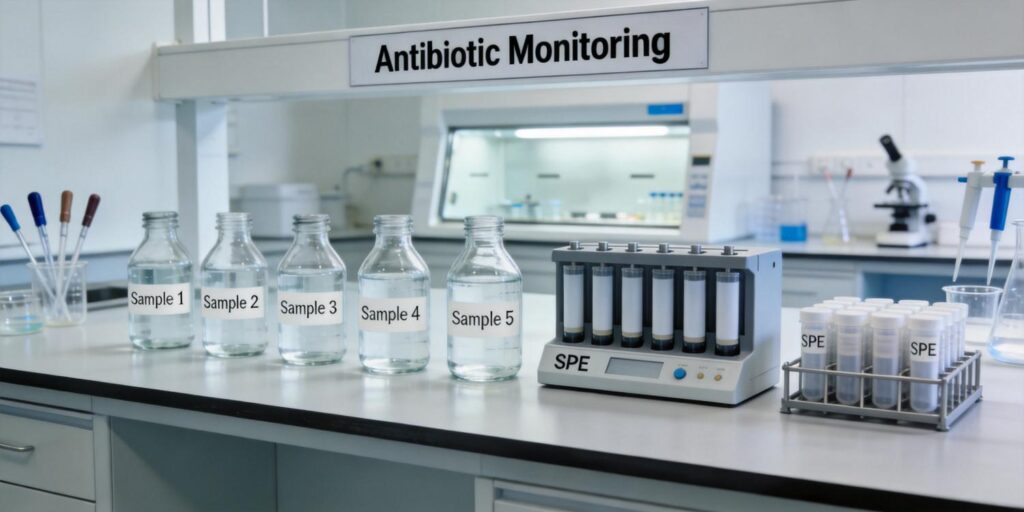
SPE extraction of antibiotic residues from aquaculture water samples

SPE Protocols for Extracting Antibiotics from Aquaculture Water

Antibiotic Usage in Aquaculture Systems Modern aquaculture operations face significant challenges in maintaining fish health while controlling disease outbreaks. Antibiotics are routinely administered in aquaculture systems for both therapeutic treatment of bacterial infections and prophylactic prevention of disease in high-density fish farming environments. According to veterinary drug abuse literature, these compounds can persist in water

SPE Protocols for Extracting Antibiotics from Aquaculture Water Read More »

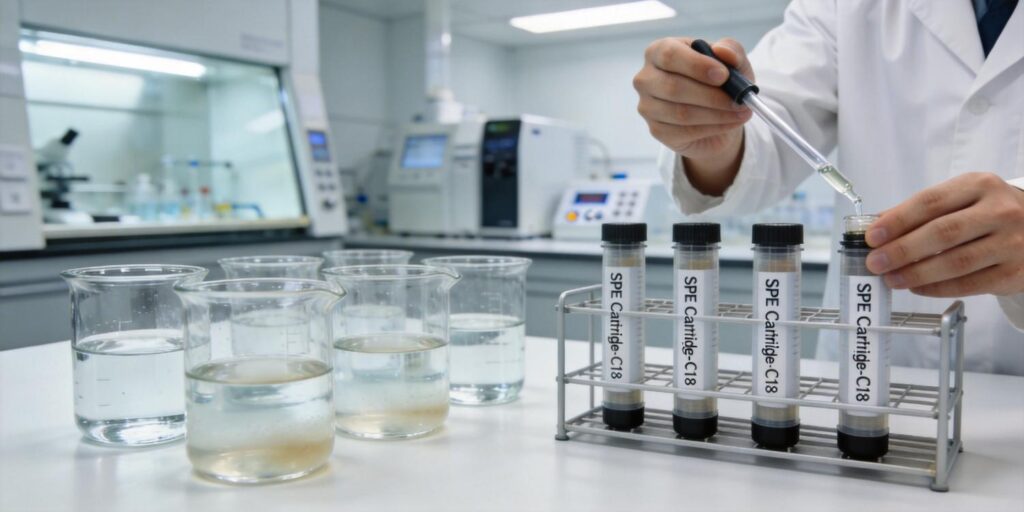
SPE cartridge extraction of polar pesticides from environmental surface water samples

Optimizing SPE Recovery for Polar Pesticides in Surface Water

Analytical Challenges of Highly Polar Pesticides in Surface Water The analysis of highly polar pesticides like glyphosate and its primary metabolite AMPA (aminomethylphosphonic acid) presents unique challenges in environmental monitoring. These compounds exhibit exceptional water solubility and low octanol-water partition coefficients (log Kow values typically below -3), making them difficult to extract from aqueous matrices

Optimizing SPE Recovery for Polar Pesticides in Surface Water Read More »

SPE extraction of personal care product contaminants from environmental water samples

SPE Workflows for Detecting Personal Care Product Residues in Water

Environmental Concern Over Personal Care Product Residues The increasing detection of personal care product (PCP) residues in aquatic environments has emerged as a significant environmental concern in recent decades. These compounds, which include fragrances, UV filters, antimicrobial agents, preservatives, and surfactants, enter water systems through wastewater treatment plant effluents, agricultural runoff, and direct discharge. Unlike

SPE Workflows for Detecting Personal Care Product Residues in Water Read More »

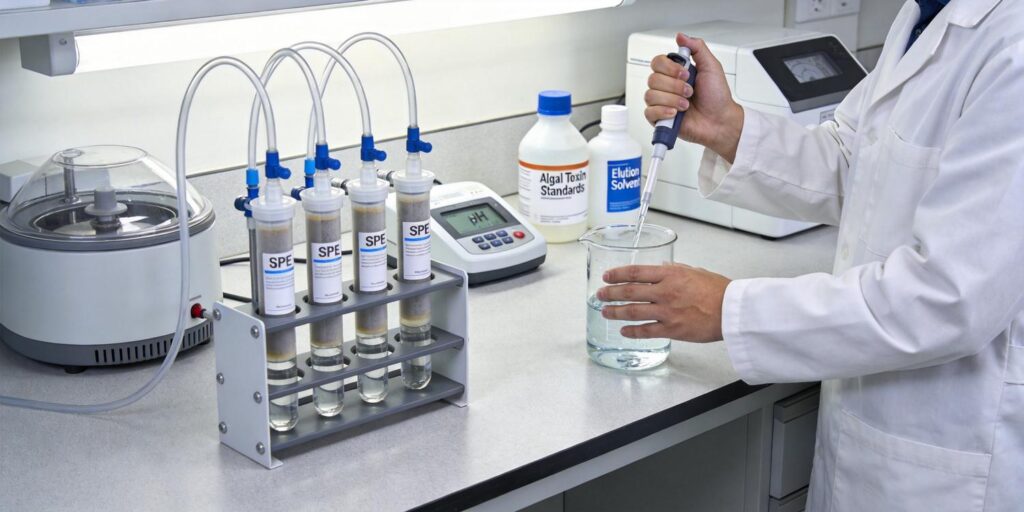
SPE extraction of algal toxins from environmental water samples

SPE Extraction Methods for Algal Toxins in Water

Overview of Harmful Algal Blooms Harmful algal blooms (HABs) represent a significant environmental and public health concern in water systems worldwide. These blooms occur when colonies of algae—primarily cyanobacteria (blue-green algae)—grow out of control and produce toxic compounds that can contaminate drinking water sources, recreational waters, and aquatic ecosystems. The proliferation of HABs is often

SPE Extraction Methods for Algal Toxins in Water Read More »

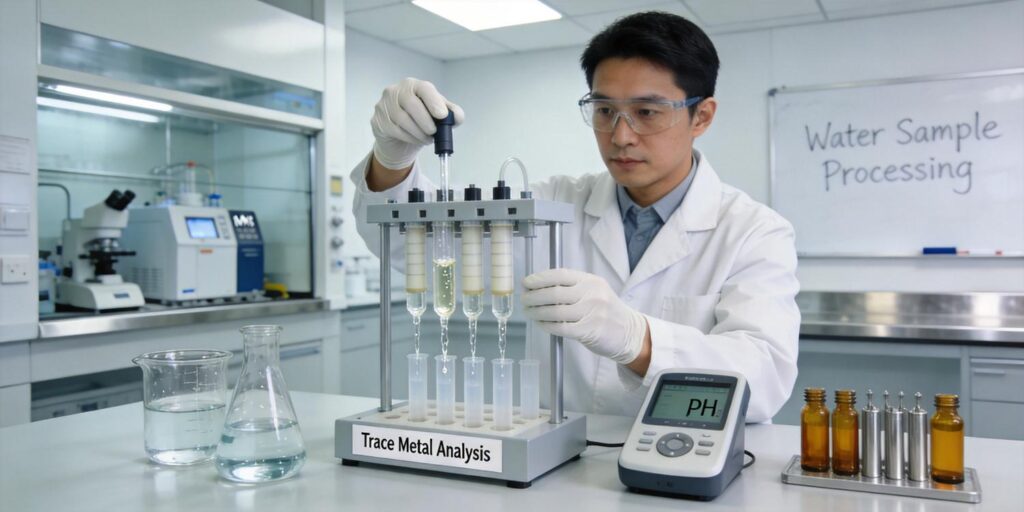
SPE extraction of metal chelate complexes from environmental water samples

SPE Extraction of Trace Metals Chelates in Environmental Samples

The Critical Importance of Monitoring Metal Chelates in Water Systems Environmental monitoring of trace metals in water systems represents one of the most challenging analytical tasks facing environmental chemists today. While total metal concentrations provide valuable information, the speciation of metals—particularly their complexation with organic ligands—determines their bioavailability, toxicity, and mobility in aquatic environments. Metal

SPE Extraction of Trace Metals Chelates in Environmental Samples Read More »

SPE extraction of illicit drug residues from wastewater samples

SPE Techniques for Detecting Illicit Drugs in Wastewater

Wastewater Epidemiology Overview Wastewater epidemiology has emerged as a powerful public health tool that provides near real-time data on community-level drug consumption patterns. This innovative approach involves analyzing municipal wastewater for chemical biomarkers of illicit drug use, offering an objective, population-scale assessment that complements traditional survey methods. The technique traces its origins to environmental monitoring

SPE Techniques for Detecting Illicit Drugs in Wastewater Read More »

SPE extraction of herbicides from environmental water samples

Environmental Monitoring of Herbicides Using SPE

Importance of Herbicide Monitoring in Surface Water Herbicide contamination in surface water represents a significant environmental and public health concern that demands rigorous monitoring programs. Agricultural runoff, industrial discharges, and improper disposal practices can introduce these persistent organic compounds into aquatic ecosystems at concentrations that threaten both ecological balance and human water supplies. The trace-level

Environmental Monitoring of Herbicides Using SPE Read More »

Shopping Cart
Poseidon Scientific
Privacy Overview

This website uses cookies so that we can provide you with the best user experience possible. Cookie information is stored in your browser and performs functions such as recognising you when you return to our website and helping our team to understand which sections of the website you find most interesting and useful.