Environmental Analysis

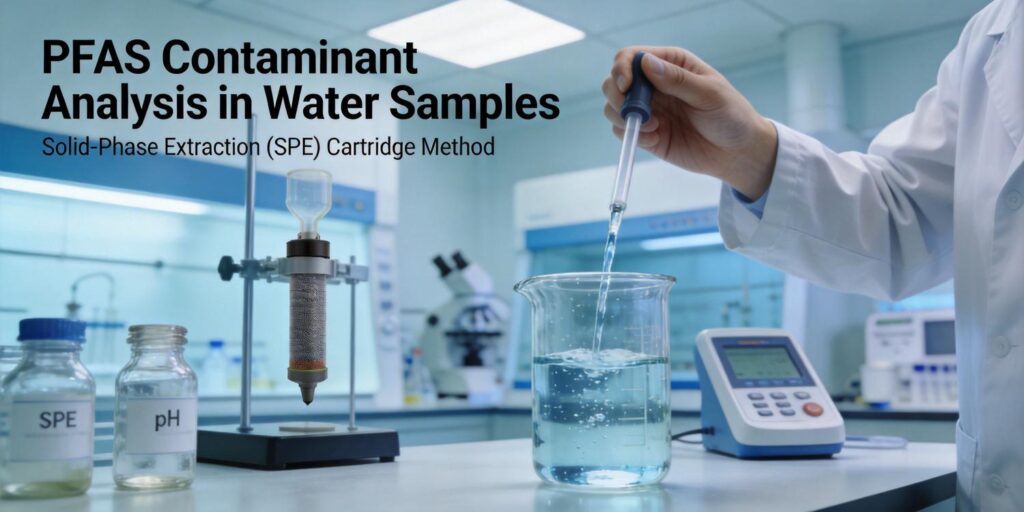
SPE cartridges extracting PFAS contaminants from environmental water samples

SPE Techniques for Extracting PFAS from Environmental Water

Overview of PFAS Contamination Concerns Per- and polyfluoroalkyl substances (PFAS) represent a growing environmental crisis that has captured global regulatory attention. These synthetic chemicals, characterized by their strong carbon-fluorine bonds, exhibit exceptional persistence in the environment and bioaccumulation potential. PFAS contamination in water sources stems from decades of industrial use in firefighting foams, non-stick coatings, […]

SPE Techniques for Extracting PFAS from Environmental Water Read More »
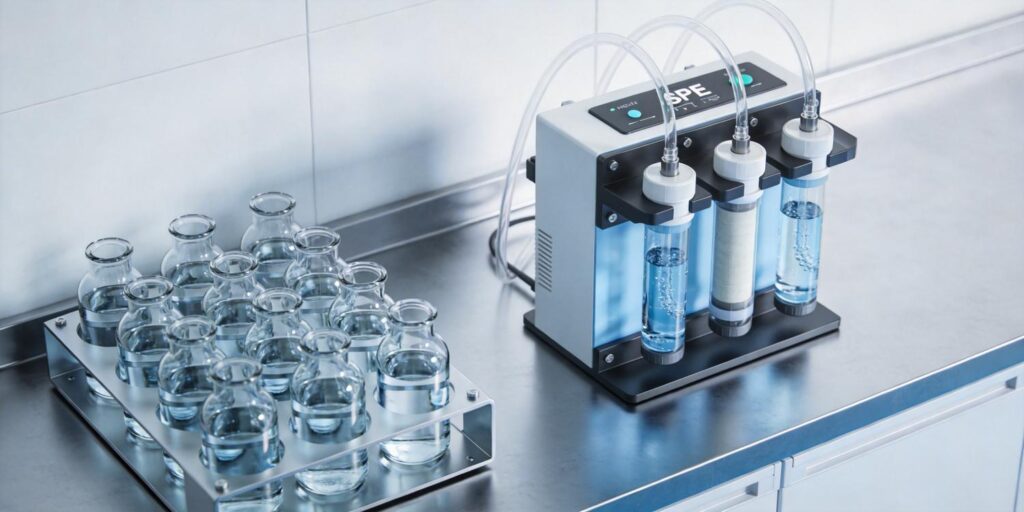
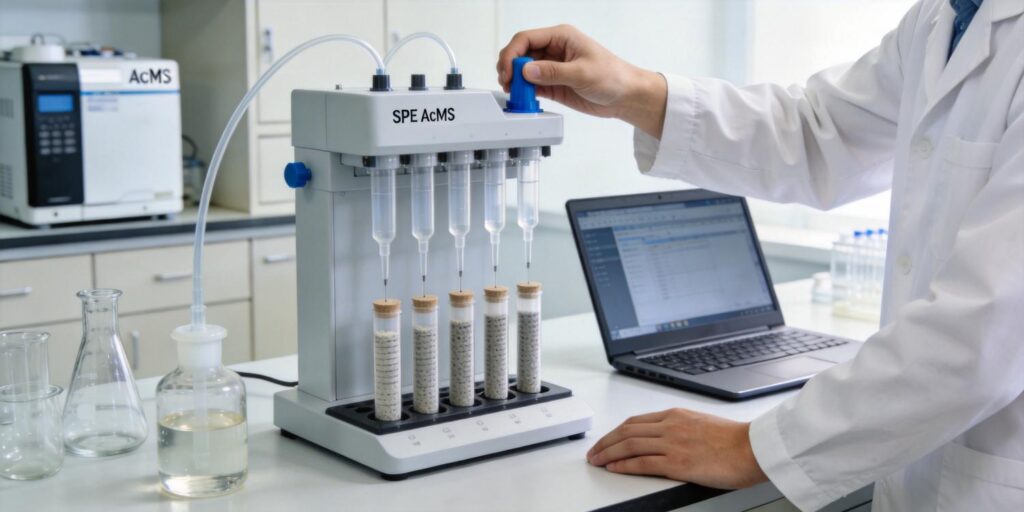
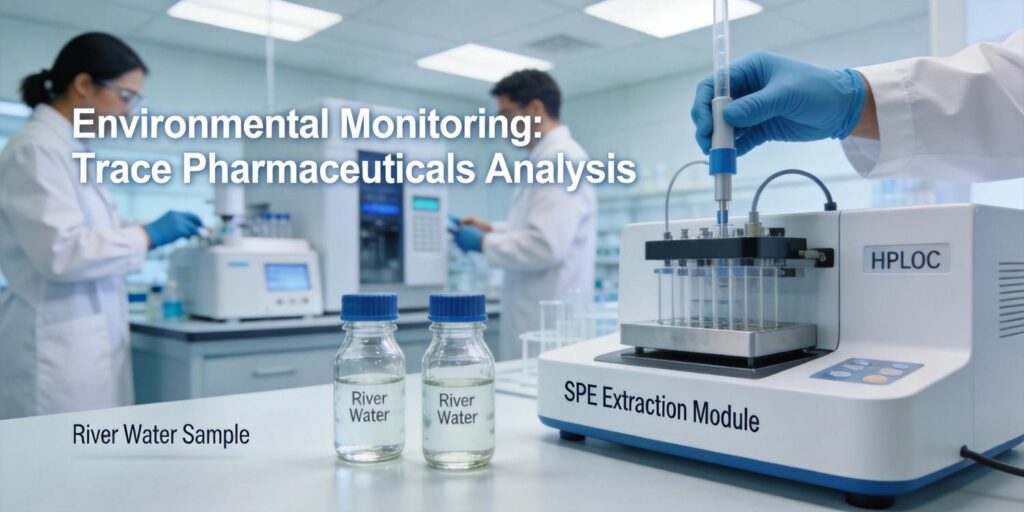
Environmental laboratory setup using SPE to concentrate pharmaceuticals from drinking water

SPE Workflows for Trace Pharmaceuticals in Drinking Water

Emerging Contaminants in Drinking Water Systems The detection of trace pharmaceuticals in drinking water has become a critical environmental concern over the past two decades. As research from Simpson and Wells (2000) demonstrates, SPE applications for environmental monitoring have grown substantially, with pharmaceuticals representing an emerging class of contaminants that challenge traditional analytical methods. These

SPE Workflows for Trace Pharmaceuticals in Drinking Water Read More »

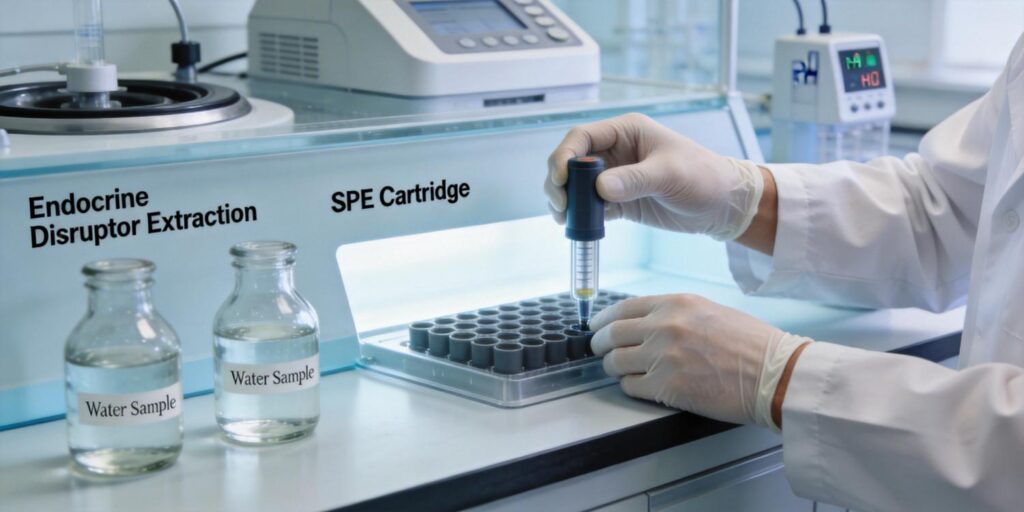
SPE cartridge extracting endocrine disrupting compounds from water

Extraction of Endocrine Disruptors from Water Using SPE

Overview of Endocrine Disrupting Compounds (EDCs) Endocrine disrupting compounds (EDCs) represent a diverse class of chemical contaminants that interfere with the normal functioning of the endocrine system in humans and wildlife. These compounds include pharmaceuticals, personal care products, pesticides, industrial chemicals, and natural hormones that can mimic, block, or alter hormonal signaling at extremely low

Extraction of Endocrine Disruptors from Water Using SPE Read More »

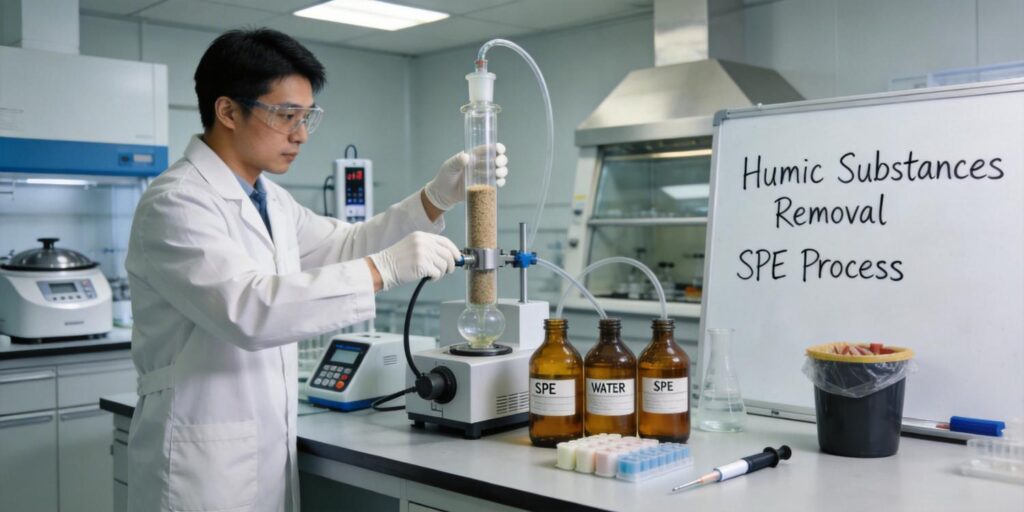
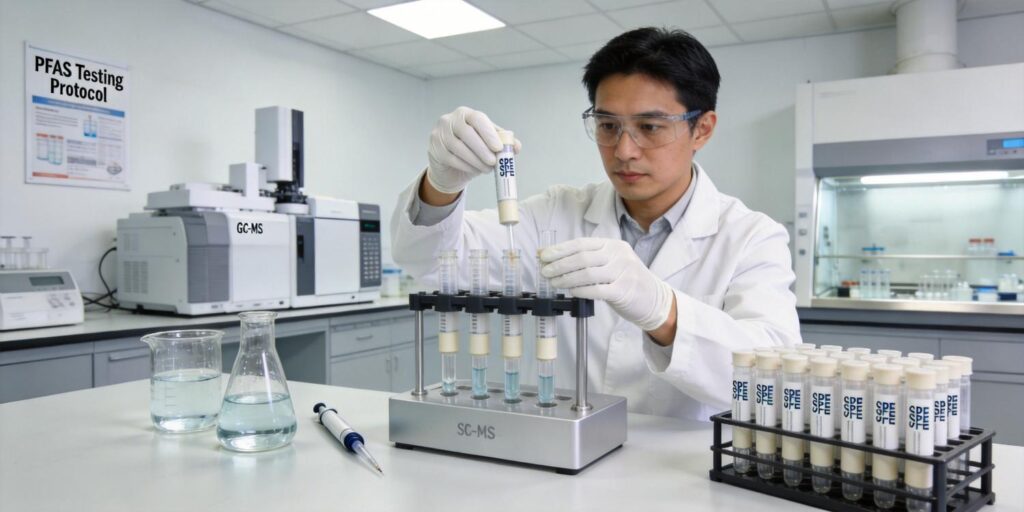
SPE cartridge removing humic substances from water samples

SPE Techniques for Removing Humic Substances from Water Samples

Nature of Humic Substances in Environmental Waters Humic substances represent a complex mixture of naturally occurring organic compounds formed through the decomposition of plant and animal matter in soil and aquatic environments. These substances, which include humic acids, fulvic acids, and humin, constitute the majority of dissolved organic matter (DOM) in natural waters. Their molecular

SPE Techniques for Removing Humic Substances from Water Samples Read More »

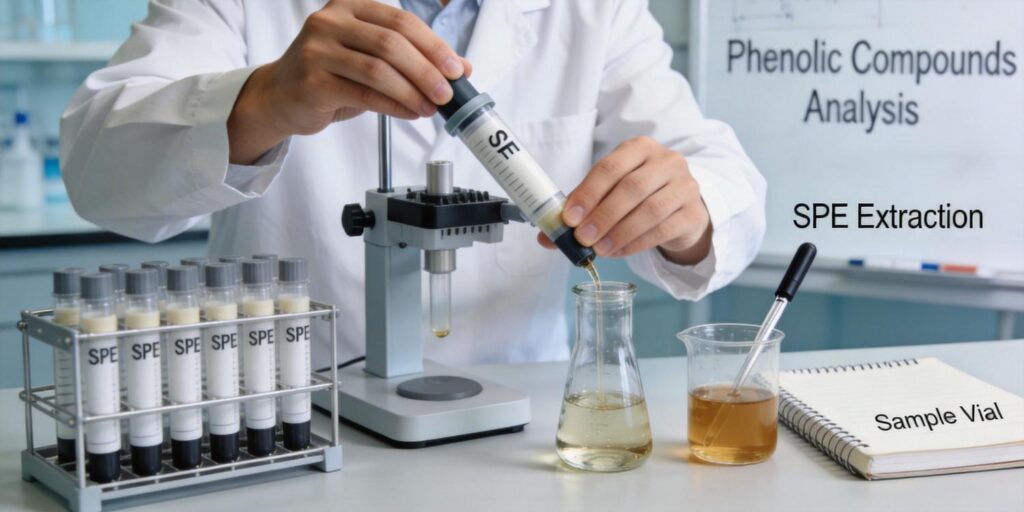
SPE cartridge extracting phenolic contaminants from water

Environmental Monitoring of Phenolic Compounds Using SPE

Sources of Phenolic Contaminants in Water Phenolic compounds represent a significant class of environmental contaminants with diverse industrial and natural origins. These compounds enter aquatic systems through multiple pathways, creating complex monitoring challenges for environmental scientists and regulatory agencies. Industrial sources constitute the primary anthropogenic contributors to phenolic contamination. Chemical manufacturing facilities, particularly those producing

Environmental Monitoring of Phenolic Compounds Using SPE Read More »

SPE cartridge concentrating trace pollutants from environmental samples

Using SPE to Preconcentrate Trace Organic Pollutants

Types of Trace Organic Pollutants in Environmental Samples Environmental monitoring laboratories routinely encounter a diverse array of trace organic pollutants that require preconcentration before analysis. These contaminants can be broadly categorized into several classes based on their chemical properties and environmental persistence. Pesticides and Herbicides Organochlorine pesticides such as DDT, lindane, and heptachlor represent some

Using SPE to Preconcentrate Trace Organic Pollutants Read More »

SPE cartridge extracting pharmaceutical contaminants from surface water

Optimizing SPE for Trace Pharmaceutical Compounds in Surface Water

Environmental Sources of Pharmaceutical Contamination Pharmaceutical compounds enter surface water systems through multiple pathways, creating complex environmental monitoring challenges. The primary sources include wastewater treatment plant effluents, agricultural runoff containing veterinary pharmaceuticals, improper disposal of unused medications, and industrial discharges from pharmaceutical manufacturing facilities. These compounds persist in aquatic environments due to their designed biological

Optimizing SPE for Trace Pharmaceutical Compounds in Surface Water Read More »

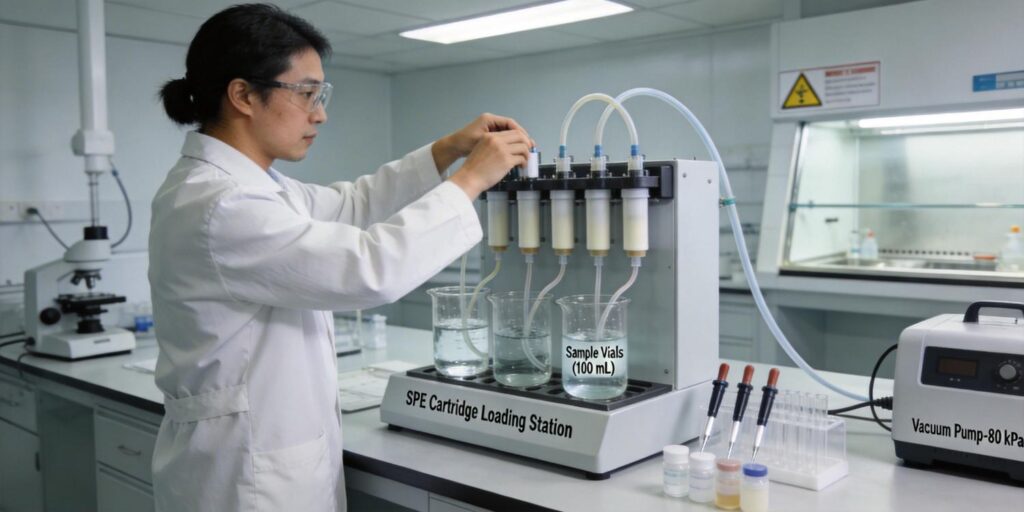
SPE cartridge extracting PFAS contaminants from environmental water samples

SPE Sample Preparation for PFAS Analysis in Environmental Water

Introduction to PFAS Contamination Concerns Per- and polyfluoroalkyl substances (PFAS) represent one of the most challenging environmental contaminants facing analytical chemists today. These synthetic chemicals, characterized by their strong carbon-fluorine bonds, have been widely used in industrial applications and consumer products for decades. Their persistence in the environment, bioaccumulation potential, and emerging evidence of health

SPE Sample Preparation for PFAS Analysis in Environmental Water Read More »
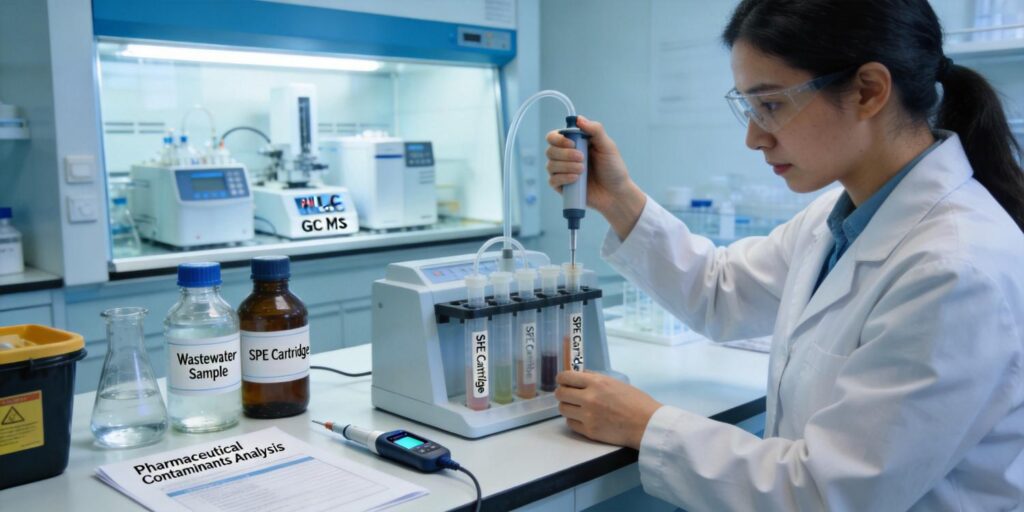
SPE cartridge extracting pharmaceutical contaminants from wastewater samples

SPE Workflow for Trace Pharmaceutical Contaminants in Wastewater

Pharmaceutical Contaminants Commonly Detected in Wastewater Wastewater analysis reveals a diverse array of pharmaceutical contaminants originating from human excretion, improper disposal, and manufacturing effluents. These compounds typically exist at trace concentrations (ng/L to μg/L) but pose significant environmental concerns due to their biological activity. Common classes include: Analgesics and Anti-inflammatories: Ibuprofen, diclofenac, naproxen, acetaminophen Antibiotics:

SPE Workflow for Trace Pharmaceutical Contaminants in Wastewater Read More »

SPE cartridge concentrating trace contaminants from environmental water samples

Using SPE to Concentrate Trace Contaminants in Environmental Samples

Environmental Contaminants Monitored at Trace Levels Environmental monitoring programs routinely target contaminants at part-per-billion (ppb) and part-per-trillion (ppt) concentrations. These trace-level pollutants include pesticides (triazines, organophosphates, carbamates), pharmaceuticals, industrial chemicals (PCBs, PAHs, phenols), endocrine disruptors, and heavy metals. The challenge for analytical chemists is that these compounds exist at concentrations far below the detection limits

Using SPE to Concentrate Trace Contaminants in Environmental Samples Read More »

Shopping Cart
Poseidon Scientific
Privacy Overview

This website uses cookies so that we can provide you with the best user experience possible. Cookie information is stored in your browser and performs functions such as recognising you when you return to our website and helping our team to understand which sections of the website you find most interesting and useful.