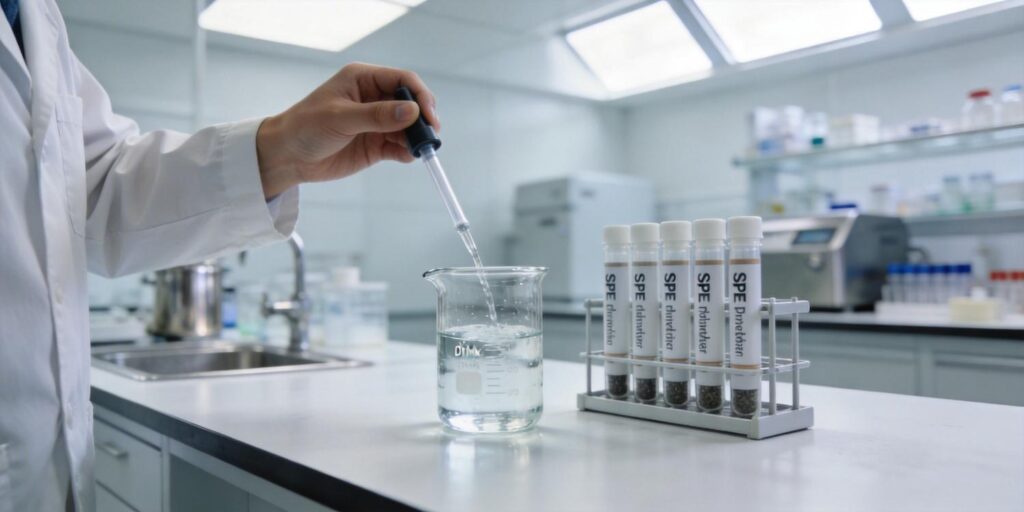
Environmental Analysis

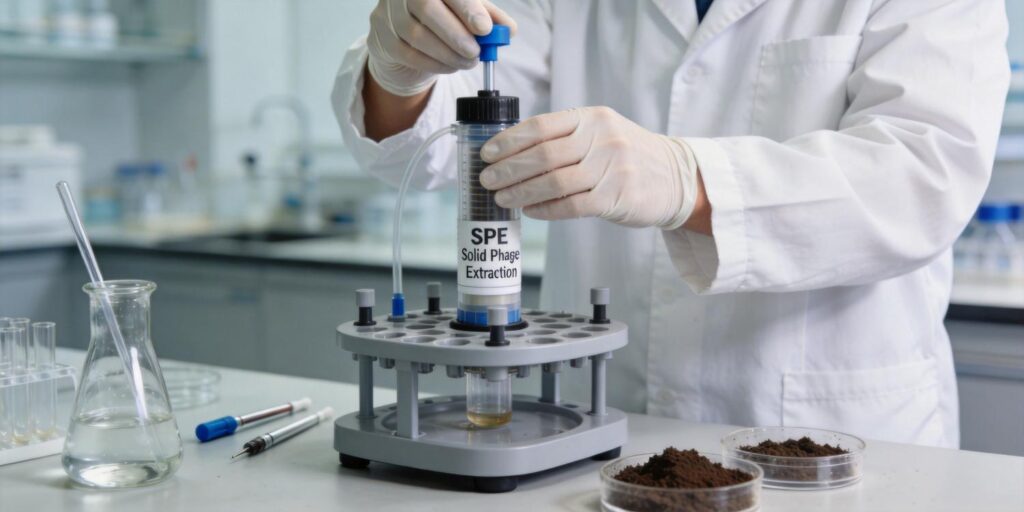
SPE cartridge extraction of pesticide residues from drinking water samples

SPE Strategies for Sample Preparation of Pesticides in Drinking Water

Regulatory Limits for Pesticides in Drinking Water Drinking water safety is governed by stringent regulatory frameworks worldwide, with pesticide monitoring being a critical component of water quality assessment. The U.S. Environmental Protection Agency (EPA) establishes Maximum Contaminant Levels (MCLs) for specific pesticides in drinking water under the Safe Drinking Water Act. These limits are typically […]

SPE Strategies for Sample Preparation of Pesticides in Drinking Water Read More »
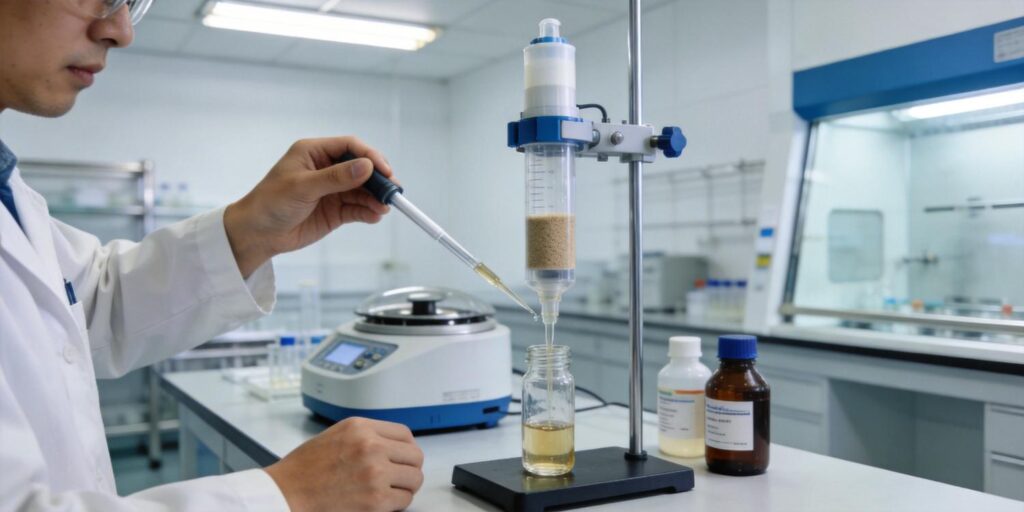
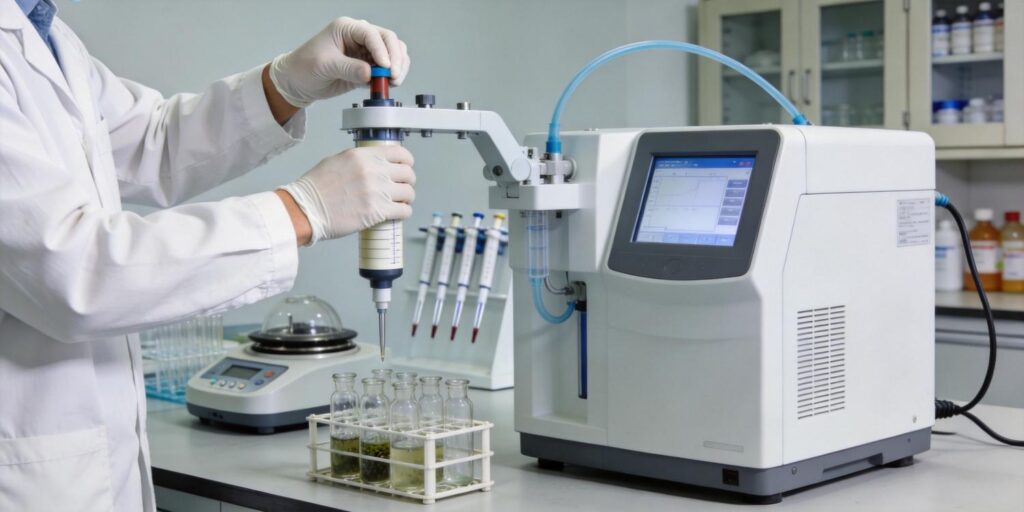
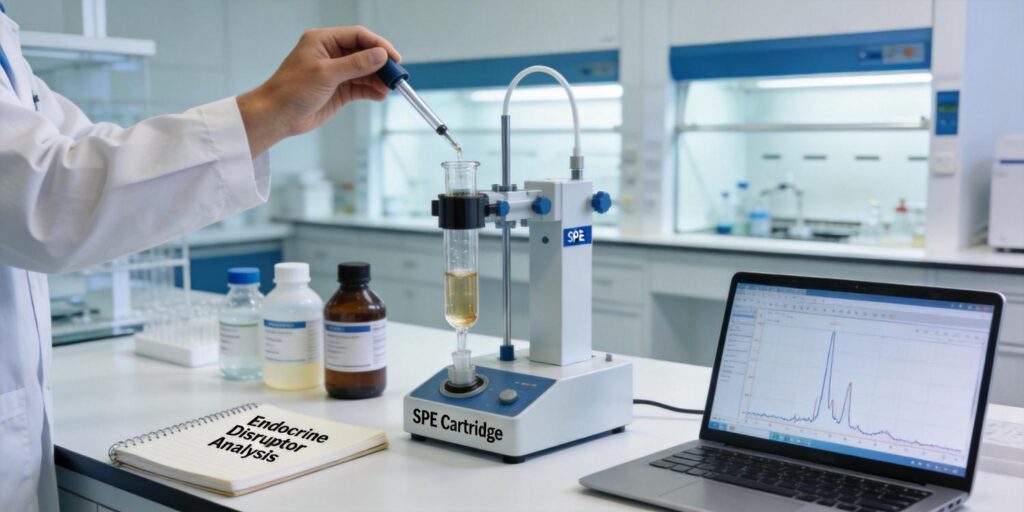
SPE cartridge extracting endocrine disrupting compounds from water sample

SPE Sample Preparation for LC-MS Detection of Endocrine Disruptors in Water

1. Overview of Endocrine Disrupting Compounds in Water Endocrine disrupting compounds (EDCs) represent a significant environmental concern due to their ability to interfere with hormonal systems at trace concentrations. These compounds include diverse chemical classes such as bisphenols (notably bisphenol A), natural and synthetic hormones (estrogens, androgens), pharmaceuticals, pesticides, and industrial chemicals. According to research,

SPE Sample Preparation for LC-MS Detection of Endocrine Disruptors in Water Read More »

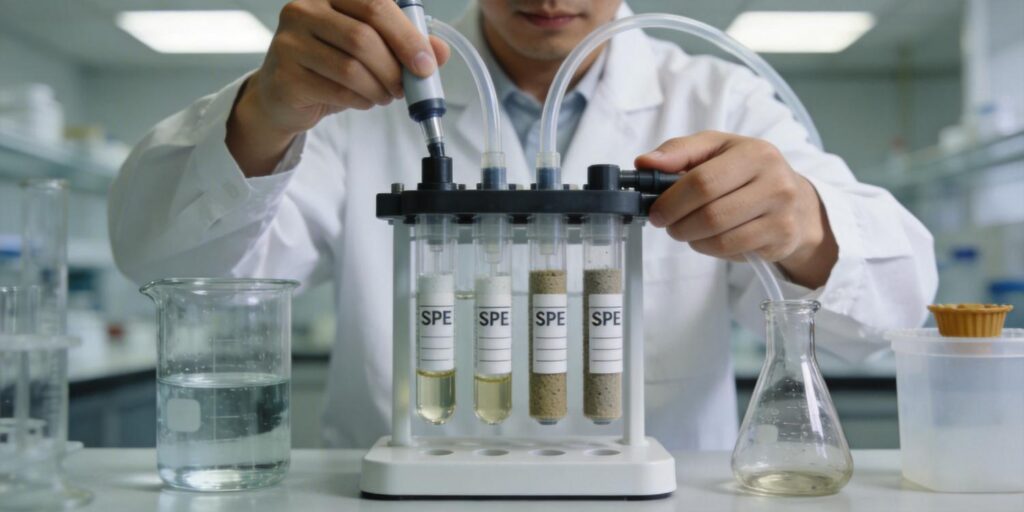
SPE cartridge extracting herbicide residues from soil extract

SPE Workflow for Extracting Herbicide Residues from Agricultural Soil

Soil Sampling and Drying Procedures Effective extraction of herbicide residues from agricultural soil begins with proper sample collection and preparation. Representative soil samples should be collected from multiple locations within the field using a soil corer or auger to obtain a composite sample. The sampling depth should correspond to the herbicide application zone, typically 0-15

SPE Workflow for Extracting Herbicide Residues from Agricultural Soil Read More »

SPE cartridge extracting antibiotics from wastewater sample

SPE Method Development for Trace Antibiotic Detection in Wastewater

Target Antibiotic Classes: Understanding Polarity and pKa Ranges Developing an effective SPE method for trace antibiotic detection in wastewater begins with understanding the physicochemical properties of target compounds. The three major antibiotic classes—sulfonamides, fluoroquinolones, and macrolides—exhibit diverse polarity and ionization characteristics that directly influence SPE retention and elution strategies. Sulfonamides Sulfonamide antibiotics typically contain an

SPE Method Development for Trace Antibiotic Detection in Wastewater Read More »

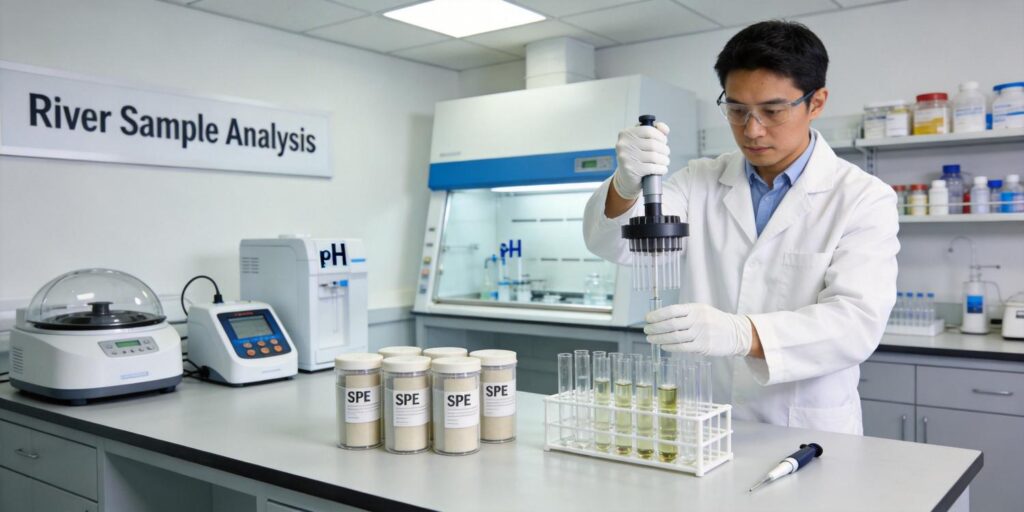
SPE cartridge extracting pesticide residues from environmental water sample

SPE Sample Preparation for Trace Pesticide Detection in River Water

Trace Pesticide Contamination Concerns in River Water River water monitoring for trace pesticide contamination represents one of the most critical environmental analytical challenges facing regulatory agencies and research institutions today. Pesticides, even at sub-part-per-billion (ppb) levels, can have profound ecological impacts, affecting aquatic life, disrupting ecosystems, and potentially entering drinking water supplies. The analytical challenge

SPE Sample Preparation for Trace Pesticide Detection in River Water Read More »

SPE cartridge removing humic acids from environmental water sample

SPE Protocol for Removing Humic Substances from Environmental Water Samples

1. Nature of Humic and Fulvic Acid Interference in LC-MS Analysis Humic and fulvic acids constitute the primary components of dissolved organic matter (DOM) in environmental water samples, ranging from micrograms per liter in groundwater to milligrams per liter in surface freshwater. These complex macromolecular substances are amphiphilic in nature, containing both hydrophobic aromatic cores

SPE Protocol for Removing Humic Substances from Environmental Water Samples Read More »

endocrine disruptor extraction using SPE

SPE Sample Preparation for Endocrine Disruptor Analysis

Overview of Endocrine Disrupting Compounds Endocrine disrupting compounds (EDCs) represent a diverse class of chemical contaminants that interfere with the normal functioning of the endocrine system in humans and wildlife. These compounds mimic, block, or otherwise disrupt hormonal signaling pathways, potentially leading to reproductive abnormalities, developmental disorders, and increased cancer risks. EDCs encompass a wide

SPE Sample Preparation for Endocrine Disruptor Analysis Read More »

environmental water pharmaceutical extraction using SPE

SPE Preconcentration of Pharmaceuticals in Surface Water

Pharmaceutical Contaminants Overview Pharmaceutical contaminants in surface water represent a growing environmental concern, with compounds ranging from non-steroidal anti-inflammatory drugs (NSAIDs) to antibiotics, hormones, and antidepressants entering aquatic systems through various pathways. These emerging contaminants typically exist at trace concentrations (ng/L to μg/L), making their detection and quantification challenging without effective preconcentration techniques. According to

SPE Preconcentration of Pharmaceuticals in Surface Water Read More »

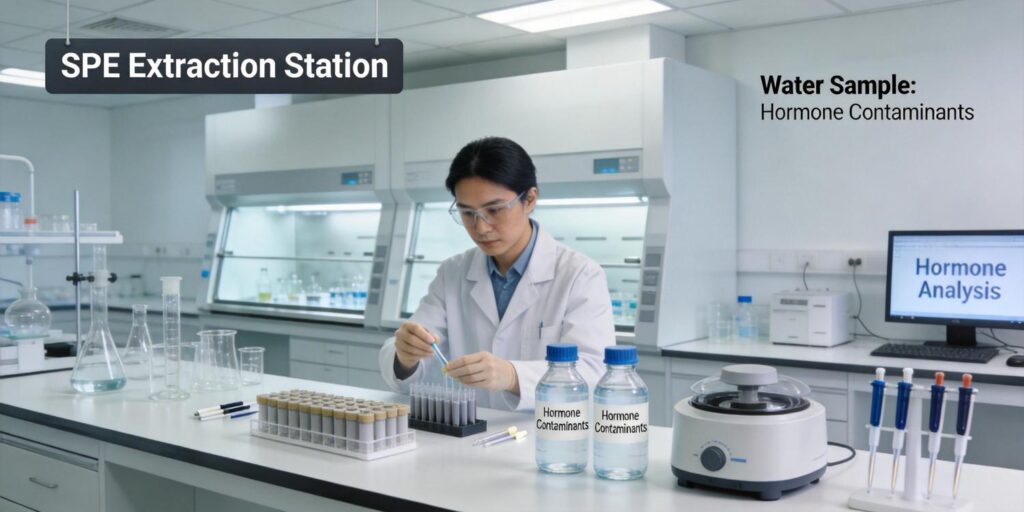
hormone contaminant extraction using SPE cartridge

SPE Method for Hormone Analysis in Environmental Water

Environmental Sources of Steroid Hormones Steroid hormones enter environmental water systems through multiple pathways, primarily from human and animal waste. Estrogens (estrone, estradiol, estriol), androgens (testosterone), progestogens (progesterone), and synthetic hormones (ethinylestradiol) are excreted in urine and feces, passing through wastewater treatment plants that often incompletely remove these compounds. Agricultural runoff containing livestock manure and

SPE Method for Hormone Analysis in Environmental Water Read More »

Shopping Cart
Poseidon Scientific
Privacy Overview

This website uses cookies so that we can provide you with the best user experience possible. Cookie information is stored in your browser and performs functions such as recognising you when you return to our website and helping our team to understand which sections of the website you find most interesting and useful.