Applications

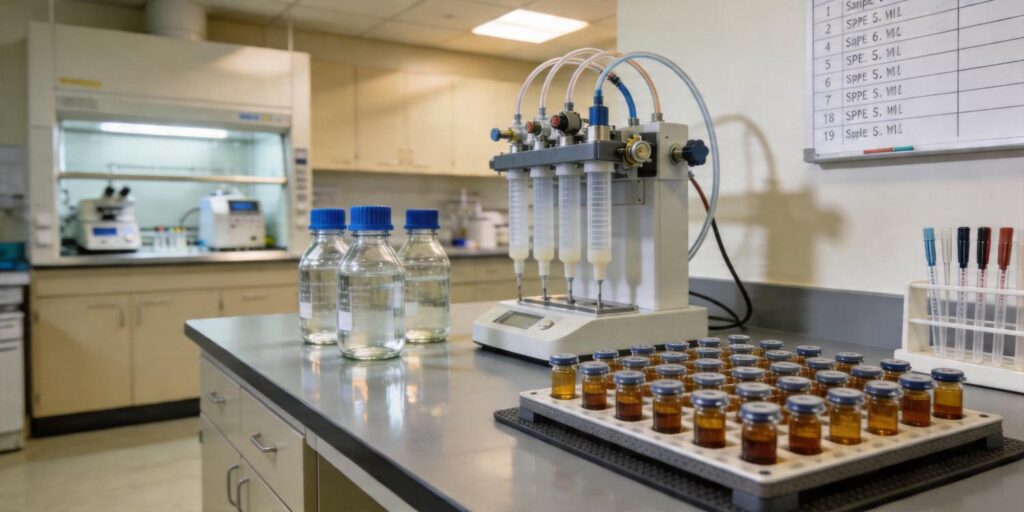
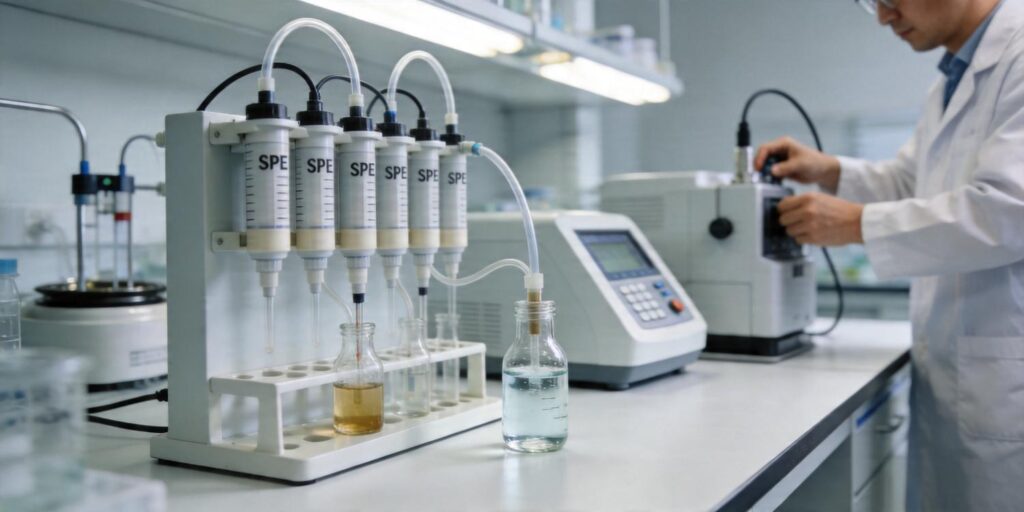
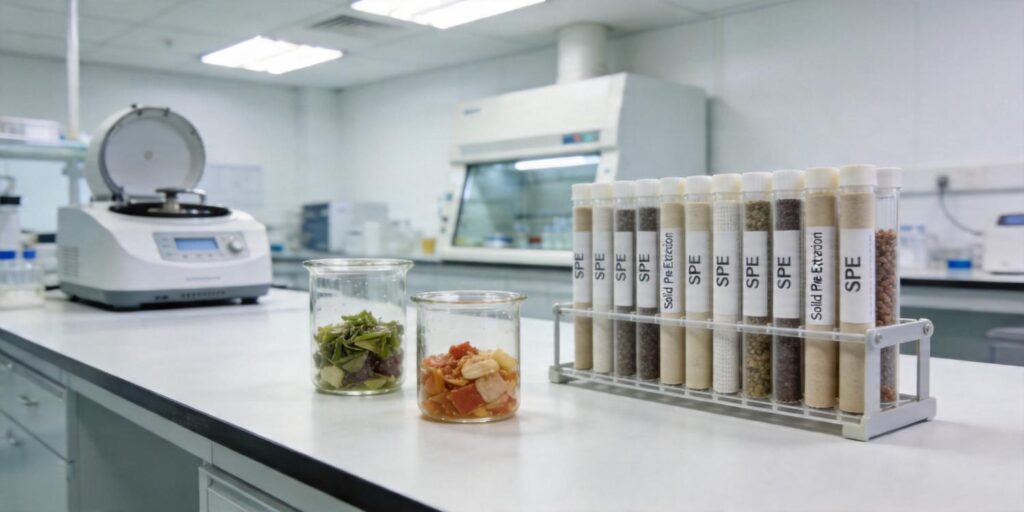
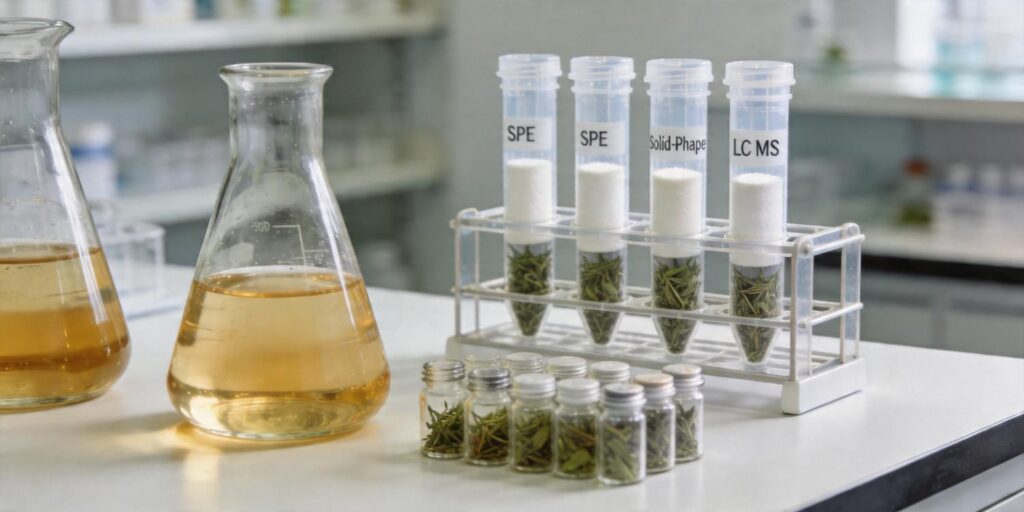
SPE purification workflow for herbal medicine extract analysis

SPE Cleanup for LC-MS Analysis of Herbal Medicine Extracts

Chemical Complexity of Herbal Medicine Extracts Herbal medicine extracts represent one of the most chemically complex matrices encountered in analytical chemistry. These natural products contain thousands of compounds spanning diverse chemical classes including alkaloids, flavonoids, terpenoids, phenolic acids, polysaccharides, pigments, and sterols. The sheer diversity of phytochemicals presents significant challenges for LC-MS analysis, where matrix […]

SPE Cleanup for LC-MS Analysis of Herbal Medicine Extracts Read More »
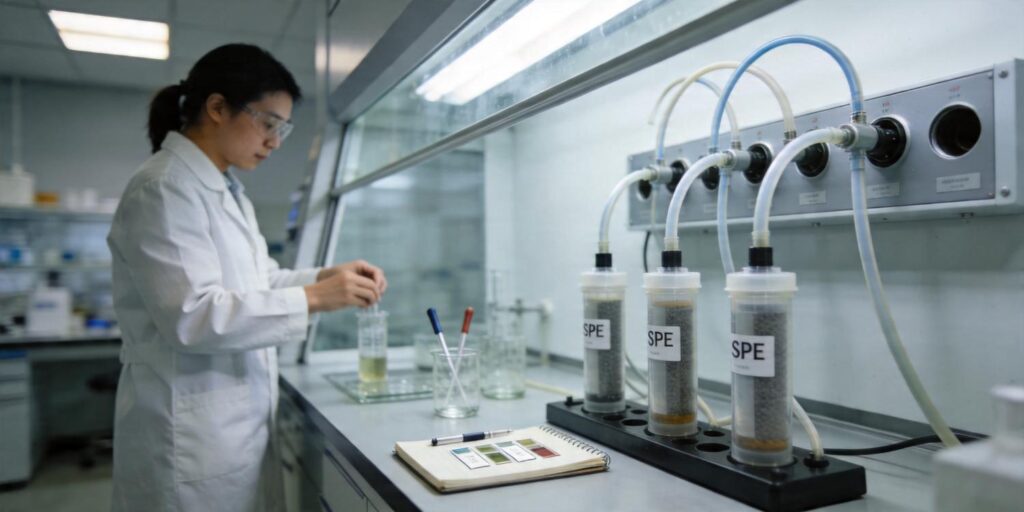
SPE cartridge extraction of herbicides from agricultural runoff samples

SPE Sample Preparation for Monitoring Herbicides in Agricultural Runoff

Herbicide Contamination in Agricultural Runoff Water Agricultural runoff represents one of the most significant pathways for herbicide contamination in aquatic ecosystems. When precipitation flows across agricultural fields, it carries with it a complex mixture of pesticides, fertilizers, and soil particles. This runoff can transport herbicides like atrazine, glyphosate, and their derivatives into nearby streams, rivers,

SPE Sample Preparation for Monitoring Herbicides in Agricultural Runoff Read More »

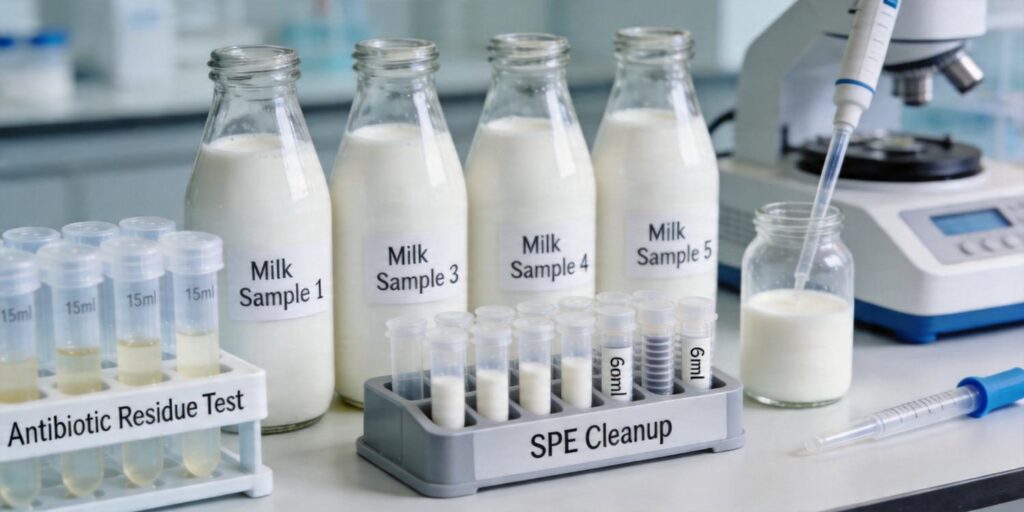
SPE purification of milk extracts used for veterinary drug testing

SPE Extraction of Veterinary Drug Residues in Milk Products

Monitoring Veterinary Drug Residues in Dairy Products Veterinary drug residues in milk and dairy products represent a significant food safety concern worldwide. Antibiotics, anthelmintics, anti-inflammatory drugs, and other veterinary pharmaceuticals can persist in milk from treated animals, potentially leading to antimicrobial resistance, allergic reactions, and other health risks for consumers. According to research from Simpson

SPE Extraction of Veterinary Drug Residues in Milk Products Read More »

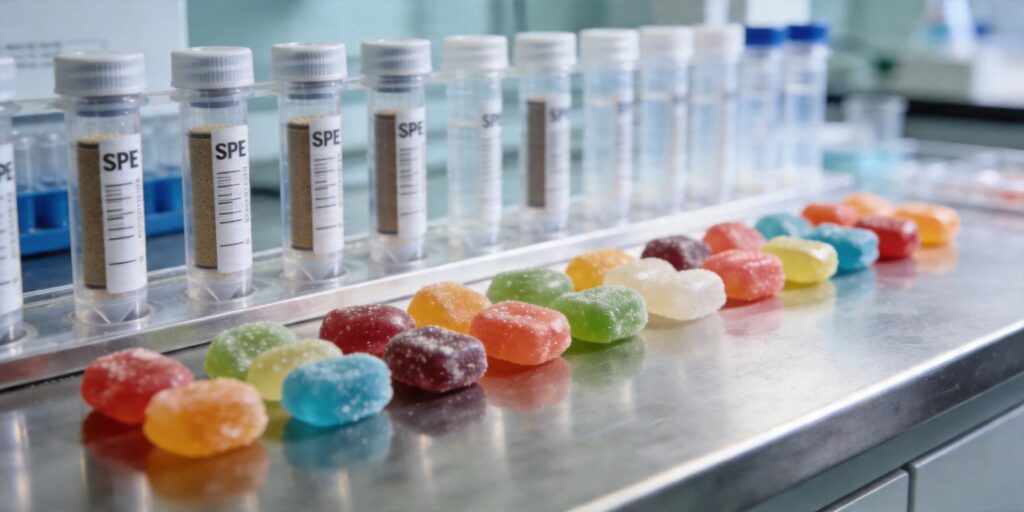
SPE purification workflow used for food dye analysis

SPE Cleanup Methods for Analyzing Synthetic Dyes in Food Products

Regulatory Oversight of Artificial Dyes in Processed Foods The analysis of synthetic dyes in food products represents a critical component of modern food safety testing, driven by stringent regulatory frameworks worldwide. Regulatory agencies including the FDA in the United States, EFSA in Europe, and similar bodies globally have established maximum permitted levels for artificial colorants

SPE Cleanup Methods for Analyzing Synthetic Dyes in Food Products Read More »

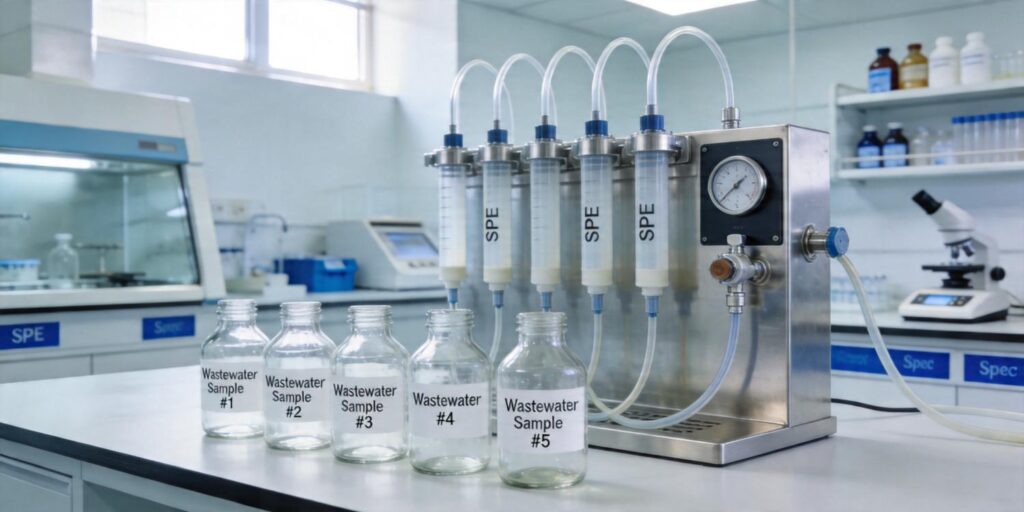
SPE extraction of pharmaceutical residues from treated wastewater samples

SPE Workflows for Monitoring Pharmaceutical Residues in Treated Wastewater

Pharmaceutical Residues as Emerging Environmental Contaminants The detection of pharmaceutical residues in treated wastewater has emerged as a critical environmental monitoring challenge over the past two decades. These compounds, including antibiotics, analgesics, antidepressants, and hormones, enter wastewater systems through human excretion, improper disposal, and manufacturing processes. Unlike traditional pollutants, pharmaceuticals are designed to be biologically

SPE Workflows for Monitoring Pharmaceutical Residues in Treated Wastewater Read More »

SPE cartridge extraction of trace antibiotics from drinking water samples

SPE Sample Preparation for Detecting Trace Antibiotics in Drinking Water

Increasing Concern Over Trace Antibiotics in Drinking Water Supplies The detection of trace-level antibiotics in drinking water has emerged as a critical environmental and public health concern. As pharmaceutical consumption increases globally, residues from antibiotics like sulfonamides, macrolides, and fluoroquinolones are finding their way into water systems through various pathways including wastewater treatment plant effluents,

SPE Sample Preparation for Detecting Trace Antibiotics in Drinking Water Read More »

SPE extraction of pharmaceutical contaminants from treated drinking water samples

SPE Extraction of Trace Pharmaceutical Compounds in Drinking Water Treatment Studies

Pharmaceutical Contamination in Drinking Water Sources The presence of pharmaceutical compounds in drinking water sources has emerged as a significant environmental concern over the past two decades. As Simpson (2000) notes in his comprehensive review of solid-phase extraction (SPE), environmental applications of SPE have “exploded during the 1990s,” with particular focus on drinking water, surface

SPE Extraction of Trace Pharmaceutical Compounds in Drinking Water Treatment Studies Read More »

SPE purification of processed food extracts for additive testing

SPE Cleanup for Analyzing Food Additives in Processed Foods

Types of Additives in Processed Foods Processed foods contain a diverse array of additives designed to enhance shelf life, texture, flavor, and appearance. These compounds fall into several functional categories that present unique analytical challenges. Preservatives like sodium benzoate, potassium sorbate, and parabens (methyl- and propyl-parabens) inhibit microbial growth. Antioxidants such as BHA (butylated hydroxyanisole)

SPE Cleanup for Analyzing Food Additives in Processed Foods Read More »

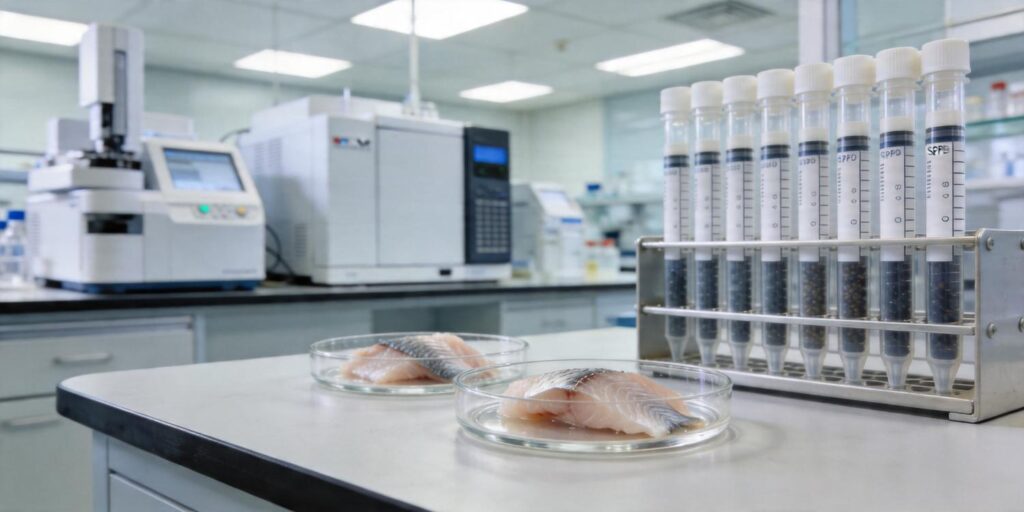
SPE extraction of veterinary drug residues from fish tissue samples

SPE Extraction of Veterinary Drug Residues in Fish Tissue

Monitoring Veterinary Drugs in Aquaculture Products Aquaculture has become a vital source of protein worldwide, but with intensive farming practices comes the increased use of veterinary drugs to prevent and treat diseases. Antibiotics, antiparasitics, and other pharmaceuticals are routinely administered in fish farming operations, creating potential risks for drug residues persisting in edible tissues. Regulatory

SPE Extraction of Veterinary Drug Residues in Fish Tissue Read More »

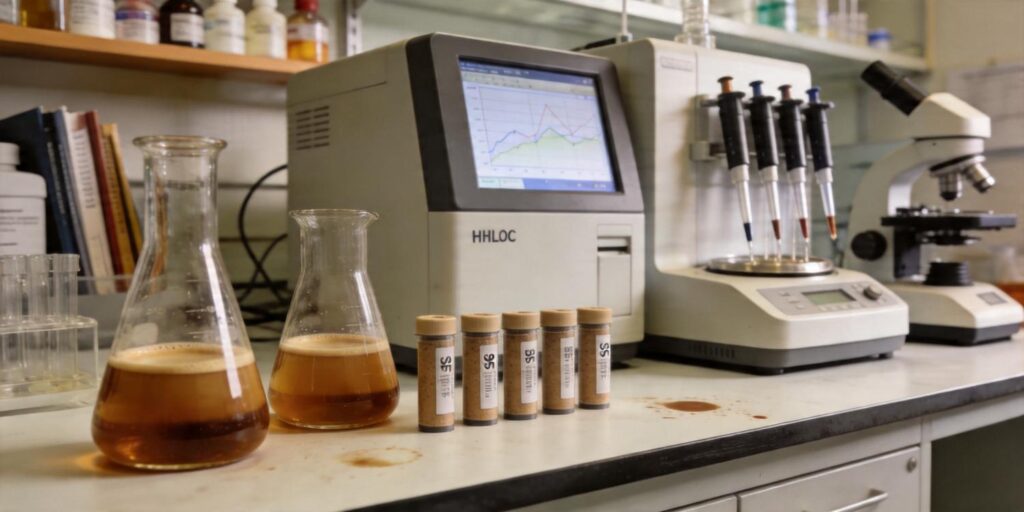
SPE purification of coffee extracts before chemical analysis

SPE Cleanup Strategies for Coffee Chemical Profiling

The Chemical Complexity of Coffee: A Formidable Analytical Challenge Coffee represents one of the most chemically complex natural products in analytical chemistry, containing over 1,000 identified compounds that span multiple chemical classes. This intricate matrix includes alkaloids (primarily caffeine), phenolic acids (chlorogenic acids), diterpenes (cafestol, kahweol), melanoidins, lipids, carbohydrates, and volatile aroma compounds. The sheer

SPE Cleanup Strategies for Coffee Chemical Profiling Read More »

Shopping Cart
Poseidon Scientific
Privacy Overview

This website uses cookies so that we can provide you with the best user experience possible. Cookie information is stored in your browser and performs functions such as recognising you when you return to our website and helping our team to understand which sections of the website you find most interesting and useful.