Applications

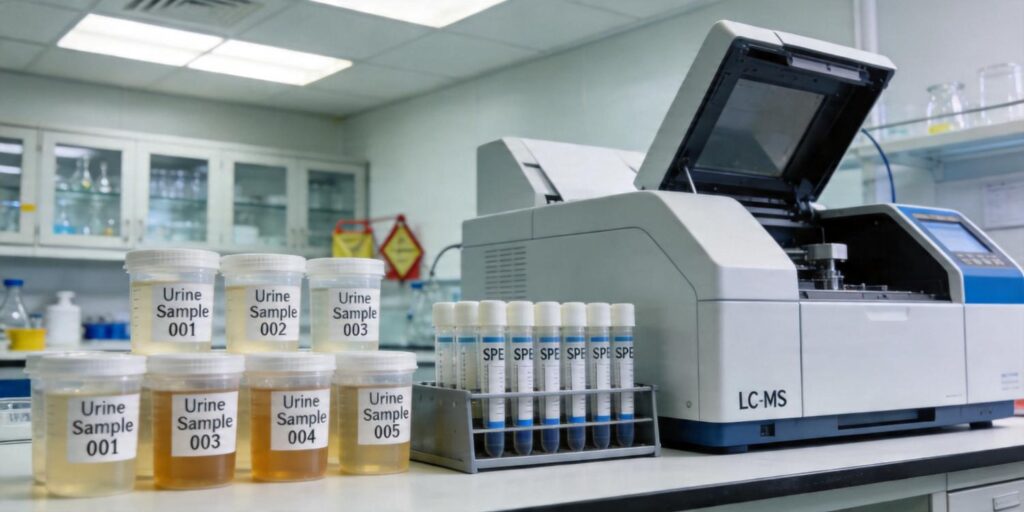
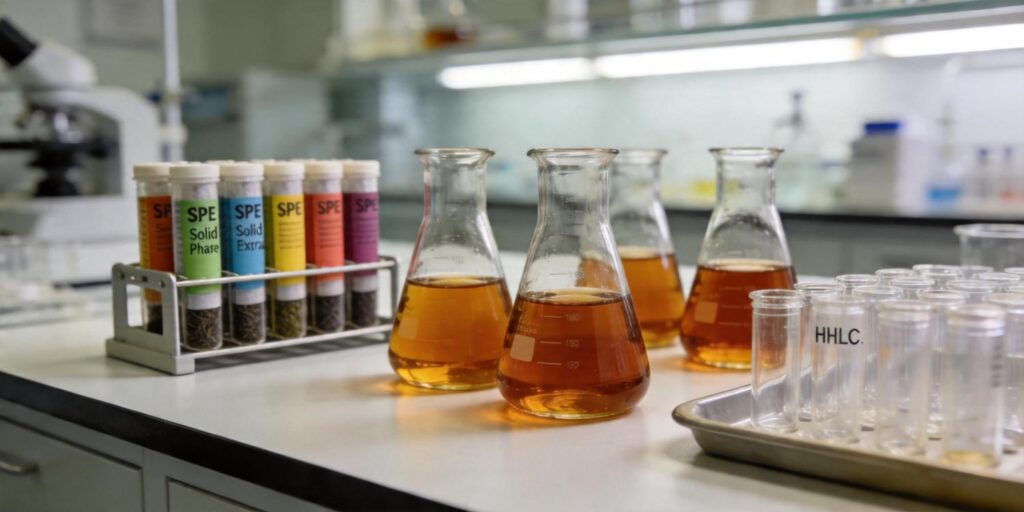
SPE cartridge extracting drug metabolites from urine samples

SPE Cleanup of Urine Samples for Drug Metabolite Analysis

Drug Metabolites Commonly Detected in Urine Urine serves as the primary excretion pathway for drug metabolites, making it the matrix of choice for forensic toxicology, clinical monitoring, and doping control. The metabolites detected span various drug classes, each presenting unique chemical properties that influence extraction strategies. Common metabolites include benzoylecgonine (cocaine metabolite), norcodeine and normorphine […]

SPE Cleanup of Urine Samples for Drug Metabolite Analysis Read More »

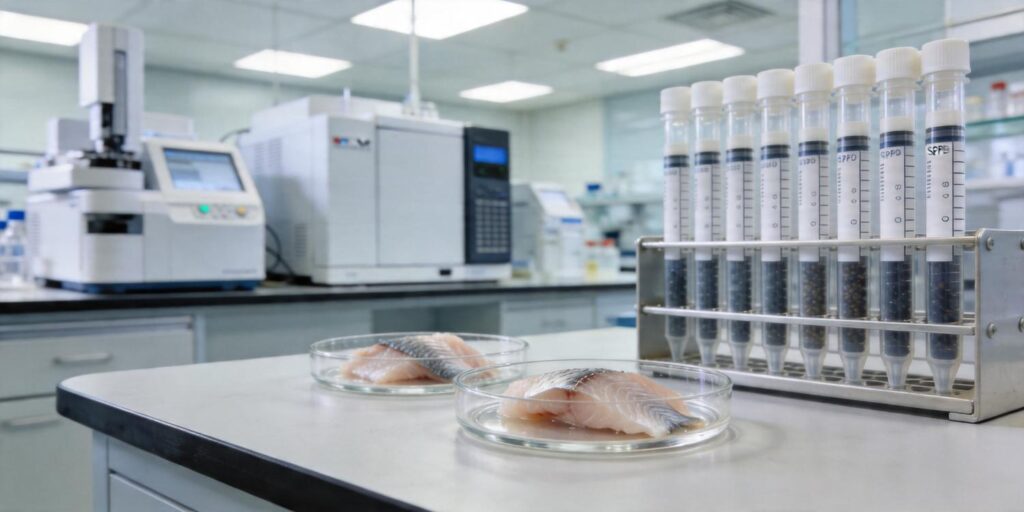
SPE cartridge extraction of pesticide residues from drinking water samples

SPE Strategies for Sample Preparation of Pesticides in Drinking Water

Regulatory Limits for Pesticides in Drinking Water Drinking water safety is governed by stringent regulatory frameworks worldwide, with pesticide monitoring being a critical component of water quality assessment. The U.S. Environmental Protection Agency (EPA) establishes Maximum Contaminant Levels (MCLs) for specific pesticides in drinking water under the Safe Drinking Water Act. These limits are typically

SPE Strategies for Sample Preparation of Pesticides in Drinking Water Read More »

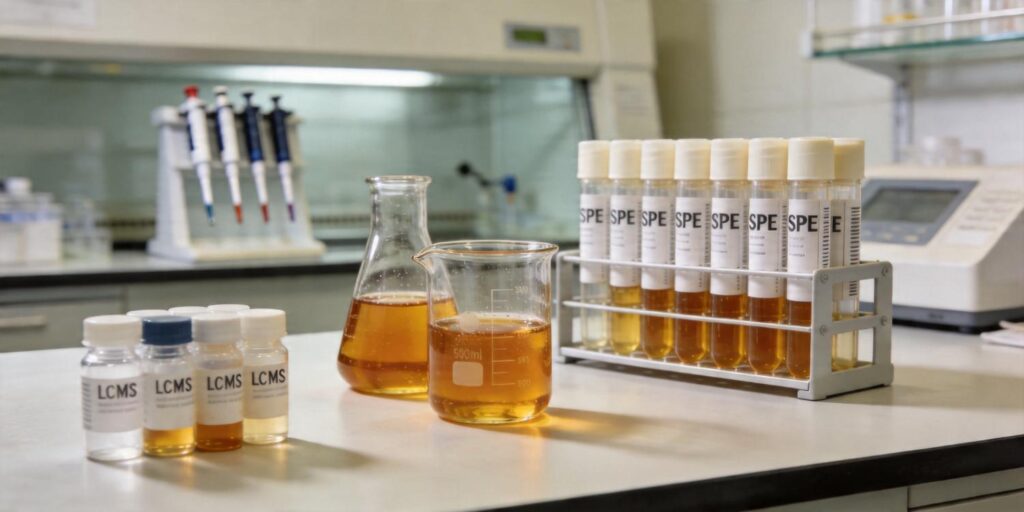
SPE cartridge cleanup of serum samples in clinical LC-MS laboratory

Best Practices for SPE Cleanup of Serum Samples in Clinical LC-MS Analysis

Common Clinical Analytes Measured by LC-MS Liquid chromatography-mass spectrometry (LC-MS) has revolutionized clinical analysis by enabling sensitive and specific detection of diverse analytes in serum samples. The technique’s versatility allows for comprehensive profiling across multiple therapeutic and diagnostic categories. Pharmaceutical Compounds LC-MS excels in therapeutic drug monitoring (TDM) for medications with narrow therapeutic windows. Common

Best Practices for SPE Cleanup of Serum Samples in Clinical LC-MS Analysis Read More »

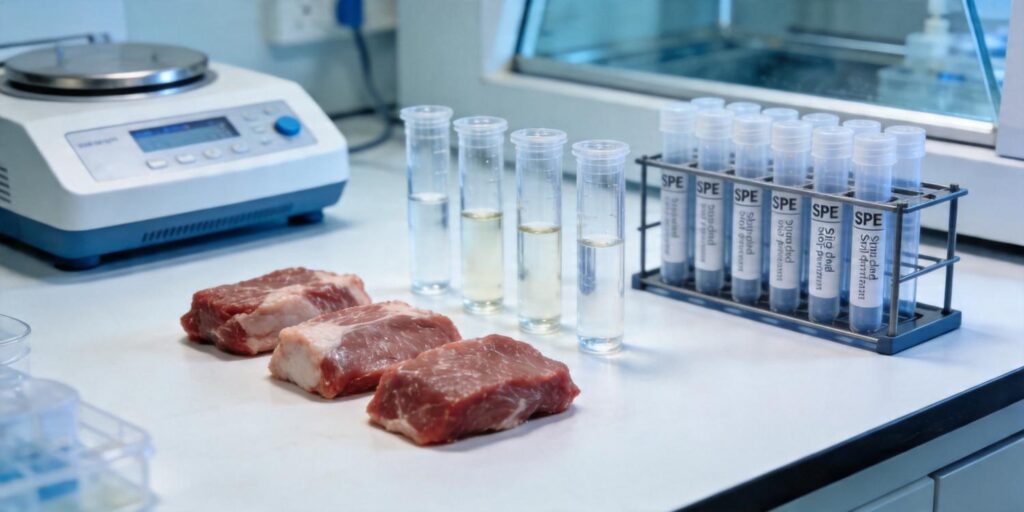
laboratory SPE extraction workflow analyzing antibiotic residues in milk samples

SPE Workflow for Antibiotic Residue Analysis in Milk Samples

1. Common Antibiotics Monitored in Dairy Testing Dairy product safety requires rigorous monitoring of antibiotic residues, with beta-lactams and tetracyclines being the most frequently analyzed classes. Beta-lactams, including penicillins (amoxicillin, ampicillin) and cephalosporins, are widely used in veterinary medicine for treating mastitis and other infections. Tetracyclines such as oxytetracycline, tetracycline, and chlortetracycline are broad-spectrum antibiotics

SPE Workflow for Antibiotic Residue Analysis in Milk Samples Read More »

SPE cartridge extracting antibiotic residues from honey sample

SPE Method for Extraction of Veterinary Antibiotics from Honey

Honey Matrix Challenges Including High Sugar Content Honey presents unique analytical challenges for veterinary antibiotic residue analysis due to its complex matrix composition. As a natural product with approximately 80% sugar content (primarily fructose and glucose), honey creates significant interference issues for analytical methods. The high viscosity and sugar concentration can lead to: Column fouling

SPE Method for Extraction of Veterinary Antibiotics from Honey Read More »

SPE cartridge extracting organic acids from fermented food sample

Laboratory Workflow for SPE Extraction of Organic Acids in Fermented Foods

Fermented Food Matrices and Organic Acid Composition Fermented foods represent a diverse category of complex matrices that include dairy products (yogurt, cheese), vegetables (sauerkraut, kimchi), beverages (wine, beer), and soy products (miso, tempeh). These foods undergo microbial transformation where organic acids play crucial roles in flavor development, preservation, and nutritional quality. The primary organic acids

Laboratory Workflow for SPE Extraction of Organic Acids in Fermented Foods Read More »

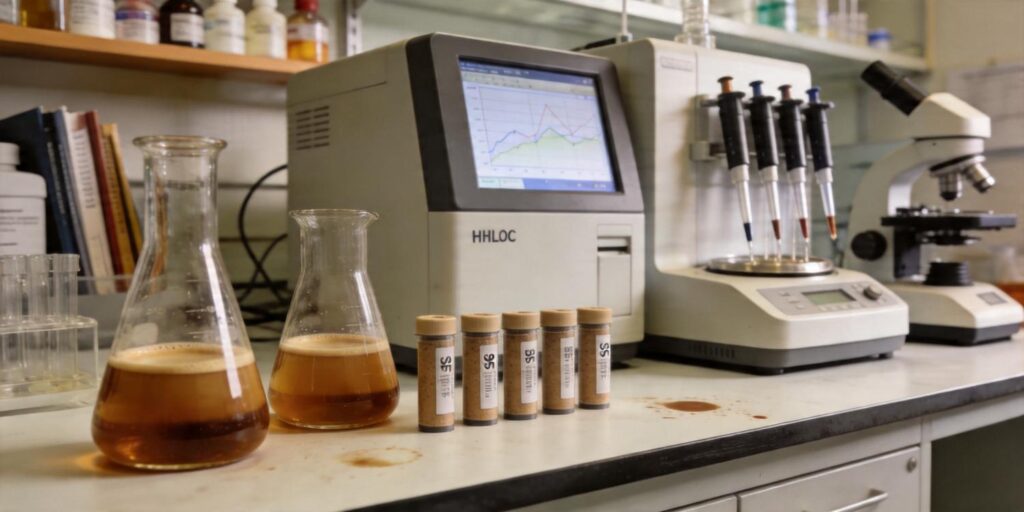
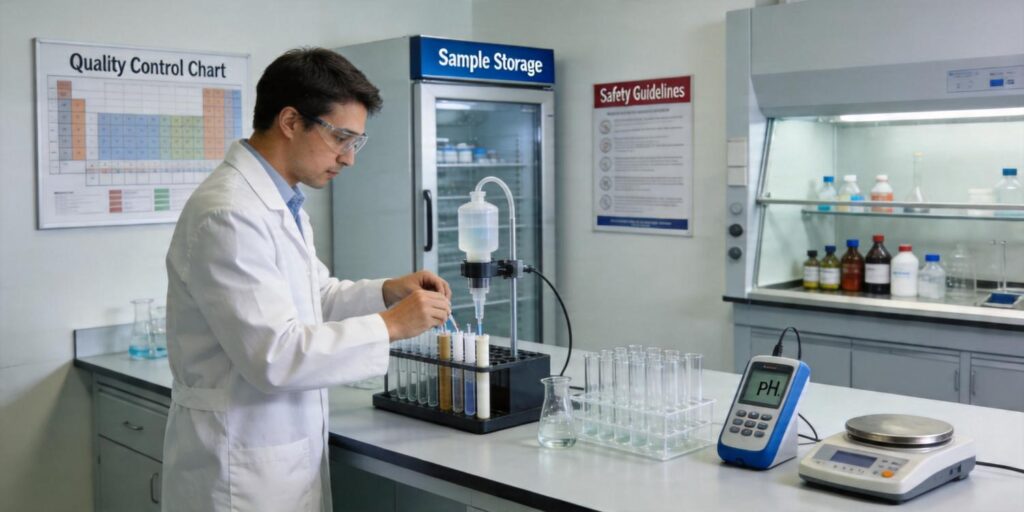
SPE cartridge extracting endocrine disrupting compounds from water sample

SPE Sample Preparation for LC-MS Detection of Endocrine Disruptors in Water

1. Overview of Endocrine Disrupting Compounds in Water Endocrine disrupting compounds (EDCs) represent a significant environmental concern due to their ability to interfere with hormonal systems at trace concentrations. These compounds include diverse chemical classes such as bisphenols (notably bisphenol A), natural and synthetic hormones (estrogens, androgens), pharmaceuticals, pesticides, and industrial chemicals. According to research,

SPE Sample Preparation for LC-MS Detection of Endocrine Disruptors in Water Read More »

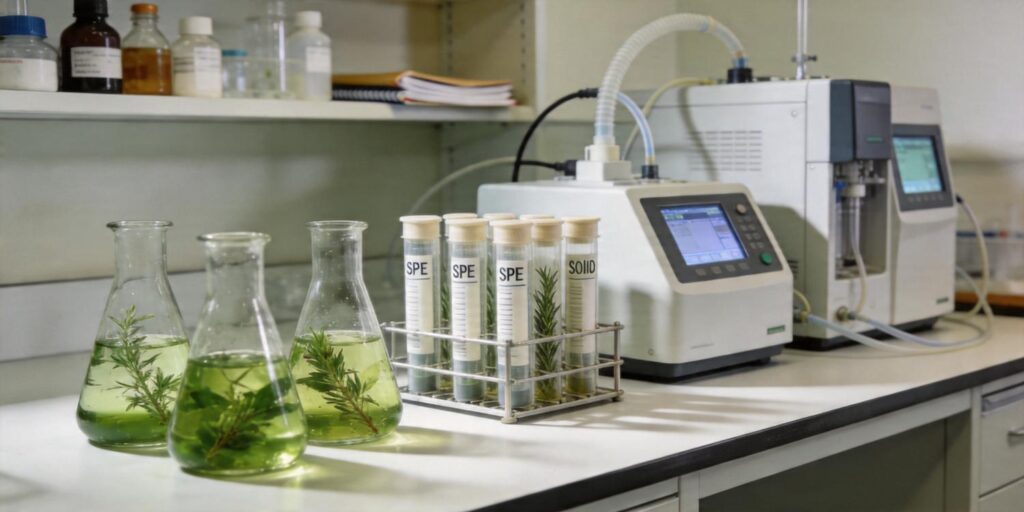
MAX SPE cartridge extracting herbicide residues from water sample

MAX SPE Method for Extraction of Acidic Herbicides in Water Samples

Chemical Characteristics of Acidic Herbicides Acidic herbicides such as 2,4-D (2,4-dichlorophenoxyacetic acid) and dicamba (3,6-dichloro-2-methoxybenzoic acid) represent a critical class of agricultural chemicals requiring specialized extraction methodologies. These compounds share common structural features including carboxylic acid functional groups that impart acidic properties with pKa values typically ranging from 2.6-2.8 for 2,4-D and approximately 2.2 for

MAX SPE Method for Extraction of Acidic Herbicides in Water Samples Read More »

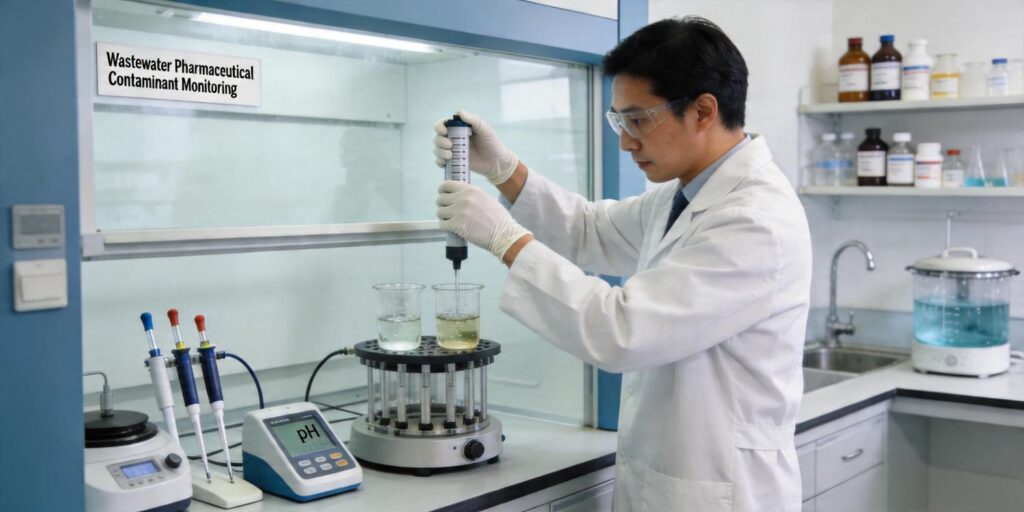
SPE cartridge purifying dissolved pharmaceutical tablet sample

SPE Cleanup Workflow for LC-MS Analysis of Pharmaceutical Tablets

Introduction to SPE Cleanup for Pharmaceutical Tablet Analysis Solid-phase extraction (SPE) has become an indispensable technique in pharmaceutical analysis, particularly for LC-MS analysis of tablet formulations. The complexity of tablet matrices—containing active pharmaceutical ingredients (APIs), excipients, fillers, binders, and lubricants—demands robust cleanup procedures to ensure accurate quantification and prevent instrument contamination. According to industry standards,

SPE Cleanup Workflow for LC-MS Analysis of Pharmaceutical Tablets Read More »

HLB SPE cartridge extracting pesticide residues from fruit extract

HLB SPE Method for Multi-Residue Pesticide Analysis in Fruit Samples

Overview of Pesticide Residue Regulations and Detection Limits in Fruit Testing Global food safety regulations have established stringent limits for pesticide residues in fruits, with maximum residue limits (MRLs) typically ranging from 0.01 to 10 mg/kg depending on the pesticide and fruit type. Regulatory bodies including the European Union, US FDA, and Codex Alimentarius Commission

HLB SPE Method for Multi-Residue Pesticide Analysis in Fruit Samples Read More »

Shopping Cart
Poseidon Scientific
Privacy Overview

This website uses cookies so that we can provide you with the best user experience possible. Cookie information is stored in your browser and performs functions such as recognising you when you return to our website and helping our team to understand which sections of the website you find most interesting and useful.