Applications

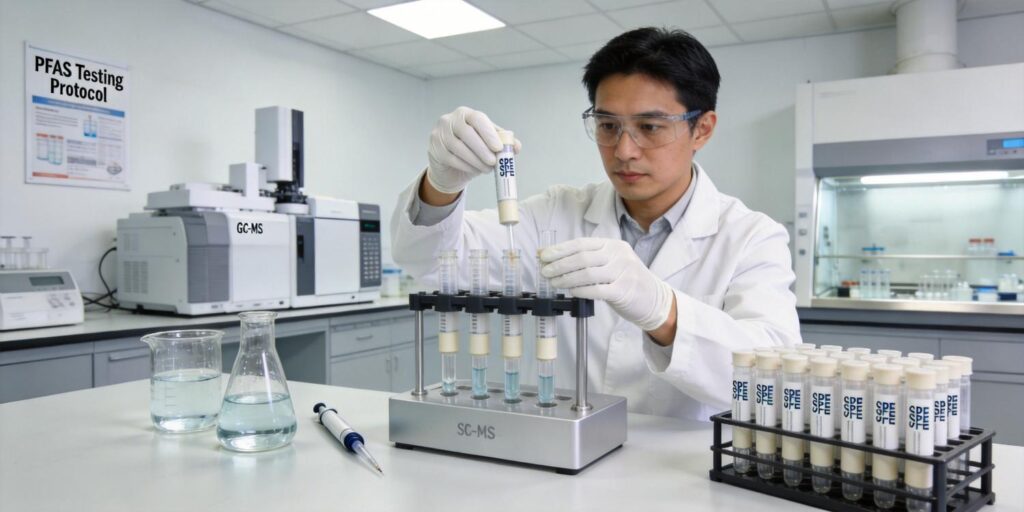
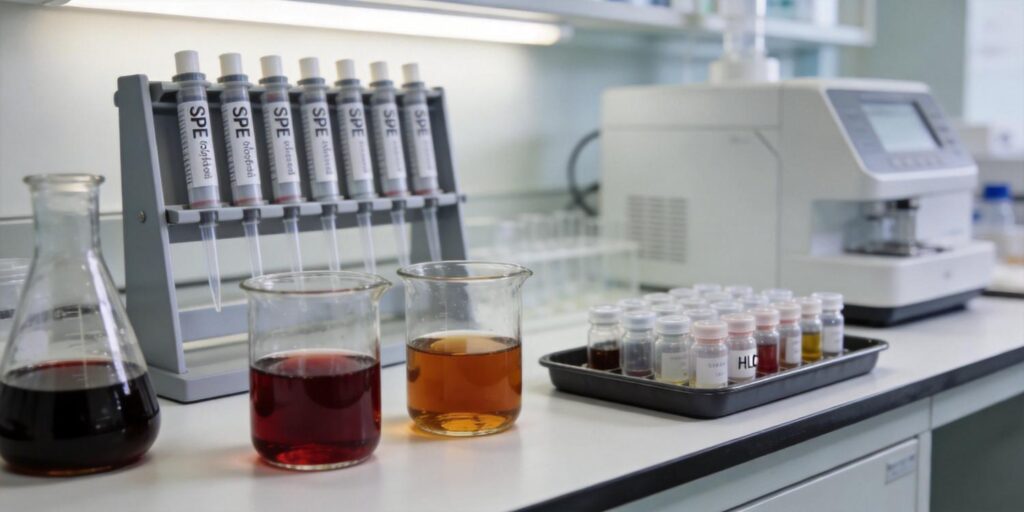
environmental laboratory performing PFAS sample preparation with SPE

PFAS Analysis Using SPE: Sample Preparation Guide

What Are PFAS Contaminants? Per- and polyfluoroalkyl substances (PFAS) represent a class of synthetic chemicals characterized by strong carbon-fluorine bonds, making them highly persistent in the environment and resistant to degradation. These compounds have been widely used since the 1940s in various industrial applications and consumer products due to their unique properties, including oil and […]

PFAS Analysis Using SPE: Sample Preparation Guide Read More »

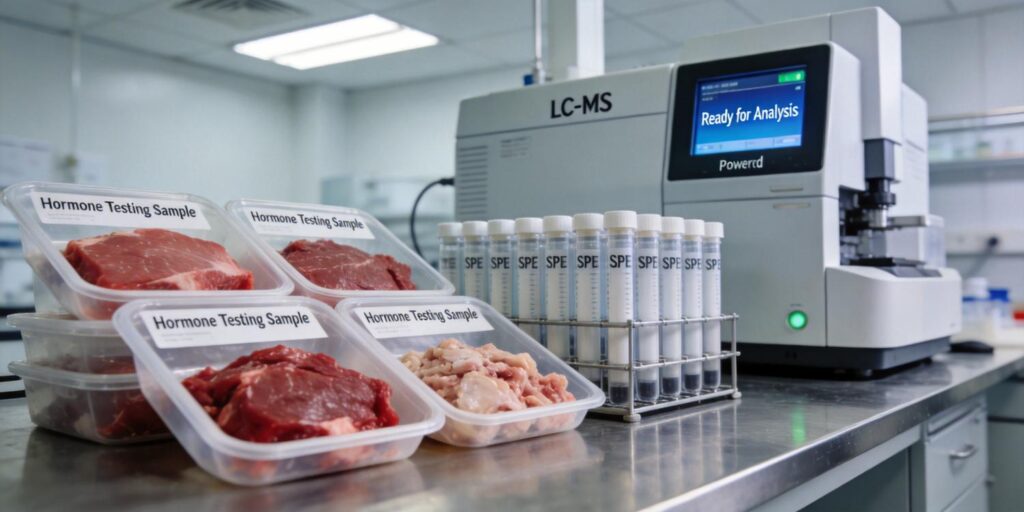
scientist extracting hormone samples using SPE cartridges

Using SPE to Extract Hormones from Biological Samples

The Critical Role of Hormone Monitoring in Clinical Research Hormone analysis represents one of the most fundamental and challenging aspects of modern clinical research and diagnostics. As signaling molecules that regulate virtually every physiological process—from metabolism and growth to reproduction and stress response—hormones provide crucial insights into endocrine function, disease states, and therapeutic interventions. The

Using SPE to Extract Hormones from Biological Samples Read More »

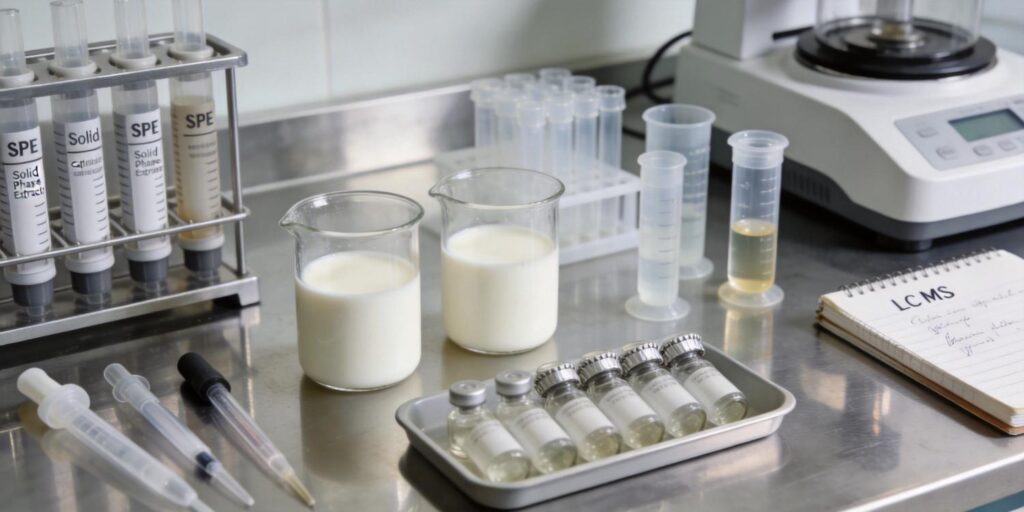
laboratory performing SPE extraction for antibiotic residue testing

SPE for Antibiotic Residue Detection in Food Samples

Overview of Antibiotic Contamination in Food Antibiotic residues in food products represent a significant public health concern with far-reaching implications for consumer safety and regulatory compliance. The use of antibiotics in livestock production for therapeutic treatment, disease prevention, and growth promotion has led to the potential presence of these compounds in meat, dairy products, eggs,

SPE for Antibiotic Residue Detection in Food Samples Read More »

pharmaceutical scientist extracting metabolites using SPE

SPE for Drug Metabolite Analysis

The Critical Role of SPE in Pharmacokinetic Studies Solid-phase extraction (SPE) has become an indispensable tool in modern pharmacokinetic research, particularly for drug metabolite analysis. As noted in pharmaceutical research literature, SPE is “widely used for the preparation of biological samples for further analysis in areas as diverse as clinical chemistry, forensic science, and biomedical

SPE for Drug Metabolite Analysis Read More »

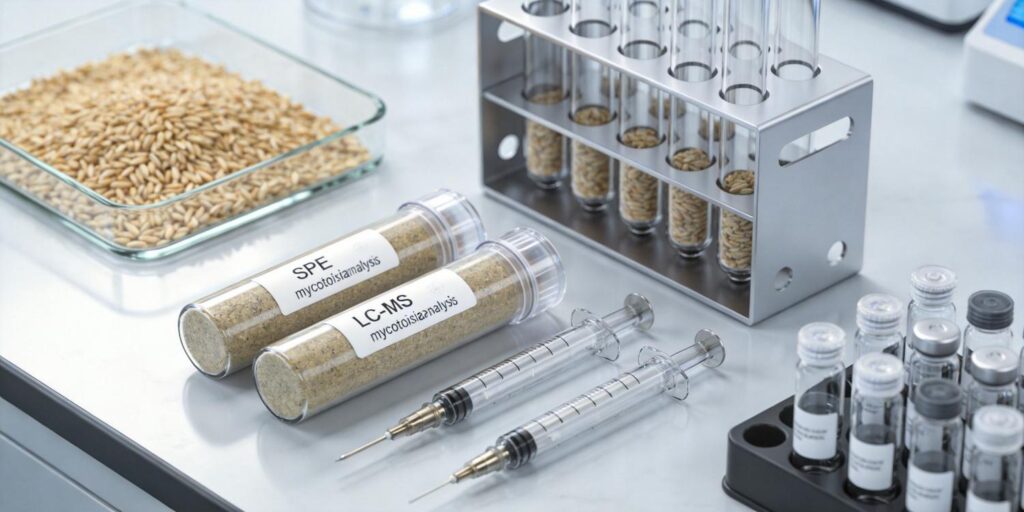
laboratory performing SPE extraction for pesticide testing

SPE for Pesticide Residue Analysis

The Critical Role of SPE in Modern Pesticide Residue Analysis In today’s global food supply chain, ensuring the safety of agricultural products has become paramount. Pesticide residue analysis stands at the forefront of food safety protocols, and Solid Phase Extraction (SPE) has emerged as an indispensable tool in this critical analytical workflow. As regulatory standards

SPE for Pesticide Residue Analysis Read More »

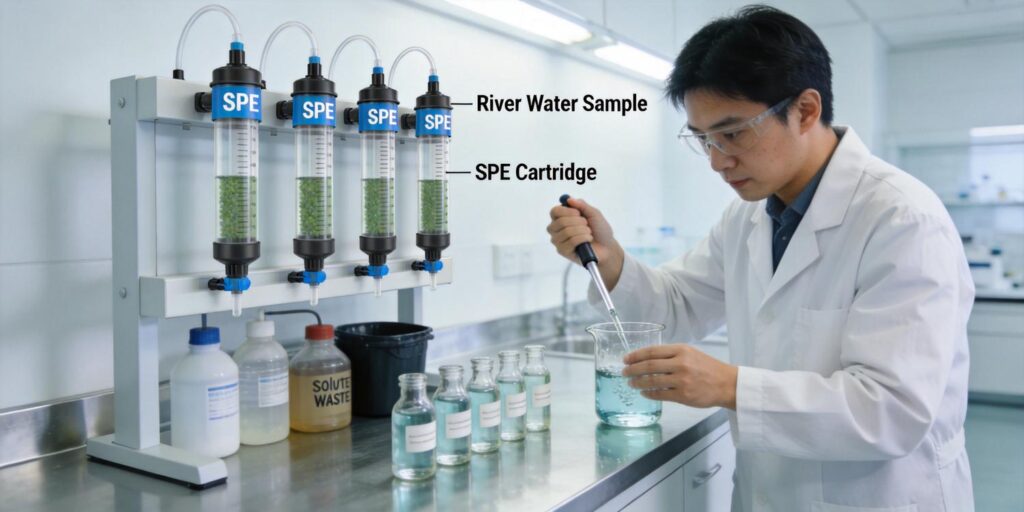
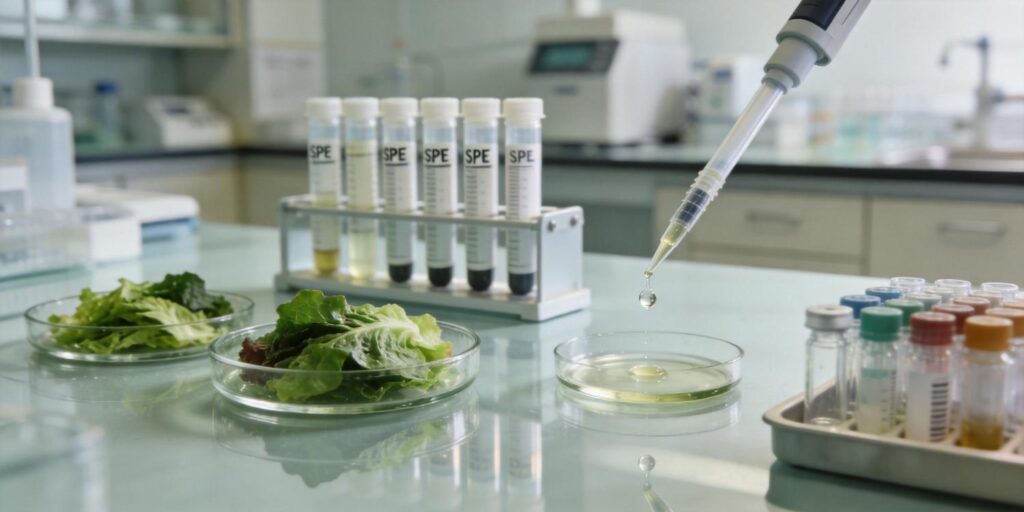
environmental scientist performing SPE extraction on water samples

SPE in Environmental Water Analysis

Contaminants in Environmental Water: A Growing Concern Environmental water analysis has become increasingly critical as industrial, agricultural, and urban activities continue to introduce diverse contaminants into our water systems. These pollutants range from traditional agricultural chemicals to emerging contaminants that pose significant challenges to water quality monitoring and public health protection. Major Contaminant Categories Water

SPE in Environmental Water Analysis Read More »

Featured Image Blog Method Development | A Comprehensive Analysis of the Fundamental Differences Between Methanol and Ethanol

Method Development | A Comprehensive Analysis of the Fundamental Differences Between Methanol and Ethanol

For those pressed for time, we’ve condensed the essence of methanol and ethanol distinctions into a concise summary, tailored to maximize your valuable reading experience. Summary: Methanol and acetonitrile are commonly regarded as cornerstone organic solvents in the formulation of mobile phases for reversed-phase liquid chromatography (RPLC), with each occupying a pivotal role in the

Method Development | A Comprehensive Analysis of the Fundamental Differences Between Methanol and Ethanol Read More »

Feature image of a blog post in Poseidon Scientific

Determination of L-carnitine in the foods for export HPLC method and HPLC-MS/MS method

1. Scope This standard specifies the determination of L-carnitine in the foods for export by HPLC and HPLC-MS/MS. This standard applies to the L-carnitine detection in milk powder, beverages, and other foods. Note: lf the D-carnitine is present in the sample, the result of HPLC-MS/MS method is the sum of L-carnitine and D-carnitine. 2. Normative

Determination of L-carnitine in the foods for export HPLC method and HPLC-MS/MS method Read More »

Feature Image of Determination of semicarbazide in flour and its products LCMS method

Determination of semicarbazide in flour and its products LC-MS/MS method

1. Scope This standard specifies the method of determination of semicarbazide in flour and its products for export by LC-MS/MS methodThis standard applies to the determination of semicarbazide in wheat flour, fry powder, fine-dried noodles, bread crumbs, noodles, steamed bread, Fried flour, egg yolk pie, biscuits, instant noodles, bread, wheat flour, and its products for

Determination of semicarbazide in flour and its products LC-MS/MS method Read More »

Shopping Cart
Poseidon Scientific
Privacy Overview

This website uses cookies so that we can provide you with the best user experience possible. Cookie information is stored in your browser and performs functions such as recognising you when you return to our website and helping our team to understand which sections of the website you find most interesting and useful.