Applications

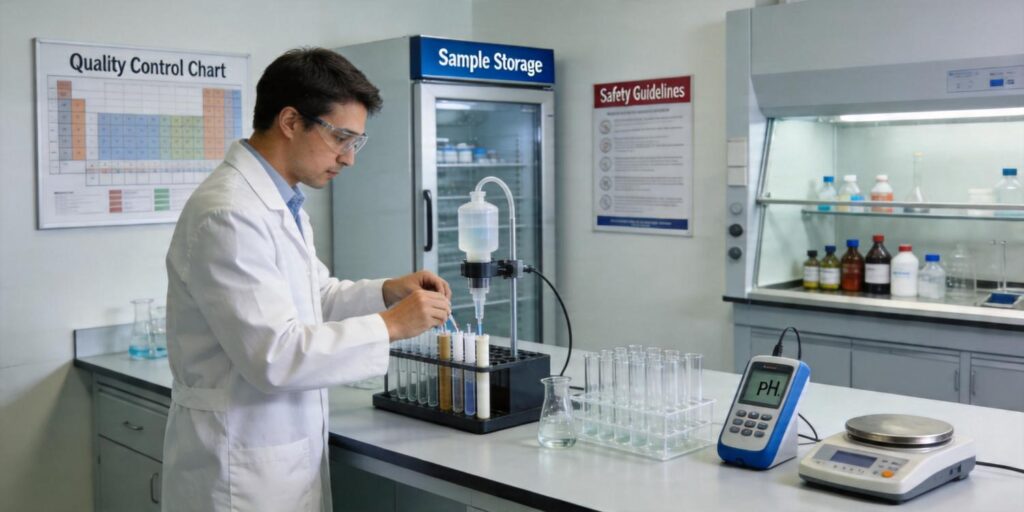
SPE extraction of industrial contaminants from environmental water

SPE Workflows for Monitoring Industrial Chemicals in Surface Water

1. Industrial Chemical Contamination Sources Surface water contamination by industrial chemicals represents a significant environmental challenge, with multiple pathways contributing to aquatic ecosystem pollution. Industrial discharges, both point and non-point sources, introduce complex mixtures of organic compounds into rivers, lakes, and coastal waters. Manufacturing facilities, chemical plants, and industrial parks release solvents, plasticizers, flame retardants, […]

SPE Workflows for Monitoring Industrial Chemicals in Surface Water Read More »
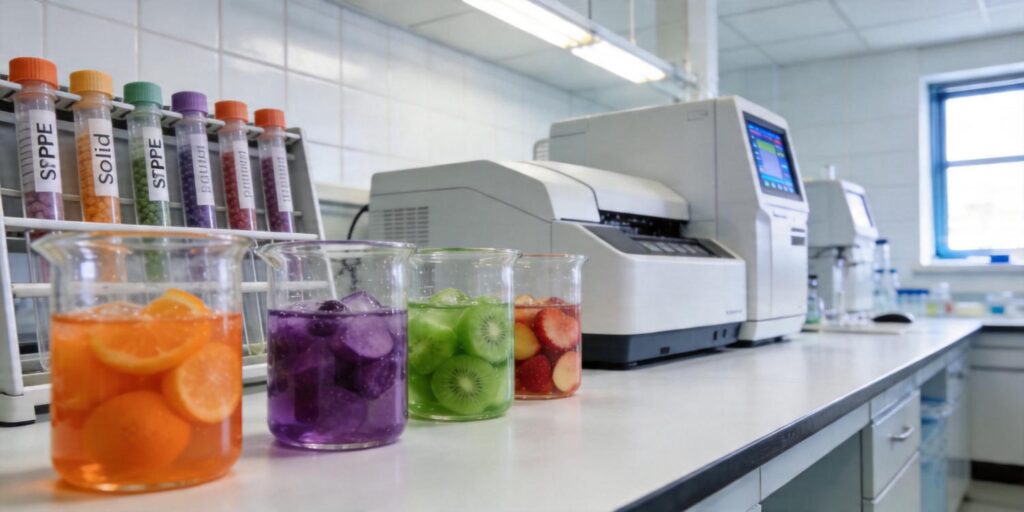
SPE extraction of antioxidant compounds from food samples

SPE Techniques for Extracting Antioxidants from Food Products

Role of Antioxidants in Food Chemistry Antioxidants represent a critical class of compounds in food chemistry, serving as natural defense mechanisms against oxidative degradation. These compounds, primarily phenolic acids, flavonoids, tocopherols, and carotenoids, play dual roles in food systems: they preserve food quality by preventing lipid oxidation and rancidity, while also contributing to human health

SPE Techniques for Extracting Antioxidants from Food Products Read More »

SPE purification workflow for pesticide residue testing in honey

SPE Extraction of Pesticide Residues from Honey Samples

Importance of Monitoring Pesticides in Honey Honey represents a unique challenge in food safety monitoring due to its complex composition and the potential for pesticide contamination from agricultural practices. As a natural product consumed worldwide, honey serves as an important indicator of environmental quality and agricultural chemical usage. Pesticide residues in honey can originate from

SPE Extraction of Pesticide Residues from Honey Samples Read More »

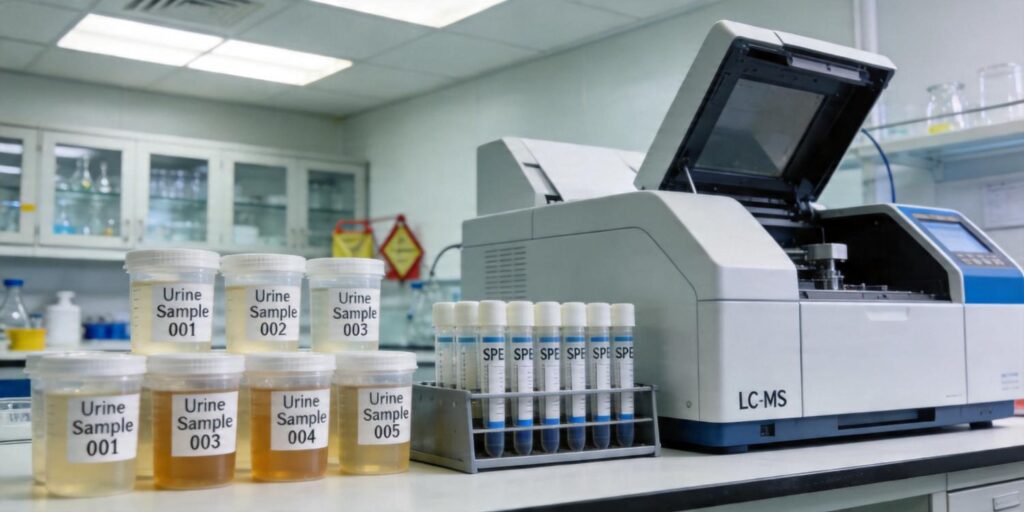
SPE purification workflow used for urine drug metabolite analysis

SPE Cleanup for Detecting Illicit Drug Metabolites in Urine

Urine Matrix Challenges in Forensic Toxicology Urine presents unique analytical challenges in forensic toxicology that demand sophisticated sample preparation techniques. As the most common biological matrix tested in racing and human forensic applications, urine contains a complex mixture of endogenous compounds including urea, creatinine, uric acid, electrolytes, and various metabolites that can interfere with drug

SPE Cleanup for Detecting Illicit Drug Metabolites in Urine Read More »

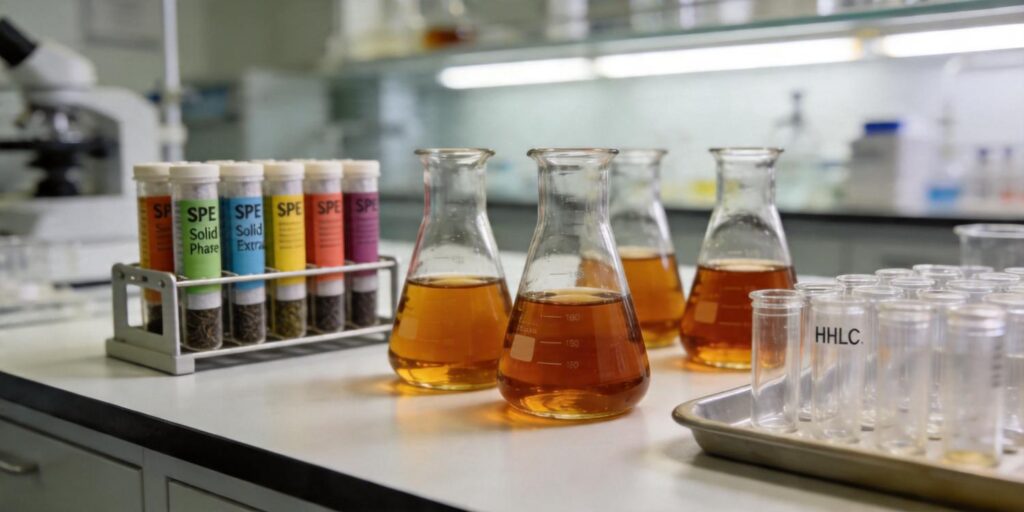
SPE cleanup workflow for tea polyphenol analysis

SPE Sample Preparation for Polyphenol Profiling in Tea

Chemical Diversity of Tea Polyphenols Tea polyphenols represent one of the most chemically diverse classes of natural compounds found in food products. These bioactive molecules include catechins (epigallocatechin gallate, epicatechin gallate, epigallocatechin, and epicatechin), flavonols (quercetin, kaempferol, myricetin), flavones, phenolic acids, and theaflavins. The structural complexity arises from variations in hydroxylation patterns, glycosylation, and polymerization

SPE Sample Preparation for Polyphenol Profiling in Tea Read More »

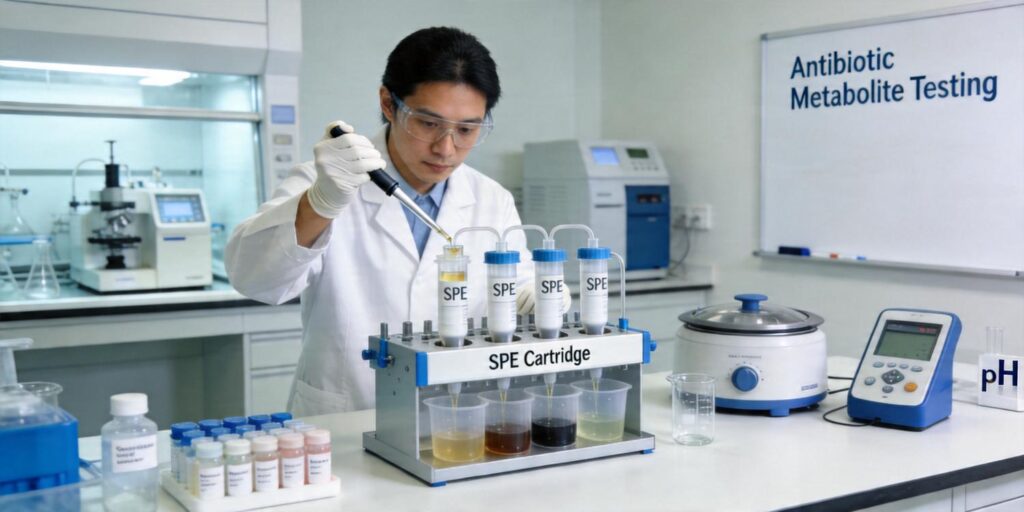
SPE extraction of antibiotic metabolites from wastewater samples

SPE Extraction of Antibiotic Metabolites in Wastewater Effluent

Environmental Persistence of Antibiotic Metabolites Antibiotic metabolites represent a significant environmental concern due to their persistence in wastewater effluent systems. Unlike parent compounds, these metabolites often exhibit modified chemical structures that can maintain biological activity while resisting conventional wastewater treatment processes. The environmental persistence of these compounds creates selective pressure for antimicrobial resistance development in

SPE Extraction of Antibiotic Metabolites in Wastewater Effluent Read More »

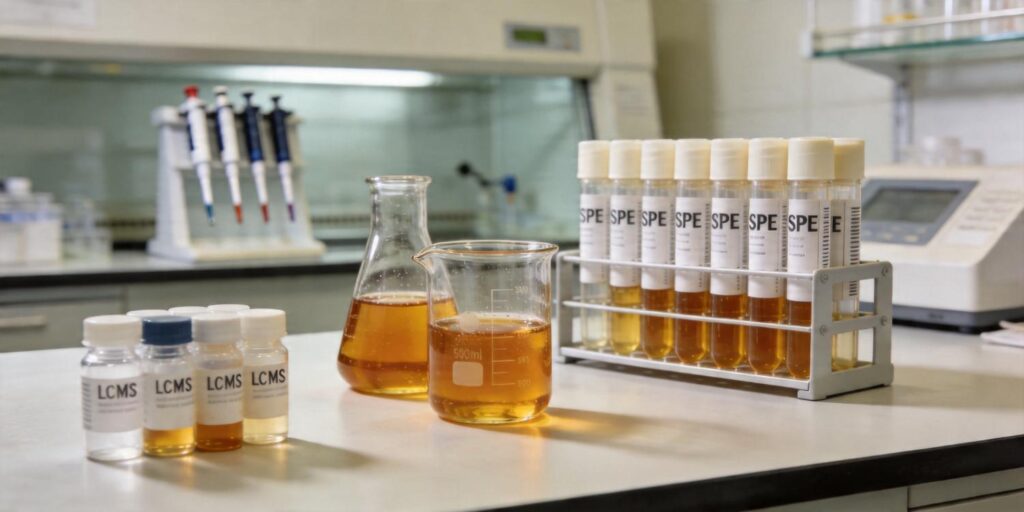
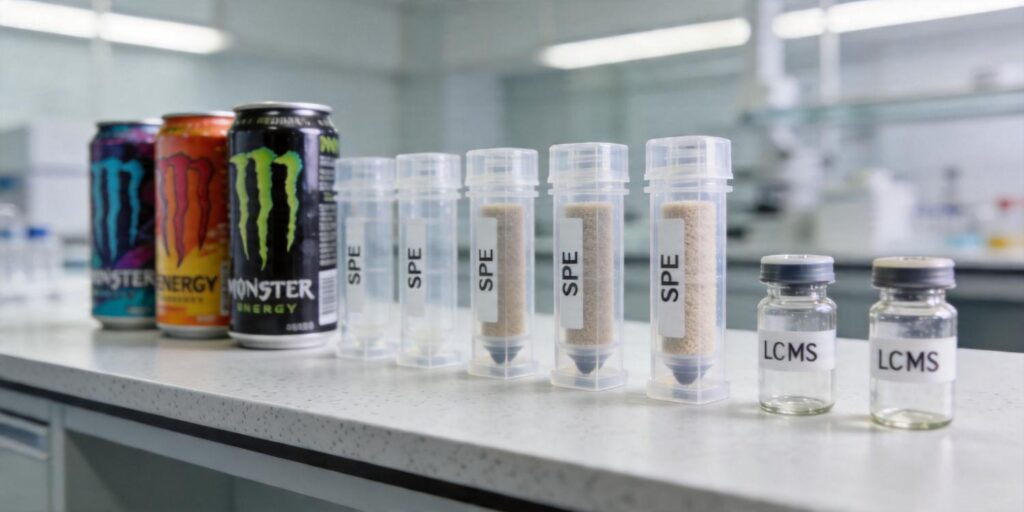
SPE purification of energy drink samples before LC-MS testing

SPE Cleanup for LC-MS Analysis of Energy Drink Ingredients

Chemical Composition of Energy Drinks Energy drinks represent a complex analytical matrix containing both active ingredients and numerous excipients. The primary active compounds include caffeine (a xanthine alkaloid), taurine (2-aminoethanesulfonic acid), and various B-group vitamins (notably B3, B6, and B12). Caffeine, being a weakly basic to neutral molecule, presents unique extraction challenges as its acid

SPE Cleanup for LC-MS Analysis of Energy Drink Ingredients Read More »

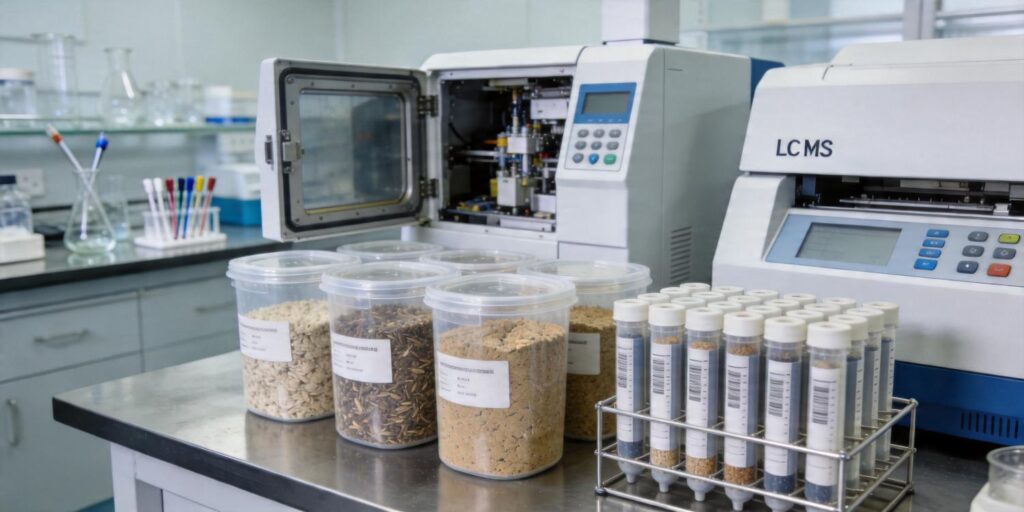
SPE purification workflow used for mycotoxin analysis in animal feed samples

SPE Sample Preparation for Monitoring Mycotoxins in Animal Feed

The Critical Role of Mycotoxin Monitoring in Animal Feed Safety Mycotoxin contamination in animal feed represents one of the most significant challenges facing modern agriculture and food safety. These toxic secondary metabolites produced by fungi, particularly Aspergillus, Fusarium, and Penicillium species, pose serious health risks to livestock and can ultimately enter the human food chain

SPE Sample Preparation for Monitoring Mycotoxins in Animal Feed Read More »

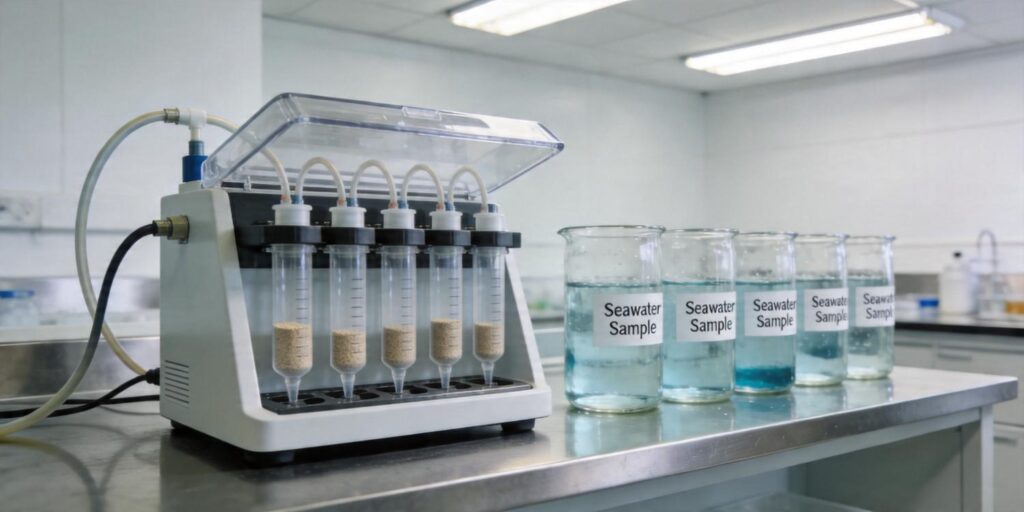
SPE extraction of cosmetic contaminants from coastal water samples

SPE Extraction of Personal Care Product Residues in Coastal Waters

Sources of Personal Care Product Contaminants in Coastal Waters Personal care products (PCPs) represent a significant class of emerging contaminants in coastal environments, with their presence primarily attributed to wastewater discharge pathways. These compounds enter aquatic systems through multiple routes: direct discharge from wastewater treatment plants (WWTPs) that often incompletely remove PCPs, recreational activities such

SPE Extraction of Personal Care Product Residues in Coastal Waters Read More »

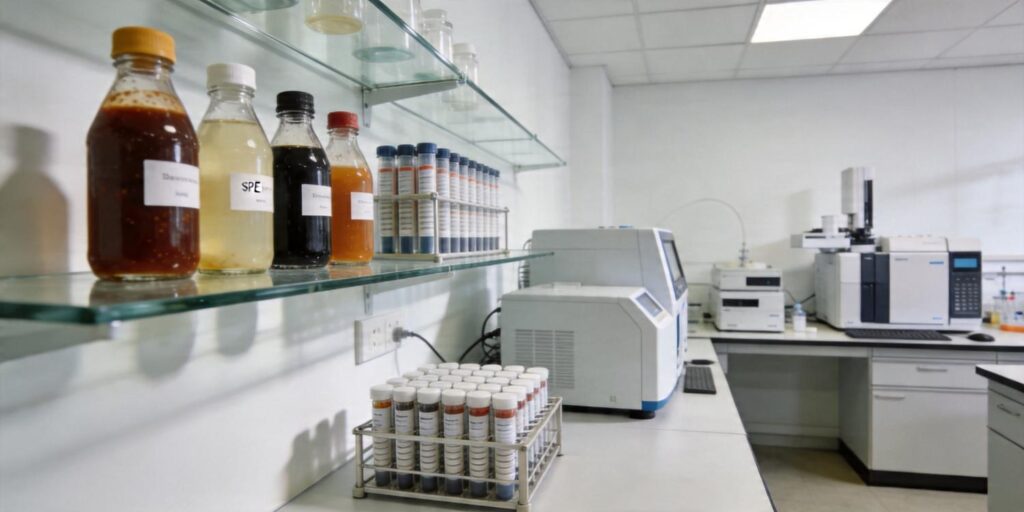
SPE purification of processed food extracts for preservative testing

SPE Cleanup Strategies for Analyzing Food Preservatives

Common Food Preservatives: Benzoates and Sorbates Food preservatives are essential additives that prevent spoilage and extend shelf life, with benzoates and sorbates being among the most widely used organic acid preservatives. Sodium benzoate (E211) and potassium sorbate (E202) are particularly common in beverages, sauces, dressings, and processed foods due to their effectiveness against yeasts, molds,

SPE Cleanup Strategies for Analyzing Food Preservatives Read More »

Shopping Cart
Poseidon Scientific
Privacy Overview

This website uses cookies so that we can provide you with the best user experience possible. Cookie information is stored in your browser and performs functions such as recognising you when you return to our website and helping our team to understand which sections of the website you find most interesting and useful.