Applications

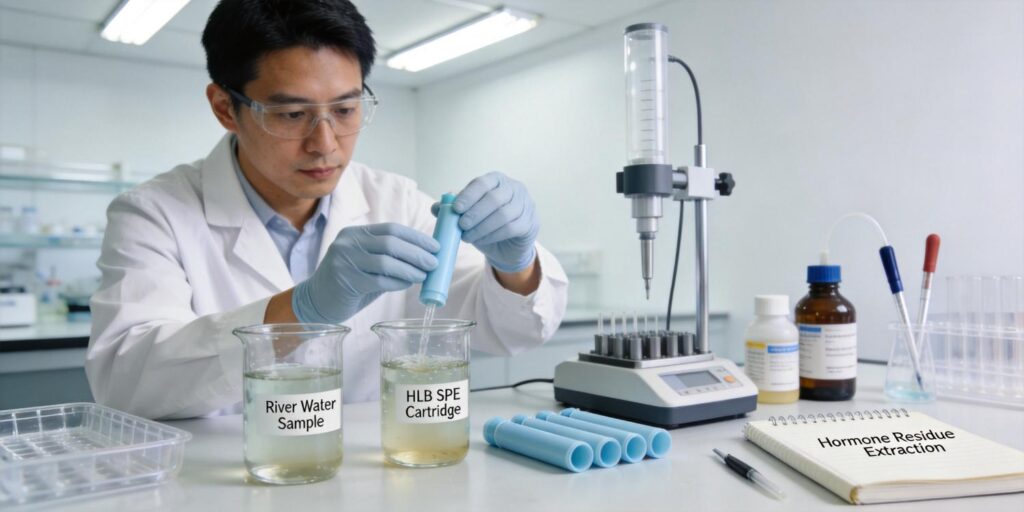
HLB SPE extraction of hormone residues from surface water

Monitoring Hormone Residues in Surface Water with HLB SPE

Sources of Estrogenic Compounds in Water Systems Endocrine-disrupting compounds (EDCs), particularly steroid hormones such as 17β-estradiol (E2), estrone (E1), and 17α-ethinylestradiol (EE2), enter surface waters through multiple pathways. Municipal wastewater treatment plant effluents are primary contributors, as conventional biological treatment fails to completely remove these micropollutants. Agricultural runoff from livestock operations adds natural hormones, while […]

Monitoring Hormone Residues in Surface Water with HLB SPE Read More »
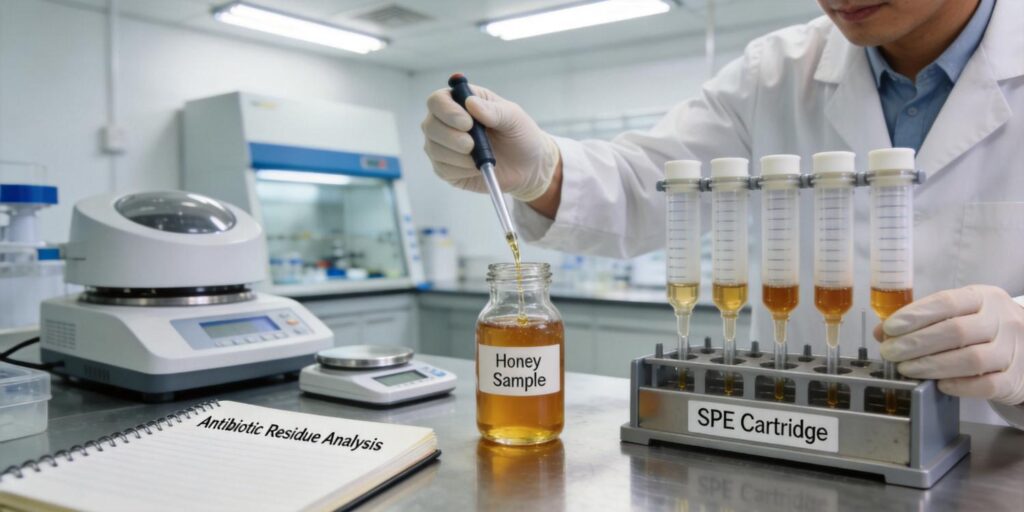
SPE extraction of veterinary antibiotic residues from honey

Determination of Veterinary Antibiotics in Honey Using SPE

Antibiotic Contamination Concerns in Honey Production Honey is a natural product prized for its purity, yet veterinary antibiotic residues—primarily tetracyclines (TCs) and sulfonamides (SAs)—are frequently detected due to their use in beekeeping for controlling bacterial diseases like American foulbrood. These residues pose risks of allergic reactions, antibiotic resistance propagation, and regulatory non-compliance. Maximum residue limits

Determination of Veterinary Antibiotics in Honey Using SPE Read More »

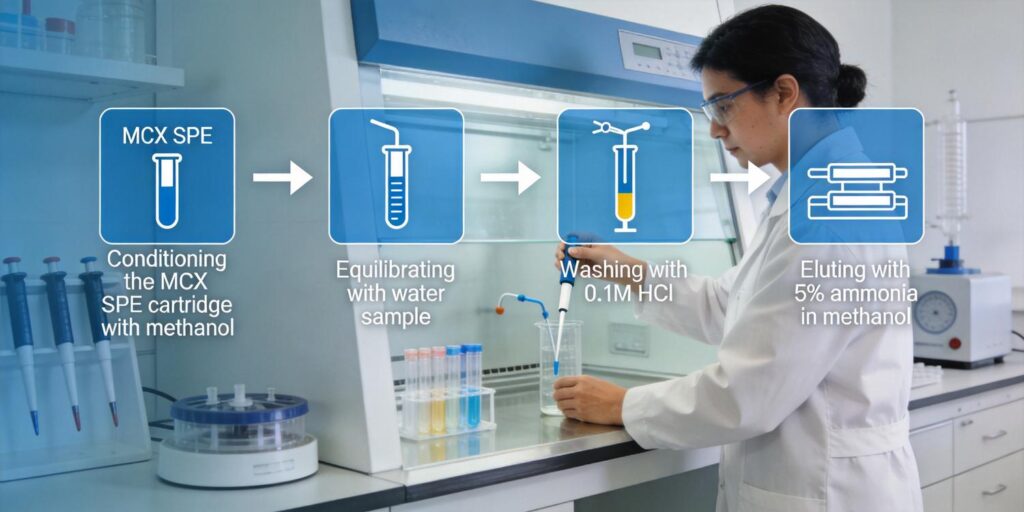
MCX SPE purification of catecholamines from urine samples

Isolation of Catecholamines from Urine Using MCX SPE

Clinical Importance of Catecholamine Monitoring Catecholamines, including dopamine, norepinephrine, and epinephrine, are critical biomarkers for diagnosing and managing neuroendocrine tumors such as pheochromocytoma and neuroblastoma. They also play a key role in assessing autonomic nervous system function and monitoring stress responses. Accurate measurement of these analytes in urine provides a non-invasive window into systemic catecholamine

Isolation of Catecholamines from Urine Using MCX SPE Read More »

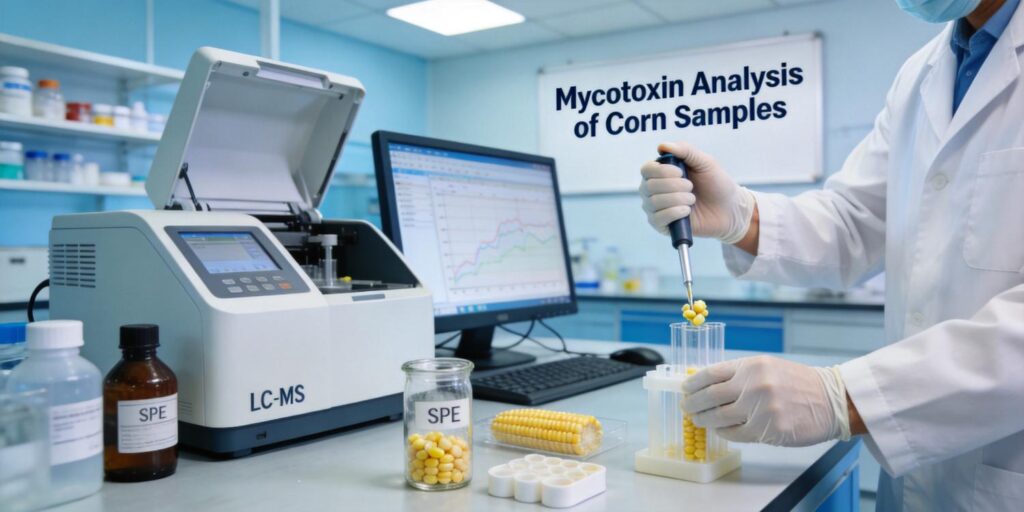
SPE cleanup and extraction of mycotoxins from corn samples

SPE Workflow for Detecting Mycotoxins in Corn Samples

Introduction Mycotoxin contamination in corn is a critical food safety issue worldwide. Aflatoxins (B1, B2, G1, G2) and fumonisins (B1, B2) are among the most prevalent and toxic mycotoxins produced by Aspergillus and Fusarium species. Regulatory agencies such as the FDA and EU have set strict maximum limits (e.g., 20 ppb for aflatoxins in human

SPE Workflow for Detecting Mycotoxins in Corn Samples Read More »

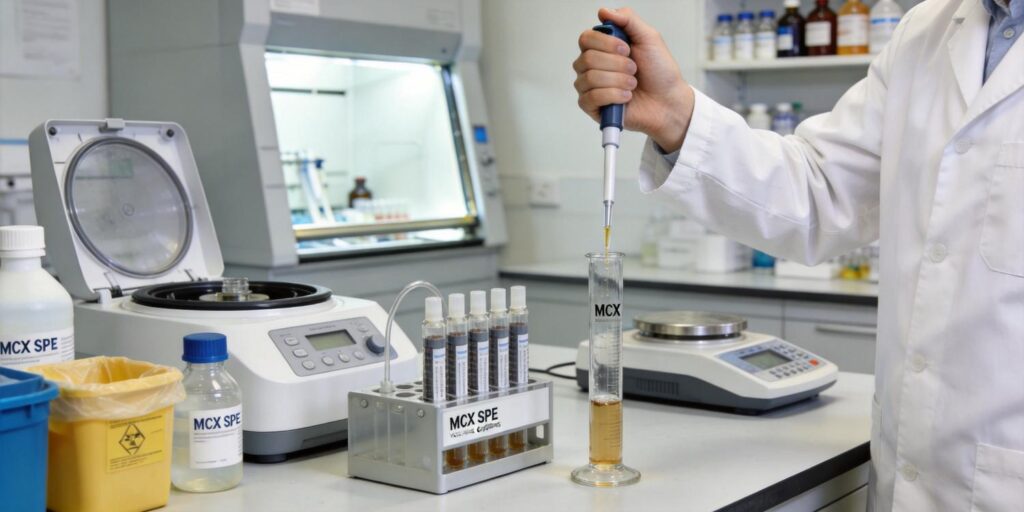
MCX SPE workflow isolating beta blocker drugs from plasma samples

Selective Extraction of Beta-Blockers from Plasma with MCX SPE

Selective Extraction of Beta-Blockers from Plasma with MCX SPE 1. Analytical Importance of Beta-Blockers in Pharmacokinetic Studies Beta-blockers are a class of medications widely prescribed for cardiovascular conditions such as hypertension, angina, and heart failure. In pharmacokinetic (PK) studies, accurate quantification of beta-blockers in plasma is critical for understanding drug absorption, distribution, metabolism, and excretion.

Selective Extraction of Beta-Blockers from Plasma with MCX SPE Read More »

HLB SPE cartridge extraction of antidepressant residues from wastewater samples

Quantifying Antidepressants in Wastewater Using HLB SPE

Introduction The widespread use of antidepressants—particularly selective serotonin reuptake inhibitors (SSRIs) and serotonin-norepinephrine reuptake inhibitors (SNRIs)—has led to their ubiquitous detection in municipal wastewater. These compounds, often only partially metabolized in the human body, are excreted as parent drugs and active metabolites, entering wastewater treatment plants (WWTPs) through domestic sewage. Despite treatment processes, many antidepressants

Quantifying Antidepressants in Wastewater Using HLB SPE Read More »

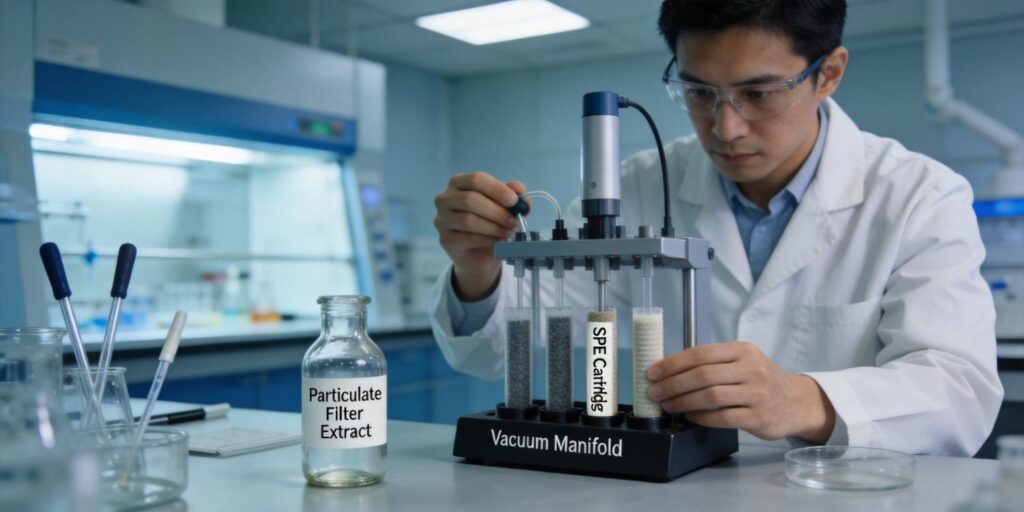
SPE extraction of pollutants from air particulate filter samples

SPE Isolation of Organic Contaminants from Air Particulate Samples

Airborne particulate matter (PM) is a complex matrix containing a wide range of organic contaminants, including polycyclic aromatic hydrocarbons (PAHs) and volatile organic compound (VOC) derivatives. Solid-phase extraction (SPE) has become a routine technique for isolating these analytes prior to gas chromatography-mass spectrometry (GC-MS) analysis. This blog covers a complete workflow: from filter collection to

SPE Isolation of Organic Contaminants from Air Particulate Samples Read More »

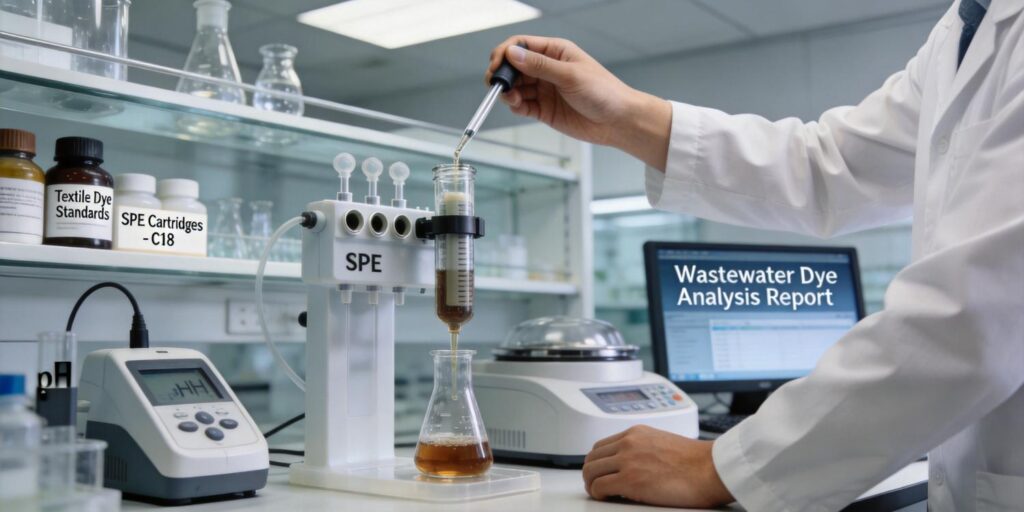
SPE extraction of dye contaminants from textile wastewater

SPE Extraction of Dye Compounds from Textile Wastewater

Textile Dye Pollution in Industrial Wastewater The textile industry is one of the largest consumers of water, generating massive volumes of wastewater contaminated with synthetic dyes. These dyes are designed to resist degradation, leading to persistent environmental pollution. Many dye compounds are toxic, mutagenic, and carcinogenic, posing serious risks to aquatic ecosystems and human health.

SPE Extraction of Dye Compounds from Textile Wastewater Read More »

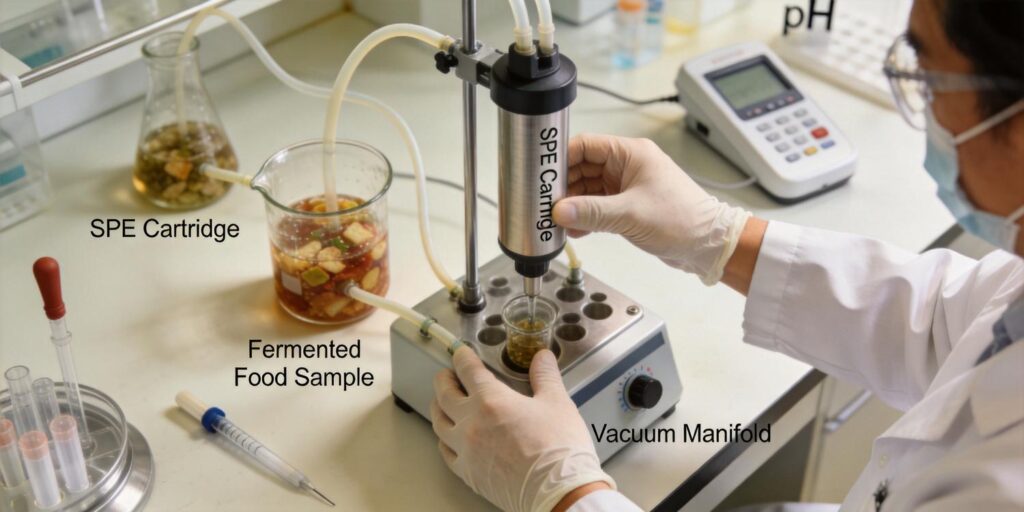
SPE purification of bioactive peptides from fermented food samples

SPE Isolation of Bioactive Peptides from Fermented Foods

Bioactive Peptides in Fermented Food Products Fermented foods such as cheese, yogurt, kefir, kimchi, and soy sauce are rich sources of bioactive peptides—short amino acid sequences released during fermentation by microbial proteases. These peptides exhibit diverse health-promoting activities including antihypertensive, antioxidant, antimicrobial, and immunomodulatory effects. However, isolating these peptides from complex food matrices poses significant

SPE Isolation of Bioactive Peptides from Fermented Foods Read More »

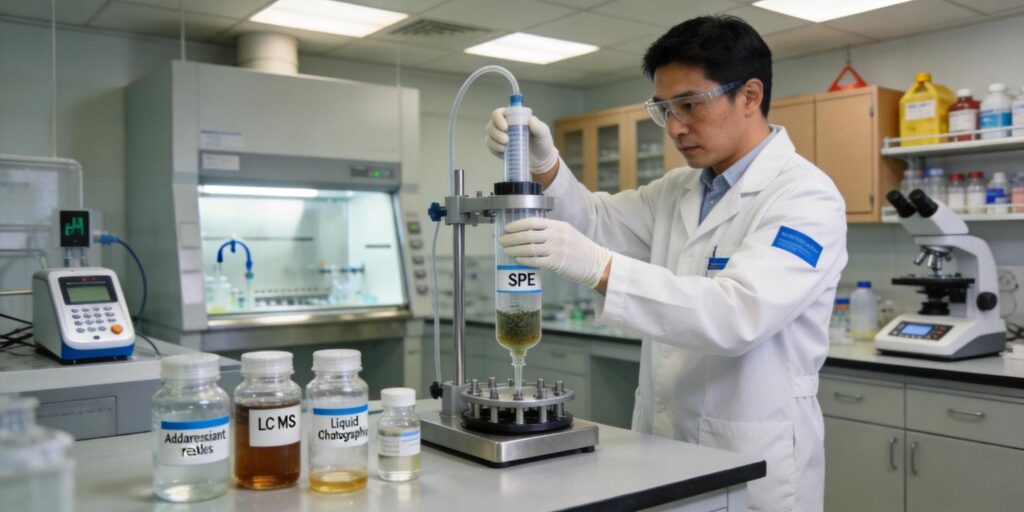
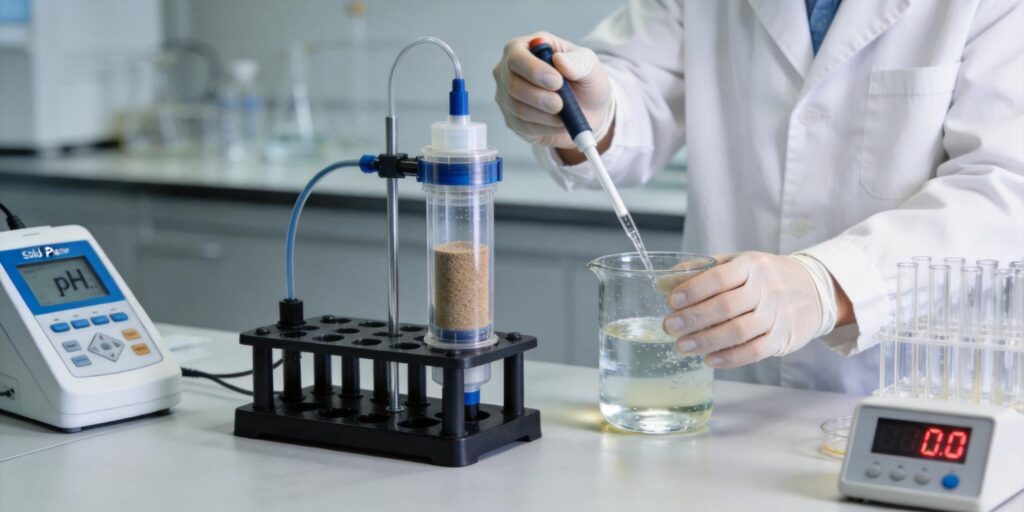
SPE extraction of pharmaceutical residues from drinking water

SPE Method for Detecting Pharmaceutical Residues in Drinking Water

SPE Method for Detecting Pharmaceutical Residues in Drinking Water 1. Pharmaceutical Contamination in Drinking Water Sources Pharmaceutical residues in drinking water have emerged as a significant environmental and public health concern. Traces of antibiotics, analgesics, hormones, and antidepressants are commonly detected in surface water, groundwater, and even treated tap water. These compounds enter water bodies

SPE Method for Detecting Pharmaceutical Residues in Drinking Water Read More »

Shopping Cart
Poseidon Scientific
Privacy Overview

This website uses cookies so that we can provide you with the best user experience possible. Cookie information is stored in your browser and performs functions such as recognising you when you return to our website and helping our team to understand which sections of the website you find most interesting and useful.