Sample Preparation

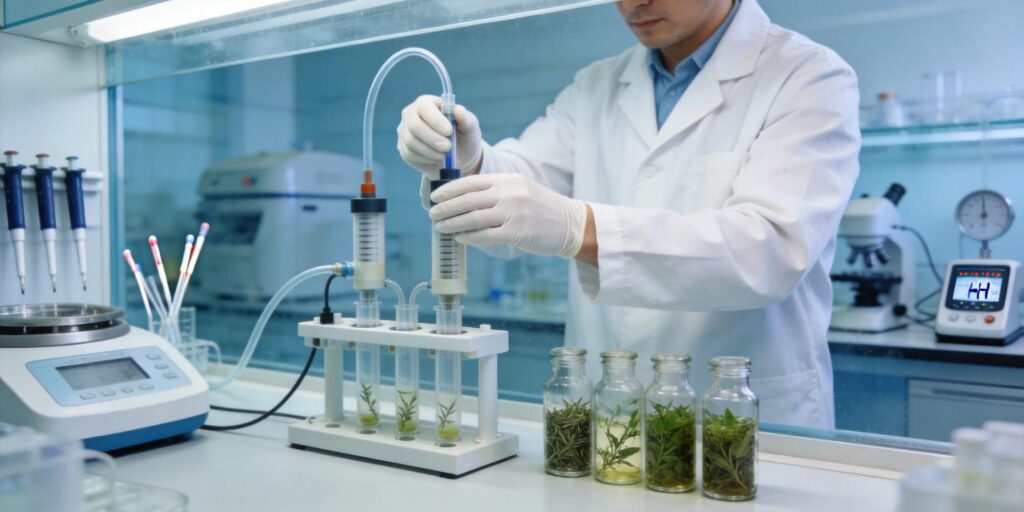
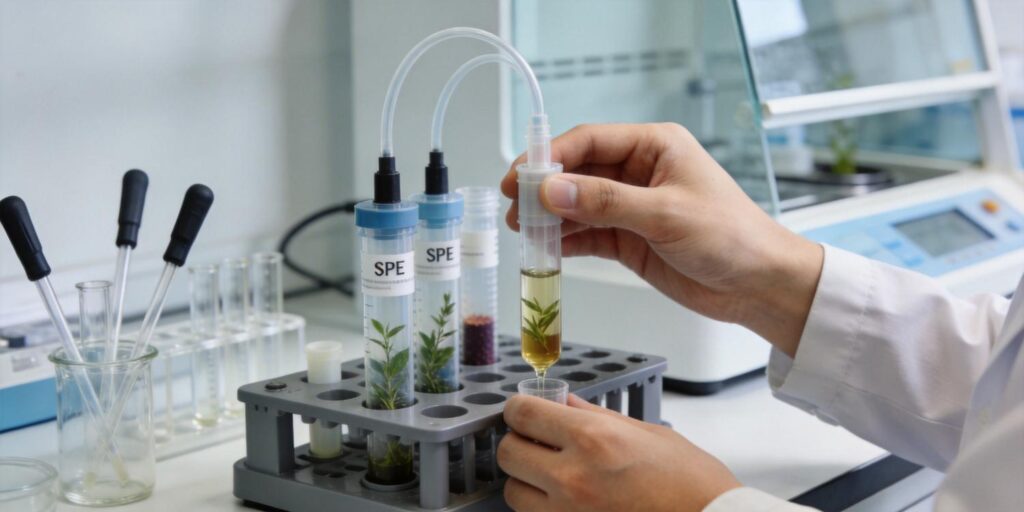
SPE cartridge removing pigments from plant extract samples

SPE Cleanup for Removal of Pigments from Plant Extracts

Pigments Commonly Present in Plant Extracts Plant extracts present a complex analytical challenge due to their rich pigment content, primarily chlorophylls and carotenoids. Chlorophylls, the green photosynthetic pigments, exist in several forms including chlorophyll a and b, each with distinct chemical structures and polarities. Carotenoids encompass both carotenes (non-polar hydrocarbons like β-carotene) and xanthophylls (oxygen-containing […]

SPE Cleanup for Removal of Pigments from Plant Extracts Read More »

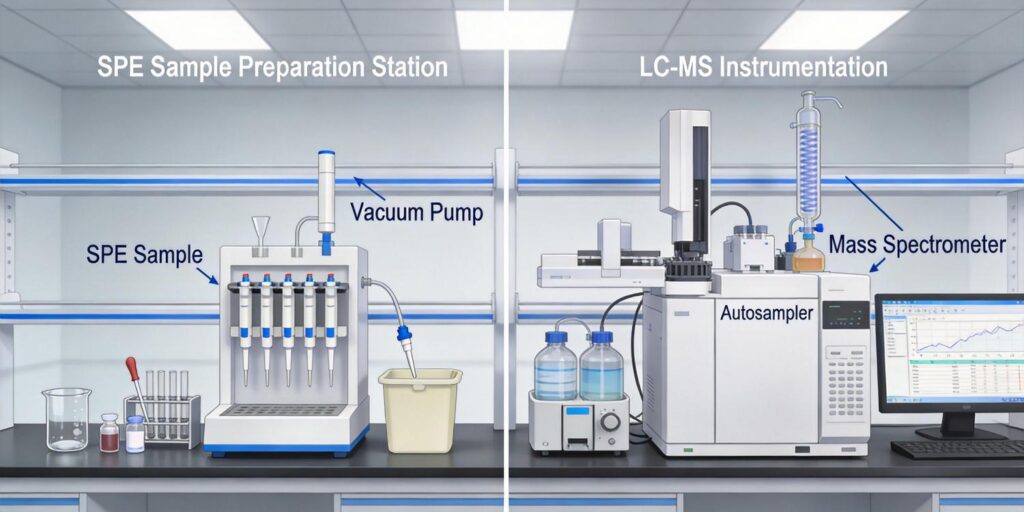
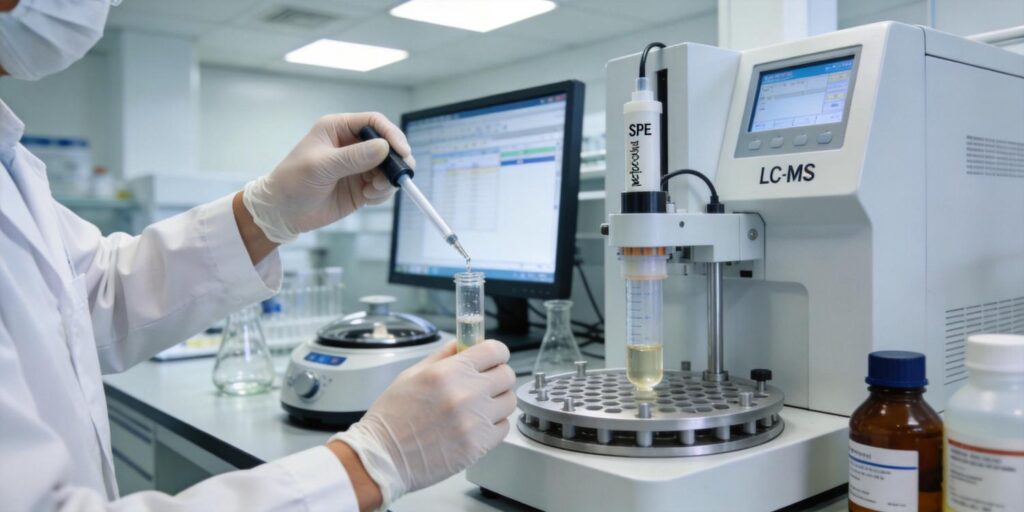
laboratory SPE preparation workflow for metabolomics analysis

Sample Preparation Workflow for Metabolomics Studies Using SPE

Overview of Metabolomics Sample Preparation Requirements Metabolomics studies present unique challenges in sample preparation due to the vast chemical diversity of metabolites present in biological systems. These small molecules span an enormous range of physicochemical properties, from highly polar amino acids and organic acids to non-polar lipids and steroids. The primary goals of metabolomics sample

Sample Preparation Workflow for Metabolomics Studies Using SPE Read More »

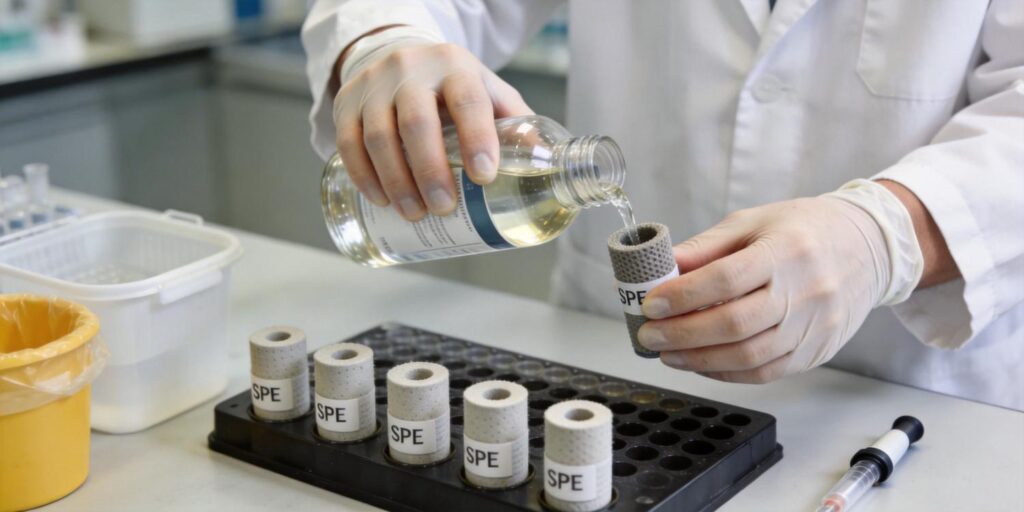
laboratory SPE wash step improving sample cleanup efficiency

Optimizing SPE Wash Steps to Improve Sample Cleanup

Role of Wash Steps in SPE Workflows Solid-phase extraction (SPE) wash steps serve as the critical bridge between sample loading and analyte elution, functioning as the primary mechanism for removing matrix interferences while preserving target compounds. As described in SPE literature, “To remove unwanted, weakly retained materials, wash the packing with solutions that are stronger

Optimizing SPE Wash Steps to Improve Sample Cleanup Read More »

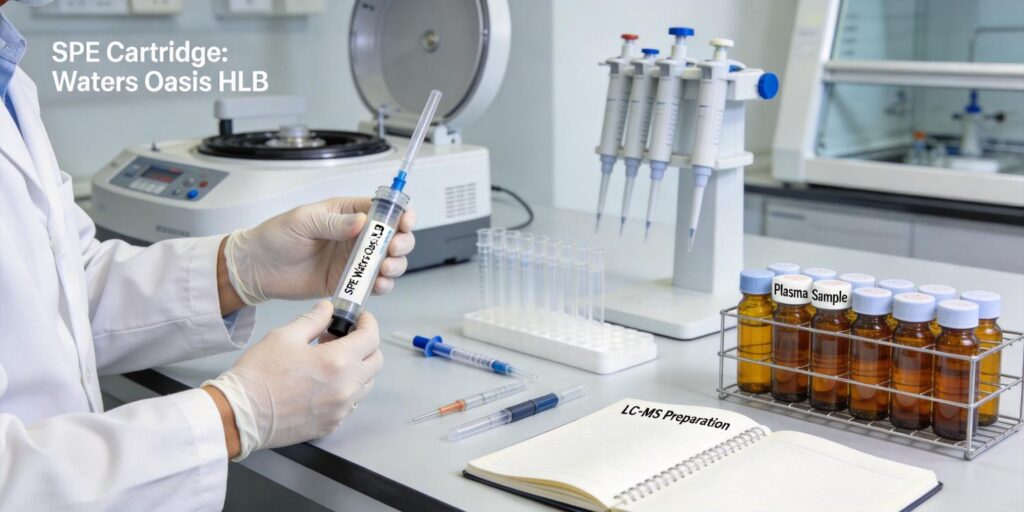
SPE cartridge cleanup removing endogenous compounds from plasma samples

SPE Workflow for Removing Endogenous Interferences in Plasma Samples

1. Types of Endogenous Compounds Interfering in LC-MS Analysis Plasma samples present a complex matrix challenge for LC-MS analysis due to numerous endogenous compounds that can interfere with accurate analyte detection. These interfering substances fall into several key categories: Proteinaceous Components Proteins represent the most abundant endogenous interferents in plasma, comprising approximately 60-80 g/L. Albumin,

SPE Workflow for Removing Endogenous Interferences in Plasma Samples Read More »

mixed mode SPE cartridge used for complex laboratory sample cleanup

Improving Sample Cleanup Efficiency with Mixed-Mode SPE Sorbents

Principle of Mixed-Mode SPE Interactions Mixed-mode solid phase extraction represents a sophisticated advancement in sample preparation technology that combines multiple retention mechanisms within a single sorbent. According to established literature, mixed-mode SPE columns are prevalent in drug extractions because they offer multiple binding mechanisms for improved sensitivity and excellent sample cleanup. A mixed-mode sorbent employs

Improving Sample Cleanup Efficiency with Mixed-Mode SPE Sorbents Read More »

laboratory SPE elution step using solvents during LC-MS sample preparation

Optimizing SPE Elution Solvents for LC-MS Sample Preparation

1. Importance of Elution Solvent Selection in SPE The elution step represents the culmination of solid-phase extraction (SPE) methodology, where careful solvent selection determines the success of your LC-MS sample preparation. As noted in SPE literature, “Elution is most successfully accomplished with a solvent having the highest eluotropic strength toward the sorbent being used, thereby

Optimizing SPE Elution Solvents for LC-MS Sample Preparation Read More »

SPE cartridge removing proteins during biological sample preparation

SPE Cleanup Methods for Removing Proteins from Biological Samples

Sources of Proteins in Biological Samples Biological samples such as plasma, serum, and tissue extracts present significant analytical challenges due to their complex protein composition. Human blood contains approximately 6-8% protein by weight, with plasma and serum being particularly rich in protein fractions that contribute to increased sample viscosity and potential clotting issues. The major

SPE Cleanup Methods for Removing Proteins from Biological Samples Read More »

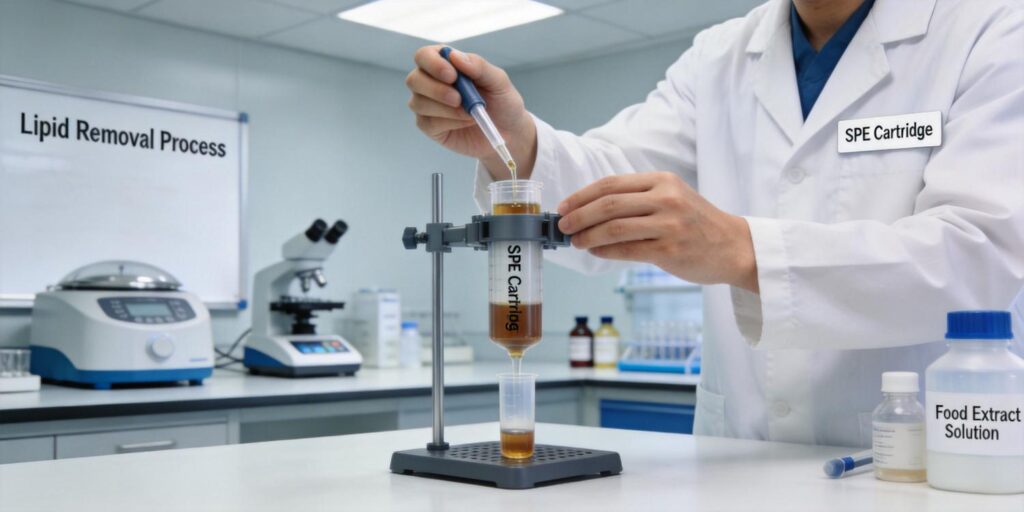
laboratory SPE cleanup workflow for fatty food samples prior to LC-MS testing

Using SPE for Cleanup of High-Fat Food Samples Prior to LC-MS Analysis

1. Analytical Challenges in Fatty Food Matrices (Oils, Dairy, Processed Foods) High-fat food matrices present unique analytical challenges that significantly complicate LC-MS analysis. Oils, dairy products, and processed foods contain complex mixtures of lipids including triglycerides, phospholipids, cholesterol esters, and free fatty acids that can range from 5% to over 40% of the total sample

Using SPE for Cleanup of High-Fat Food Samples Prior to LC-MS Analysis Read More »

SPE cartridge workflow removing phospholipids from plasma samples during LC-MS sample preparation

How to Remove Matrix Phospholipids in LC-MS Sample Preparation Using SPE

Why Phospholipids Cause Ion Suppression in LC-MS Analysis Phospholipids represent one of the most significant sources of matrix effects in LC-MS analysis, particularly when dealing with biological samples like plasma and serum. These amphipathic molecules contain both hydrophobic fatty acid chains and hydrophilic phosphate head groups, making them particularly problematic for mass spectrometry workflows. The

How to Remove Matrix Phospholipids in LC-MS Sample Preparation Using SPE Read More »

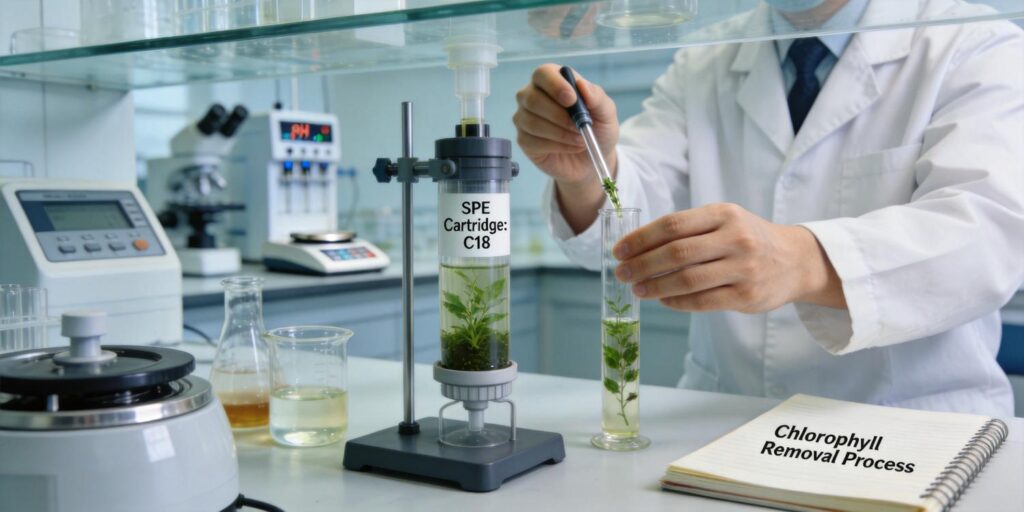
SPE cartridge removing chlorophyll pigments from plant extract

SPE Method for Removing Chlorophyll from Botanical Extracts Prior to LC Analysis

Challenges Posed by Chlorophyll and Plant Pigments in Chromatographic Analysis Chlorophyll and other plant pigments present significant analytical challenges in liquid chromatography (LC) analysis of botanical extracts. These highly colored compounds can cause severe interference through several mechanisms. First, chlorophyll’s strong UV-visible absorption can mask target analyte peaks, particularly when using UV detection at wavelengths

SPE Method for Removing Chlorophyll from Botanical Extracts Prior to LC Analysis Read More »

Shopping Cart
Poseidon Scientific
Privacy Overview

This website uses cookies so that we can provide you with the best user experience possible. Cookie information is stored in your browser and performs functions such as recognising you when you return to our website and helping our team to understand which sections of the website you find most interesting and useful.