Vacuum Gauge

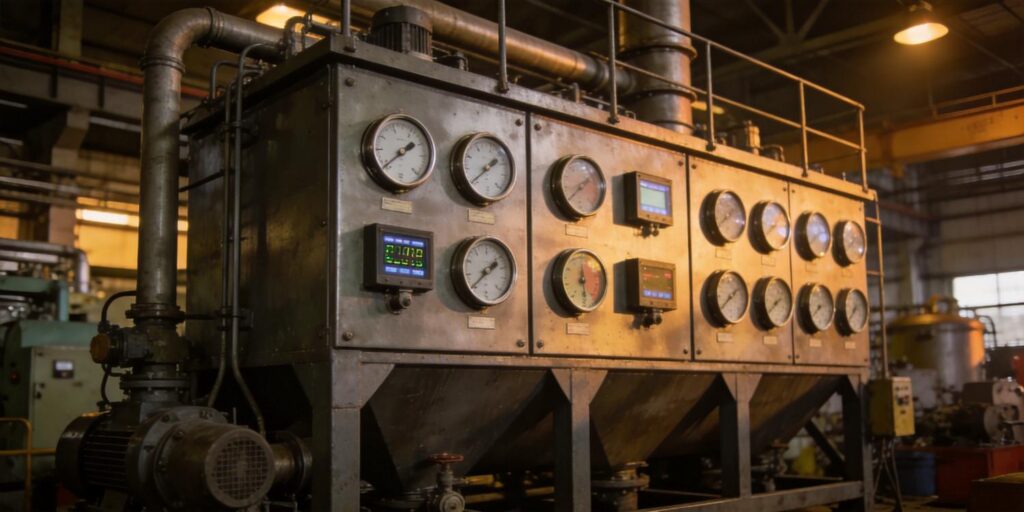
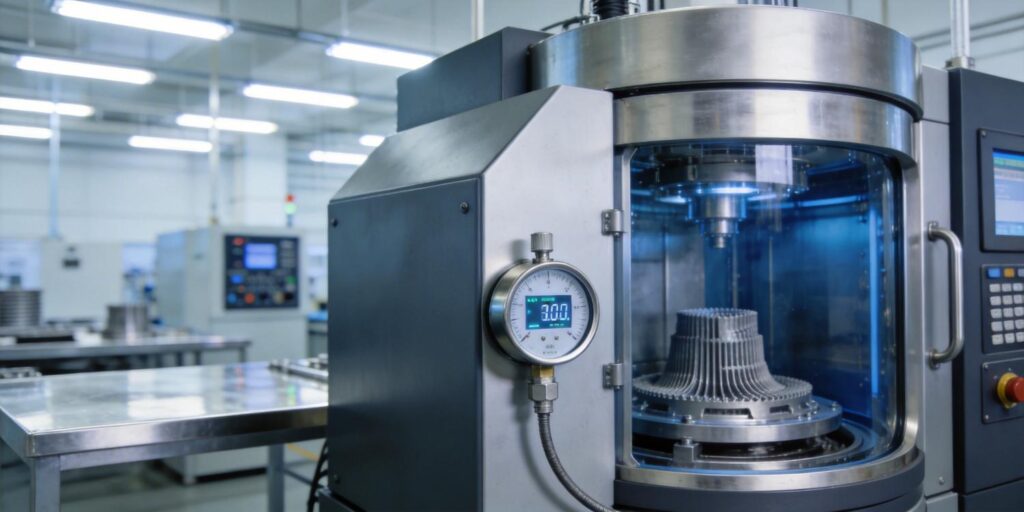
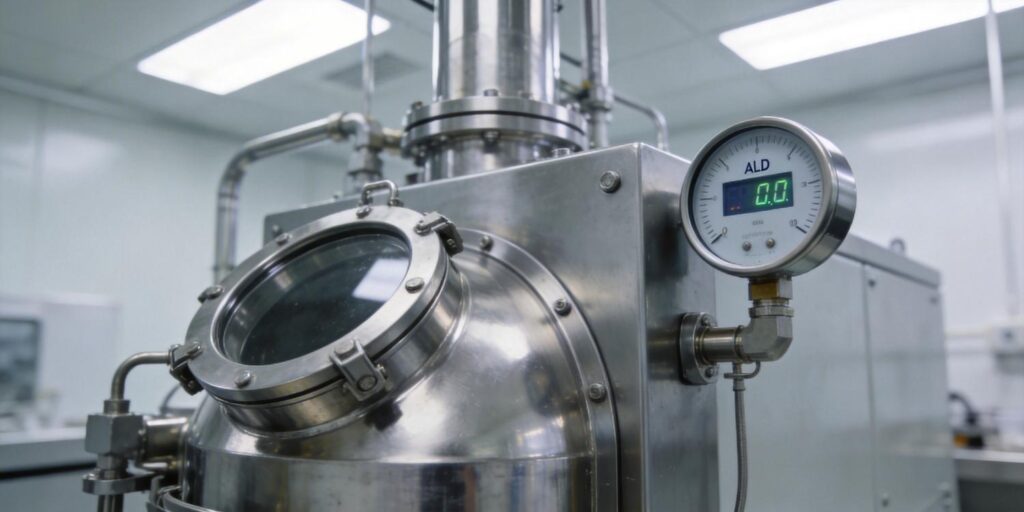
Vacuum gauge installed on vacuum drying chamber

Vacuum Gauge Applications in Vacuum Drying Systems

Introduction Vacuum drying systems remove moisture from heat-sensitive materials—pharmaceuticals, food products, electronics components, and advanced materials—by lowering the boiling point of water through reduced pressure. Precise, real-time vacuum measurement is essential to control the drying rate, prevent product damage, and ensure batch-to-batch consistency. Without reliable pressure data, operators risk incomplete drying, overheating, or contamination that […]

Vacuum Gauge Applications in Vacuum Drying Systems Read More »

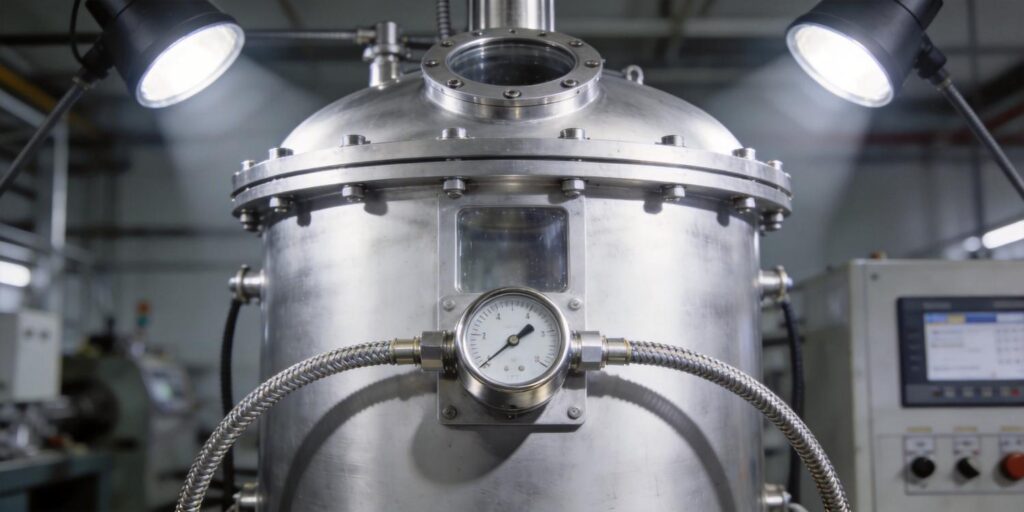
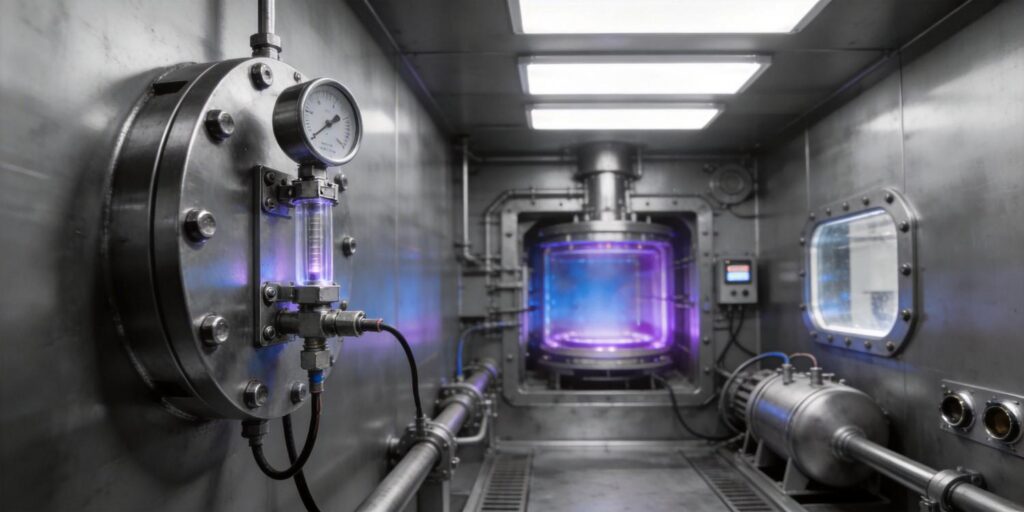
Cold cathode vacuum gauge during ignition phase

Troubleshooting Vacuum Gauge Startup Delays

Introduction Vacuum gauge startup delays can disrupt automated pump-down sequences, extend cycle times, and frustrate operators who expect instant, reliable pressure readings. While Pirani gauges like the Poseidon VG-SP205 reach operating temperature in under one second, cold cathode gauges such as the VG-SM225 require time to ignite the plasma discharge—particularly at lower pressures. Understanding the

Troubleshooting Vacuum Gauge Startup Delays Read More »

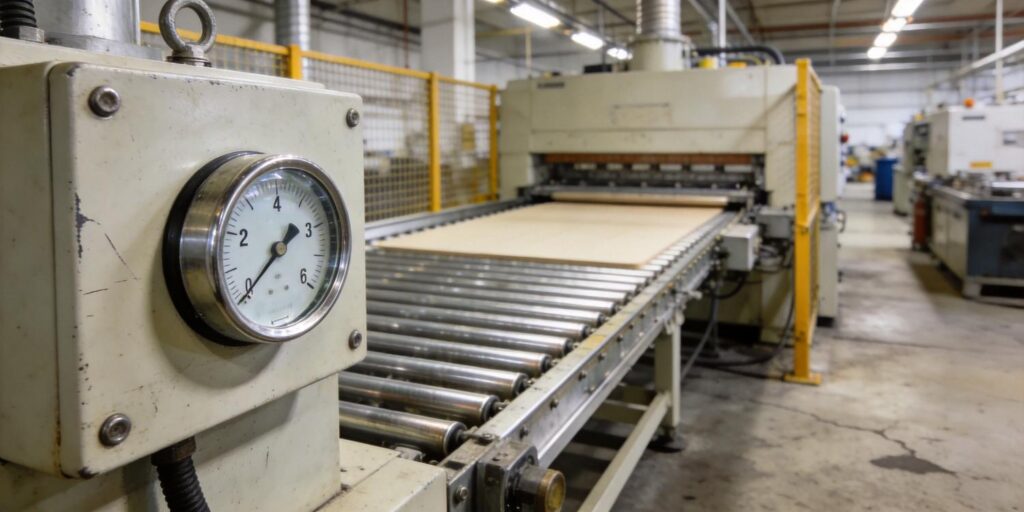
Small vacuum transmitter mounted on compact vacuum equipment

Vacuum Gauge Selection for Compact Equipment Design

Introduction Compact equipment design is a growing priority in semiconductor research tools, portable analytical instruments, glovebox systems, and space-constrained PVD coaters. Every cubic centimeter and watt counts when engineers are packing high-performance vacuum monitoring into tight footprints. Selecting the wrong gauge can force oversized enclosures, complex cooling, or heavy mounting brackets—adding cost, weight, and integration

Vacuum Gauge Selection for Compact Equipment Design Read More »

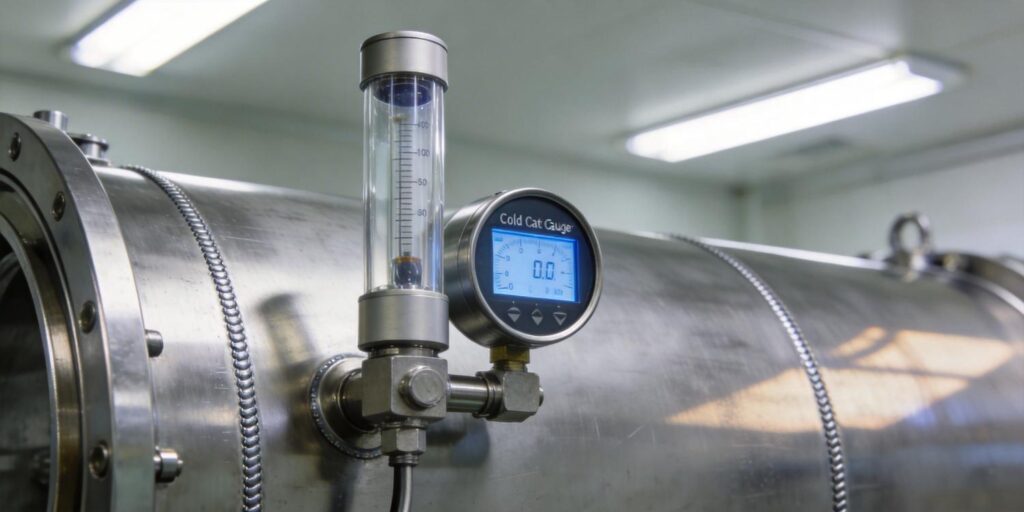
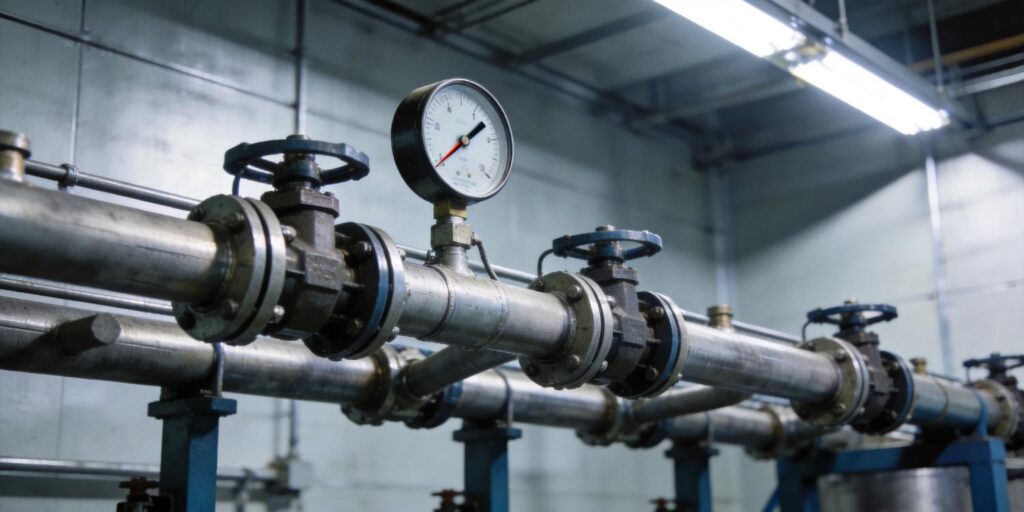
Multiple vacuum gauges installed across industrial vacuum system

Designing a Reliable Vacuum Monitoring System

Introduction A reliable vacuum monitoring system is the backbone of consistent process performance in semiconductor fabrication, physical vapor deposition (PVD), vacuum heat treatment, and analytical instrumentation. Pressure data must be accurate, continuous, and immediately actionable—feeding interlocks, trending, and closed-loop control without gaps or false alarms. Poor architecture leads to pump damage, scrap, extended downtime, and

Designing a Reliable Vacuum Monitoring System Read More »

Technician calibrating vacuum measurement instrument

Vacuum Gauge Calibration: When and Why It Matters

Introduction Vacuum gauge calibration is more than a routine maintenance task—it is a critical safeguard for process consistency, product quality, and equipment longevity in semiconductor manufacturing, physical vapor deposition (PVD), vacuum furnaces, and analytical laboratories. Even the most stable gauge can experience gradual drift due to environmental factors, contamination, or normal aging, turning accurate pressure

Vacuum Gauge Calibration: When and Why It Matters Read More »

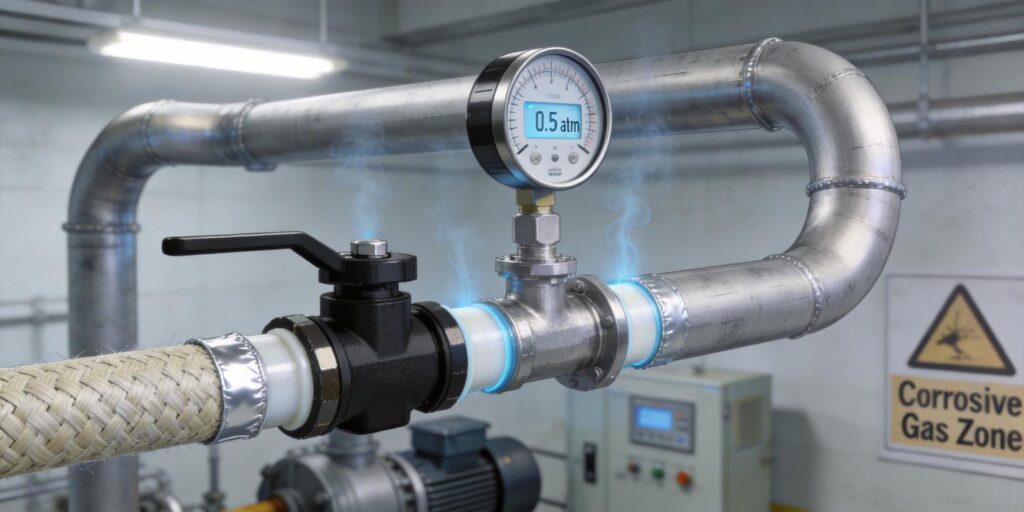
Vacuum gauge installed in industrial environment

How Environmental Conditions Affect Vacuum Gauge Performance

Introduction Environmental conditions play a decisive role in the long-term performance and reliability of vacuum gauges. Temperature fluctuations, stray magnetic fields, electrical noise, and even sensor orientation can introduce measurable errors, drift, or instability that compromise process control in semiconductor, PVD, vacuum furnace, and analytical systems. Understanding these influences allows engineers and procurement teams to

How Environmental Conditions Affect Vacuum Gauge Performance Read More »

Vacuum gauge installed in semiconductor cleanroom chamber

Vacuum Measurement in Semiconductor Manufacturing

Introduction Semiconductor manufacturing operates at the extreme edge of vacuum technology. Every wafer fabrication step—from deposition and etching to lithography and metrology—depends on precise control of residual gas pressure. A fluctuation of even 5 % at 5 × 10⁻⁷ Torr can introduce particles, shift etch profiles, or degrade film uniformity, directly impacting device yield and

Vacuum Measurement in Semiconductor Manufacturing Read More »

RS232 cable connected to vacuum transmitter in laboratory

Integrating RS232 Vacuum Transmitters into Data Logging Systems

Introduction Modern vacuum systems generate massive amounts of pressure data that must be captured, logged, and analyzed for process optimization, traceability, and predictive maintenance. RS232 remains one of the most reliable, low-cost, and universally supported interfaces for vacuum transmitters, especially in laboratory and light-industrial environments. The Poseidon Scientific VG-SP205 Pirani Vacuum Transmitter delivers native RS232

Integrating RS232 Vacuum Transmitters into Data Logging Systems Read More »

Digital vacuum readout with engineering calculations

Vacuum Gauge Accuracy vs Repeatability: What Engineers Must Know

Introduction In vacuum system design and process control, engineers often focus on a single number: “gauge accuracy.” Yet the real performance that determines yield, repeatability, and long-term stability is frequently repeatability. Understanding the difference between accuracy and repeatability—and knowing when each matters most—can save thousands in calibration costs, reduce scrap, and prevent process drift in

Vacuum Gauge Accuracy vs Repeatability: What Engineers Must Know Read More »

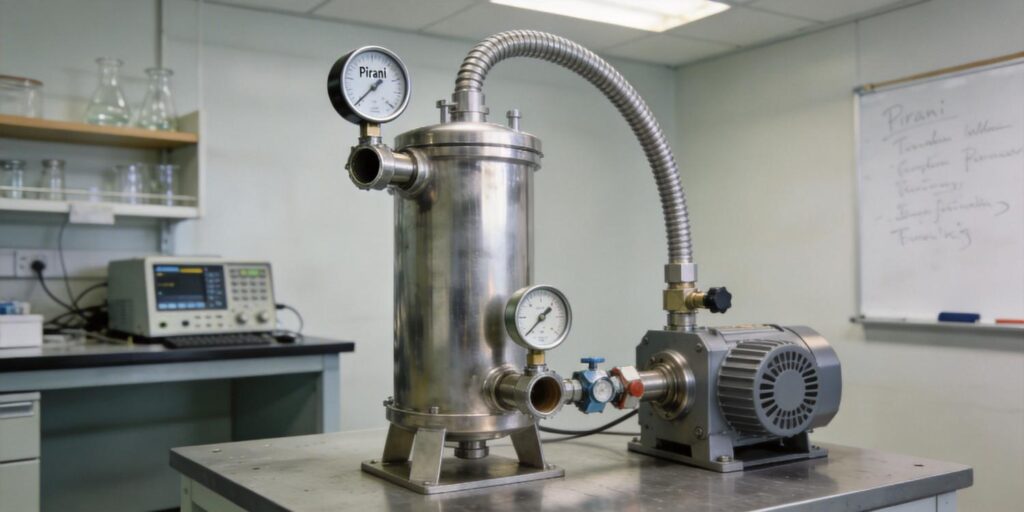
Vacuum pump with Pirani transmitter monitoring pressure

How Vacuum Gauges Protect Your Vacuum Pumps

Introduction Vacuum pumps are the heart of any vacuum system, yet they are surprisingly vulnerable to damage from improper pressure conditions. Overpressure during roughing, sudden gas bursts, or running a turbo-molecular pump against atmosphere can cause overheating, bearing wear, or catastrophic failure—leading to expensive repairs, unplanned downtime, and lost production. Modern vacuum gauges eliminate these

How Vacuum Gauges Protect Your Vacuum Pumps Read More »

Shopping Cart
Poseidon Scientific
Privacy Overview

This website uses cookies so that we can provide you with the best user experience possible. Cookie information is stored in your browser and performs functions such as recognising you when you return to our website and helping our team to understand which sections of the website you find most interesting and useful.