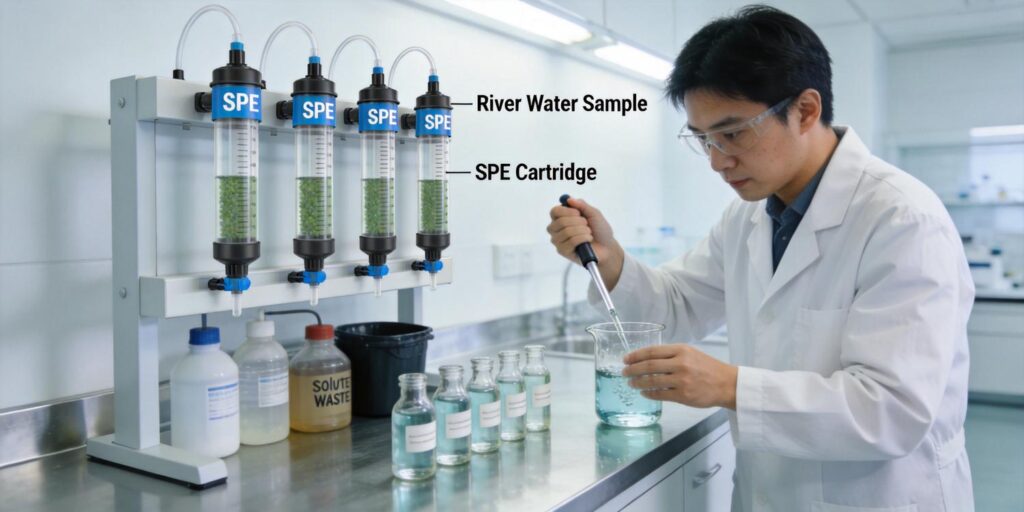

SPE sample preparation workflow for therapeutic drug monitoring in clinical lab

SPE Sample Preparation for Therapeutic Drug Monitoring

Overview of Therapeutic Drug Monitoring Workflows Therapeutic drug monitoring (TDM) represents a critical component of modern clinical pharmacology, bridging the gap between drug administration and optimal therapeutic outcomes. At its core, TDM involves measuring drug concentrations in biological fluids to ensure they remain within the therapeutic window—high enough to be effective but low enough to […]

SPE Sample Preparation for Therapeutic Drug Monitoring Read More »

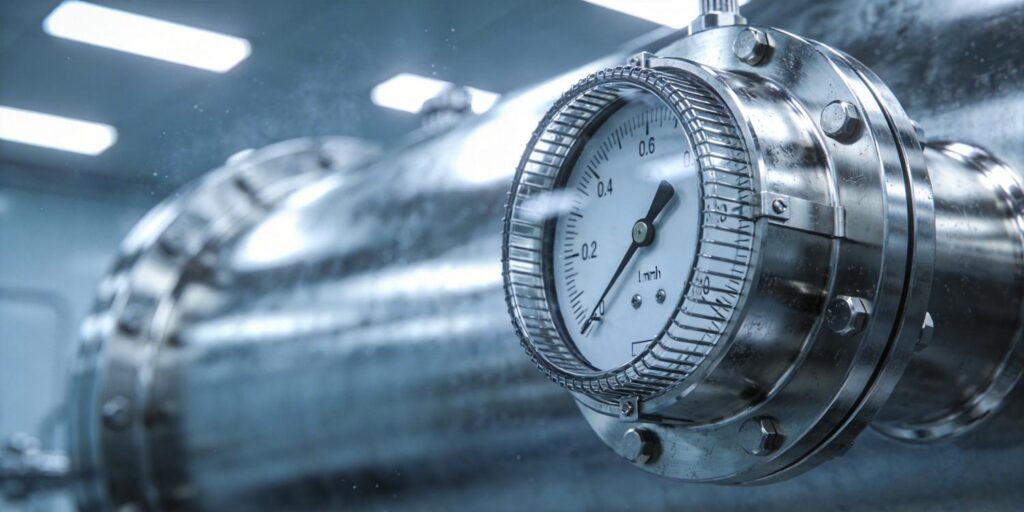
Vacuum gauge installed in university laboratory vacuum setup

Vacuum Monitoring in Research Laboratories

Common Laboratory Vacuum Setups and Their Monitoring Needs Research laboratories rely on vacuum technology for a wide range of experiments, from basic material characterization to advanced surface science and analytical instrumentation. Typical setups include small bell-jar chambers for thin-film deposition, custom vacuum manifolds for gas-handling experiments, and integrated systems within commercial instruments such as mass

Vacuum Monitoring in Research Laboratories Read More »

SPE extraction of herbicides from environmental water samples

Environmental Monitoring of Herbicides Using SPE

Importance of Herbicide Monitoring in Surface Water Herbicide contamination in surface water represents a significant environmental and public health concern that demands rigorous monitoring programs. Agricultural runoff, industrial discharges, and improper disposal practices can introduce these persistent organic compounds into aquatic ecosystems at concentrations that threaten both ecological balance and human water supplies. The trace-level

Environmental Monitoring of Herbicides Using SPE Read More »

Close up of cold cathode vacuum gauge mounted on chamber

Cold Cathode Gauge Lifespan: What Affects It?

Operating Pressure Influence on Cold Cathode Gauge Lifespan Cold cathode vacuum gauges, such as Poseidon Scientific’s VG-SM225, rely on the Penning discharge principle to measure pressures from 10⁻³ Torr down to 10⁻⁷ Torr. The operating pressure directly determines the rate of electrode wear and overall service life. At pressures above 10⁻³ Torr, the higher molecular

Cold Cathode Gauge Lifespan: What Affects It? Read More »

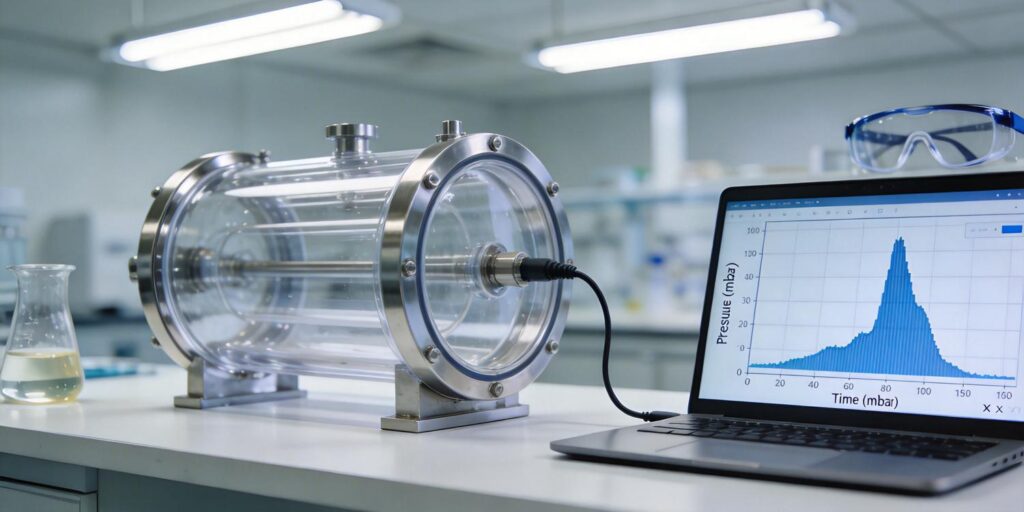
Pressure rise test graph displayed beside vacuum chamber

How to Detect Micro Leaks Using Vacuum Gauge Data

Understanding the Pressure Rise Test for Micro Leak Detection In vacuum systems, even micro leaks measuring 10⁻⁹ Torr·L/s or smaller can compromise process integrity, introduce contamination, or reduce equipment lifetime. The pressure rise test (also called rate-of-rise or isolation test) provides a simple, reliable, and gauge-based method to quantify these leaks without specialized helium mass

How to Detect Micro Leaks Using Vacuum Gauge Data Read More »

SPE extraction of veterinary drug residues from animal tissue samples

SPE Approaches for Veterinary Drug Residue Testing

Common Veterinary Drugs Monitored in Food Veterinary drug residue testing in food products represents a critical component of food safety programs worldwide. The monitoring encompasses several classes of drugs that are commonly administered to food-producing animals for therapeutic, prophylactic, or growth-promoting purposes. According to established literature and regulatory frameworks, the primary drug classes monitored include:

SPE Approaches for Veterinary Drug Residue Testing Read More »

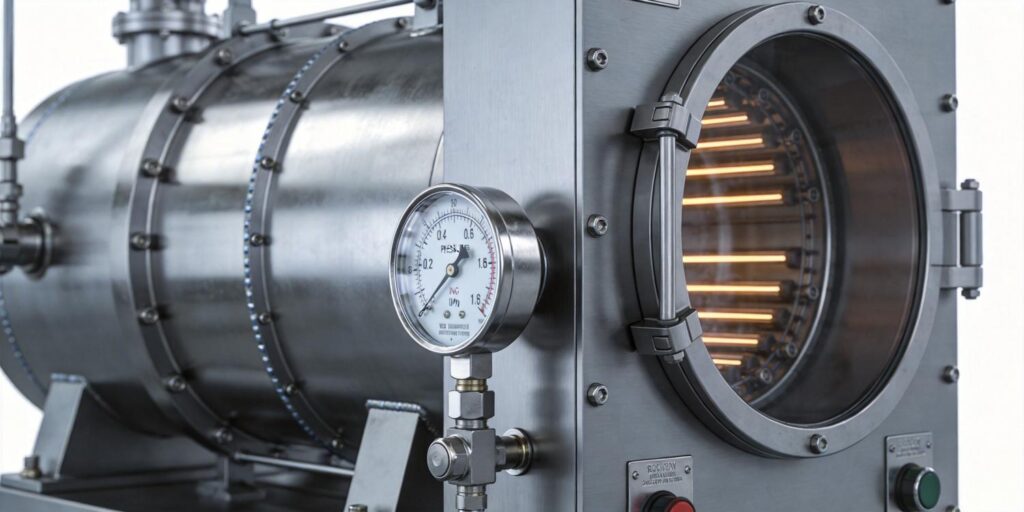
Vacuum gauge mounted on aerospace vacuum brazing furnace

Vacuum Gauges in Aerospace Component Manufacturing

The Vacuum Brazing Process in Aerospace Component Manufacturing Vacuum brazing stands as a cornerstone joining technique for high-performance aerospace components, including turbine blades, heat exchangers, honeycomb structures, and engine assemblies. Unlike traditional torch or furnace brazing in air or inert gas, the process occurs in a controlled, oxygen-free vacuum environment that eliminates oxidation, prevents contamination,

Vacuum Gauges in Aerospace Component Manufacturing Read More »

SPE sample cleanup process used to reduce LC-MS ion suppression

Reducing LC-MS Ion Suppression Using SPE Sample Cleanup

1. Causes of Ion Suppression in LC-MS Ion suppression represents one of the most significant challenges in liquid chromatography-mass spectrometry (LC-MS) analysis, particularly when dealing with complex biological or environmental matrices. This phenomenon occurs when co-eluting matrix components interfere with the ionization process of target analytes, leading to reduced signal intensity and compromised analytical performance.

Reducing LC-MS Ion Suppression Using SPE Sample Cleanup Read More »

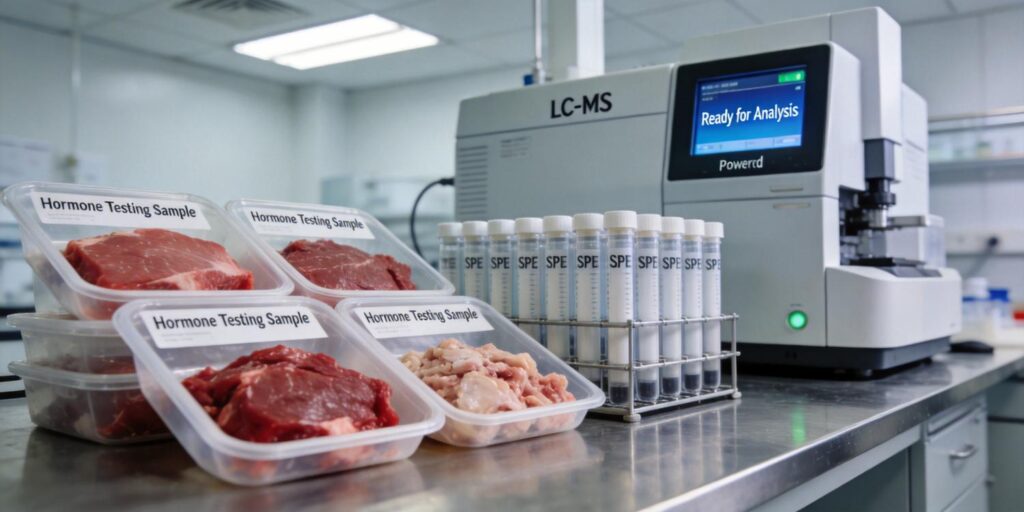
SPE purification workflow for detecting hormone residues in meat samples

SPE for Hormone Residue Analysis in Meat Samples

Regulatory Monitoring of Hormone Residues Global food safety authorities have established stringent regulations for hormone residue monitoring in meat products to protect consumer health and ensure fair trade practices. The European Union’s Directive 96/22/EC and subsequent amendments, along with the United States Food and Drug Administration’s (FDA) guidelines, set maximum residue limits (MRLs) for various

SPE for Hormone Residue Analysis in Meat Samples Read More »

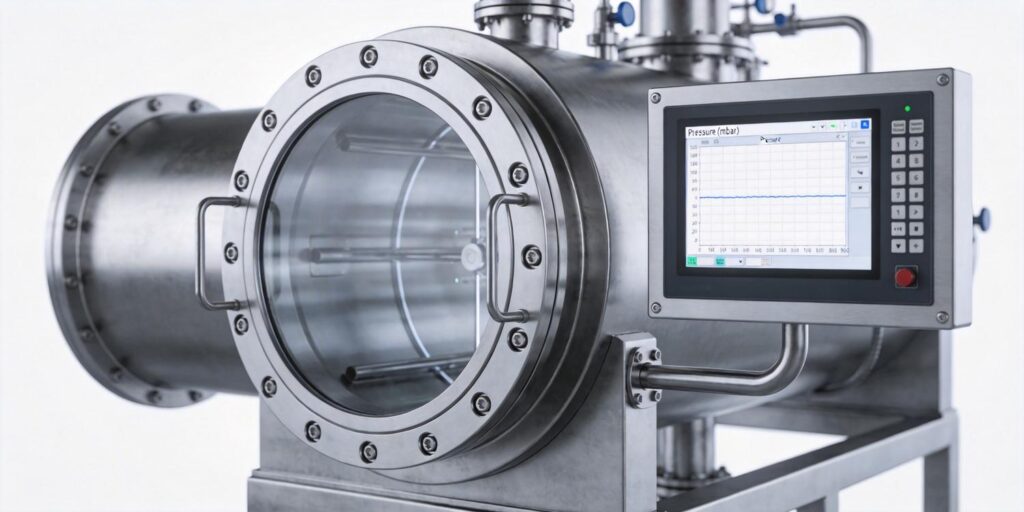
Stable vacuum pressure graph on industrial control panel

How to Improve Vacuum System Stability with Better Pressure Monitoring

Understanding Pressure Fluctuations in Vacuum Systems Vacuum systems in analytical instruments, semiconductor processing, and industrial heat treatment demand exceptional pressure stability to deliver consistent results. Even minor fluctuations—often on the order of 10% or more—can degrade process outcomes, extend cycle times, or trigger false alarms in safety interlocks. Identifying the root causes of these instabilities

How to Improve Vacuum System Stability with Better Pressure Monitoring Read More »

Shopping Cart
Poseidon Scientific
Privacy Overview

This website uses cookies so that we can provide you with the best user experience possible. Cookie information is stored in your browser and performs functions such as recognising you when you return to our website and helping our team to understand which sections of the website you find most interesting and useful.