Clinical / Bioanalysis

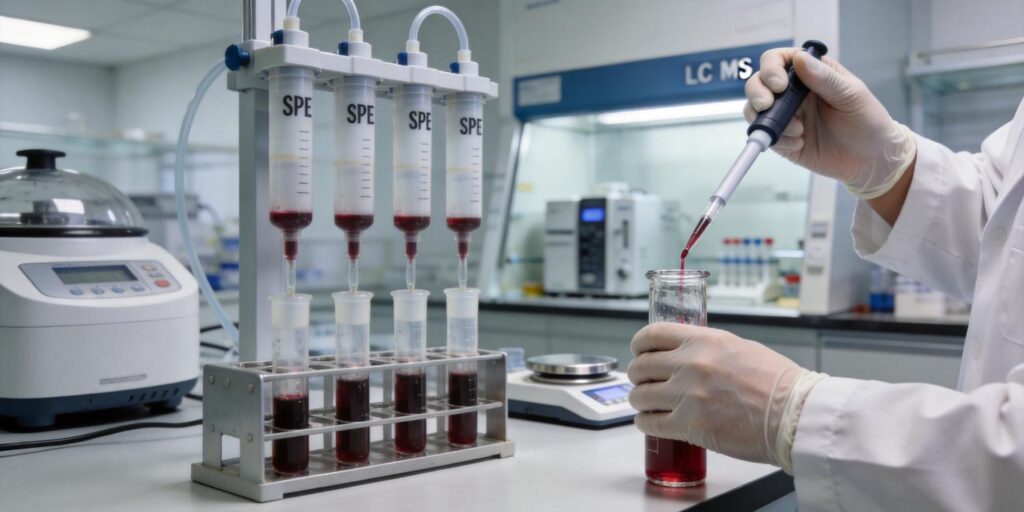
SPE cartridge extracting drugs from blood samples for toxicology testing

Sample Preparation of Blood Samples for Drug Toxicology Using SPE

Role of SPE in Forensic and Clinical Toxicology Solid-phase extraction (SPE) has emerged as a cornerstone technology in both forensic and clinical toxicology laboratories, revolutionizing how blood samples are prepared for drug analysis. The technique’s utility stems from its ability to achieve high selectivities and recoveries while minimizing hazardous solvent consumption. In systematic toxicological analysis […]

Sample Preparation of Blood Samples for Drug Toxicology Using SPE Read More »
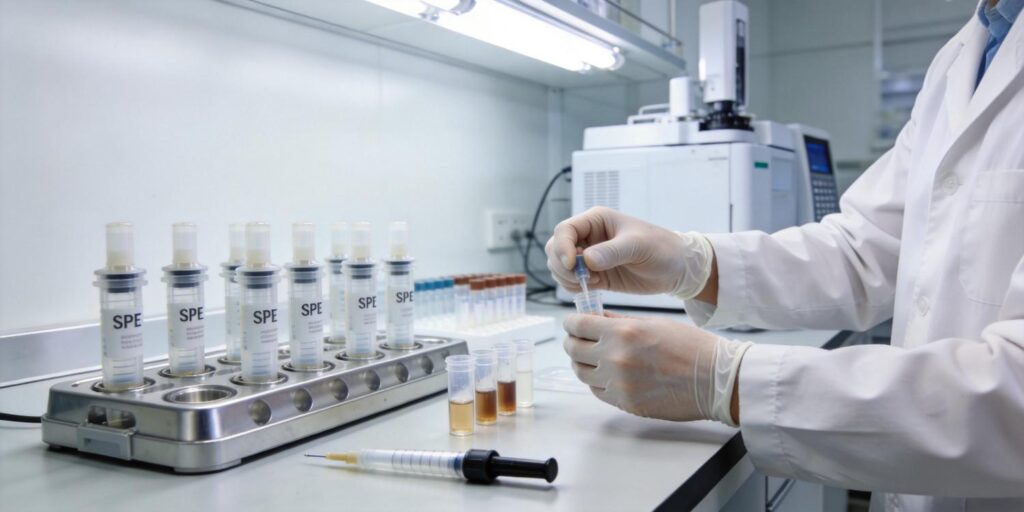
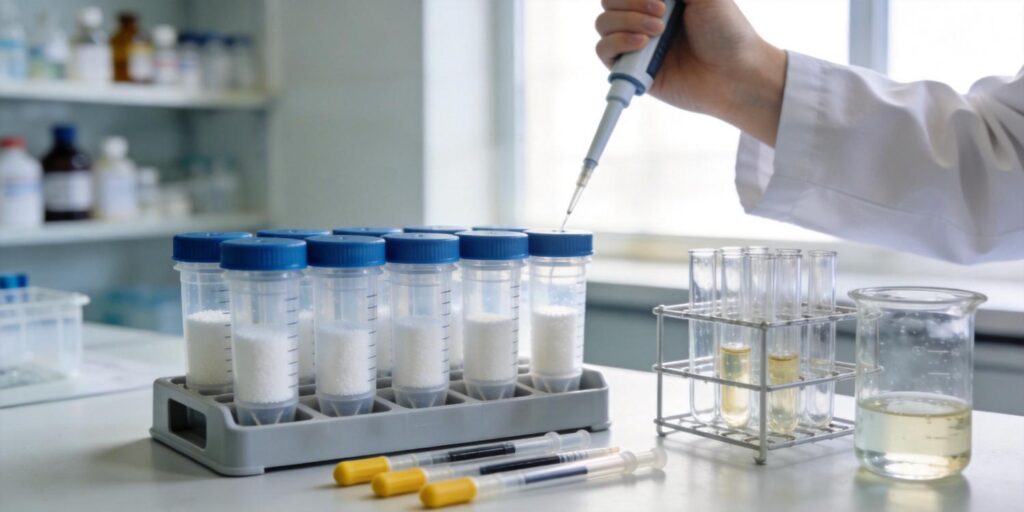
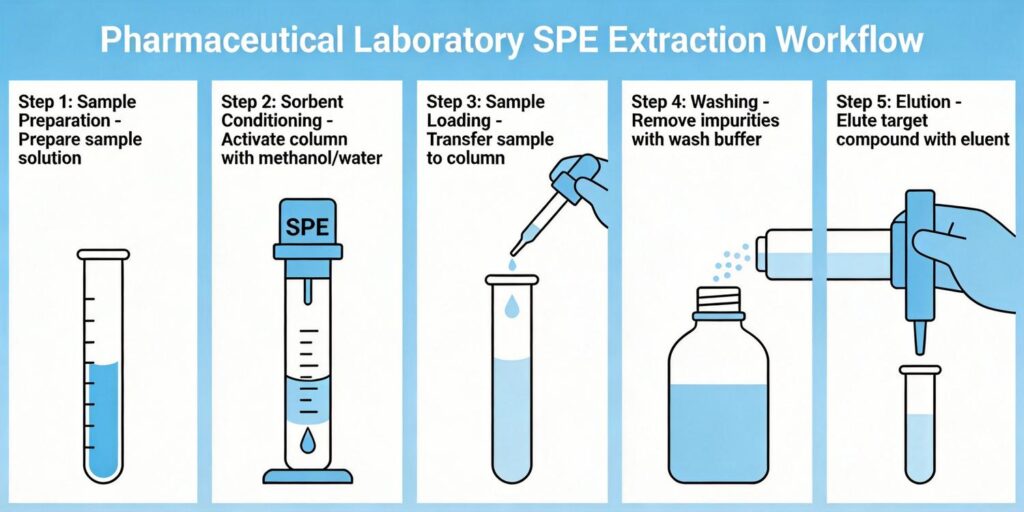
SPE cartridge preparation workflow for clinical toxicology analysis

LC-MS Compatible SPE Sample Preparation for Clinical Toxicology

Role of LC-MS in Clinical Toxicology Testing Liquid chromatography-mass spectrometry (LC-MS) has revolutionized clinical toxicology testing by providing unparalleled specificity, sensitivity, and throughput for drug screening and confirmation. Unlike traditional immunoassays that may suffer from cross-reactivity issues, LC-MS offers definitive identification and quantification of toxicological analytes through mass-to-charge ratio (m/z) measurements. The technique’s ability to

LC-MS Compatible SPE Sample Preparation for Clinical Toxicology Read More »

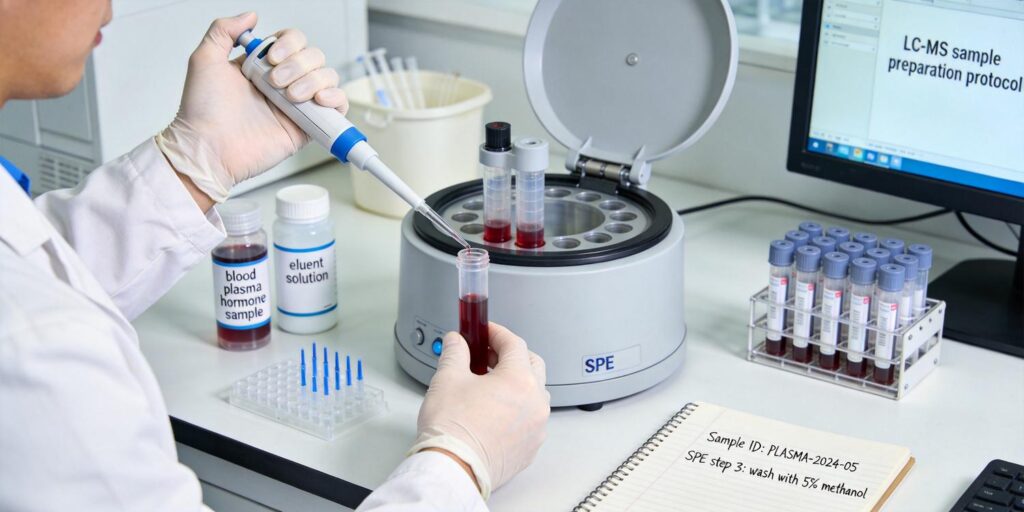
SPE extraction of hormone compounds from blood plasma samples

SPE Sample Preparation for Hormone Analysis in Blood Plasma

1. Hormones Commonly Measured in Plasma Steroid hormone analysis in blood plasma encompasses a wide range of clinically relevant compounds that serve as biomarkers for endocrine function, reproductive health, and metabolic disorders. The most frequently measured steroid hormones include: Androgens Testosterone (free and total) Dihydrotestosterone (DHT) Androstenedione Dehydroepiandrosterone (DHEA) and its sulfate (DHEA-S) Estrogens Estradiol

SPE Sample Preparation for Hormone Analysis in Blood Plasma Read More »

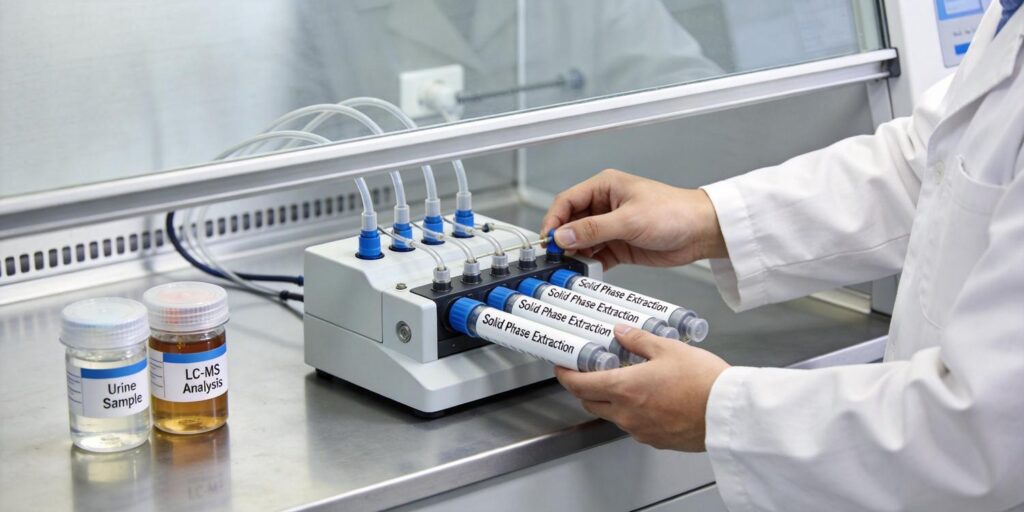
SPE cartridge extracting drug metabolites from urine samples

SPE Cleanup of Urine Samples for Drug Metabolite Analysis

Drug Metabolites Commonly Detected in Urine Urine serves as the primary excretion pathway for drug metabolites, making it the matrix of choice for forensic toxicology, clinical monitoring, and doping control. The metabolites detected span various drug classes, each presenting unique chemical properties that influence extraction strategies. Common metabolites include benzoylecgonine (cocaine metabolite), norcodeine and normorphine

SPE Cleanup of Urine Samples for Drug Metabolite Analysis Read More »

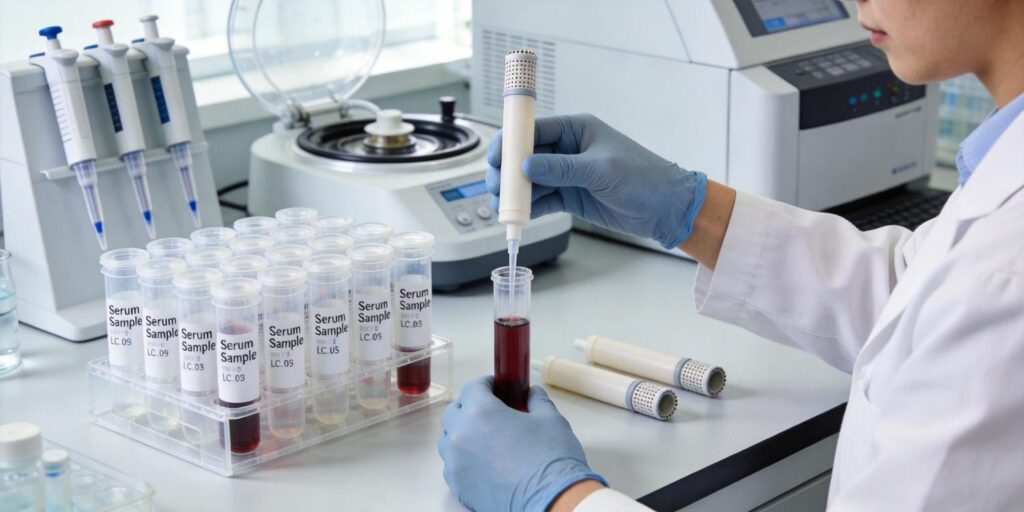
SPE cartridge cleanup of serum samples in clinical LC-MS laboratory

Best Practices for SPE Cleanup of Serum Samples in Clinical LC-MS Analysis

Common Clinical Analytes Measured by LC-MS Liquid chromatography-mass spectrometry (LC-MS) has revolutionized clinical analysis by enabling sensitive and specific detection of diverse analytes in serum samples. The technique’s versatility allows for comprehensive profiling across multiple therapeutic and diagnostic categories. Pharmaceutical Compounds LC-MS excels in therapeutic drug monitoring (TDM) for medications with narrow therapeutic windows. Common

Best Practices for SPE Cleanup of Serum Samples in Clinical LC-MS Analysis Read More »

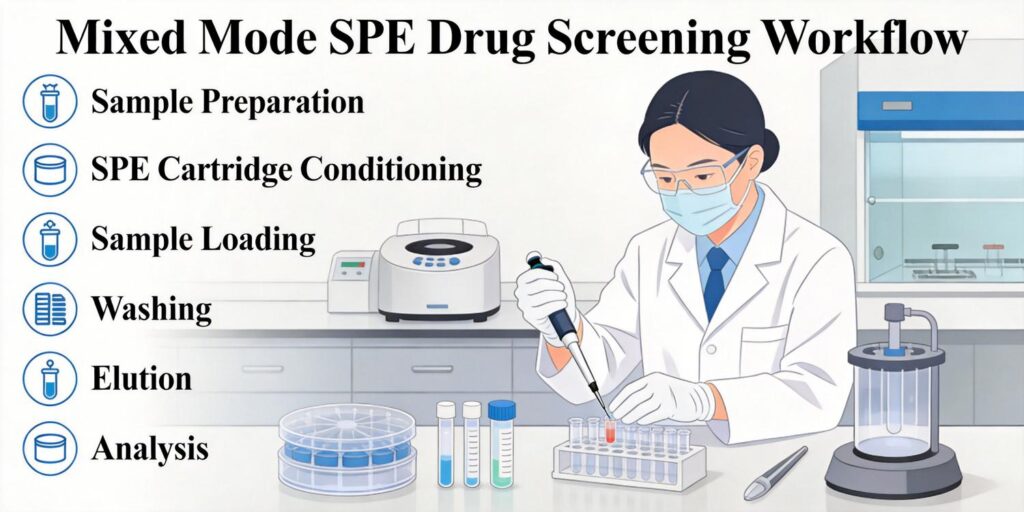
mixed mode SPE cartridges used in clinical toxicology drug screening

Mixed-Mode SPE Strategy for Multi-Class Drug Screening in Clinical Toxicology

The Critical Need for Simultaneous Detection of Acidic, Neutral, and Basic Drugs In clinical toxicology laboratories, the ability to simultaneously detect and quantify drugs spanning different chemical classes is paramount for comprehensive patient care. Modern drug screening must address the reality that patients may be exposed to multiple substances with varying physicochemical properties—acidic drugs like

Mixed-Mode SPE Strategy for Multi-Class Drug Screening in Clinical Toxicology Read More »

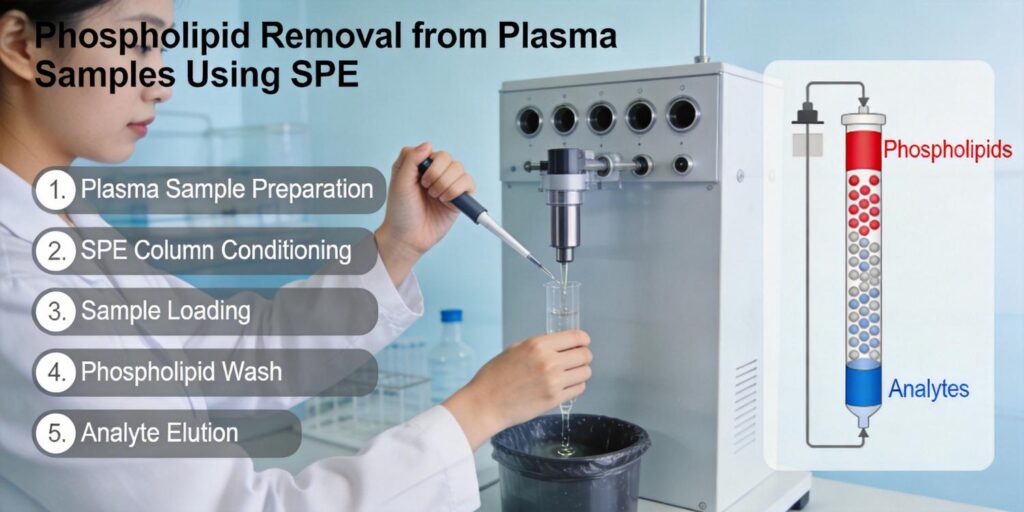
SPE cartridge removing phospholipids from plasma sample

Removing Phospholipid Interference from Plasma Samples Using SPE

Identification of Phospholipid Interference in LC-MS Analysis Phospholipid interference represents one of the most significant challenges in LC-MS analysis of plasma samples. These endogenous compounds, primarily phosphatidylcholines, lysophosphatidylcholines, and sphingomyelins, can cause severe ion suppression, matrix effects, and increased analytical variability. According to Waters documentation, phospholipids are “the main cause of matrix effects, ion suppression,

Removing Phospholipid Interference from Plasma Samples Using SPE Read More »

MCX SPE extraction in clinical toxicology lab

Clinical Toxicology Sample Preparation Using MCX SPE

Drug Classes Commonly Analyzed in Clinical Toxicology Mixed-mode cation exchange (MCX) solid phase extraction (SPE) cartridges are particularly effective for analyzing basic and neutral drugs in clinical toxicology applications. The MCX sorbent combines hydrophobic interactions with strong cation exchange properties, making it ideal for compounds that are positively charged at acidic pH. Commonly analyzed drug

Clinical Toxicology Sample Preparation Using MCX SPE Read More »

SPE extraction in bioanalytical laboratory

Why SPE is Essential in Modern Bioanalysis

Bioanalytical Sample Challenges: The Complex Landscape Biological samples present one of the most challenging matrices in analytical chemistry. As noted in forensic and clinical applications, “Biological samples are notoriously dirty; injecting them with minimum cleanup onto very sensitive and expensive instruments makes very little sense.” This statement captures the fundamental challenge facing modern bioanalysts. Matrix

Why SPE is Essential in Modern Bioanalysis Read More »

Shopping Cart
Poseidon Scientific
Privacy Overview

This website uses cookies so that we can provide you with the best user experience possible. Cookie information is stored in your browser and performs functions such as recognising you when you return to our website and helping our team to understand which sections of the website you find most interesting and useful.