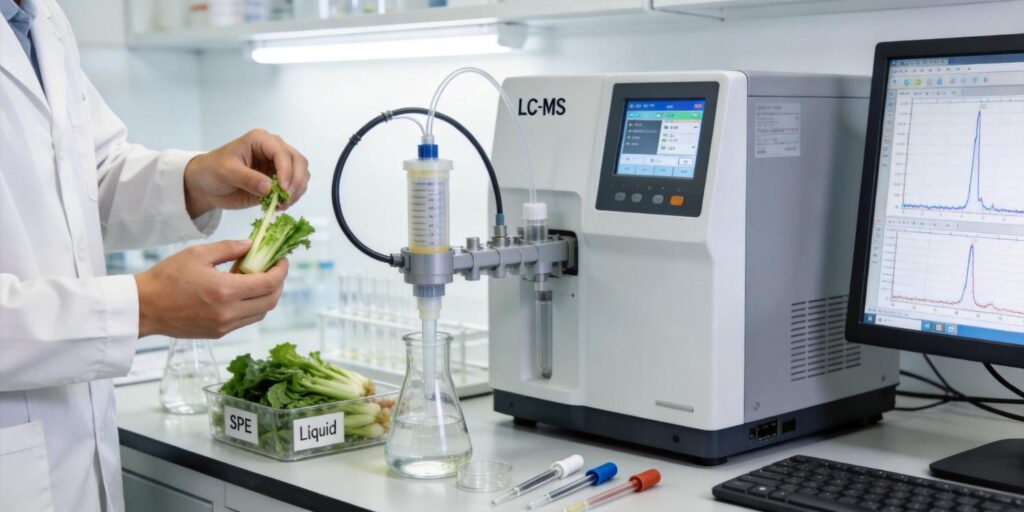
Food Safety Testing

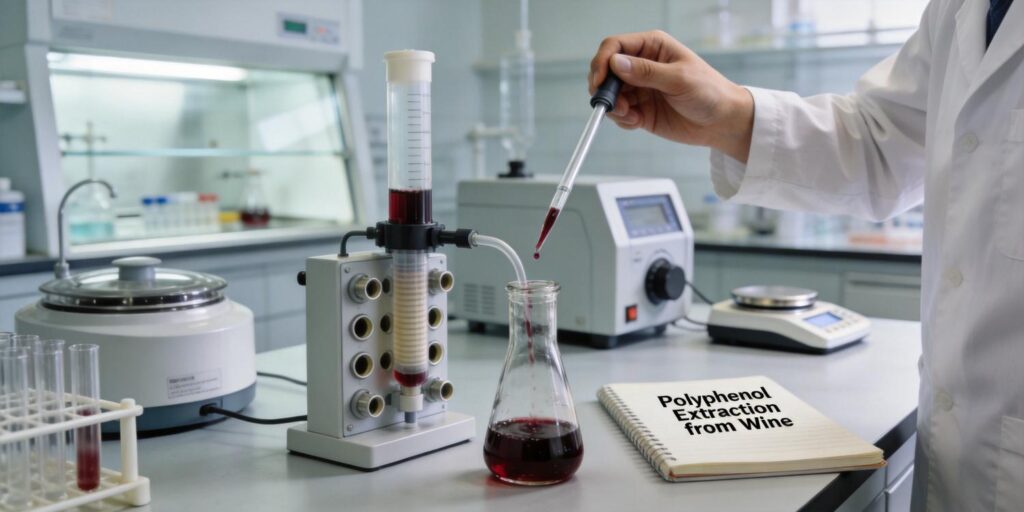
pesticide residue extraction workflow using HLB SPE

HLB SPE Workflow for Pesticide Residue Extraction in Food Samples

1. Sample Homogenization Methods Effective pesticide residue extraction begins with proper sample homogenization. For food matrices, mechanical homogenization using high-speed blenders or food processors is essential to create a uniform sample. According to literature, the QuEChERS method (Quick, Easy, Cheap, Effective, Rugged, and Safe) has revolutionized multi-residue pesticide analysis by incorporating efficient homogenization techniques. For […]

HLB SPE Workflow for Pesticide Residue Extraction in Food Samples Read More »

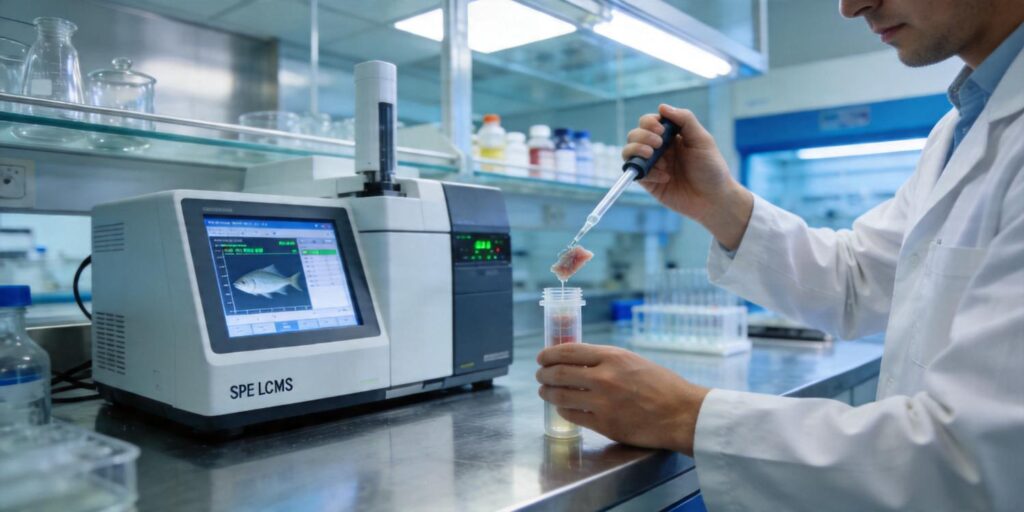
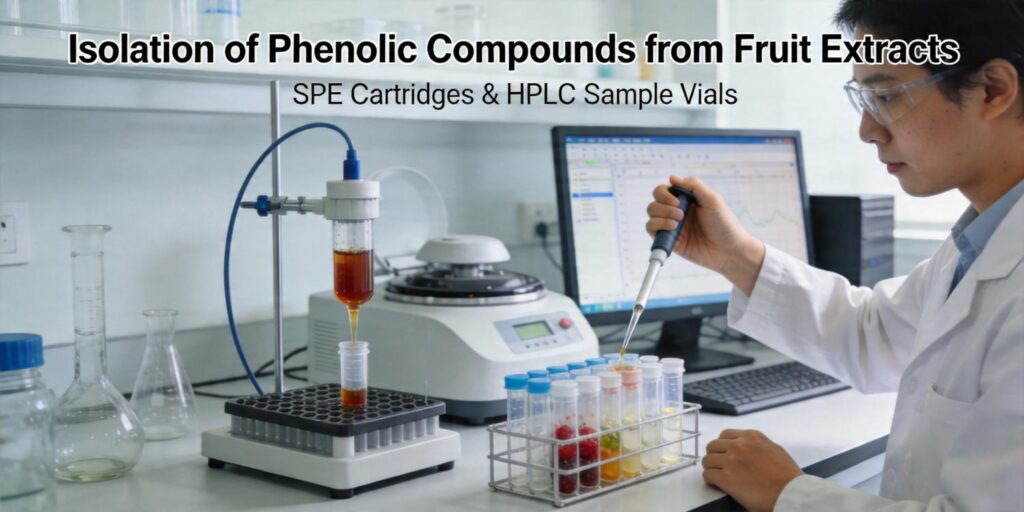
SPE extraction in food safety laboratory

SPE in Food Safety Testing

Contaminant Monitoring Overview in Food Safety Testing Solid Phase Extraction (SPE) has become an indispensable tool in modern food safety testing, particularly for contaminant monitoring across diverse food matrices. The technique’s ability to selectively isolate target analytes from complex food samples while removing interfering matrix components makes it ideal for regulatory compliance testing and quality

SPE in Food Safety Testing Read More »

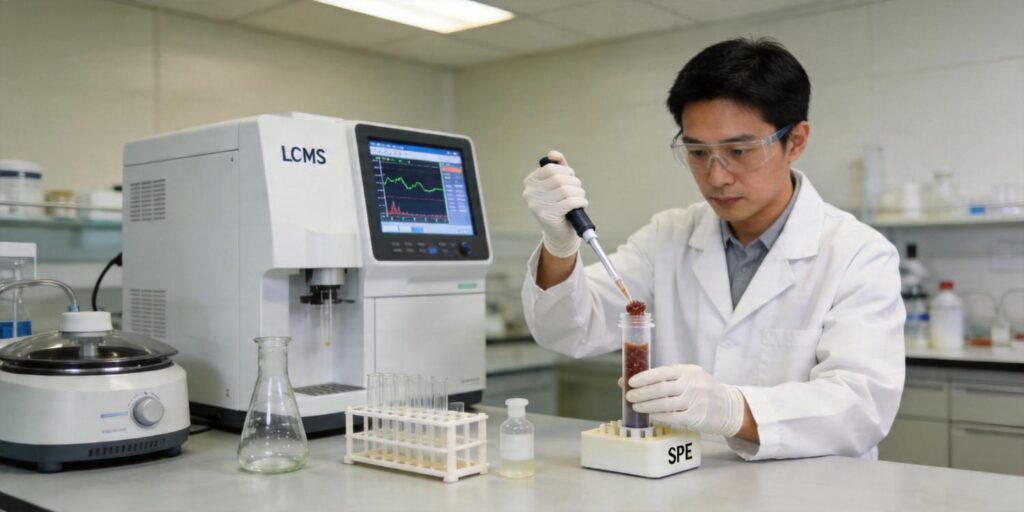
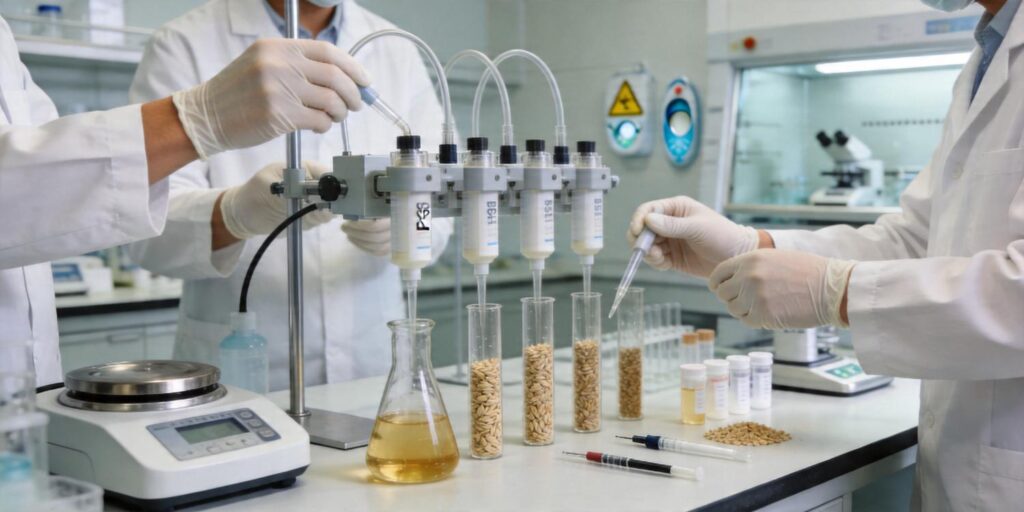
grain sample extraction for mycotoxin testing using SPE

Using SPE for Mycotoxin Detection

What Are Mycotoxins? Mycotoxins are toxic secondary metabolites produced by various filamentous fungi that can contaminate agricultural commodities, particularly cereals, nuts, and spices. These naturally occurring toxins represent a significant threat to food safety and human health worldwide. The most concerning mycotoxins include aflatoxins (B1, B2, G1, G2), ochratoxin A, fumonisins, zearalenone, and deoxynivalenol, each

Using SPE for Mycotoxin Detection Read More »

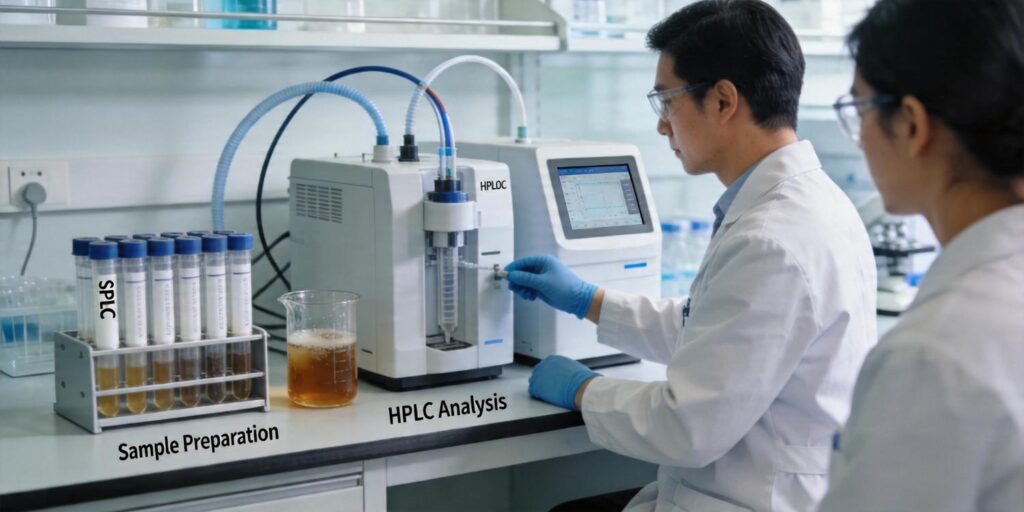
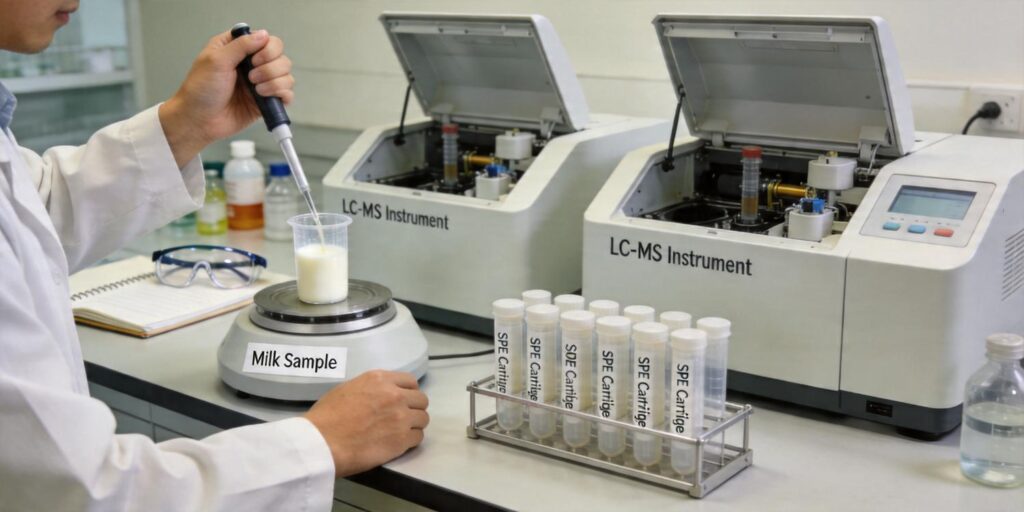
laboratory performing veterinary drug extraction using SPE

SPE for Veterinary Drug Residue Analysis

Veterinary Drug Classes in Residue Analysis Veterinary drug residue analysis encompasses a diverse range of therapeutic classes that require specialized SPE approaches. According to Simpson and Wynne (2000), the primary drug classes targeted in veterinary screening include: Non-Steroidal Anti-Inflammatory Drugs (NSAIDs) Common NSAIDs like phenylbutazone, flunixin, and ketoprofen represent one of the most frequently encountered

SPE for Veterinary Drug Residue Analysis Read More »

laboratory performing SPE extraction for antibiotic residue testing

SPE for Antibiotic Residue Detection in Food Samples

Overview of Antibiotic Contamination in Food Antibiotic residues in food products represent a significant public health concern with far-reaching implications for consumer safety and regulatory compliance. The use of antibiotics in livestock production for therapeutic treatment, disease prevention, and growth promotion has led to the potential presence of these compounds in meat, dairy products, eggs,

SPE for Antibiotic Residue Detection in Food Samples Read More »

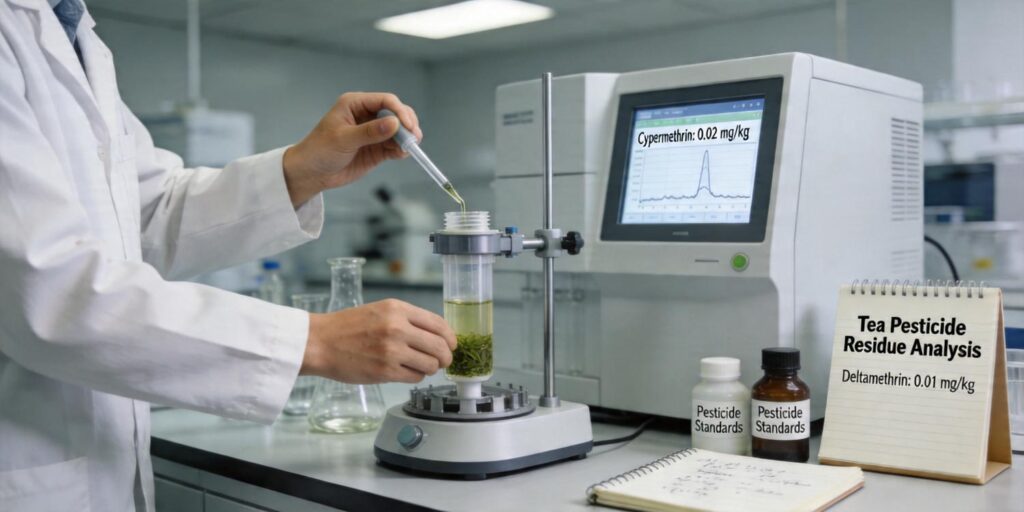
laboratory performing SPE extraction for pesticide testing

SPE for Pesticide Residue Analysis

The Critical Role of SPE in Modern Pesticide Residue Analysis In today’s global food supply chain, ensuring the safety of agricultural products has become paramount. Pesticide residue analysis stands at the forefront of food safety protocols, and Solid Phase Extraction (SPE) has emerged as an indispensable tool in this critical analytical workflow. As regulatory standards

SPE for Pesticide Residue Analysis Read More »

Shopping Cart
Poseidon Scientific
Privacy Overview

This website uses cookies so that we can provide you with the best user experience possible. Cookie information is stored in your browser and performs functions such as recognising you when you return to our website and helping our team to understand which sections of the website you find most interesting and useful.