Applications

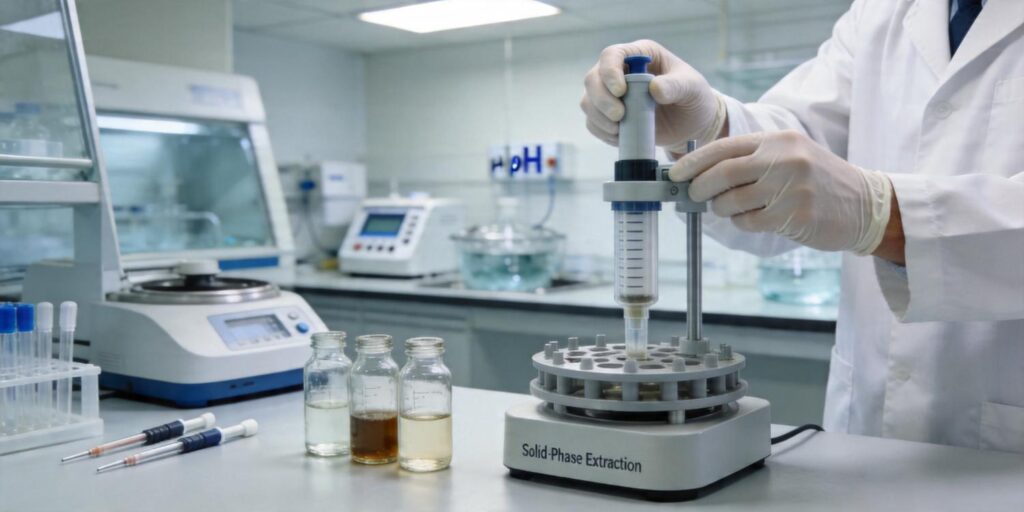
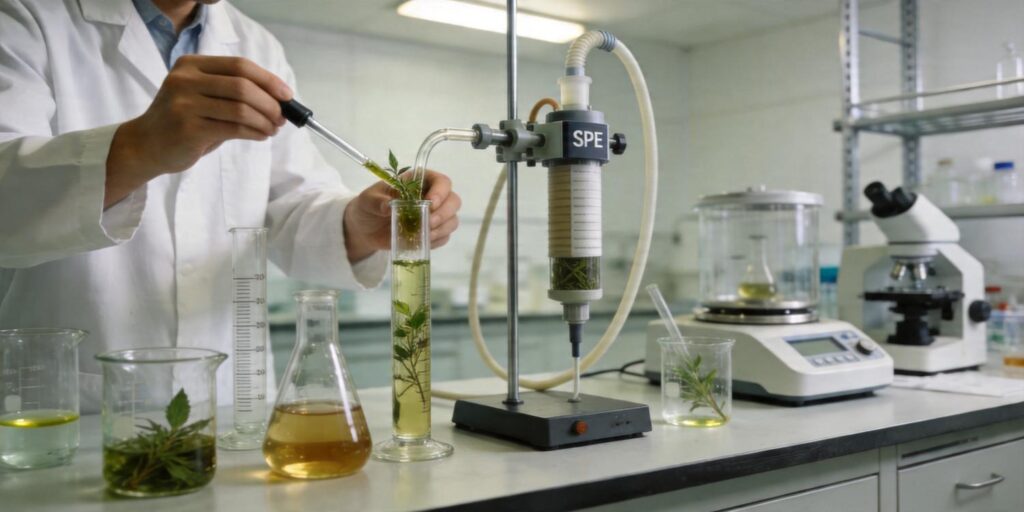
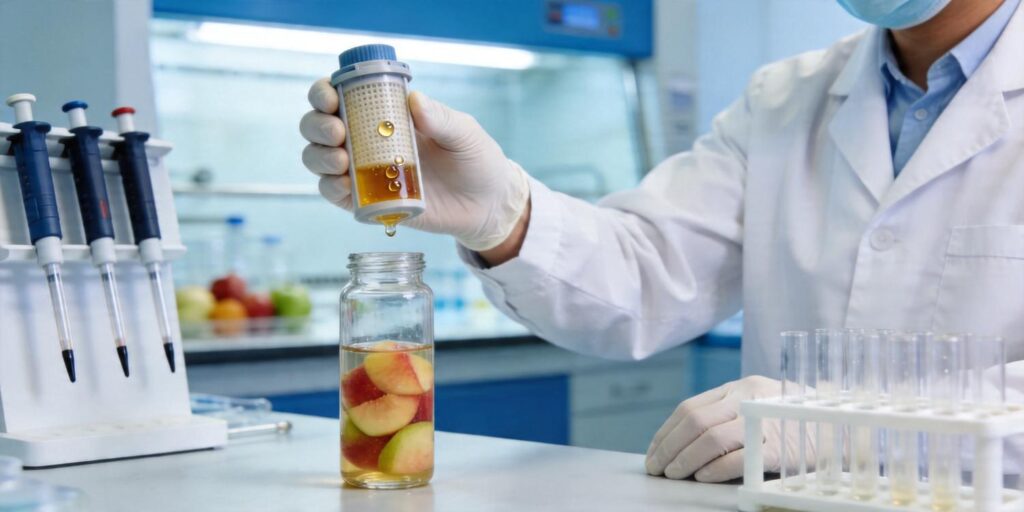
SPE purification of plant alkaloids from botanical extracts

SPE Isolation of Alkaloids from Plant Extracts

Chemical Properties of Alkaloids: Basic Nitrogen Compounds Alkaloids represent a diverse class of naturally occurring organic compounds characterized by their basic nitrogen atoms, typically derived from amino acids. These compounds exhibit a wide range of pharmacological activities and are found in approximately 20% of plant species. The basic nature of alkaloids stems from the presence […]
SPE Isolation of Alkaloids from Plant Extracts Read More »

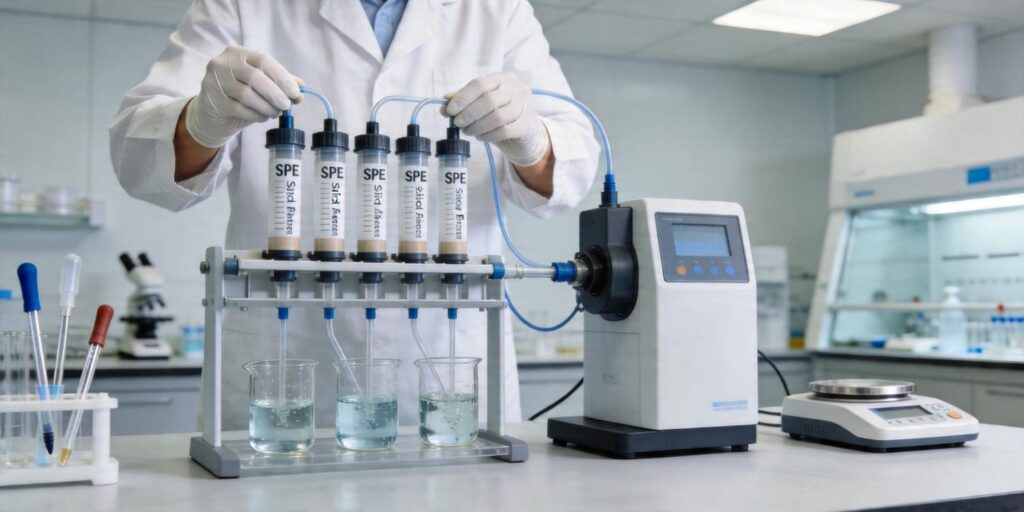
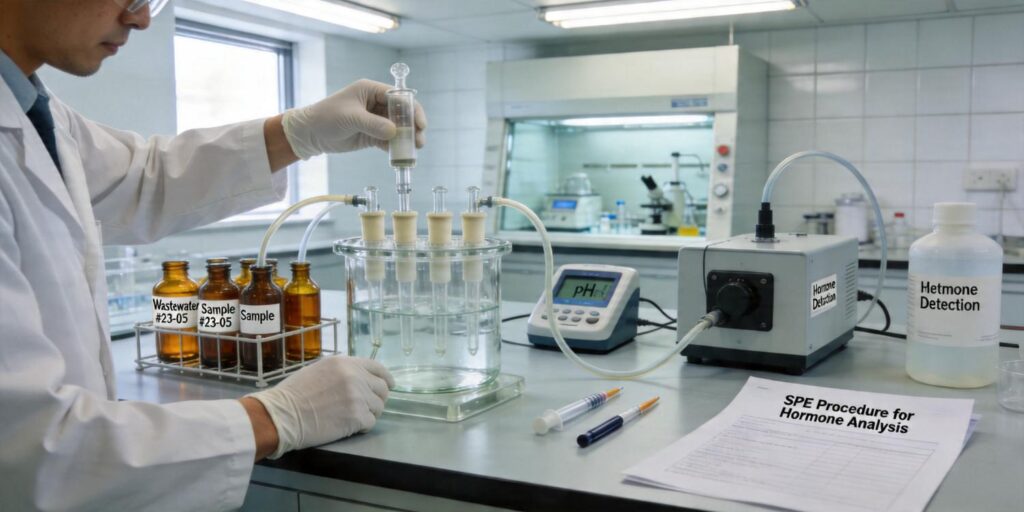
SPE extraction of hormone contaminants from wastewater samples

SPE Method for Hormone Detection in Wastewater

Environmental Impact of Endocrine Disrupting Hormones Endocrine disrupting compounds (EDCs), particularly steroid hormones, represent one of the most significant emerging environmental contaminants in wastewater systems. These compounds, which include natural estrogens (estrone, estradiol, estriol) and synthetic hormones (ethinylestradiol), enter wastewater treatment plants through domestic sewage, hospital effluents, and agricultural runoff. Despite their typically low concentrations

SPE Method for Hormone Detection in Wastewater Read More »

SPE cleanup of food extracts for pesticide residue testing

Food Pesticide Analysis Using SPE Sample Cleanup

The Complexity of Food Matrices in Pesticide Residue Analysis Food pesticide analysis presents unique challenges due to the complex nature of food matrices. Fruits, vegetables, grains, and processed foods contain diverse interfering compounds including pigments, sugars, organic acids, fats, waxes, and natural plant metabolites. These matrix components can co-extract with target pesticides, leading to signal

Food Pesticide Analysis Using SPE Sample Cleanup Read More »

MCX SPE extraction workflow for basic drugs in plasma samples

Using MCX SPE for Basic Drug Residues in Plasma

Challenges of Extracting Basic Drugs from Biological Matrices Extracting basic drugs from plasma presents significant analytical challenges that require sophisticated sample preparation techniques. Plasma contains approximately 7% proteins, primarily albumin and globulins, which can bind to basic drugs through hydrophobic interactions and hydrogen bonding. This protein binding can reach 90-95% for some basic drugs, dramatically

Using MCX SPE for Basic Drug Residues in Plasma Read More »

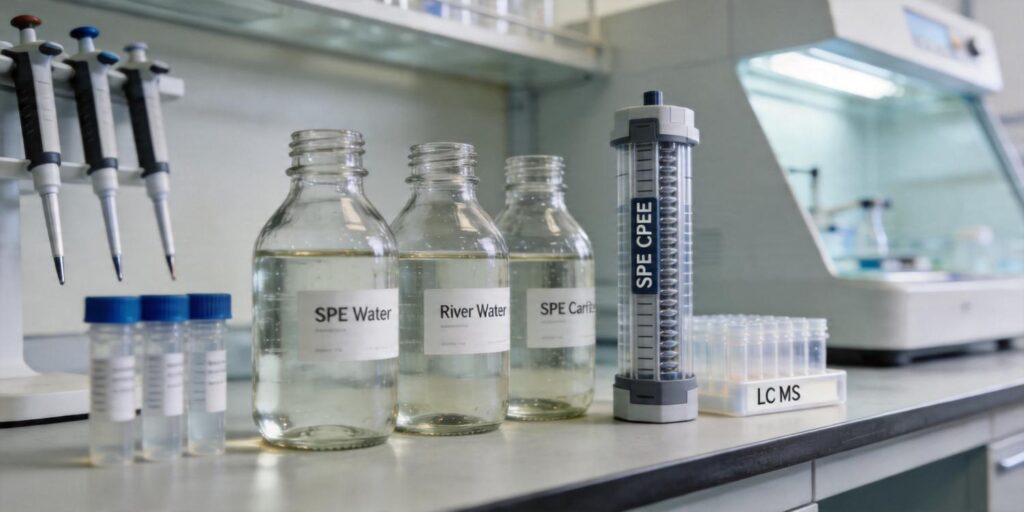
HLB SPE workflow extracting antibiotics from river water samples

Extraction of Antibiotics from River Water Using HLB SPE

Occurrence of Antibiotic Residues in Surface Water Antibiotic residues in river water represent a significant environmental concern with far-reaching implications for ecosystem health and human safety. These pharmaceutical compounds enter aquatic systems through various pathways including wastewater treatment plant effluents, agricultural runoff, and improper disposal of unused medications. The persistence of antibiotics in surface water

Extraction of Antibiotics from River Water Using HLB SPE Read More »

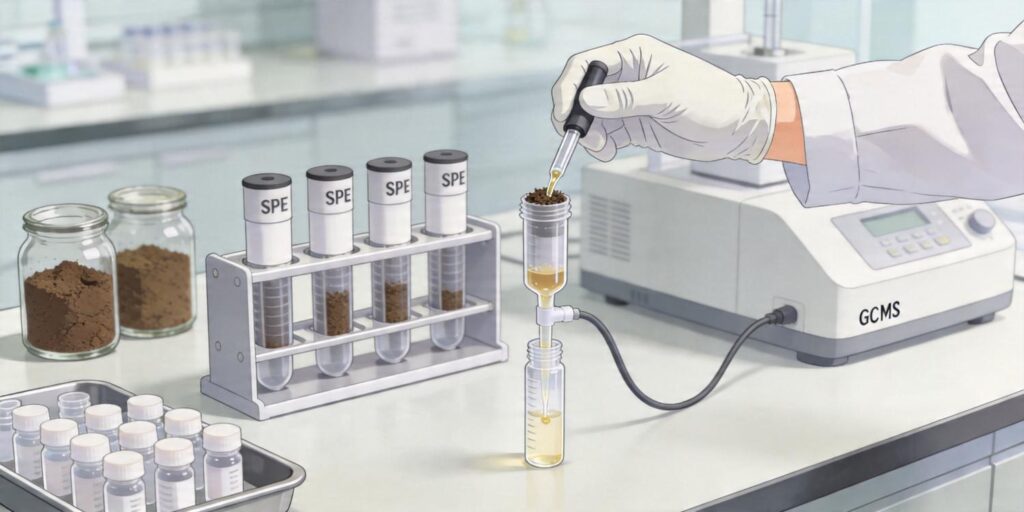
SPE cleanup workflow for PAHs in soil extracts before GC-MS analysis

SPE Cleanup of Polycyclic Aromatic Hydrocarbons (PAHs) in Soil Samples

Analytical Challenge of PAHs in Soil Matrices: Organic Matter Interference Polycyclic aromatic hydrocarbons (PAHs) represent one of the most challenging classes of environmental contaminants to analyze in soil matrices. The primary analytical hurdle stems from the complex soil composition, particularly the presence of natural organic matter (NOM) including humic and fulvic acids. According to environmental

SPE Cleanup of Polycyclic Aromatic Hydrocarbons (PAHs) in Soil Samples Read More »

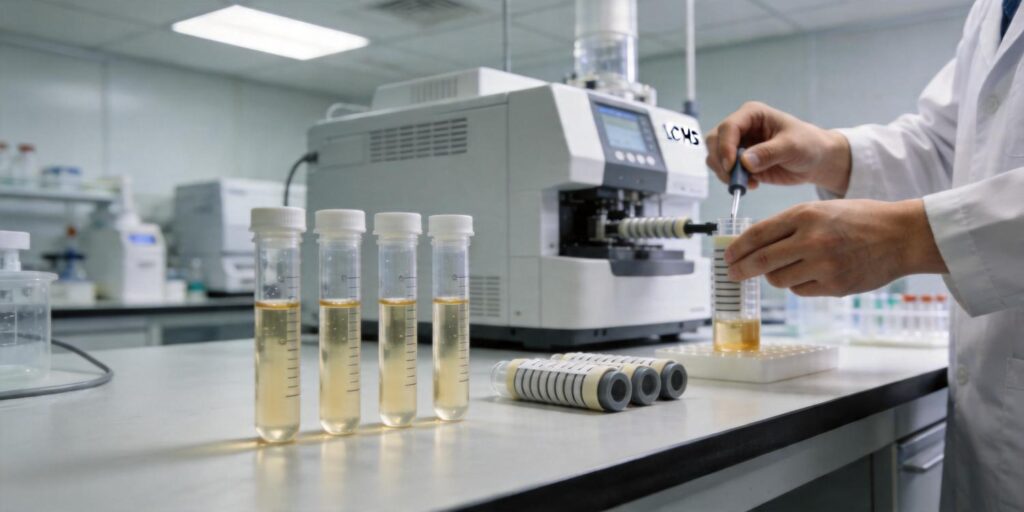
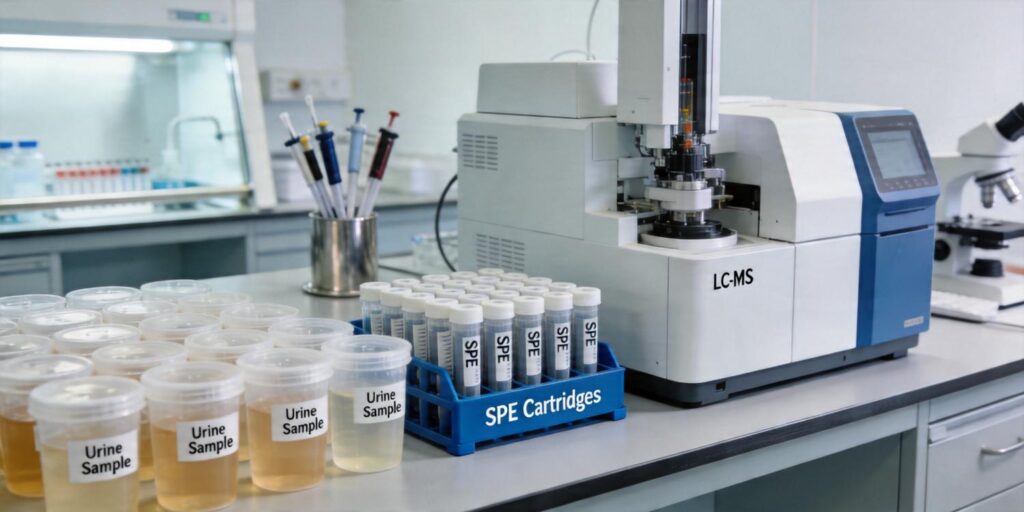
SPE extraction of metabolites from urine samples for LC-MS analysis

SPE Sample Preparation for Metabolite Analysis in Urine Samples

Importance of Metabolite Profiling in Biomedical Research Metabolite profiling has emerged as a critical component in modern biomedical research, providing unprecedented insights into biological systems at the molecular level. Unlike genomics and proteomics, which focus on potential biological activities, metabolomics captures the actual biochemical phenotype resulting from genetic, environmental, and lifestyle factors. This “downstream” approach

SPE Sample Preparation for Metabolite Analysis in Urine Samples Read More »

SPE extraction of pharmaceutical contaminants from hospital wastewater

SPE Extraction of Pharmaceutical Compounds from Hospital Effluent

Pharmaceutical Discharge from Medical Facilities Hospital effluent represents a significant source of pharmaceutical compounds entering aquatic environments. Medical facilities routinely discharge wastewater containing a complex mixture of active pharmaceutical ingredients (APIs), their metabolites, and transformation products. This discharge occurs through various pathways including patient excretion, disposal of unused medications, and cleaning of medical equipment. The

SPE Extraction of Pharmaceutical Compounds from Hospital Effluent Read More »

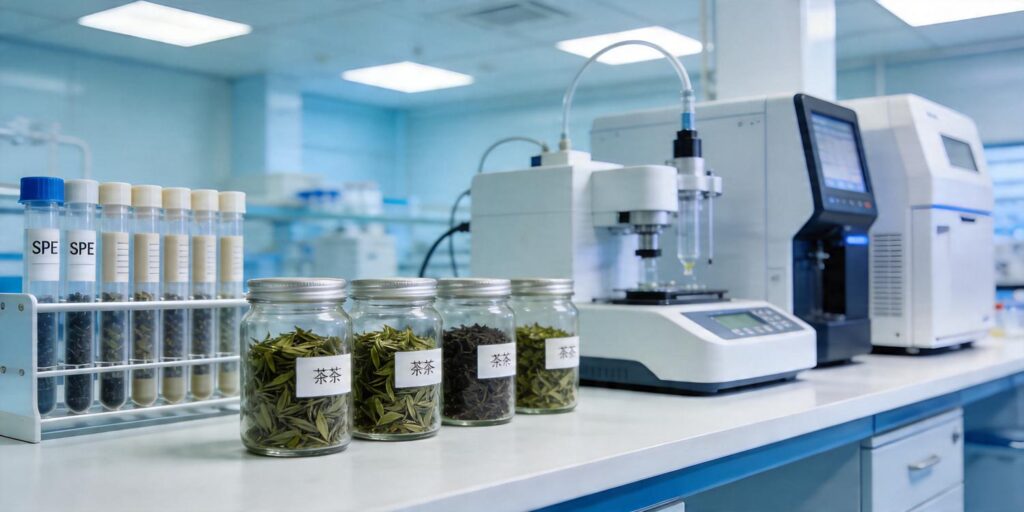
SPE purification of tea leaf extracts used for pesticide testing

SPE Cleanup Techniques for Detecting Pesticides in Tea Leaves

Importance of Pesticide Monitoring in Tea Products Tea is one of the most widely consumed beverages globally, with millions of people enjoying its health benefits and cultural significance daily. However, the agricultural practices involved in tea cultivation often involve the use of various pesticides to protect crops from pests and diseases. This creates a critical

SPE Cleanup Techniques for Detecting Pesticides in Tea Leaves Read More »

SPE extraction of disinfection byproducts from water samples

SPE Sample Preparation for Monitoring Disinfection Byproducts in Water

Formation of Disinfection Byproducts During Water Treatment Disinfection byproducts (DBPs) are unintended chemical compounds formed when disinfectants used in water treatment react with naturally occurring organic matter, bromide, and iodide in source water. The primary disinfectants involved in DBP formation include chlorine, chloramine, ozone, and chlorine dioxide. When these disinfectants oxidize organic precursors such as

SPE Sample Preparation for Monitoring Disinfection Byproducts in Water Read More »

Shopping Cart
Poseidon Scientific
Privacy Overview

This website uses cookies so that we can provide you with the best user experience possible. Cookie information is stored in your browser and performs functions such as recognising you when you return to our website and helping our team to understand which sections of the website you find most interesting and useful.