Applications

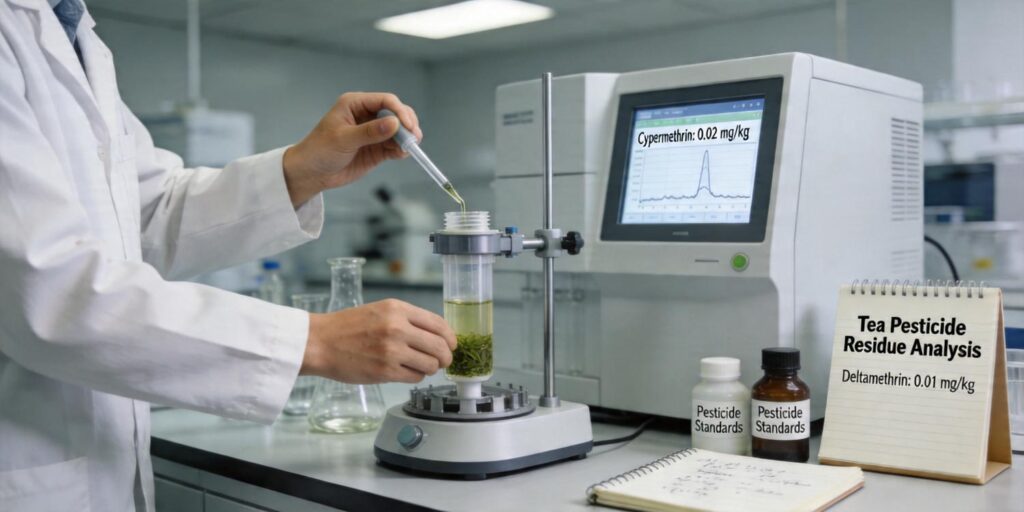
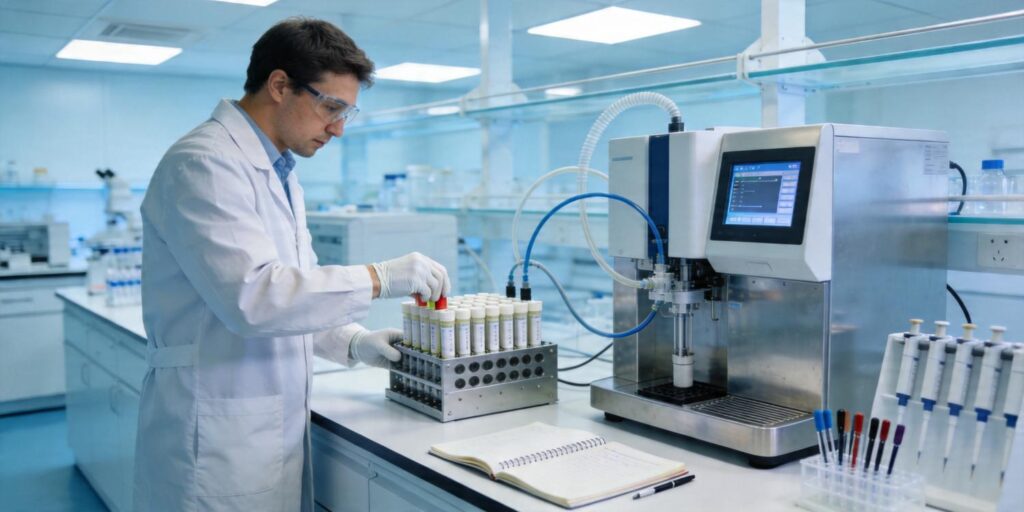
pesticide residue extraction workflow using HLB SPE

HLB SPE Workflow for Pesticide Residue Extraction in Food Samples

1. Sample Homogenization Methods Effective pesticide residue extraction begins with proper sample homogenization. For food matrices, mechanical homogenization using high-speed blenders or food processors is essential to create a uniform sample. According to literature, the QuEChERS method (Quick, Easy, Cheap, Effective, Rugged, and Safe) has revolutionized multi-residue pesticide analysis by incorporating efficient homogenization techniques. For […]

HLB SPE Workflow for Pesticide Residue Extraction in Food Samples Read More »

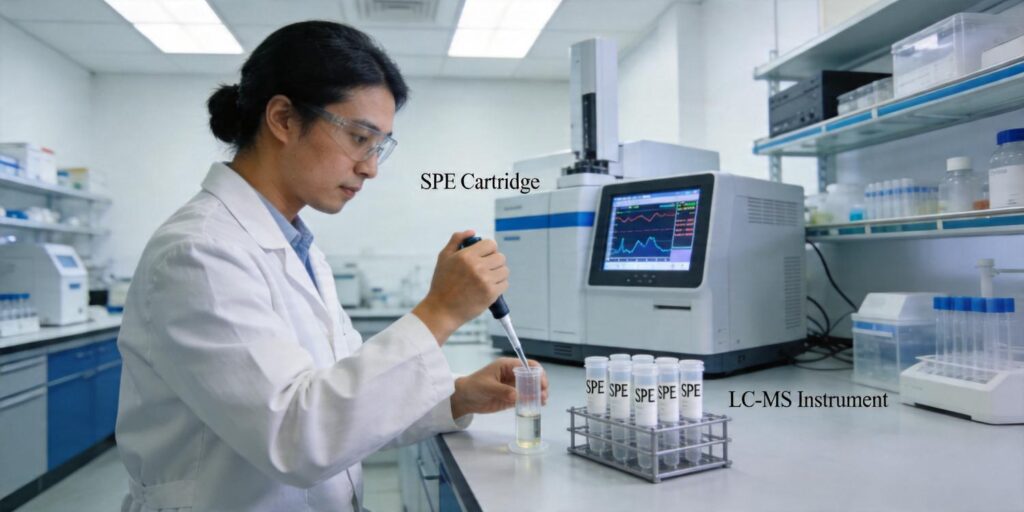
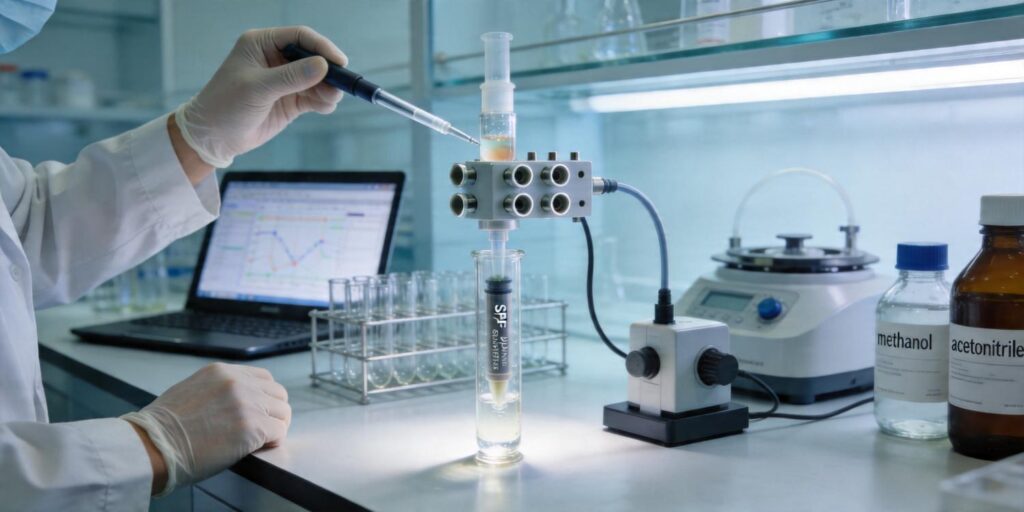
environmental laboratory SPE extraction

Environmental Pollutant Extraction Using SPE

Common Environmental Pollutants Extracted Using SPE Solid Phase Extraction (SPE) has become an indispensable tool for environmental monitoring, particularly for extracting trace-level pollutants from water matrices. The technique’s ability to concentrate analytes while removing matrix interferences makes it ideal for detecting contaminants at parts-per-billion (ppb) and parts-per-trillion (ppt) levels that are typical in environmental samples.

Environmental Pollutant Extraction Using SPE Read More »

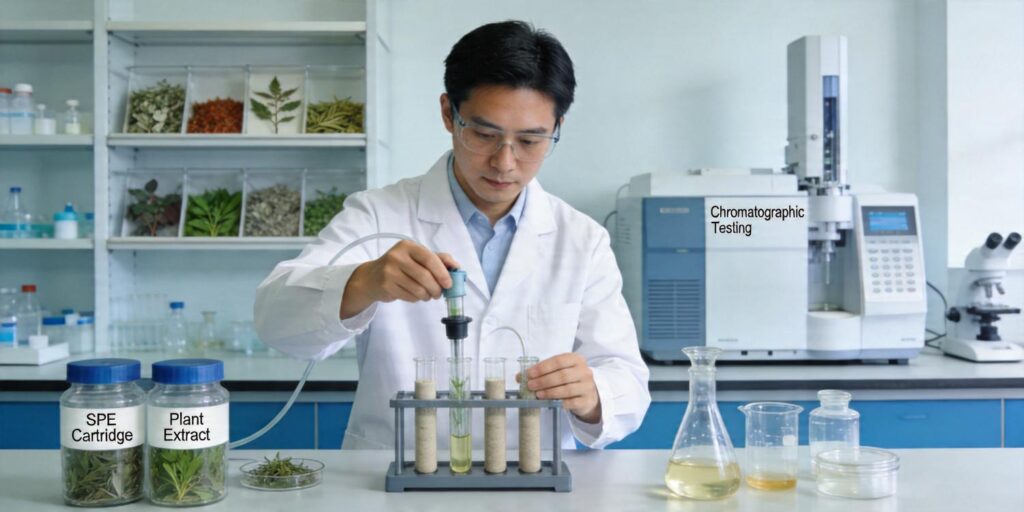
SPE extraction in food safety laboratory

SPE in Food Safety Testing

Contaminant Monitoring Overview in Food Safety Testing Solid Phase Extraction (SPE) has become an indispensable tool in modern food safety testing, particularly for contaminant monitoring across diverse food matrices. The technique’s ability to selectively isolate target analytes from complex food samples while removing interfering matrix components makes it ideal for regulatory compliance testing and quality

SPE in Food Safety Testing Read More »

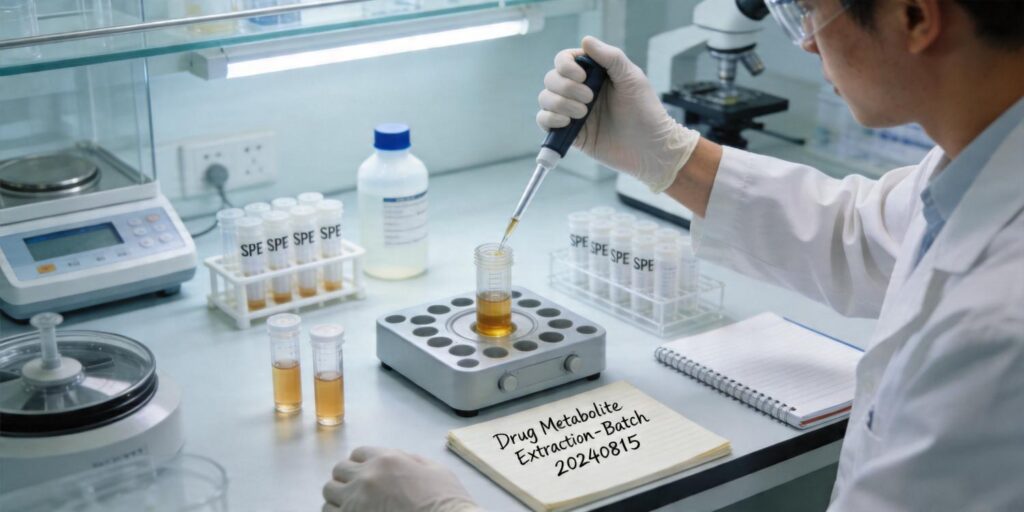
pharmaceutical lab SPE drug extraction

SPE for Pharmaceutical Drug Monitoring

Therapeutic Drug Monitoring Overview Therapeutic drug monitoring (TDM) represents a critical component of modern clinical pharmacology, enabling healthcare professionals to optimize medication efficacy while minimizing adverse effects. At its core, TDM involves measuring drug concentrations in biological fluids—typically plasma or serum—to ensure they remain within a therapeutic range. This practice has become particularly vital for

SPE for Pharmaceutical Drug Monitoring Read More »

SPE extraction in bioanalytical laboratory

Why SPE is Essential in Modern Bioanalysis

Bioanalytical Sample Challenges: The Complex Landscape Biological samples present one of the most challenging matrices in analytical chemistry. As noted in forensic and clinical applications, “Biological samples are notoriously dirty; injecting them with minimum cleanup onto very sensitive and expensive instruments makes very little sense.” This statement captures the fundamental challenge facing modern bioanalysts. Matrix

Why SPE is Essential in Modern Bioanalysis Read More »

scientist preparing drug metabolism samples using SPE

SPE in Drug Metabolism Studies

Role of SPE in Pharmacokinetics Solid Phase Extraction (SPE) has become an indispensable tool in modern pharmacokinetic studies, particularly in drug metabolism research. As noted in the literature, “Solid-phase extraction is widely used for the preparation of biological samples for further analysis in areas as diverse as clinical chemistry, forensic science, and biomedical and pharmaceutical

SPE in Drug Metabolism Studies Read More »

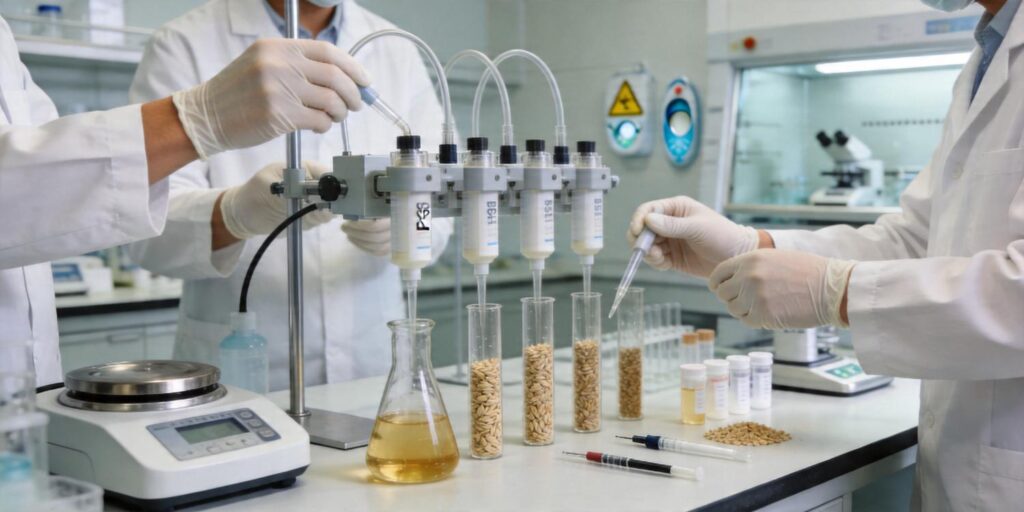
grain sample extraction for mycotoxin testing using SPE

Using SPE for Mycotoxin Detection

What Are Mycotoxins? Mycotoxins are toxic secondary metabolites produced by various filamentous fungi that can contaminate agricultural commodities, particularly cereals, nuts, and spices. These naturally occurring toxins represent a significant threat to food safety and human health worldwide. The most concerning mycotoxins include aflatoxins (B1, B2, G1, G2), ochratoxin A, fumonisins, zearalenone, and deoxynivalenol, each

Using SPE for Mycotoxin Detection Read More »

laboratory performing veterinary drug extraction using SPE

SPE for Veterinary Drug Residue Analysis

Veterinary Drug Classes in Residue Analysis Veterinary drug residue analysis encompasses a diverse range of therapeutic classes that require specialized SPE approaches. According to Simpson and Wynne (2000), the primary drug classes targeted in veterinary screening include: Non-Steroidal Anti-Inflammatory Drugs (NSAIDs) Common NSAIDs like phenylbutazone, flunixin, and ketoprofen represent one of the most frequently encountered

SPE for Veterinary Drug Residue Analysis Read More »

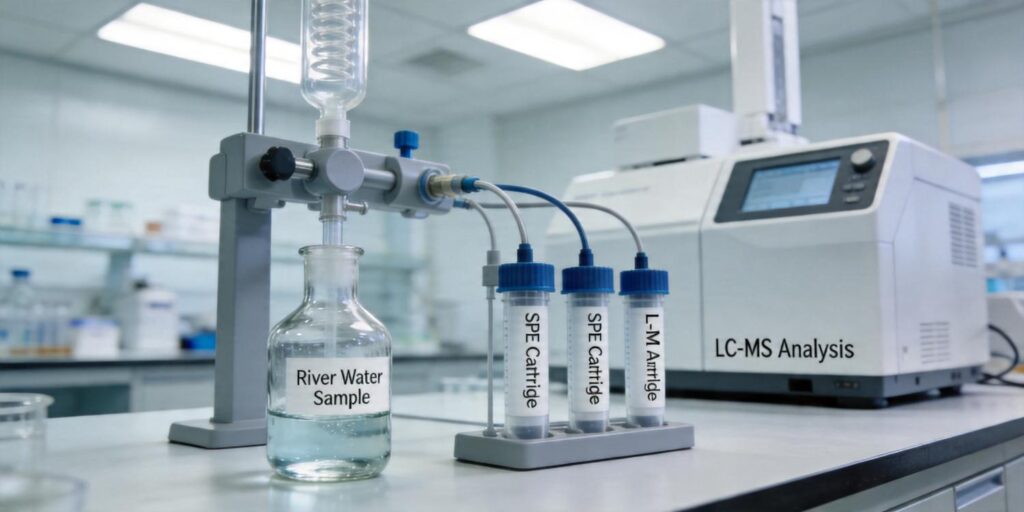
water sample extraction using SPE cartridge

Water Contaminant Monitoring Using SPE

Introduction to Water Contaminant Monitoring Water quality monitoring has become increasingly critical in environmental protection, public health, and regulatory compliance. With growing concerns about industrial pollution, agricultural runoff, and emerging contaminants, analytical laboratories face the challenge of detecting trace-level pollutants in complex aqueous matrices. Solid Phase Extraction (SPE) has emerged as the cornerstone technology for

Water Contaminant Monitoring Using SPE Read More »

environmental scientist preparing soil samples using SPE

Solid Phase Extraction for Soil Samples

Challenges of Soil Matrices in Solid Phase Extraction Soil samples present some of the most complex challenges for analytical chemists working with Solid Phase Extraction (SPE). Unlike clean aqueous samples, soil matrices contain a heterogeneous mixture of organic and inorganic components that can interfere with analyte recovery and complicate the extraction process. Complex Matrix Composition

Solid Phase Extraction for Soil Samples Read More »

Shopping Cart
Poseidon Scientific
Privacy Overview

This website uses cookies so that we can provide you with the best user experience possible. Cookie information is stored in your browser and performs functions such as recognising you when you return to our website and helping our team to understand which sections of the website you find most interesting and useful.