Applications

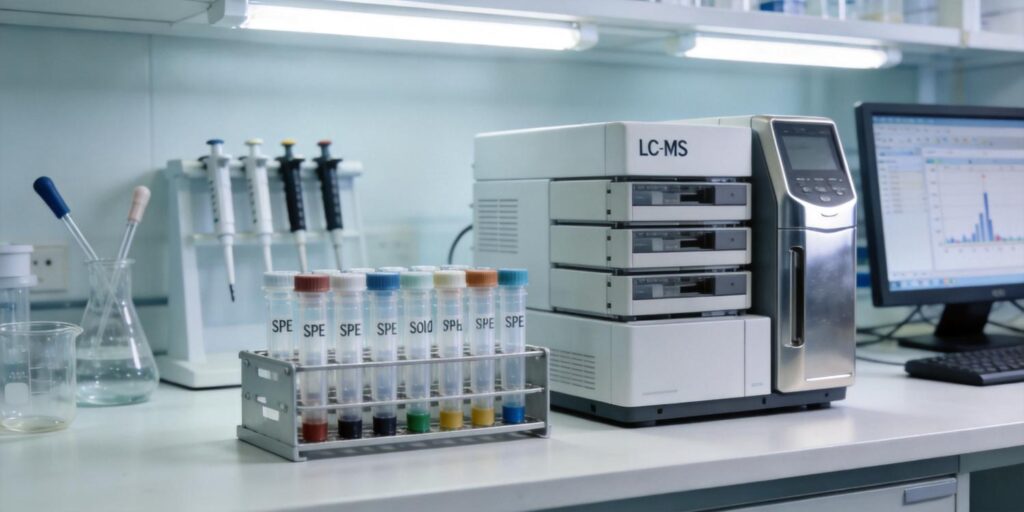
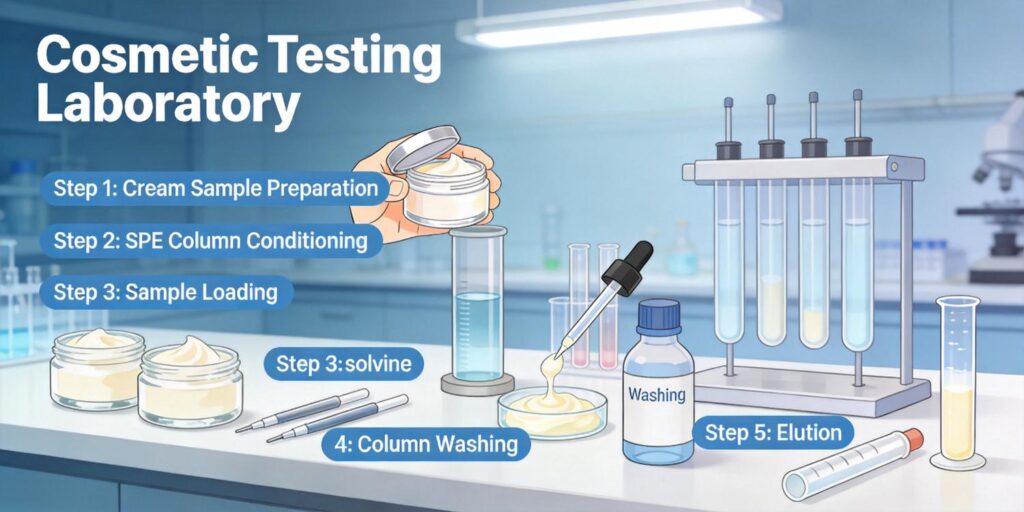
Laboratory SPE extraction used for cosmetic preservative analysis

SPE Cleanup of Cosmetic Products Prior to Preservative Analysis

Cosmetic products present a significant analytical challenge due to their complex formulations containing oils, surfactants, fragrances, pigments, and active ingredients. These matrices can severely interfere with the accurate quantification of preservatives such as parabens, phenoxyethanol, formaldehyde releasers, and isothiazolinones. Solid-phase extraction (SPE) provides an effective cleanup strategy to isolate target preservatives while removing interfering components, […]

SPE Cleanup of Cosmetic Products Prior to Preservative Analysis Read More »
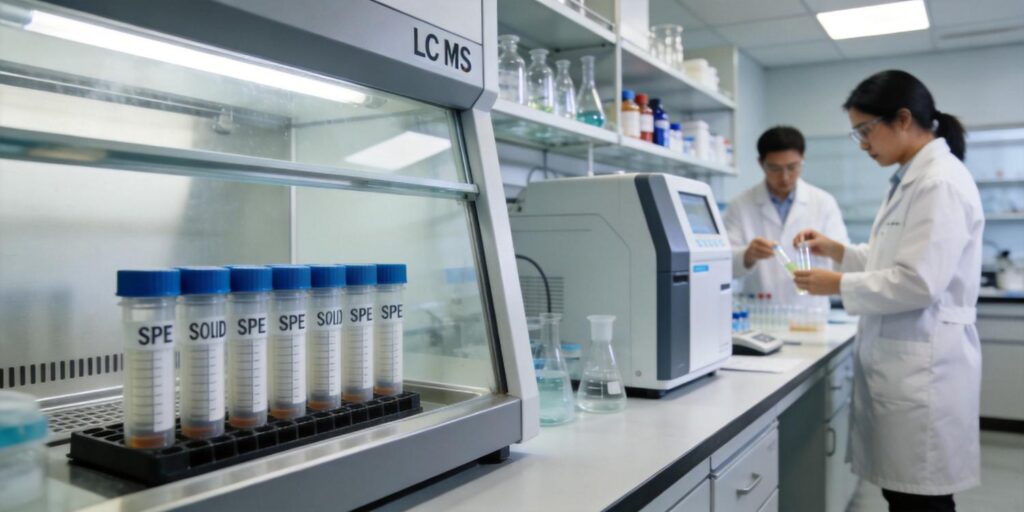
Laboratory SPE extraction used for monitoring illicit drugs in wastewater

Detecting Illicit Drugs in Wastewater Using SPE Monitoring

Wastewater Epidemiology: A Window into Community Drug Use Wastewater-based epidemiology (WBE) has emerged as a powerful, non-invasive tool for monitoring community-level consumption of illicit drugs and pharmaceuticals. By analyzing specific biomarkers—typically drug metabolites excreted in urine—in influent wastewater, researchers can estimate drug use trends in near real-time. This approach complements traditional survey methods, offering objective,

Detecting Illicit Drugs in Wastewater Using SPE Monitoring Read More »

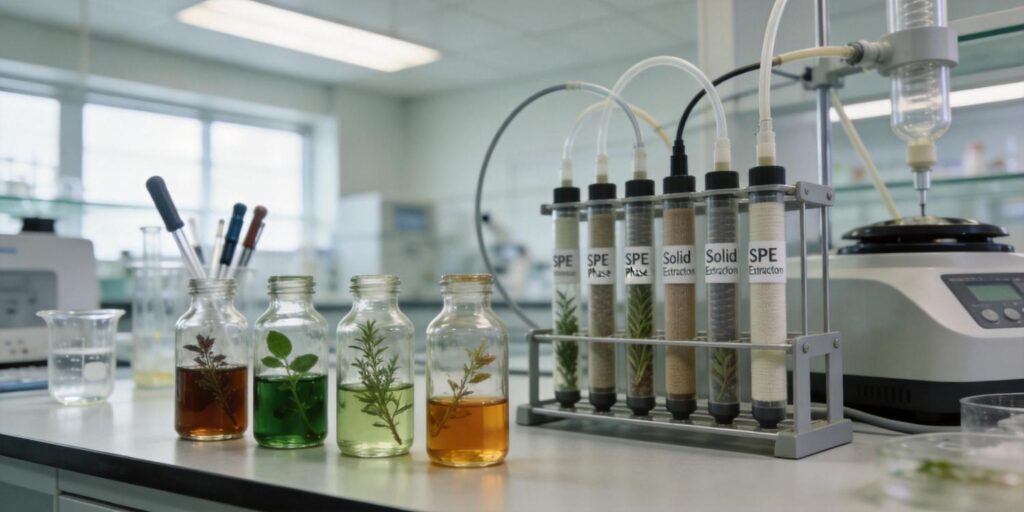
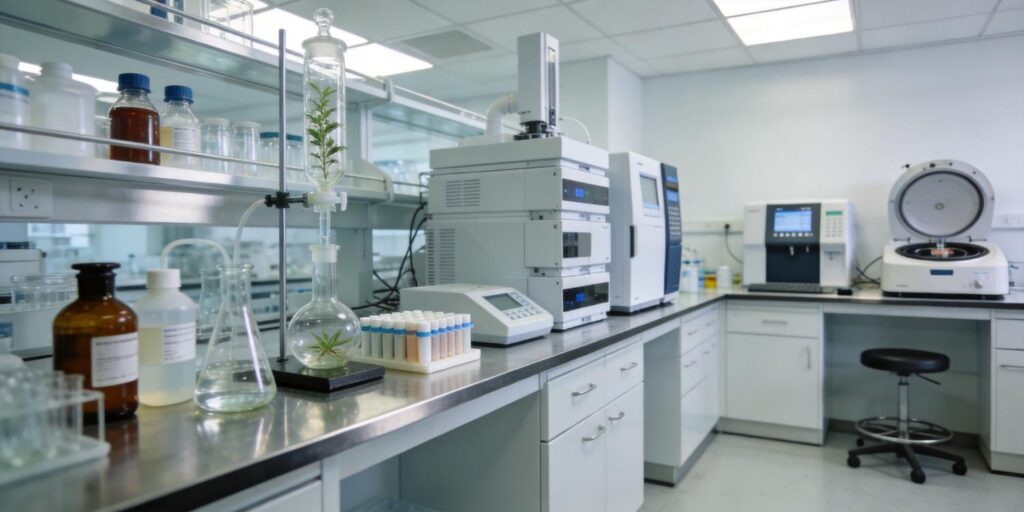
Laboratory SPE extraction of phenolic compounds from plant samples

SPE Extraction of Phenolic Compounds from Plant Extracts

The Challenge of Phenolic Compounds in Plant Extracts Phenolic compounds are secondary metabolites widely distributed in plants, recognized for their antioxidant, anti-inflammatory, and antimicrobial properties. They play critical roles in human health, contributing to the prevention of cardiovascular diseases, cancers, and neurodegenerative disorders. However, their extraction from complex plant matrices—which contain sugars, organic acids, pigments,

SPE Extraction of Phenolic Compounds from Plant Extracts Read More »

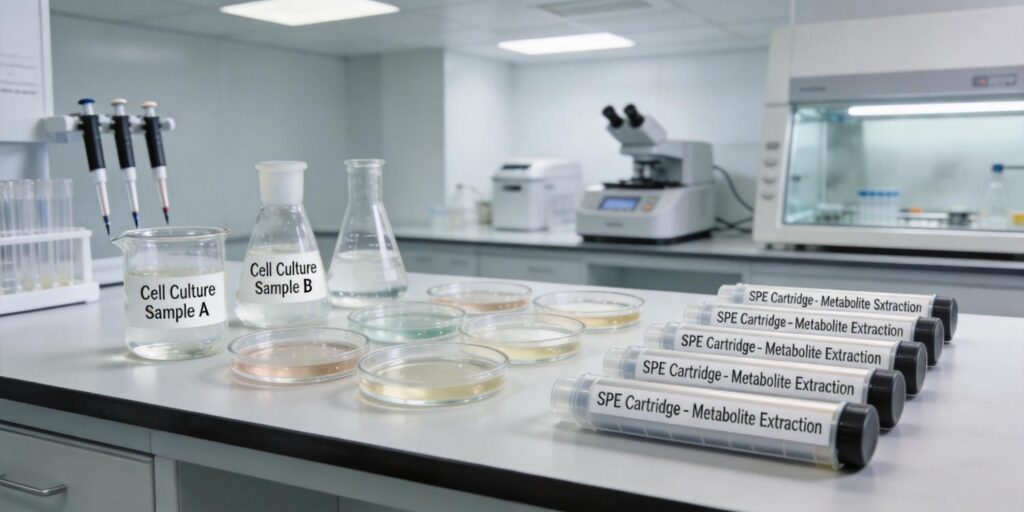
Biomedical laboratory SPE extraction of metabolites from cell culture samples

Extraction of Metabolites from Cell Culture Media Using SPE

The Critical Role of Metabolomics in Cell Culture Research Metabolomics provides a functional readout of cellular states by profiling small-molecule metabolites in biological systems. In cell culture studies, analyzing the metabolome from conditioned media offers non-invasive access to extracellular metabolic activity, drug metabolism, and biomarker discovery. However, the complex matrix of cell culture media—rich in

Extraction of Metabolites from Cell Culture Media Using SPE Read More »

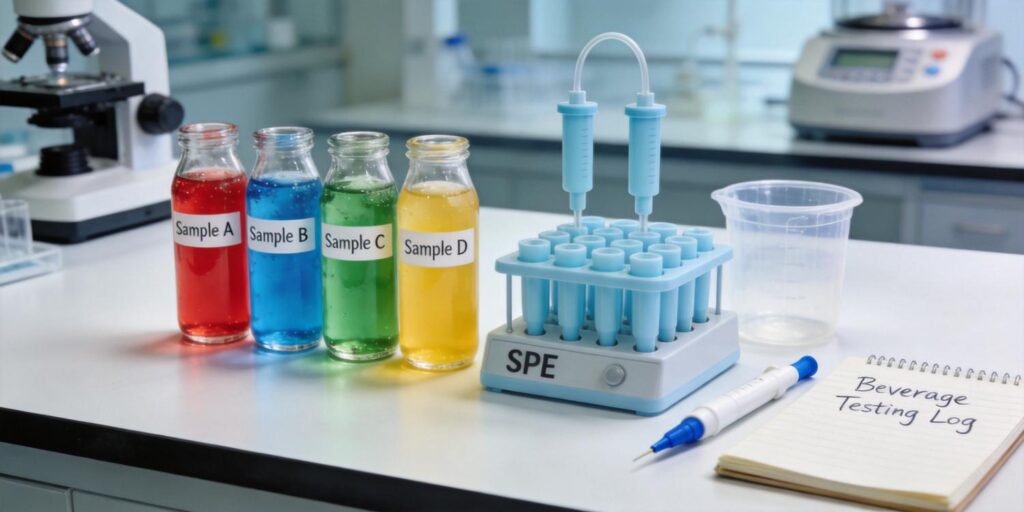
Laboratory SPE cleanup used to analyze colorants in beverage products

SPE Cleanup Method for Detecting Colorants in Beverage Products

Types of Synthetic Food Colorants Synthetic food colorants are widely used in beverages to enhance visual appeal and ensure product consistency. Common examples include Tartrazine (E102), Sunset Yellow (E110), Allura Red (E129), Brilliant Blue (E133), and Ponceau 4R (E124). These azo dyes and triarylmethane compounds are regulated by agencies like the FDA and EFSA, with

SPE Cleanup Method for Detecting Colorants in Beverage Products Read More »

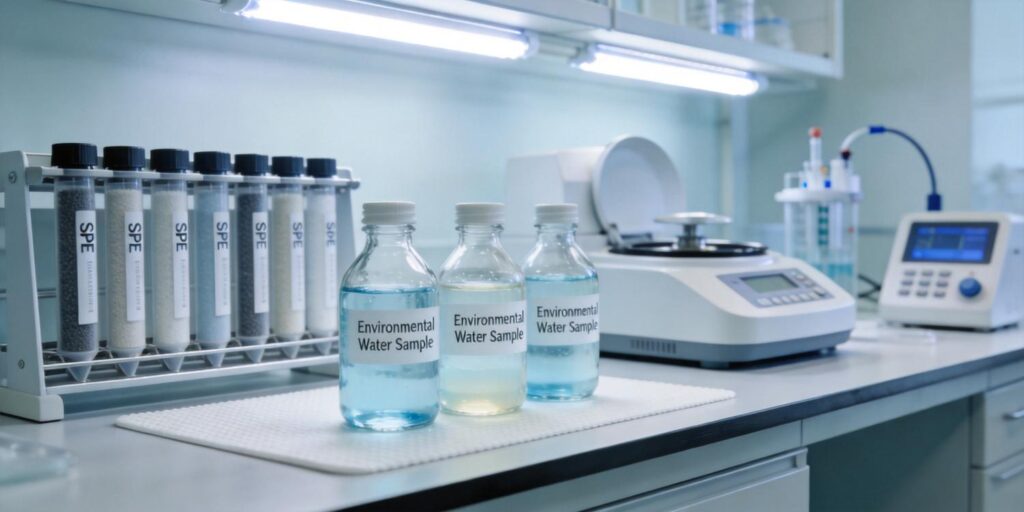
Laboratory SPE extraction of endocrine disrupting chemicals from water

SPE Strategy for Monitoring Hormone Disruptors in Environmental Samples

Overview of Endocrine Disrupting Chemicals Endocrine disrupting chemicals (EDCs) are exogenous compounds that interfere with the endocrine system, leading to adverse health effects in humans and wildlife. They include natural hormones like estrogens, synthetic compounds such as bisphenol A (BPA), phthalates, and persistent organic pollutants (POPs). The European Commission defines EDCs as substances that alter

SPE Strategy for Monitoring Hormone Disruptors in Environmental Samples Read More »

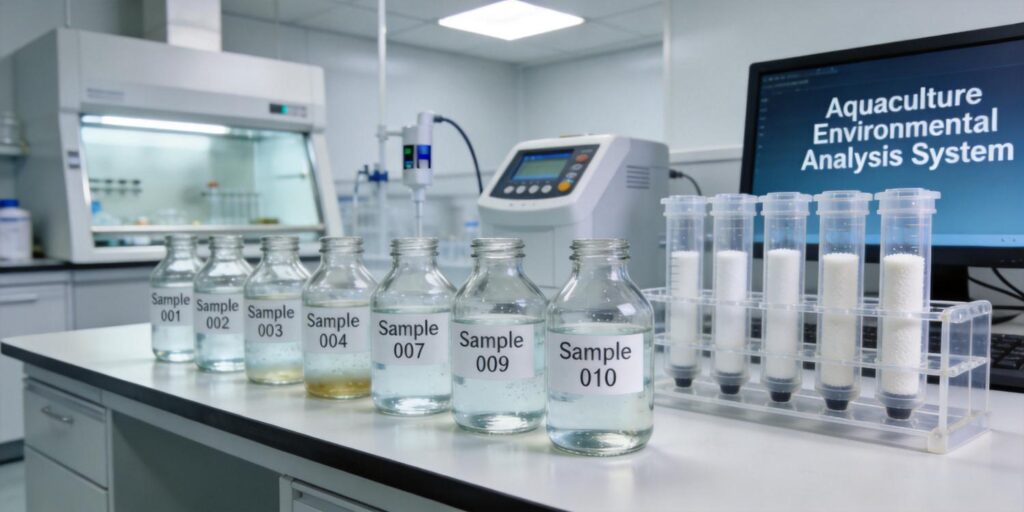
SPE extraction of antibiotic residues from aquaculture water samples

Extraction of Antibiotics from Aquaculture Water Samples Using SPE

Antibiotic Contamination in Aquaculture Aquaculture is a rapidly expanding sector of global food production, but its intensification has led to widespread use of antibiotics for disease prevention and growth promotion. This practice results in the release of antibiotic residues into surrounding water bodies through uneaten feed, fish excreta, and direct water discharge. These residues pose

Extraction of Antibiotics from Aquaculture Water Samples Using SPE Read More »

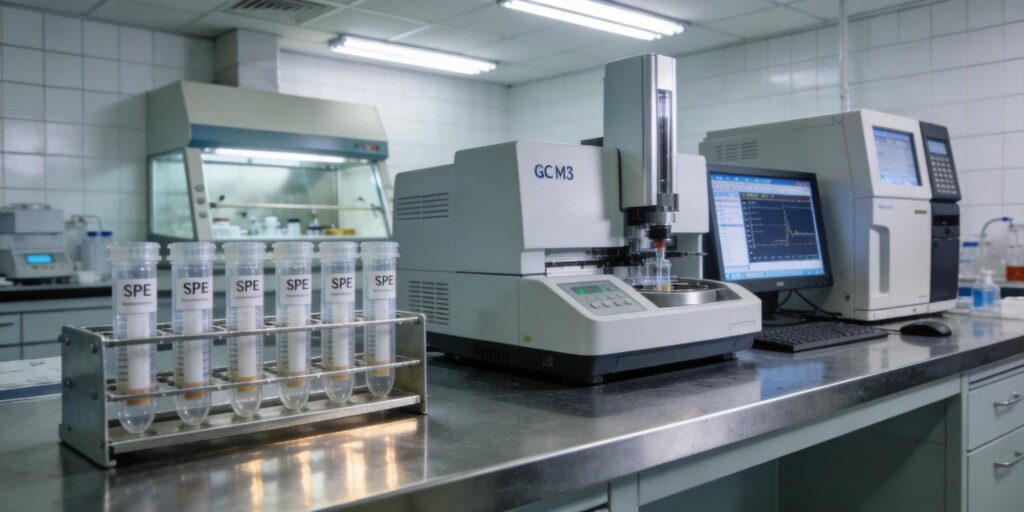
Environmental laboratory SPE extraction of PFAS from river water

Monitoring Perfluorinated Compounds in River Water Using SPE

Environmental Persistence of PFAS Per- and polyfluoroalkyl substances (PFAS) have garnered significant attention due to their extreme environmental persistence, bioaccumulation potential, and adverse health effects. These synthetic chemicals are widely used in industrial applications and consumer products for their water- and grease-resistant properties. Their carbon-fluorine bonds make them exceptionally stable, resisting degradation in the environment.

Monitoring Perfluorinated Compounds in River Water Using SPE Read More »

Laboratory SPE cleanup process for botanical extract samples

Using SPE to Remove Matrix Interference in Botanical Extract Analysis

Understanding the Complexity of Botanical Matrices Botanical extracts present significant analytical challenges due to their complex chemical composition. These matrices often contain hundreds of compounds, including primary metabolites (sugars, proteins, lipids) and secondary metabolites (alkaloids, flavonoids, terpenes, phenolics). Such diversity leads to substantial matrix interference in LC-MS or GC-MS analyses, manifesting as ion suppression or

Using SPE to Remove Matrix Interference in Botanical Extract Analysis Read More »

Forensic lab extraction of drug compounds using MCX SPE cartridges

SPE Method for Isolation of Basic Drugs from Forensic Samples

1. Forensic Toxicology Sample Matrices Forensic toxicology samples often include whole blood, urine, oral fluid, hair, and tissue homogenates. These biological matrices are complex, containing proteins, lipids, salts, and endogenous compounds that can interfere with drug analysis. The diversity of matrices poses a challenge for selective isolation of target analytes. Solid-phase extraction (SPE) is the

SPE Method for Isolation of Basic Drugs from Forensic Samples Read More »

Shopping Cart
Poseidon Scientific
Privacy Overview

This website uses cookies so that we can provide you with the best user experience possible. Cookie information is stored in your browser and performs functions such as recognising you when you return to our website and helping our team to understand which sections of the website you find most interesting and useful.