Applications

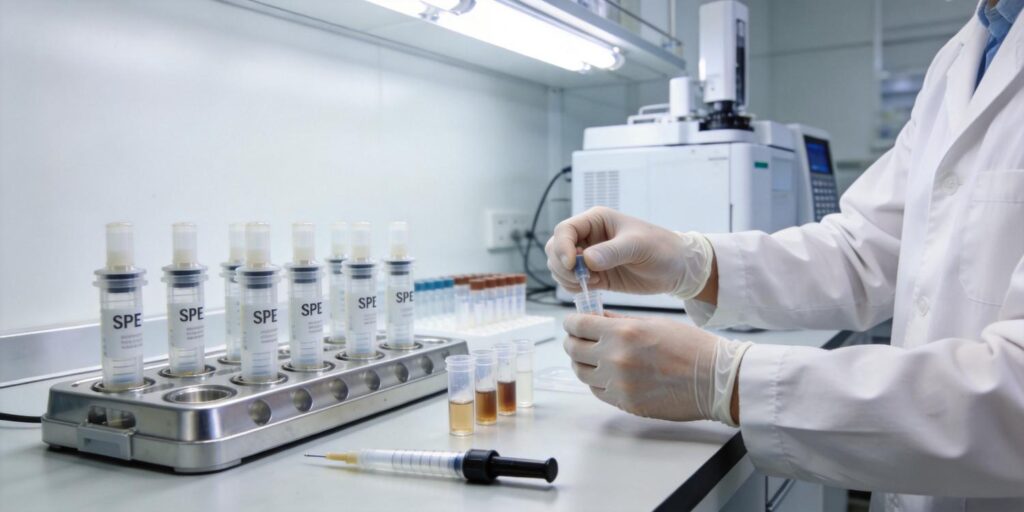
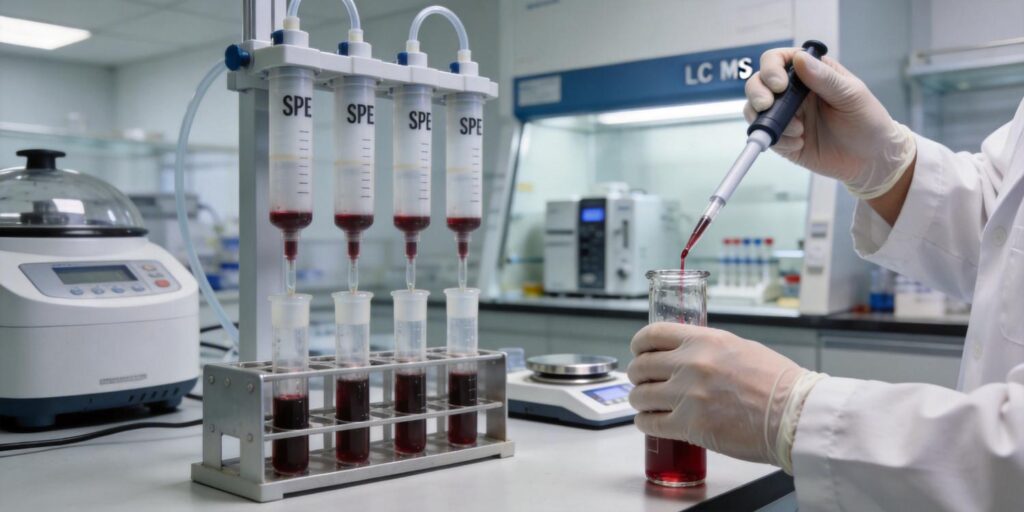
SPE cartridge extracting drugs from blood samples for toxicology testing

Sample Preparation of Blood Samples for Drug Toxicology Using SPE

Role of SPE in Forensic and Clinical Toxicology Solid-phase extraction (SPE) has emerged as a cornerstone technology in both forensic and clinical toxicology laboratories, revolutionizing how blood samples are prepared for drug analysis. The technique’s utility stems from its ability to achieve high selectivities and recoveries while minimizing hazardous solvent consumption. In systematic toxicological analysis […]

Sample Preparation of Blood Samples for Drug Toxicology Using SPE Read More »
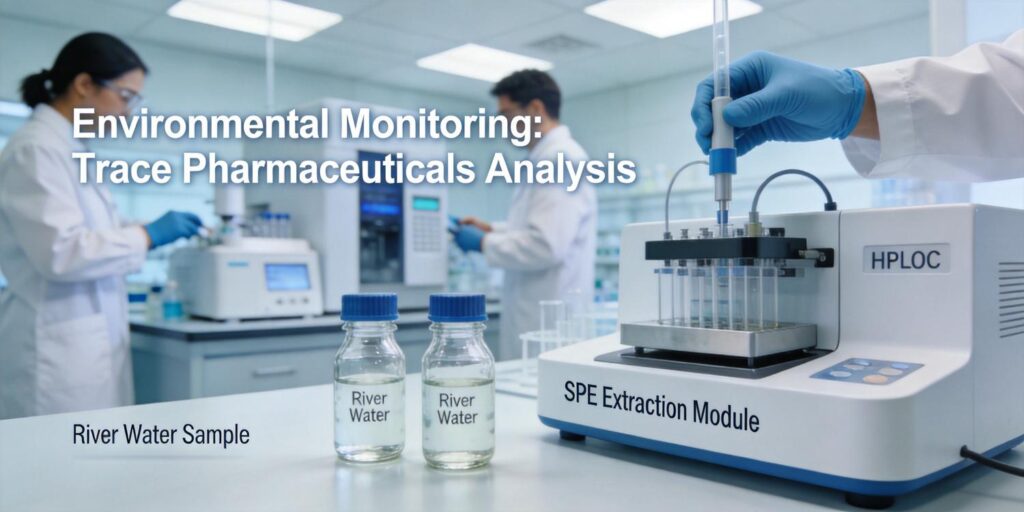
SPE cartridge extracting pharmaceutical contaminants from surface water

Optimizing SPE for Trace Pharmaceutical Compounds in Surface Water

Environmental Sources of Pharmaceutical Contamination Pharmaceutical compounds enter surface water systems through multiple pathways, creating complex environmental monitoring challenges. The primary sources include wastewater treatment plant effluents, agricultural runoff containing veterinary pharmaceuticals, improper disposal of unused medications, and industrial discharges from pharmaceutical manufacturing facilities. These compounds persist in aquatic environments due to their designed biological

Optimizing SPE for Trace Pharmaceutical Compounds in Surface Water Read More »

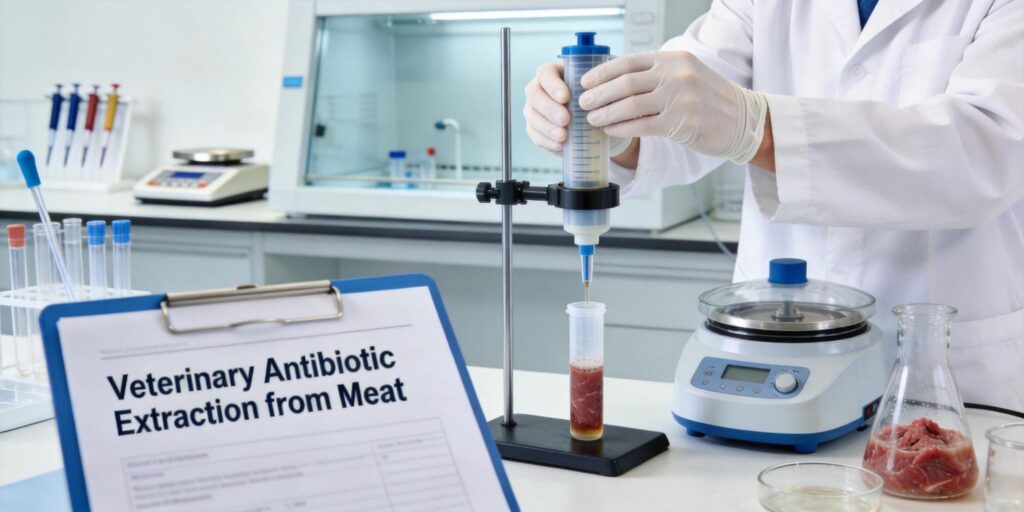
SPE cartridge extracting antibiotic residues from meat samples

Extraction of Veterinary Antibiotics from Meat Using SPE

Veterinary Antibiotics Commonly Found in Livestock Products The detection and quantification of veterinary antibiotic residues in meat products represents a critical analytical challenge for food safety laboratories worldwide. These compounds, administered to livestock for therapeutic purposes and growth promotion, can persist in animal tissues and pose potential health risks to consumers. The most frequently encountered

Extraction of Veterinary Antibiotics from Meat Using SPE Read More »

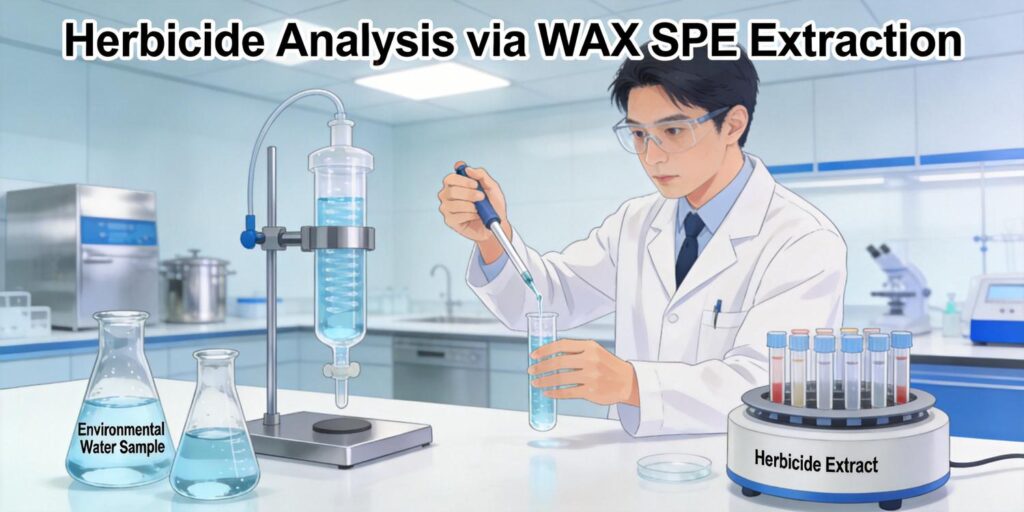
WAX SPE cartridge extracting herbicides from environmental water samples

Environmental Monitoring of Herbicides Using WAX SPE

Major Herbicides Monitored in Water Analysis Environmental monitoring programs for water quality routinely target a diverse range of herbicide classes due to their widespread agricultural use and potential for runoff into surface and groundwater. Among the most commonly monitored compounds are acidic herbicides, which present unique analytical challenges. These include phenoxy acid herbicides like 2,4-D,

Environmental Monitoring of Herbicides Using WAX SPE Read More »

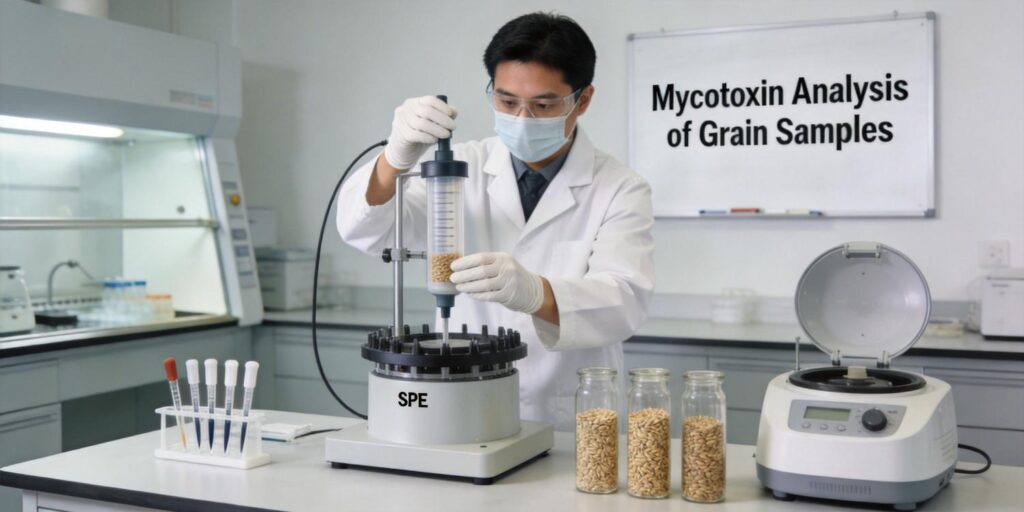
SPE cartridge extracting mycotoxins from grain samples

SPE Workflow for Trace Mycotoxin Analysis in Grain Samples

1. Major Mycotoxins Monitored in Grain Testing Grain safety testing programs worldwide focus on several critical mycotoxins that pose significant health risks to humans and animals. The primary mycotoxins monitored in grain samples include aflatoxins (AFLA B1, B2, G1, G2), ochratoxin A, fumonisins (B1, B2), deoxynivalenol (DON), zearalenone, and T-2/HT-2 toxins. Among these, aflatoxin B1

SPE Workflow for Trace Mycotoxin Analysis in Grain Samples Read More »

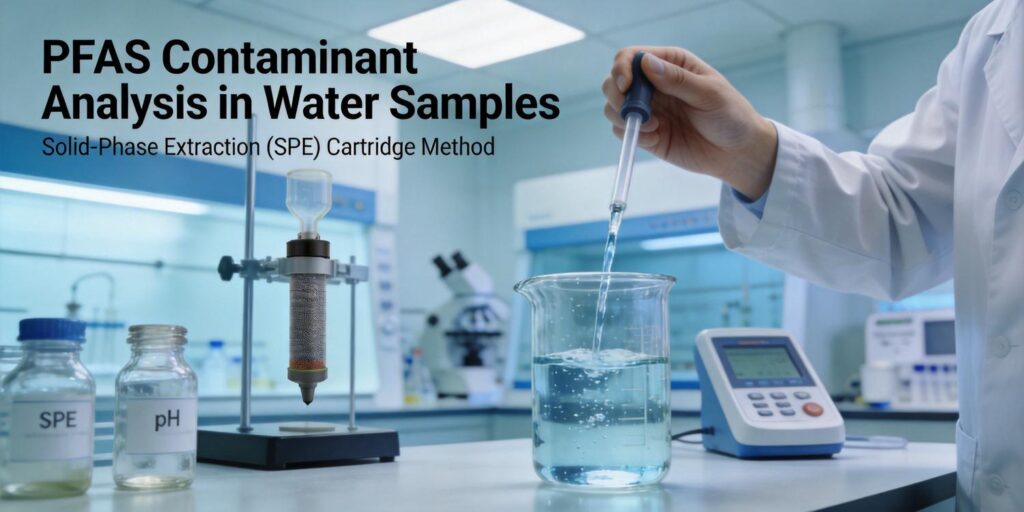
SPE cartridge extracting PFAS contaminants from environmental water samples

SPE Sample Preparation for PFAS Analysis in Environmental Water

Introduction to PFAS Contamination Concerns Per- and polyfluoroalkyl substances (PFAS) represent one of the most challenging environmental contaminants facing analytical chemists today. These synthetic chemicals, characterized by their strong carbon-fluorine bonds, have been widely used in industrial applications and consumer products for decades. Their persistence in the environment, bioaccumulation potential, and emerging evidence of health

SPE Sample Preparation for PFAS Analysis in Environmental Water Read More »

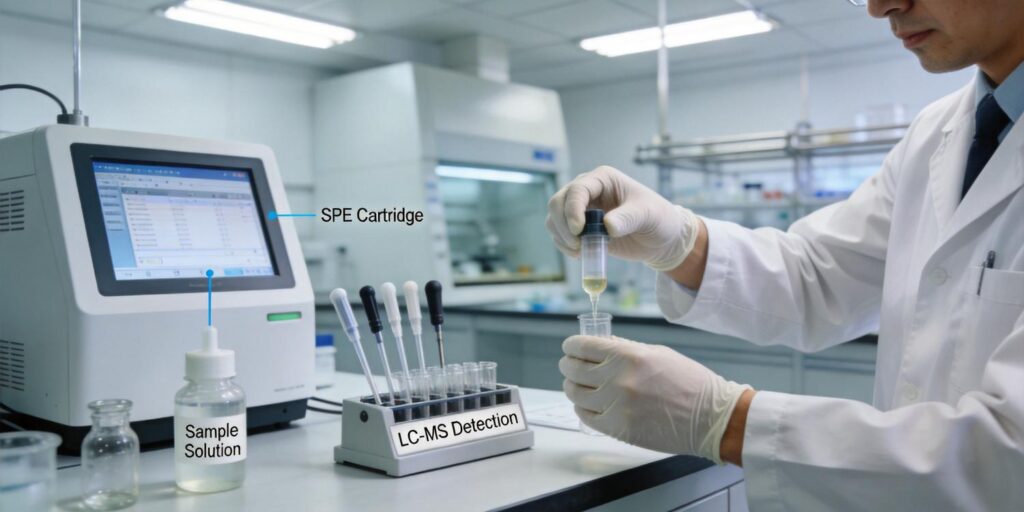
SPE cartridge preparation workflow for clinical toxicology analysis

LC-MS Compatible SPE Sample Preparation for Clinical Toxicology

Role of LC-MS in Clinical Toxicology Testing Liquid chromatography-mass spectrometry (LC-MS) has revolutionized clinical toxicology testing by providing unparalleled specificity, sensitivity, and throughput for drug screening and confirmation. Unlike traditional immunoassays that may suffer from cross-reactivity issues, LC-MS offers definitive identification and quantification of toxicological analytes through mass-to-charge ratio (m/z) measurements. The technique’s ability to

LC-MS Compatible SPE Sample Preparation for Clinical Toxicology Read More »

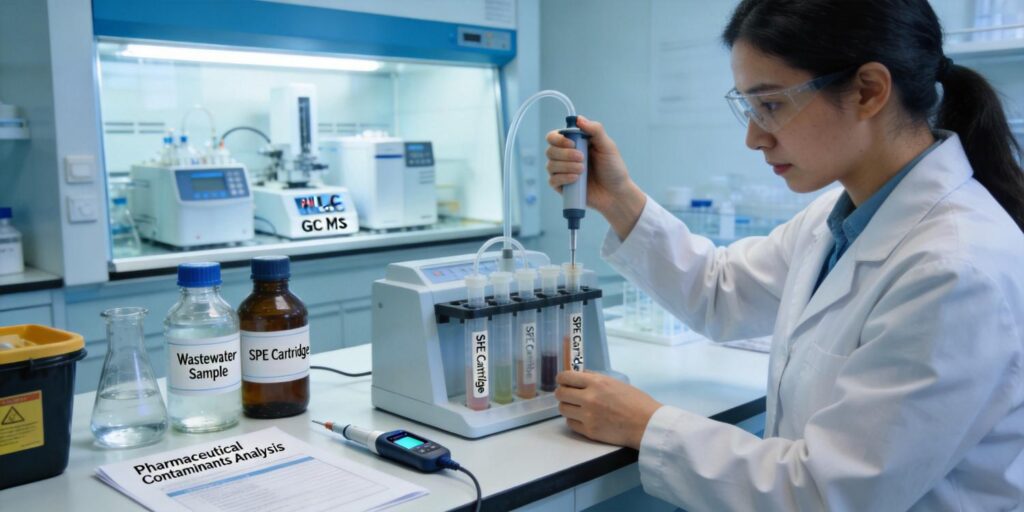
SPE cartridge extracting pharmaceutical contaminants from wastewater samples

SPE Workflow for Trace Pharmaceutical Contaminants in Wastewater

Pharmaceutical Contaminants Commonly Detected in Wastewater Wastewater analysis reveals a diverse array of pharmaceutical contaminants originating from human excretion, improper disposal, and manufacturing effluents. These compounds typically exist at trace concentrations (ng/L to μg/L) but pose significant environmental concerns due to their biological activity. Common classes include: Analgesics and Anti-inflammatories: Ibuprofen, diclofenac, naproxen, acetaminophen Antibiotics:

SPE Workflow for Trace Pharmaceutical Contaminants in Wastewater Read More »

SPE extraction workflow analyzing veterinary drug residues in food samples

SPE Sample Preparation for LC-MS Analysis of Veterinary Drugs

1. Veterinary Drugs Commonly Monitored in Food Products The analysis of veterinary drug residues in food products represents a critical component of food safety monitoring programs worldwide. These compounds span multiple therapeutic classes, each presenting unique analytical challenges for LC-MS detection. The most commonly monitored veterinary drugs include: Antibacterial Agents Sulfonamides (sulfamethazine, sulfadimethoxine), tetracyclines (oxytetracycline,

SPE Sample Preparation for LC-MS Analysis of Veterinary Drugs Read More »

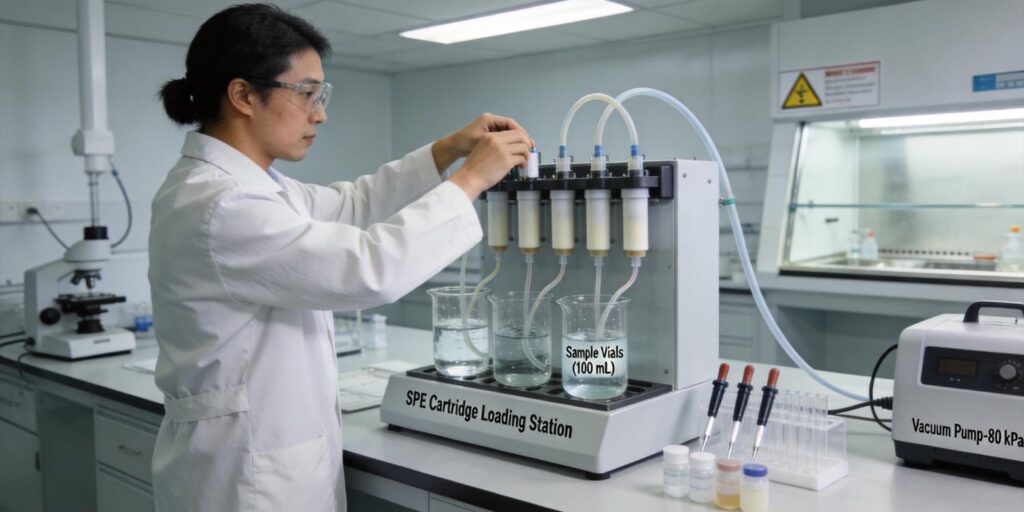
SPE cartridge concentrating trace contaminants from environmental water samples

Using SPE to Concentrate Trace Contaminants in Environmental Samples

Environmental Contaminants Monitored at Trace Levels Environmental monitoring programs routinely target contaminants at part-per-billion (ppb) and part-per-trillion (ppt) concentrations. These trace-level pollutants include pesticides (triazines, organophosphates, carbamates), pharmaceuticals, industrial chemicals (PCBs, PAHs, phenols), endocrine disruptors, and heavy metals. The challenge for analytical chemists is that these compounds exist at concentrations far below the detection limits

Using SPE to Concentrate Trace Contaminants in Environmental Samples Read More »

Shopping Cart
Poseidon Scientific
Privacy Overview

This website uses cookies so that we can provide you with the best user experience possible. Cookie information is stored in your browser and performs functions such as recognising you when you return to our website and helping our team to understand which sections of the website you find most interesting and useful.