Applications

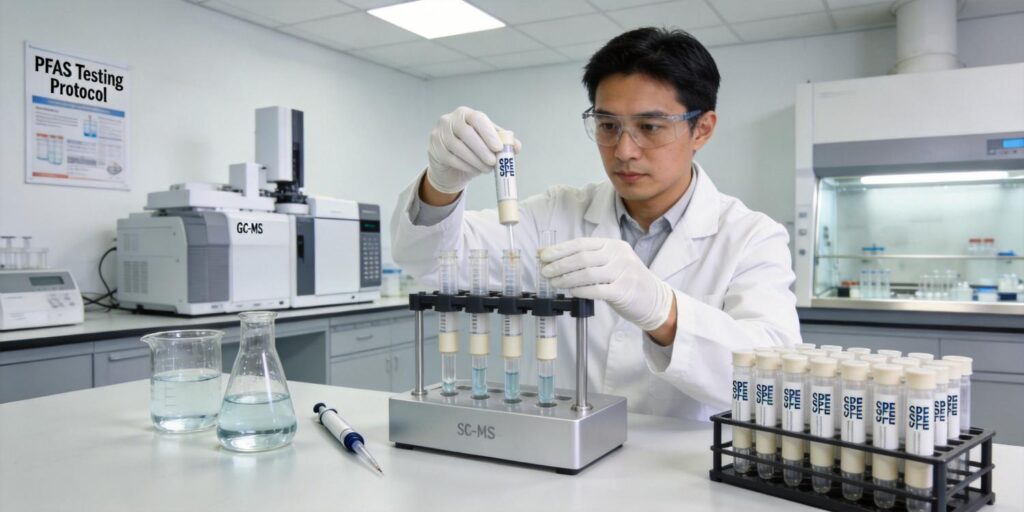
SPE cartridges extracting PFAS contaminants from environmental water samples

SPE Techniques for Extracting PFAS from Environmental Water

Overview of PFAS Contamination Concerns Per- and polyfluoroalkyl substances (PFAS) represent a growing environmental crisis that has captured global regulatory attention. These synthetic chemicals, characterized by their strong carbon-fluorine bonds, exhibit exceptional persistence in the environment and bioaccumulation potential. PFAS contamination in water sources stems from decades of industrial use in firefighting foams, non-stick coatings, […]

SPE Techniques for Extracting PFAS from Environmental Water Read More »
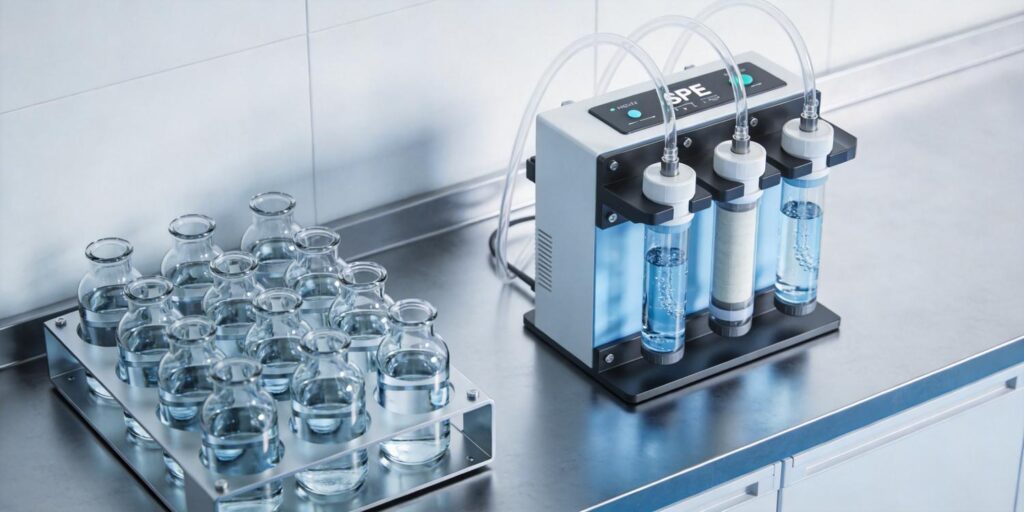
Environmental laboratory setup using SPE to concentrate pharmaceuticals from drinking water

SPE Workflows for Trace Pharmaceuticals in Drinking Water

Emerging Contaminants in Drinking Water Systems The detection of trace pharmaceuticals in drinking water has become a critical environmental concern over the past two decades. As research from Simpson and Wells (2000) demonstrates, SPE applications for environmental monitoring have grown substantially, with pharmaceuticals representing an emerging class of contaminants that challenge traditional analytical methods. These

SPE Workflows for Trace Pharmaceuticals in Drinking Water Read More »

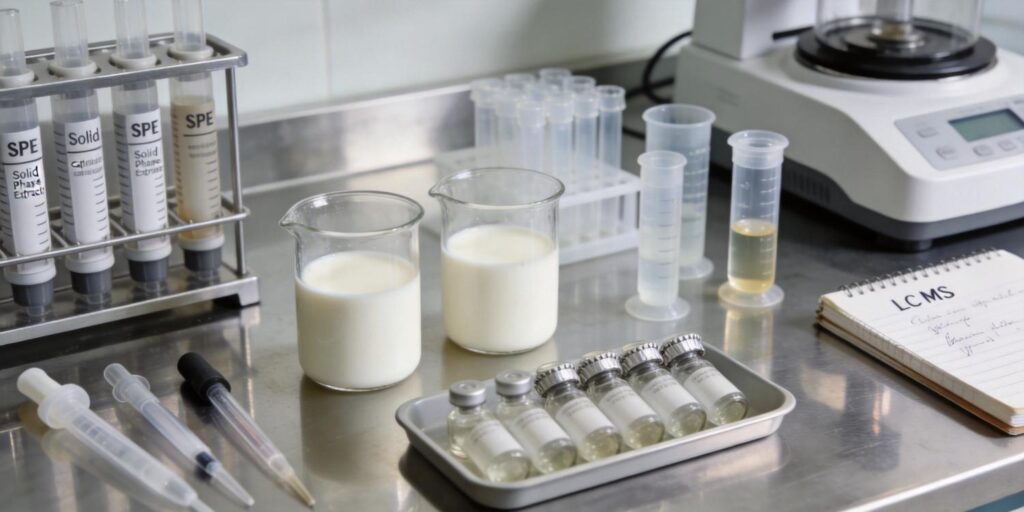
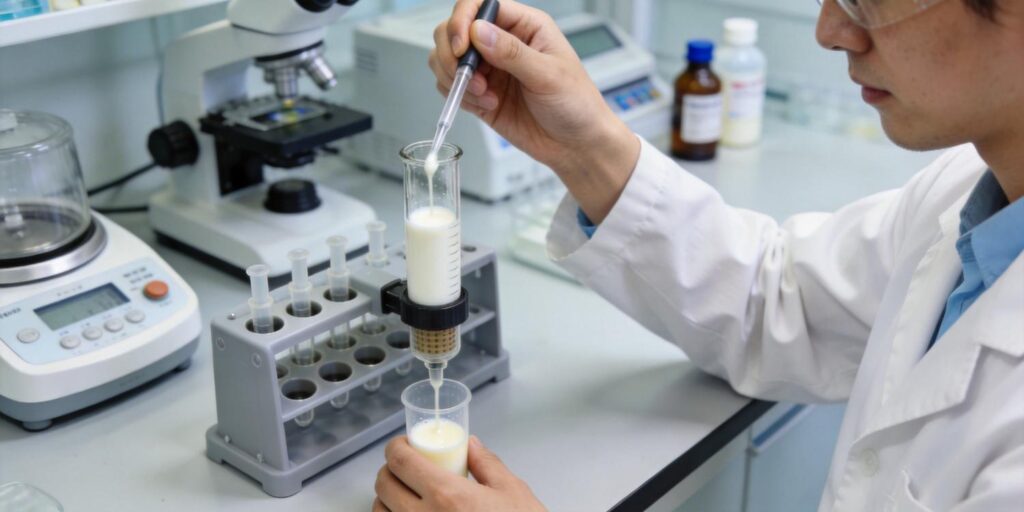
Laboratory workflow using SPE to analyze antibiotic residues in milk samples

SPE Sample Preparation for Antibiotic Residues in Milk

Regulatory Limits for Antibiotic Residues in Dairy Products Antibiotic residues in milk and dairy products are strictly regulated worldwide to ensure consumer safety and prevent antimicrobial resistance. Regulatory agencies including the FDA, EU Commission, and Codex Alimentarius establish Maximum Residue Limits (MRLs) for various antibiotic classes. These limits typically range from 4-100 μg/kg depending on

SPE Sample Preparation for Antibiotic Residues in Milk Read More »

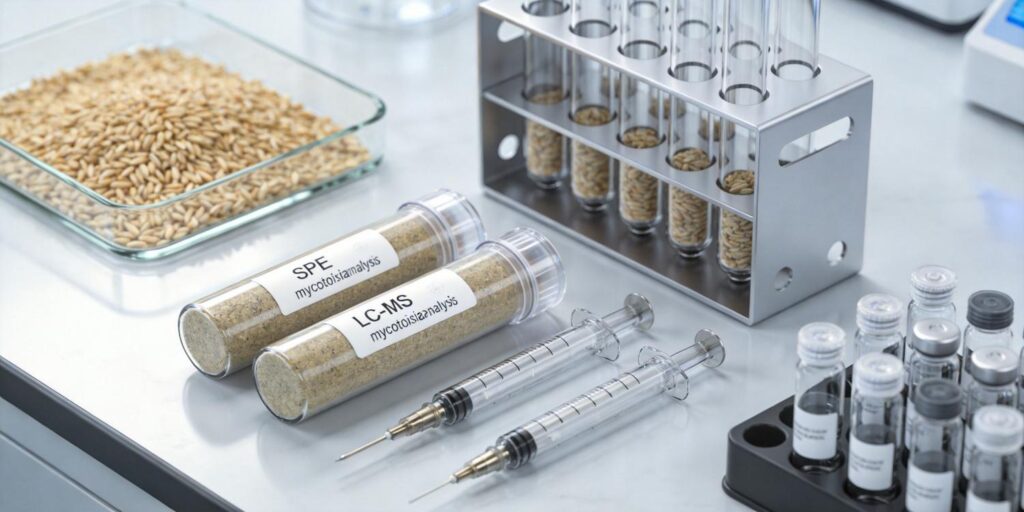
Solid phase extraction workflow for mycotoxin cleanup in grain laboratory testing

Optimizing SPE for Mycotoxin Analysis in Grain Samples

Overview of Common Mycotoxins in Grain Mycotoxin contamination in grain represents one of the most significant food safety challenges facing the agricultural and food processing industries. Among the hundreds of mycotoxins identified, three classes dominate grain contamination profiles: aflatoxins, deoxynivalenol (DON), and zearalenone (ZEA). Aflatoxins: The Carcinogenic Threat Aflatoxins, particularly B1, B2, G1, and G2,

Optimizing SPE for Mycotoxin Analysis in Grain Samples Read More »

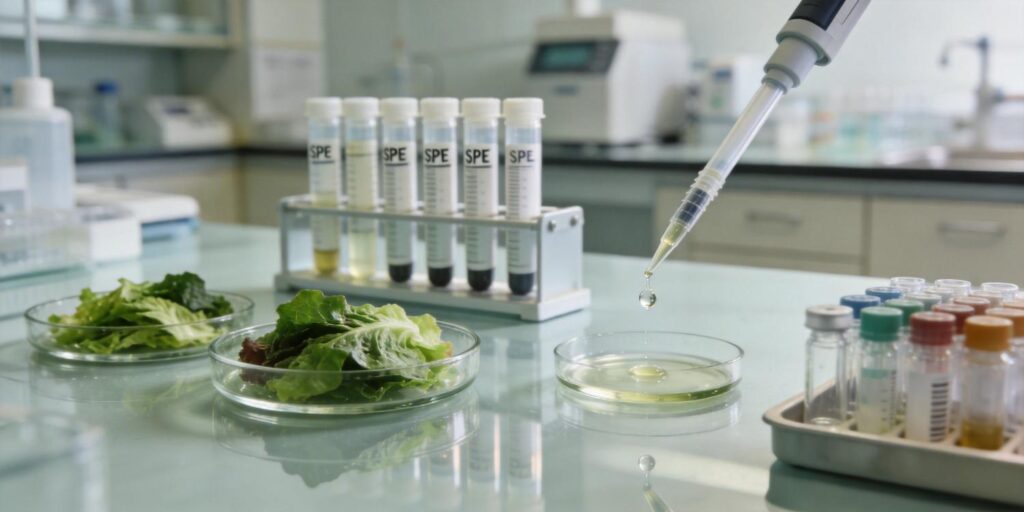
Solid phase extraction cleanup workflow for pesticide analysis in leafy vegetable samples

SPE Cleanup Strategies for Pesticide Residues in Leafy Vegetables

Challenges of Pesticide Residue Extraction from Leafy Matrices Leafy vegetables present unique analytical challenges for pesticide residue analysis due to their complex matrix composition. The primary interfering compounds include chlorophyll, plant waxes, pigments (carotenoids, anthocyanins), organic acids, sugars, and various other plant metabolites. These components can significantly interfere with chromatographic analysis and mass spectrometric detection,

SPE Cleanup Strategies for Pesticide Residues in Leafy Vegetables Read More »

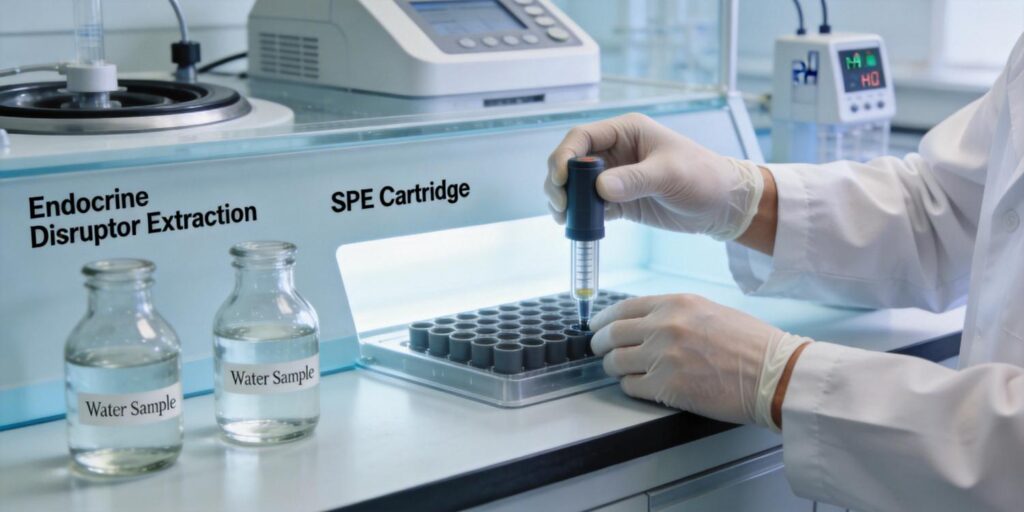
SPE cartridge extracting endocrine disrupting compounds from water

Extraction of Endocrine Disruptors from Water Using SPE

Overview of Endocrine Disrupting Compounds (EDCs) Endocrine disrupting compounds (EDCs) represent a diverse class of chemical contaminants that interfere with the normal functioning of the endocrine system in humans and wildlife. These compounds include pharmaceuticals, personal care products, pesticides, industrial chemicals, and natural hormones that can mimic, block, or alter hormonal signaling at extremely low

Extraction of Endocrine Disruptors from Water Using SPE Read More »

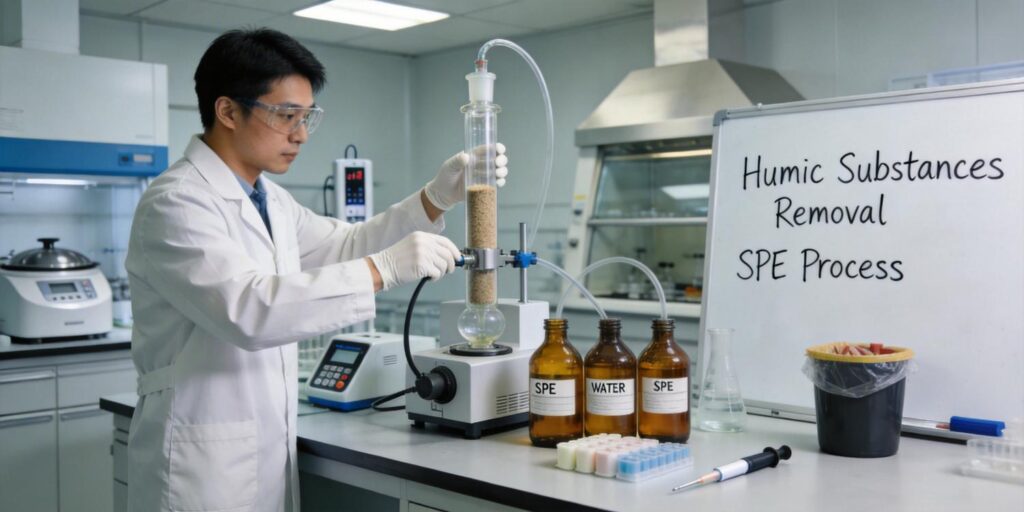
SPE cartridge removing humic substances from water samples

SPE Techniques for Removing Humic Substances from Water Samples

Nature of Humic Substances in Environmental Waters Humic substances represent a complex mixture of naturally occurring organic compounds formed through the decomposition of plant and animal matter in soil and aquatic environments. These substances, which include humic acids, fulvic acids, and humin, constitute the majority of dissolved organic matter (DOM) in natural waters. Their molecular

SPE Techniques for Removing Humic Substances from Water Samples Read More »

SPE cartridge extracting veterinary drug residues from milk

SPE Extraction of Veterinary Drug Residues from Milk

Overview of Veterinary Drugs Monitored in Dairy Testing Veterinary drug residue monitoring in milk represents a critical component of food safety programs worldwide. Regulatory agencies including the FDA, EU, and Codex Alimentarius establish maximum residue limits (MRLs) for various drug classes to ensure consumer protection. The primary veterinary drugs monitored in dairy testing fall into

SPE Extraction of Veterinary Drug Residues from Milk Read More »

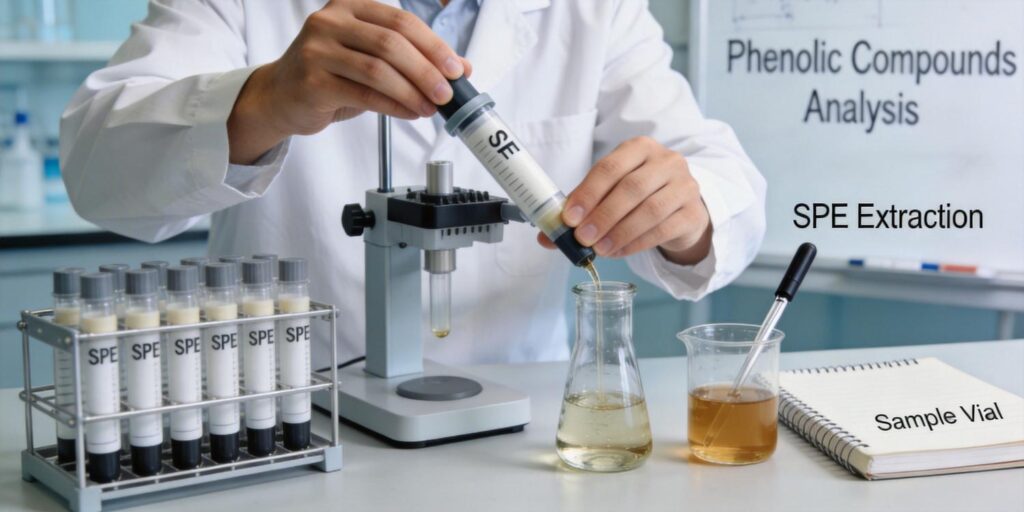
SPE cartridge extracting phenolic contaminants from water

Environmental Monitoring of Phenolic Compounds Using SPE

Sources of Phenolic Contaminants in Water Phenolic compounds represent a significant class of environmental contaminants with diverse industrial and natural origins. These compounds enter aquatic systems through multiple pathways, creating complex monitoring challenges for environmental scientists and regulatory agencies. Industrial sources constitute the primary anthropogenic contributors to phenolic contamination. Chemical manufacturing facilities, particularly those producing

Environmental Monitoring of Phenolic Compounds Using SPE Read More »

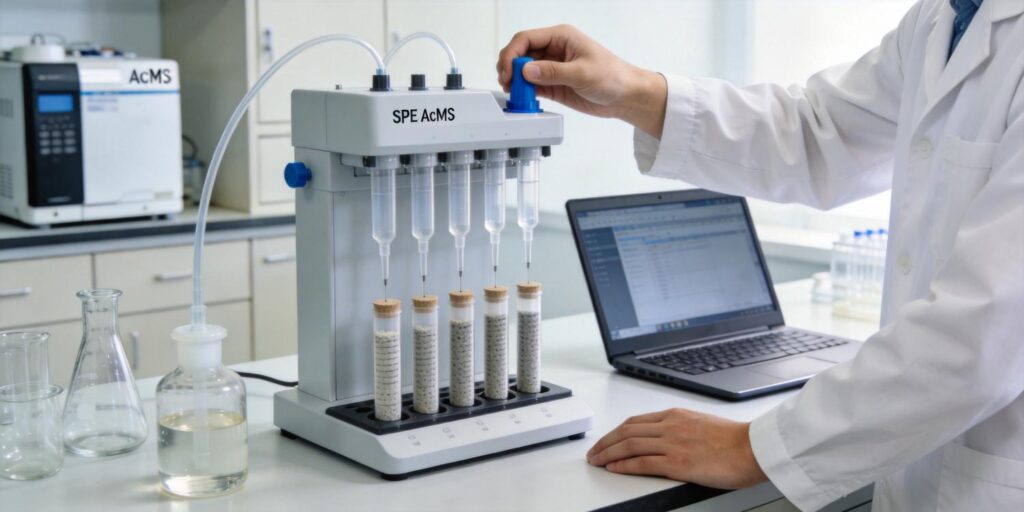
SPE cartridge concentrating trace pollutants from environmental samples

Using SPE to Preconcentrate Trace Organic Pollutants

Types of Trace Organic Pollutants in Environmental Samples Environmental monitoring laboratories routinely encounter a diverse array of trace organic pollutants that require preconcentration before analysis. These contaminants can be broadly categorized into several classes based on their chemical properties and environmental persistence. Pesticides and Herbicides Organochlorine pesticides such as DDT, lindane, and heptachlor represent some

Using SPE to Preconcentrate Trace Organic Pollutants Read More »

Shopping Cart
Poseidon Scientific
Privacy Overview

This website uses cookies so that we can provide you with the best user experience possible. Cookie information is stored in your browser and performs functions such as recognising you when you return to our website and helping our team to understand which sections of the website you find most interesting and useful.