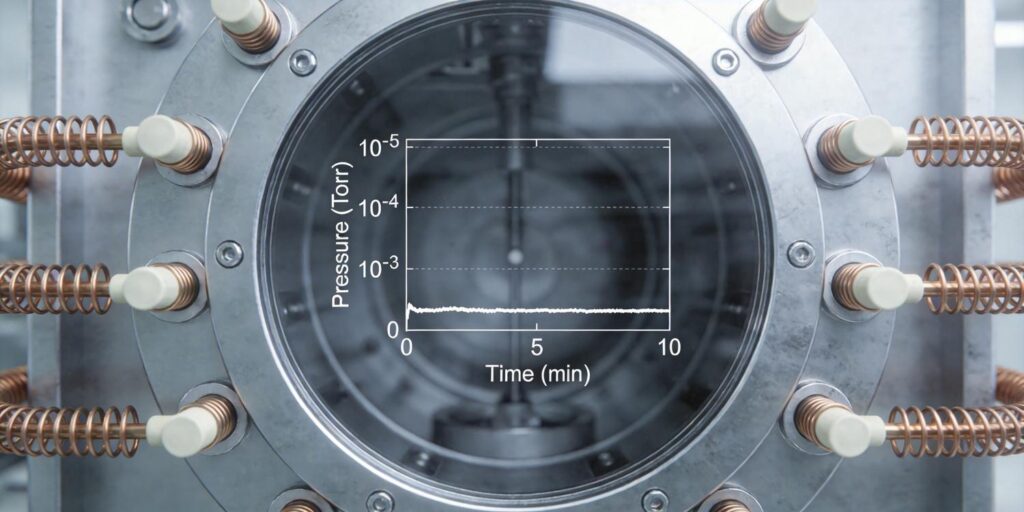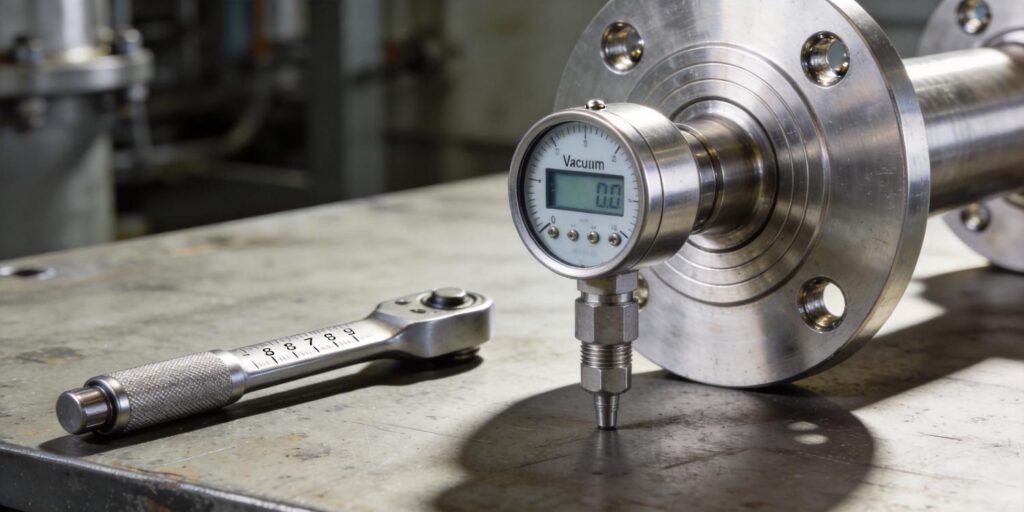
Vacuum Gauge

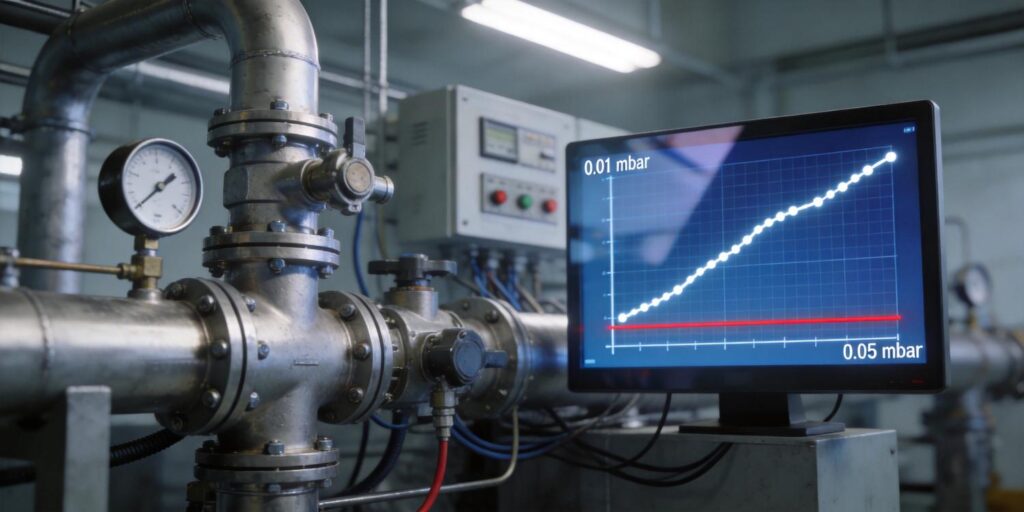
Vacuum gauge installed in humid industrial environment

Vacuum Gauge Performance in High Humidity Environments

In high-humidity environments—whether coastal manufacturing plants, tropical research labs, pharmaceutical cleanrooms with steam sterilization cycles, or outdoor vacuum test stands—moisture poses a silent threat to vacuum measurement accuracy and long-term reliability. Condensation, corrosion, and altered gas thermal conductivity can shift readings, trigger false alarms, or shorten sensor life. Poseidon Scientific’s VG-SP205 Pirani Vacuum Transmitter (atmosphere […]

Vacuum Gauge Performance in High Humidity Environments Read More »

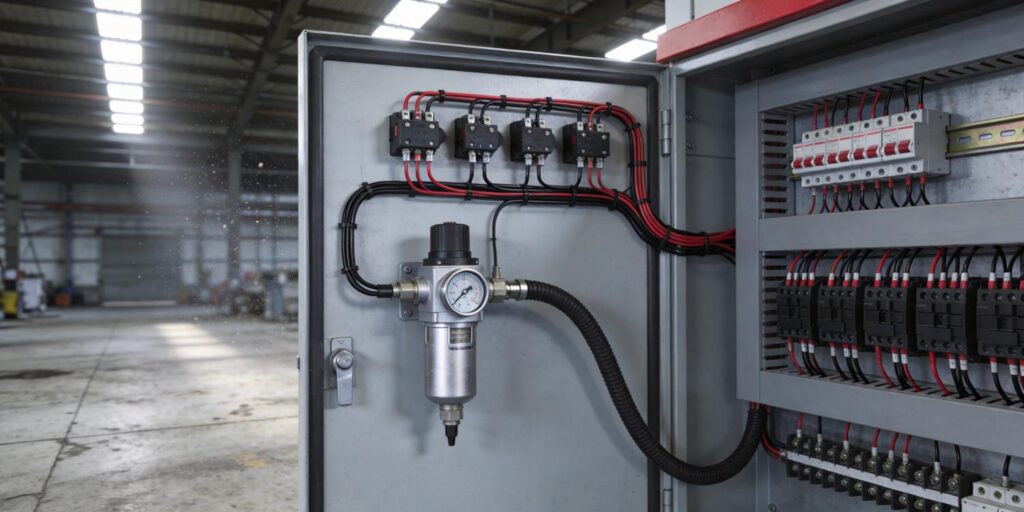
Maintenance checklist beside installed vacuum gauge

How to Build a Preventive Maintenance Plan for Vacuum Gauges

In vacuum-dependent industries—from semiconductor PVD tools and pharmaceutical lyophilizers to vacuum metallurgy furnaces and aerospace test chambers—preventive maintenance of vacuum gauges is not optional. It is the difference between predictable uptime and costly unplanned downtime. A single contaminated or drifted gauge can invalidate an entire batch, extend cycle times, or trigger false interlocks. Poseidon Scientific

How to Build a Preventive Maintenance Plan for Vacuum Gauges Read More »

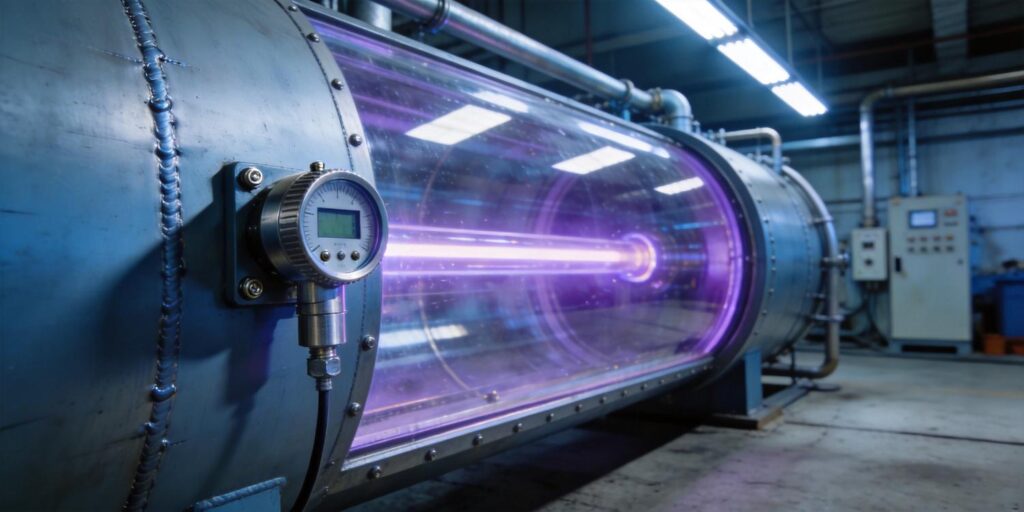
Vacuum gauges installed on aerospace testing chamber

Vacuum Measurement Challenges in Aerospace Testing

Aerospace testing facilities—whether NASA, ESA, or commercial satellite manufacturers—rely on vacuum chambers to replicate the harsh environment of space. From thermal vacuum cycling of spacecraft components to propulsion system qualification and materials outgassing studies, the accuracy and reliability of vacuum measurement directly affect test validity, certification timelines, and mission success. A single erroneous pressure reading

Vacuum Measurement Challenges in Aerospace Testing Read More »

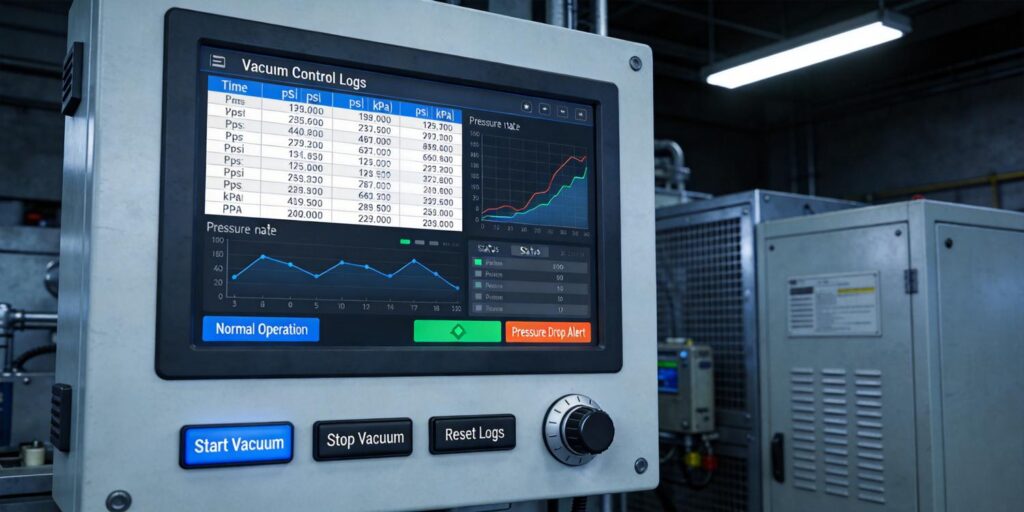
MES screen displaying real-time vacuum data

Vacuum Gauge Integration into MES Systems

In today’s smart factories, Manufacturing Execution Systems (MES) serve as the digital backbone that connects shop-floor equipment to enterprise resource planning (ERP) and quality management platforms. For vacuum-dependent processes—whether in semiconductor fabrication, pharmaceutical lyophilization, vacuum metallurgy, or thin-film coating—real-time pressure data is not optional; it is a critical production parameter that directly affects yield, purity,

Vacuum Gauge Integration into MES Systems Read More »

Pirani vacuum transmitter mounted on roughing line

Optimizing Rough Vacuum Monitoring in Industrial Systems

In large-scale industrial vacuum systems—vacuum furnaces, PVD coating chambers, freeze-dryers, and metallurgy lines—the rough vacuum stage sets the foundation for every successful process cycle. This is where the system transitions from atmosphere to the 10⁻³ Torr crossover point, where mechanical pumps hand off to high-vacuum pumps. Pressure must be monitored accurately, quickly, and reliably to

Optimizing Rough Vacuum Monitoring in Industrial Systems Read More »

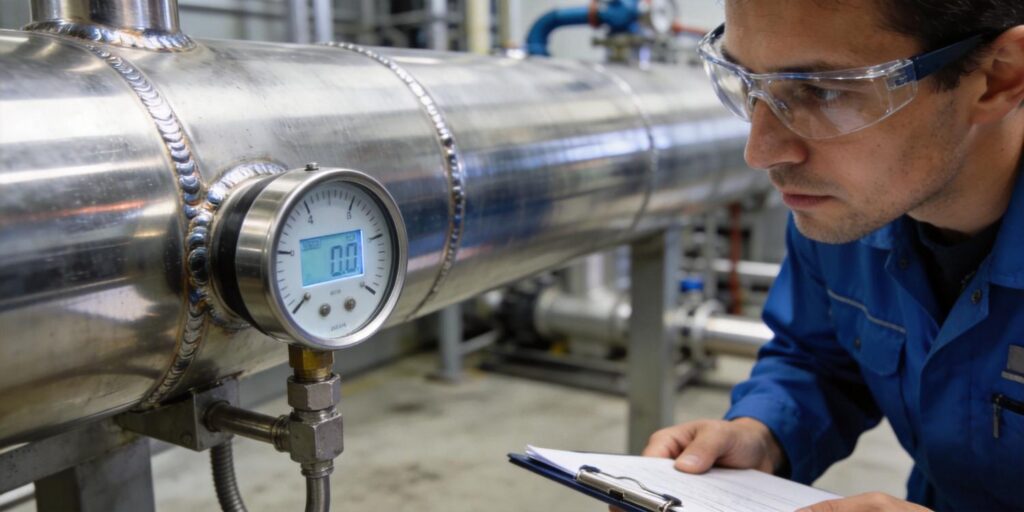
Vacuum gauge signal shown as error range on control panel

Vacuum Gauge Output Error Range Explained

In vacuum systems for mass spectrometry, thin-film deposition, vacuum metallurgy, and pharmaceutical lyophilization, the pressure signal from your gauge is the single most important input to the control system. When that signal enters an error state—whether from sensor failure, over-range pressure, or communication dropout—the entire process can halt, waste batches, or trigger costly safety interlocks.

Vacuum Gauge Output Error Range Explained Read More »

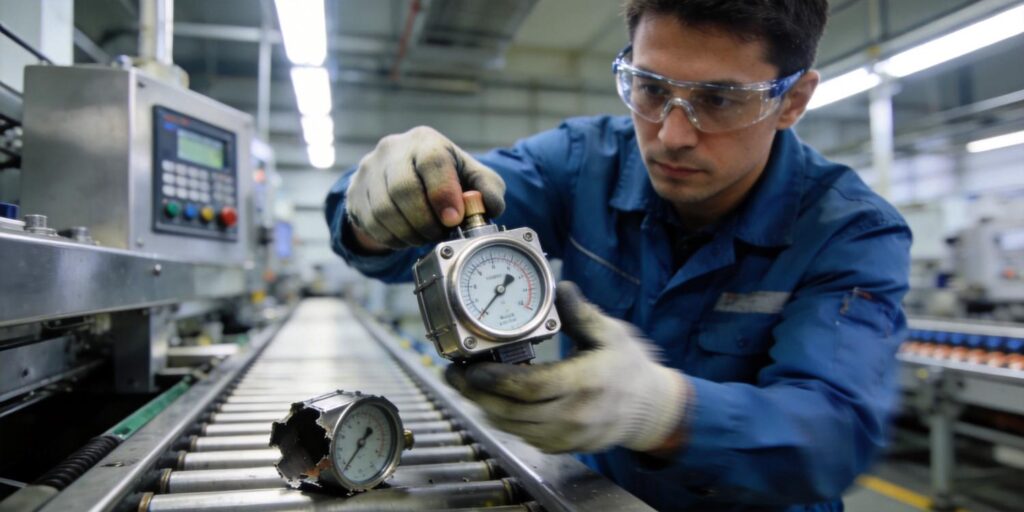
Technician polishing cold cathode electrode

Understanding Cold Cathode Electrode Cleaning Procedures

In high-vacuum systems for mass spectrometry, vacuum metallurgy, electron-beam welding, and thin-film deposition, the cold-cathode gauge is valued for its robustness and ability to measure down to 10⁻⁷ Torr without a fragile hot filament. Yet even the most durable cold-cathode design eventually requires attention. Contamination from metal vapors, hydrocarbons, or process by-products gradually coats the

Understanding Cold Cathode Electrode Cleaning Procedures Read More »

Vacuum gauge installed on thin film coating equipment

How Vacuum Gauges Improve Thin Film Uniformity

In thin-film deposition processes such as magnetron sputtering, electron-beam evaporation, and thermal evaporation, coating uniformity across the substrate is the difference between a functional device and scrap. Variations as small as 5 % in thickness can degrade optical performance, reduce semiconductor yield, or compromise adhesion in protective coatings. While substrate rotation, target power, and source-to-substrate

How Vacuum Gauges Improve Thin Film Uniformity Read More »

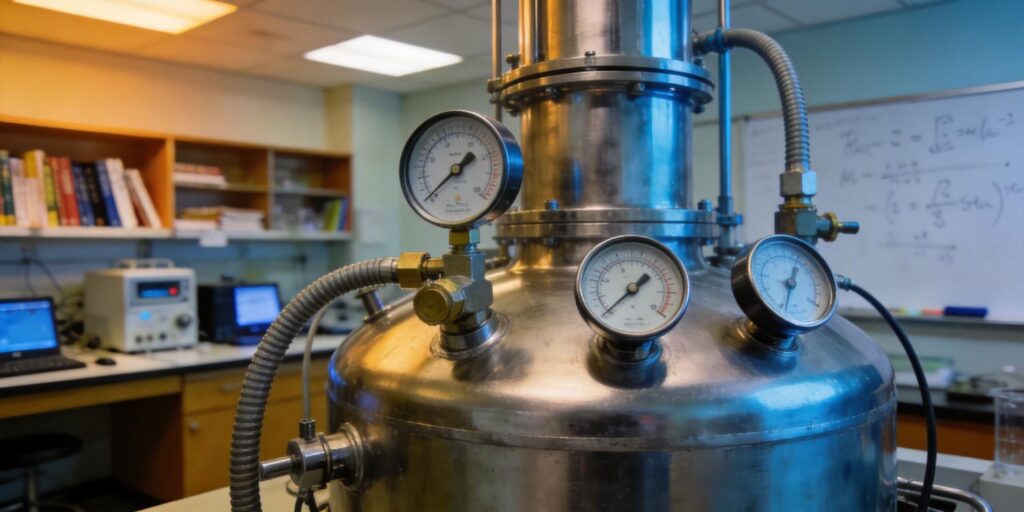
Vacuum gauge installed in university laboratory system

Selecting Vacuum Gauges for University Research Labs

University research laboratories operate under unique constraints: tight budgets, rapidly changing experimental setups, and the need for instruments that deliver reliable data across a wide range of vacuum applications—from basic pump-down studies to advanced mass spectrometry, thin-film deposition, and scanning electron microscopy. Selecting the right vacuum gauge is rarely about chasing the absolute lowest uncertainty;

Selecting Vacuum Gauges for University Research Labs Read More »

IoT dashboard showing vacuum pressure data

Vacuum Gauge Integration into IoT Monitoring Platforms

In modern manufacturing and research facilities, vacuum systems are no longer isolated islands of equipment. Industrial IoT (IIoT) platforms now connect pressure sensors, pumps, and valves into unified dashboards that deliver real-time visibility, automated alerts, and predictive analytics across multiple sites. For engineers and procurement teams managing mass spectrometers, pharmaceutical lyophilizers, vacuum metallurgy furnaces, or

Vacuum Gauge Integration into IoT Monitoring Platforms Read More »

Shopping Cart
Poseidon Scientific
Privacy Overview

This website uses cookies so that we can provide you with the best user experience possible. Cookie information is stored in your browser and performs functions such as recognising you when you return to our website and helping our team to understand which sections of the website you find most interesting and useful.