SPE cleanup before LC MS analysis

LC-MS Matrix Effect Reduction Using SPE Cleanup

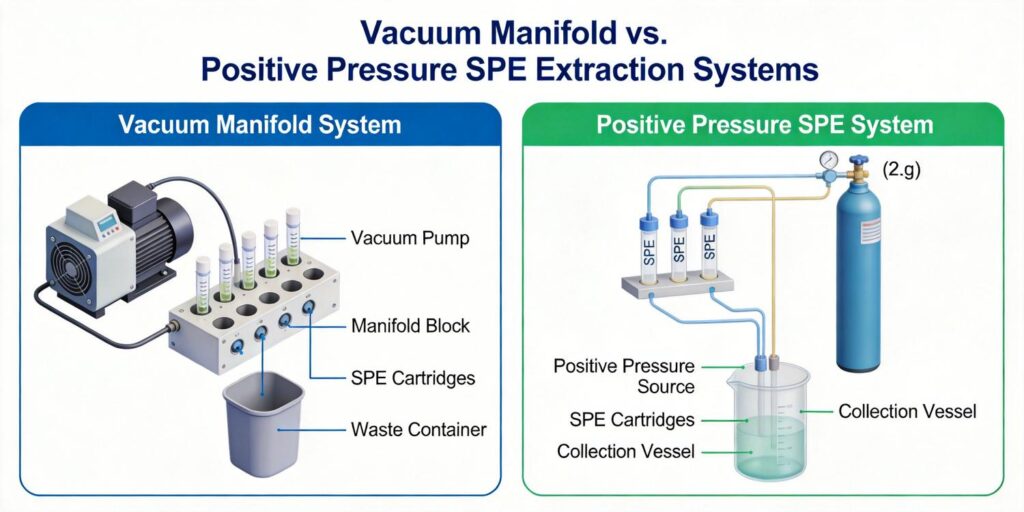
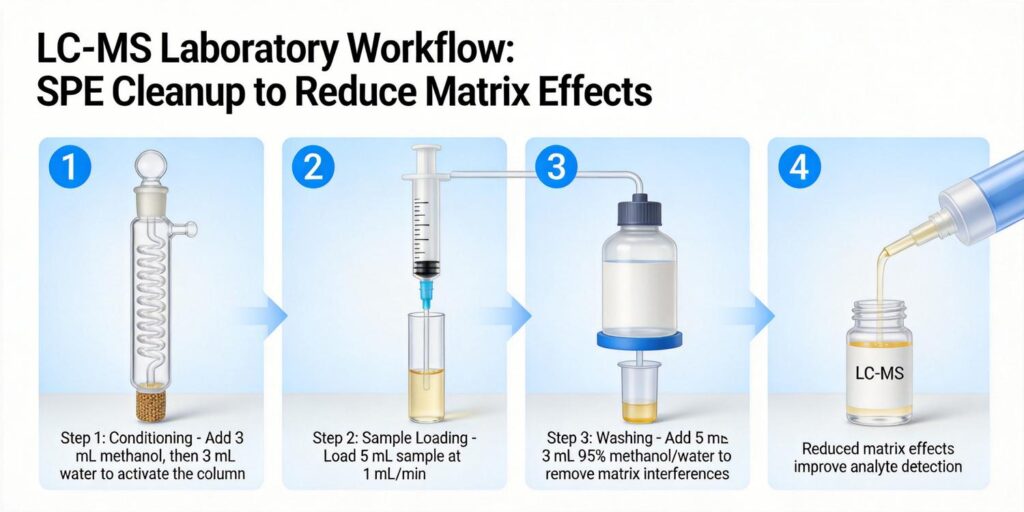
Sources of LC-MS Matrix Effects Liquid chromatography-mass spectrometry (LC-MS) has revolutionized analytical chemistry with its exceptional sensitivity and specificity, but it remains vulnerable to matrix effects that can compromise analytical accuracy. Matrix effects in LC-MS refer to the suppression or enhancement of analyte ionization caused by co-eluting components from the sample matrix. These effects are […]

LC-MS Matrix Effect Reduction Using SPE Cleanup Read More »

Vacuum gauge mounted on plasma sputtering chamber

How Plasma Processes Influence Vacuum Gauge Readings

Plasma Density Effect on Ionization Gauges In plasma-enhanced processes such as reactive sputtering, PECVD, and plasma etching, the vacuum chamber contains a dense cloud of ions, electrons, and excited neutrals. This external plasma directly influences ionization-type vacuum gauges because their measurement principle already relies on electron–molecule collisions to generate a measurable ion current. The VG-SM225

How Plasma Processes Influence Vacuum Gauge Readings Read More »

endocrine disruptor extraction using SPE

SPE Sample Preparation for Endocrine Disruptor Analysis

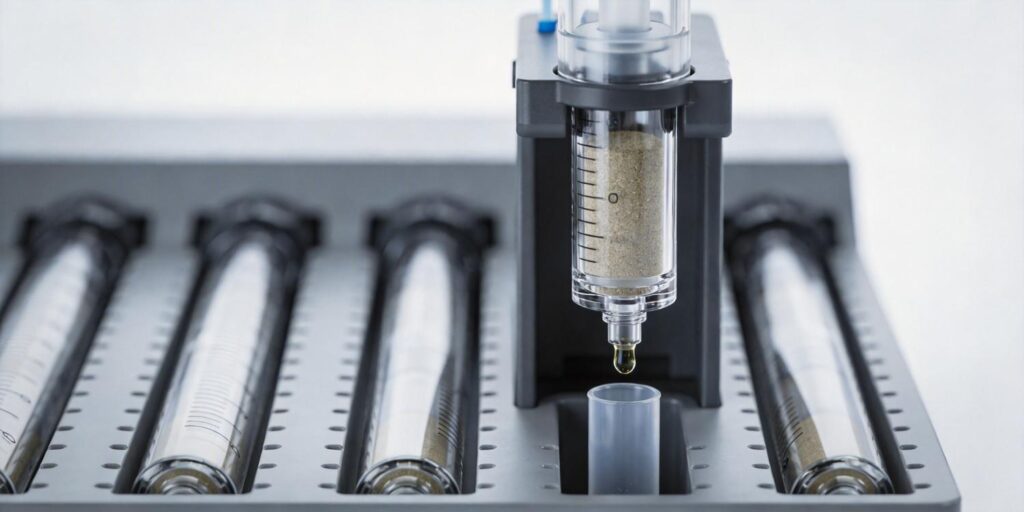
Overview of Endocrine Disrupting Compounds Endocrine disrupting compounds (EDCs) represent a diverse class of chemical contaminants that interfere with the normal functioning of the endocrine system in humans and wildlife. These compounds mimic, block, or otherwise disrupt hormonal signaling pathways, potentially leading to reproductive abnormalities, developmental disorders, and increased cancer risks. EDCs encompass a wide

SPE Sample Preparation for Endocrine Disruptor Analysis Read More »

Vacuum gauge installed on industrial metal 3D printer chamber

Vacuum Monitoring in Additive Manufacturing Systems

Vacuum-Assisted Metal Printing Requirements Additive manufacturing of metal parts—particularly electron-beam melting (EBM) and vacuum-assisted laser powder-bed fusion—relies on controlled vacuum environments to eliminate oxidation, improve melt-pool stability, and ensure defect-free microstructures. Build chambers must reach and hold pressures low enough to prevent oxygen and nitrogen pickup while still allowing efficient powder spreading and electron or

Vacuum Monitoring in Additive Manufacturing Systems Read More »

Vacuum gauge calibrated at atmospheric pressure

Vacuum Gauge Zero Offset Adjustment Procedure

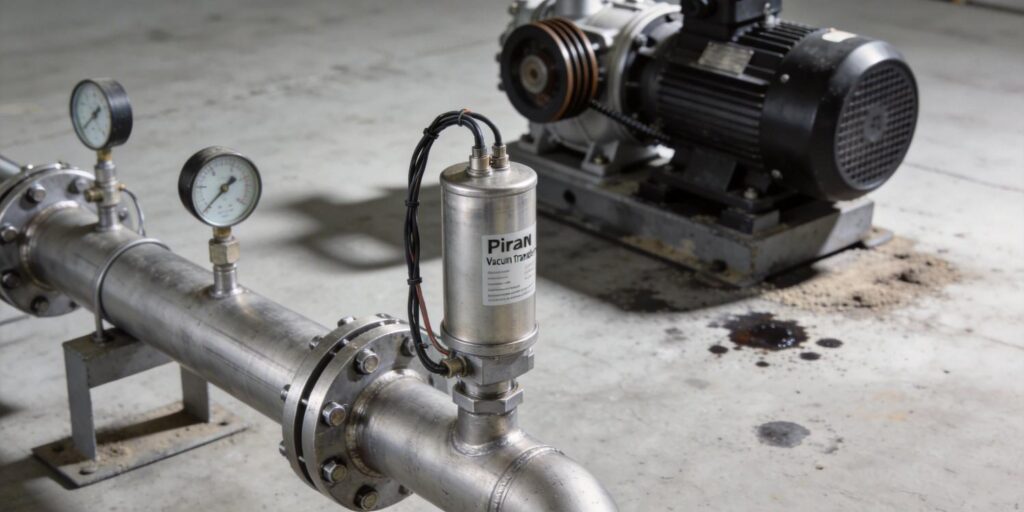
When Zero Adjustment Is Required Zero offset in vacuum transmitters refers to a systematic shift where the gauge reads a non-zero pressure at true atmosphere (≈760 Torr) or fails to approach zero at base vacuum. For Poseidon Scientific’s VG-SP205 Pirani Vacuum Transmitter and VG-SM225 Cold Cathode Vacuum Gauge, such offsets are rare thanks to factory

Vacuum Gauge Zero Offset Adjustment Procedure Read More »

environmental water pharmaceutical extraction using SPE

SPE Preconcentration of Pharmaceuticals in Surface Water

Pharmaceutical Contaminants Overview Pharmaceutical contaminants in surface water represent a growing environmental concern, with compounds ranging from non-steroidal anti-inflammatory drugs (NSAIDs) to antibiotics, hormones, and antidepressants entering aquatic systems through various pathways. These emerging contaminants typically exist at trace concentrations (ng/L to μg/L), making their detection and quantification challenging without effective preconcentration techniques. According to

SPE Preconcentration of Pharmaceuticals in Surface Water Read More »

Cold cathode vacuum gauge on electron beam vacuum chamber

High Vacuum Measurement in Electron Beam Systems

Required Pressure Levels (10⁻⁵ mbar Region) Electron beam systems—scanning electron microscopes (SEM), electron-beam lithography tools, e-beam welding machines, and high-resolution analytical instruments—operate in the high-vacuum regime to ensure electrons travel in straight-line paths without scattering. At pressures above ~10⁻³ mbar (~7.5×10⁻⁴ Torr), the mean free path of residual gas molecules drops below chamber dimensions, causing

High Vacuum Measurement in Electron Beam Systems Read More »

plasma phospholipid cleanup using SPE

Removing Phospholipids from Plasma Using SPE

Phospholipid Interference in LC-MS Analysis Phospholipids represent one of the most significant challenges in liquid chromatography-mass spectrometry (LC-MS) analysis of biological samples, particularly plasma. These endogenous compounds can cause severe matrix effects, leading to ion suppression or enhancement, increased analytical variability, and reduced method sensitivity. According to Waters documentation, phospholipids are “major causes of matrix

Removing Phospholipids from Plasma Using SPE Read More »

Vacuum gauge monitoring isolated vacuum chamber

Vacuum Gauge Drift vs System Leak: How to Differentiate

Baseline Stability Test Distinguishing genuine system leaks from vacuum-gauge drift begins with a simple, repeatable baseline stability test. Pump the chamber to a known low-pressure setpoint—typically 10⁻⁴ Torr for Pirani range or 10⁻⁶ Torr for cold-cathode verification—using a clean, oil-free or well-trapped system. Isolate the pump and close all valves, then record the gauge output

Vacuum Gauge Drift vs System Leak: How to Differentiate Read More »

Vacuum gauge installed on battery production vacuum system

Selecting Vacuum Gauges for Battery Manufacturing Dry Rooms

Dry Room Vacuum Requirements Lithium-ion battery manufacturing demands ultra-dry environments to prevent moisture from reacting with lithium salts, electrolytes, or electrode materials. Dry rooms typically maintain dew points of −40 °C to −60 °C at atmospheric pressure, but the critical vacuum step occurs inside integrated drying ovens or airlock chambers. These ovens remove residual solvents

Selecting Vacuum Gauges for Battery Manufacturing Dry Rooms Read More »

Shopping Cart
Poseidon Scientific
Privacy Overview

This website uses cookies so that we can provide you with the best user experience possible. Cookie information is stored in your browser and performs functions such as recognising you when you return to our website and helping our team to understand which sections of the website you find most interesting and useful.