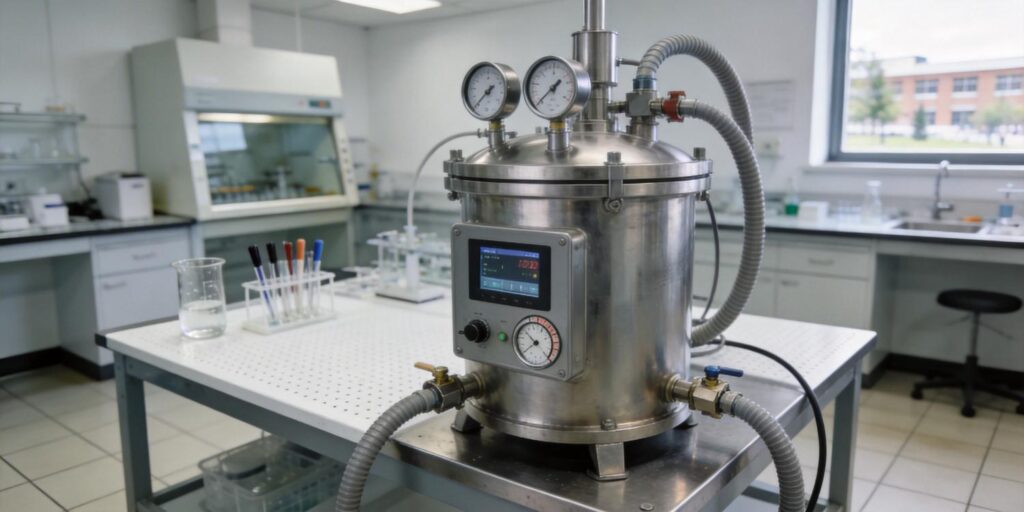
grain sample preparation using SPE extraction

SPE Cleanup for Mycotoxin Detection in Grain Samples

1. Mycotoxin Contamination Overview Mycotoxins represent a significant food safety concern in grain commodities worldwide. These toxic secondary metabolites produced by fungi such as Aspergillus, Fusarium, and Penicillium species can contaminate various grains including corn, wheat, rice, and barley. Among the most concerning mycotoxins are aflatoxins (B1, B2, G1, G2), ochratoxin A, fumonisins, deoxynivalenol, and […]

SPE Cleanup for Mycotoxin Detection in Grain Samples Read More »

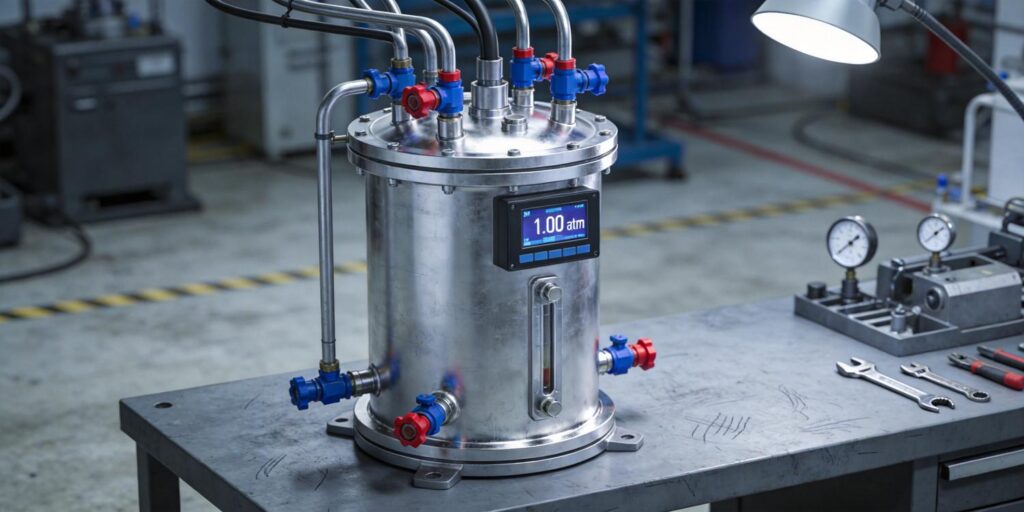
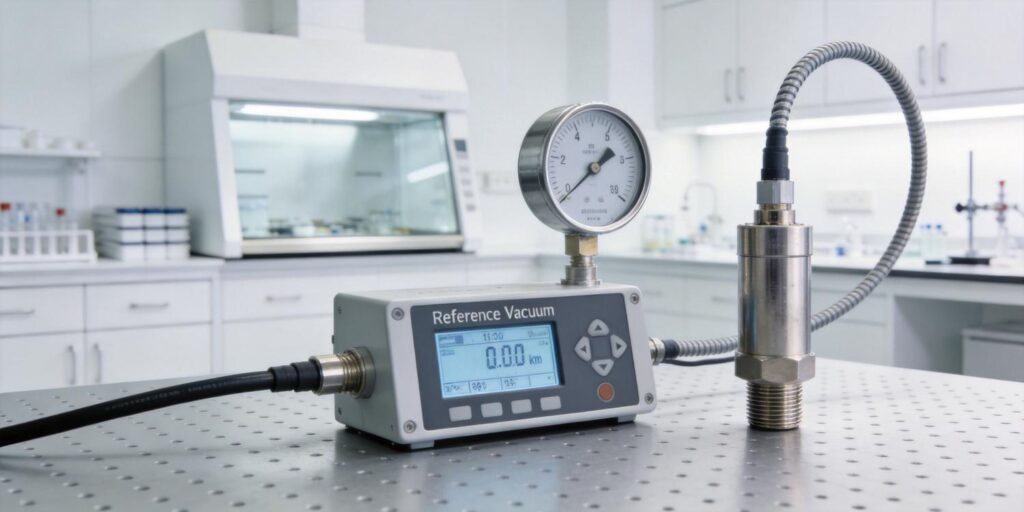
Digital vacuum gauge displaying absolute pressure value

Comparing Absolute vs Relative Vacuum Measurement Concepts

Define Absolute Pressure Reference Vacuum measurement begins with a fundamental distinction: absolute pressure is always referenced to a perfect vacuum—zero molecules, zero pressure. This zero point is universal and unchanging, independent of location, weather, or altitude. In contrast, relative (or gauge) pressure uses local atmospheric pressure as its zero reference. At sea level on a

Comparing Absolute vs Relative Vacuum Measurement Concepts Read More »

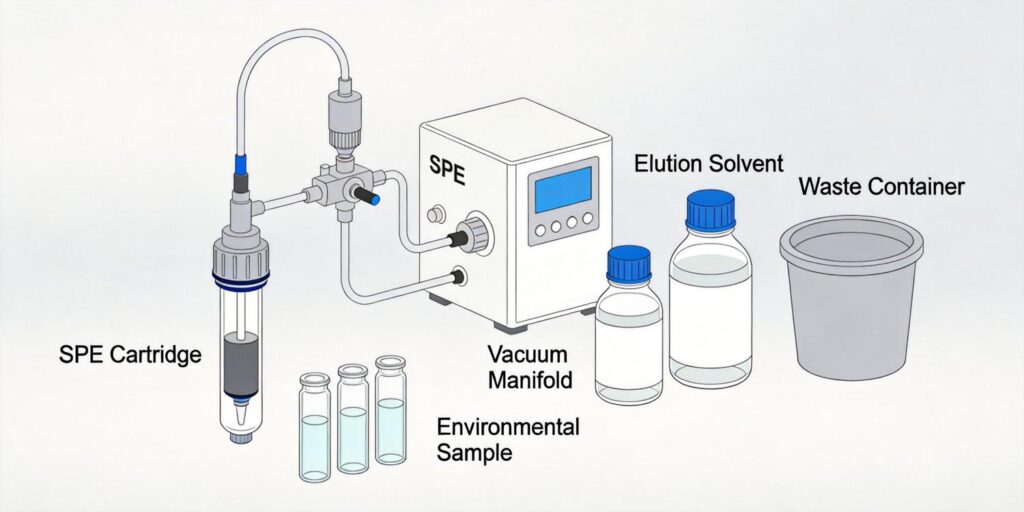
hormone contaminant extraction using SPE cartridge

SPE Method for Hormone Analysis in Environmental Water

Environmental Sources of Steroid Hormones Steroid hormones enter environmental water systems through multiple pathways, primarily from human and animal waste. Estrogens (estrone, estradiol, estriol), androgens (testosterone), progestogens (progesterone), and synthetic hormones (ethinylestradiol) are excreted in urine and feces, passing through wastewater treatment plants that often incompletely remove these compounds. Agricultural runoff containing livestock manure and

SPE Method for Hormone Analysis in Environmental Water Read More »

Vacuum transmitter connected to automated control system

Pressure Control Loop Tuning with Vacuum Transmitters

Control Loop Fundamentals (PID) Pressure control in vacuum systems—whether maintaining a stable process pressure in a coating chamber or protecting sensitive instruments—relies on closed-loop feedback. The most common controller architecture is PID (Proportional-Integral-Derivative). The controller continuously calculates an error value as the difference between a desired setpoint and the actual pressure measured by the vacuum

Pressure Control Loop Tuning with Vacuum Transmitters Read More »

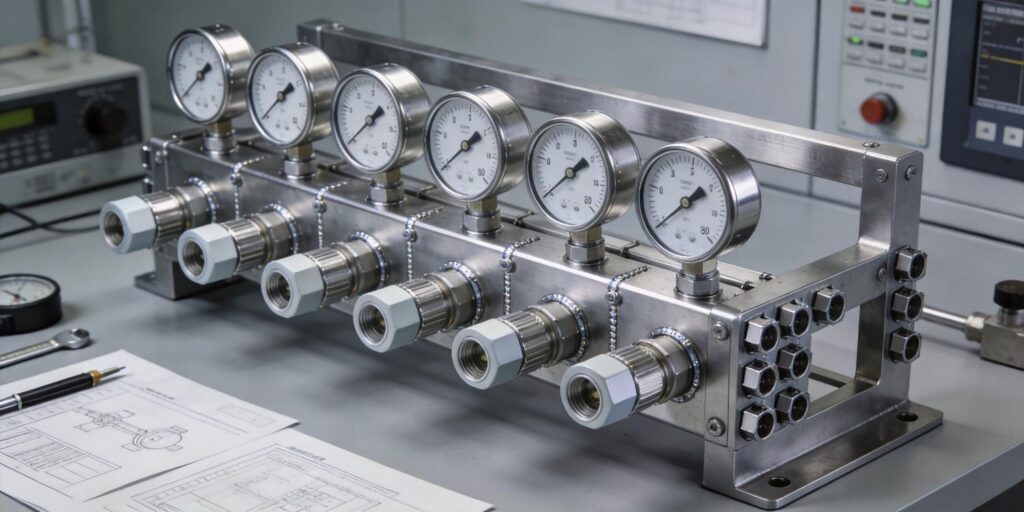
Vacuum gauge installed on industrial stainless steel pipeline

Vacuum Gauge Installation Angle: Does Orientation Matter?

Sensor Structural Design Differences Vacuum gauges come in two primary technologies for high-vacuum monitoring: Pirani thermal conduction gauges and cold-cathode ionization gauges. Their internal architectures directly influence how installation orientation affects performance, reliability, and contamination resistance. The VG-SP205 Pirani Vacuum Transmitter relies on a platinum filament suspended in a compact stainless-steel envelope. Heat loss from

Vacuum Gauge Installation Angle: Does Orientation Matter? Read More »

veterinary drug extraction from meat using SPE

Extracting Veterinary Drug Residues from Meat Using SPE

Regulatory Monitoring of Veterinary Drugs Veterinary drug residue monitoring in meat products represents a critical public health safeguard implemented by regulatory agencies worldwide. The detection of antibacterial drugs, sulfonamides, and other therapeutic agents in animal tissues requires robust analytical methodologies that can achieve detection limits at parts-per-billion (ppB) levels. As noted in the literature, “antibacterial

Extracting Veterinary Drug Residues from Meat Using SPE Read More »

Vacuum transmitter wired to PLC with alarm lights

Designing Interlock Logic Using Vacuum Gauge Threshold Signals

Define Process Critical Pressure Thresholds Effective interlock logic begins with a clear understanding of the vacuum pressures that directly impact process safety, quality, and equipment protection. In most analytical and production vacuum systems, three critical thresholds emerge from the pump-down curve and recipe requirements: Roughing threshold (atmosphere to 10⁻³ Torr): Protects turbomolecular pumps from operation

Designing Interlock Logic Using Vacuum Gauge Threshold Signals Read More »

antibiotic residue extraction from milk using HLB SPE

Using HLB SPE for Antibiotic Residue Analysis in Milk

Antibiotic Residue Regulations Overview Antibiotic residue analysis in milk represents a critical component of food safety monitoring worldwide. Regulatory frameworks such as the European Union’s Maximum Residue Limits (MRLs), the U.S. Food and Drug Administration’s tolerances, and China’s GB standards establish stringent requirements for veterinary drug residues in dairy products. These regulations typically specify detection

Using HLB SPE for Antibiotic Residue Analysis in Milk Read More »

High vacuum chamber with installed vacuum gauge

How Outgassing Skews High Vacuum Measurements

Define Material Outgassing Outgassing is the spontaneous release of trapped or adsorbed gases from the surfaces and bulk of materials inside a vacuum chamber. These gases—primarily water vapor, hydrogen, carbon monoxide, and hydrocarbons—originate from atmospheric exposure, manufacturing residues, or dissolved species within metals, polymers, and ceramics. In high-vacuum systems the dominant source is physisorbed and

How Outgassing Skews High Vacuum Measurements Read More »

PFAS extraction workflow using SPE cartridge

SPE Sample Preparation for PFAS Analysis in Drinking Water

Overview of PFAS Contamination in Drinking Water Per- and polyfluoroalkyl substances (PFAS) represent a class of synthetic chemicals that have become a significant environmental concern in drinking water systems worldwide. These compounds, characterized by their strong carbon-fluorine bonds, exhibit exceptional thermal and chemical stability, making them persistent in the environment and resistant to conventional water

SPE Sample Preparation for PFAS Analysis in Drinking Water Read More »

Shopping Cart
Poseidon Scientific
Privacy Overview

This website uses cookies so that we can provide you with the best user experience possible. Cookie information is stored in your browser and performs functions such as recognising you when you return to our website and helping our team to understand which sections of the website you find most interesting and useful.