Applications

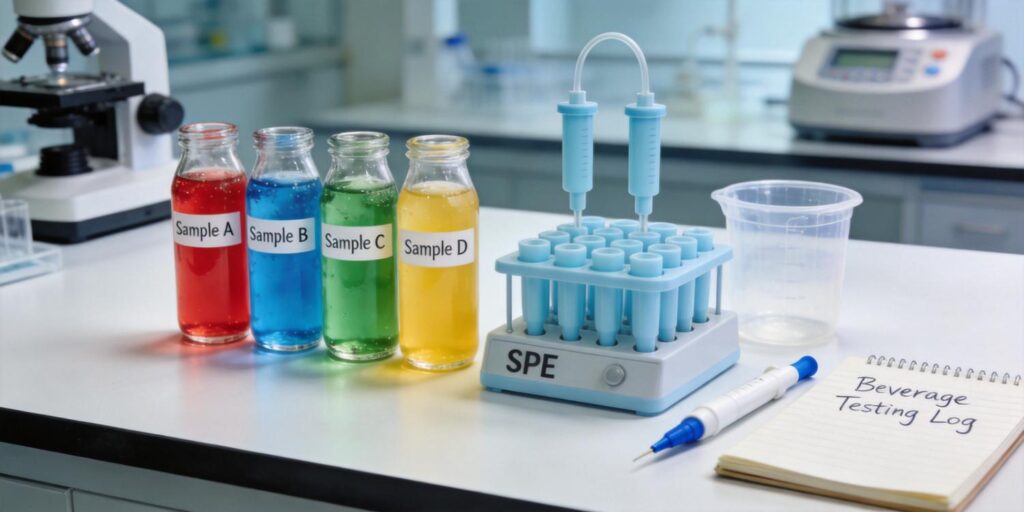
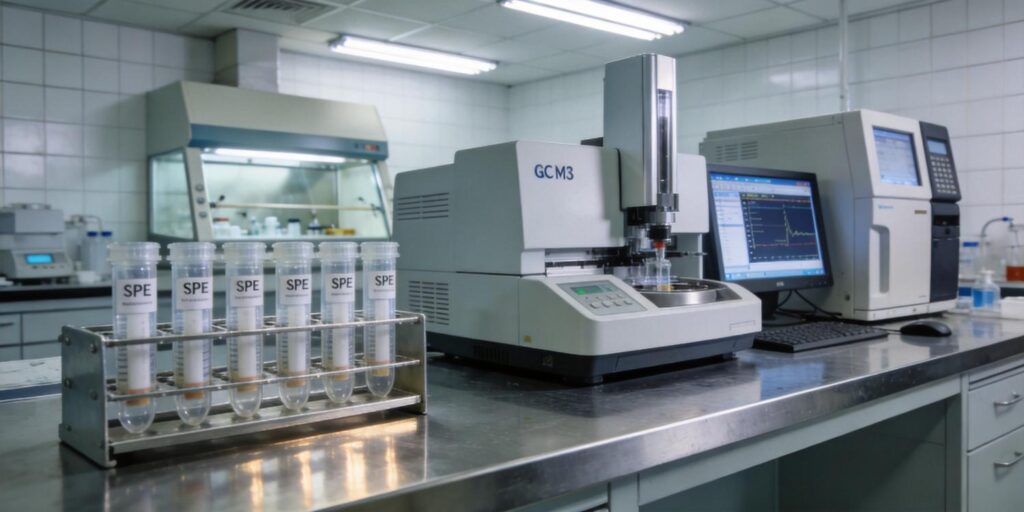
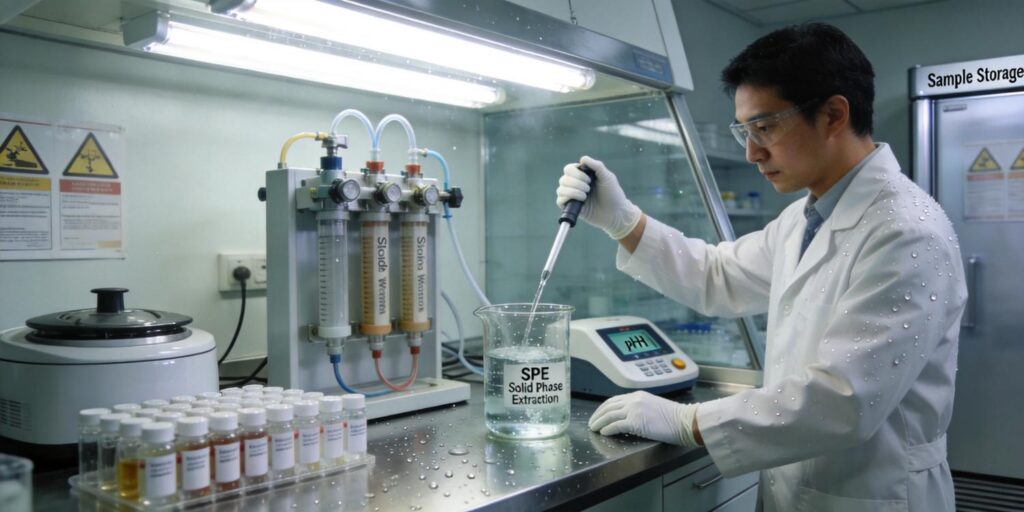
MAX SPE cartridge extracting herbicide residues from water sample

MAX SPE Method for Extraction of Acidic Herbicides in Water Samples

Chemical Characteristics of Acidic Herbicides Acidic herbicides such as 2,4-D (2,4-dichlorophenoxyacetic acid) and dicamba (3,6-dichloro-2-methoxybenzoic acid) represent a critical class of agricultural chemicals requiring specialized extraction methodologies. These compounds share common structural features including carboxylic acid functional groups that impart acidic properties with pKa values typically ranging from 2.6-2.8 for 2,4-D and approximately 2.2 for […]

MAX SPE Method for Extraction of Acidic Herbicides in Water Samples Read More »

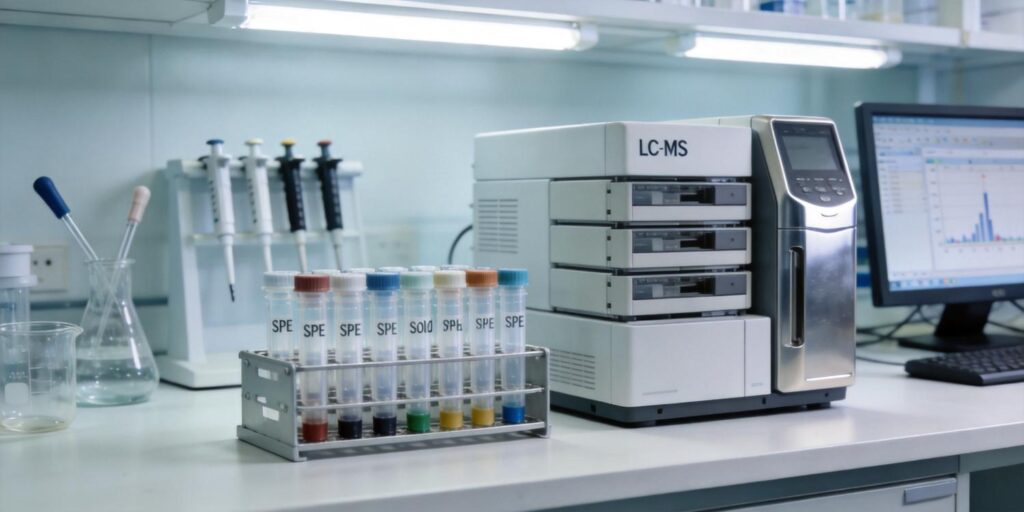
SPE cartridge purifying dissolved pharmaceutical tablet sample

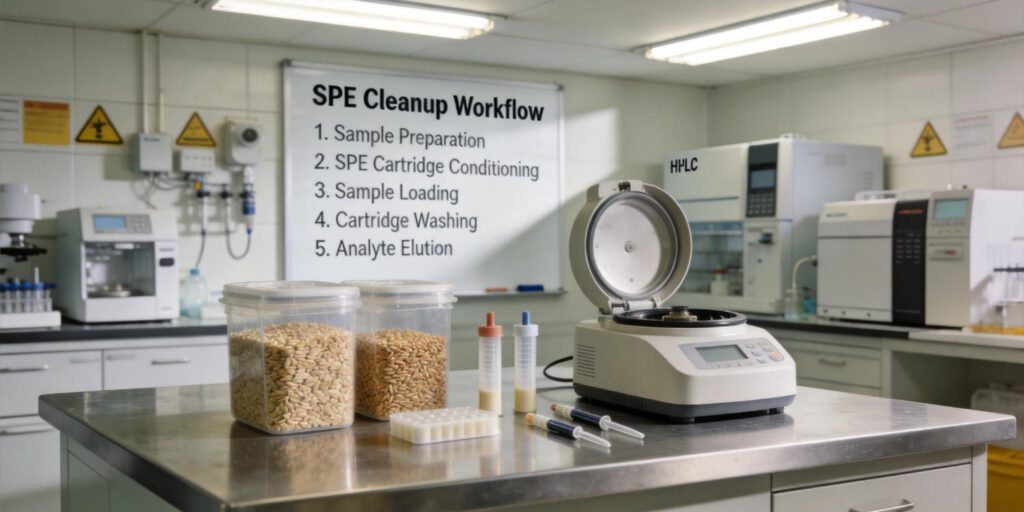
SPE Cleanup Workflow for LC-MS Analysis of Pharmaceutical Tablets

Introduction to SPE Cleanup for Pharmaceutical Tablet Analysis Solid-phase extraction (SPE) has become an indispensable technique in pharmaceutical analysis, particularly for LC-MS analysis of tablet formulations. The complexity of tablet matrices—containing active pharmaceutical ingredients (APIs), excipients, fillers, binders, and lubricants—demands robust cleanup procedures to ensure accurate quantification and prevent instrument contamination. According to industry standards,

SPE Cleanup Workflow for LC-MS Analysis of Pharmaceutical Tablets Read More »

HLB SPE cartridge extracting pesticide residues from fruit extract

HLB SPE Method for Multi-Residue Pesticide Analysis in Fruit Samples

Overview of Pesticide Residue Regulations and Detection Limits in Fruit Testing Global food safety regulations have established stringent limits for pesticide residues in fruits, with maximum residue limits (MRLs) typically ranging from 0.01 to 10 mg/kg depending on the pesticide and fruit type. Regulatory bodies including the European Union, US FDA, and Codex Alimentarius Commission

HLB SPE Method for Multi-Residue Pesticide Analysis in Fruit Samples Read More »

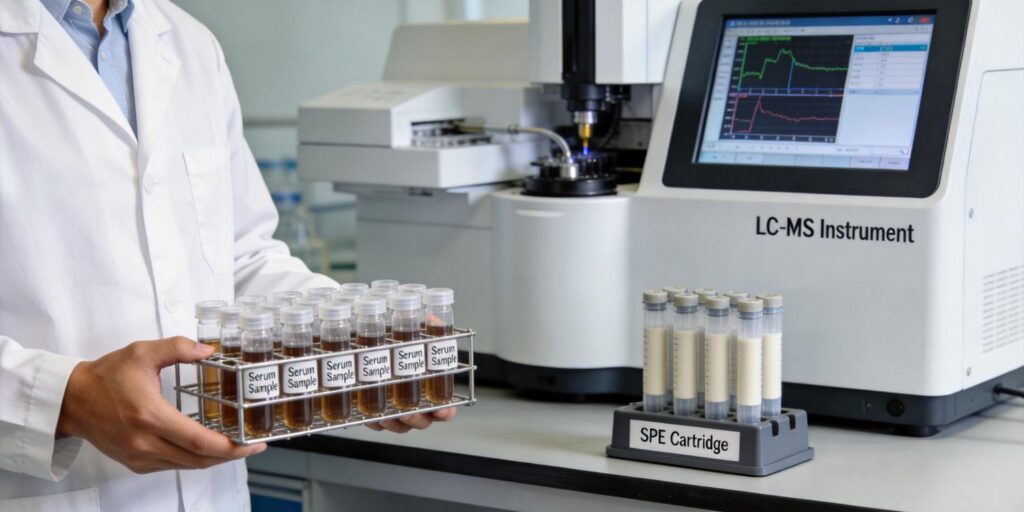
mixed mode SPE cartridges used in clinical toxicology drug screening

Mixed-Mode SPE Strategy for Multi-Class Drug Screening in Clinical Toxicology

The Critical Need for Simultaneous Detection of Acidic, Neutral, and Basic Drugs In clinical toxicology laboratories, the ability to simultaneously detect and quantify drugs spanning different chemical classes is paramount for comprehensive patient care. Modern drug screening must address the reality that patients may be exposed to multiple substances with varying physicochemical properties—acidic drugs like

Mixed-Mode SPE Strategy for Multi-Class Drug Screening in Clinical Toxicology Read More »

SPE cartridge extracting veterinary drugs from fish tissue

SPE Method for Extracting Veterinary Drugs from Fish Tissue

Homogenization of Fish Tissue Samples The first critical step in extracting veterinary drug residues from fish tissue involves proper sample homogenization. As noted in the literature, tissue samples like fish muscle require liquefaction or solubilization of analytes from the solid matrix. A typical approach involves homogenizing the fish tissue in a slurrying buffer such as

SPE Method for Extracting Veterinary Drugs from Fish Tissue Read More »

SPE cartridge extracting herbicide residues from soil extract

SPE Workflow for Extracting Herbicide Residues from Agricultural Soil

Soil Sampling and Drying Procedures Effective extraction of herbicide residues from agricultural soil begins with proper sample collection and preparation. Representative soil samples should be collected from multiple locations within the field using a soil corer or auger to obtain a composite sample. The sampling depth should correspond to the herbicide application zone, typically 0-15

SPE Workflow for Extracting Herbicide Residues from Agricultural Soil Read More »

WCX SPE cartridge extracting biogenic amines from food sample

WCX SPE Extraction of Biogenic Amines in Fermented Food Products

Overview of Biogenic Amines in Fermented Foods Biogenic amines are nitrogenous compounds formed primarily through microbial decarboxylation of amino acids during fermentation processes. In fermented food products like wine, cheese, sauerkraut, and fermented meats, three key amines pose significant quality and safety concerns: histamine, tyramine, and putrescine. Histamine, derived from histidine, is particularly problematic as

WCX SPE Extraction of Biogenic Amines in Fermented Food Products Read More »

SPE cartridge extracting antibiotics from wastewater sample

SPE Method Development for Trace Antibiotic Detection in Wastewater

Target Antibiotic Classes: Understanding Polarity and pKa Ranges Developing an effective SPE method for trace antibiotic detection in wastewater begins with understanding the physicochemical properties of target compounds. The three major antibiotic classes—sulfonamides, fluoroquinolones, and macrolides—exhibit diverse polarity and ionization characteristics that directly influence SPE retention and elution strategies. Sulfonamides Sulfonamide antibiotics typically contain an

SPE Method Development for Trace Antibiotic Detection in Wastewater Read More »

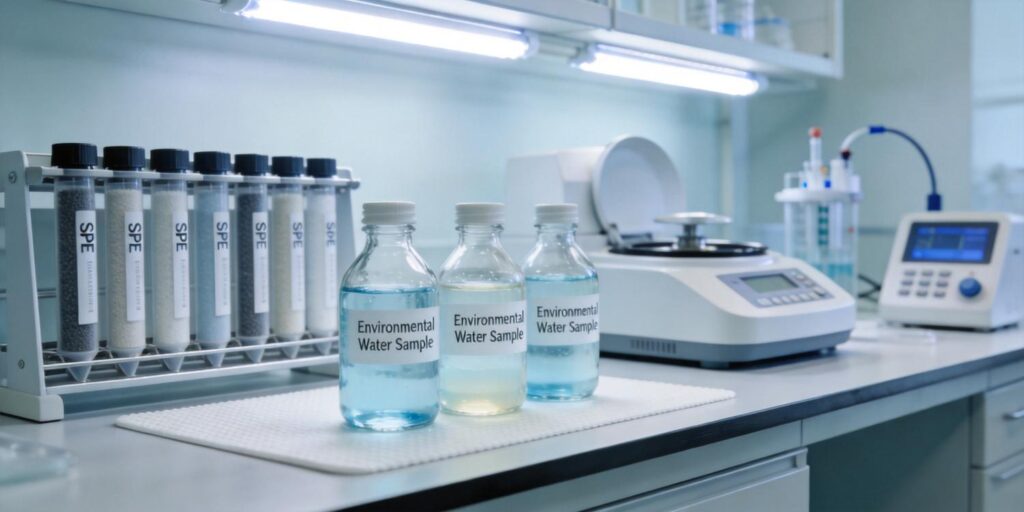
SPE cartridge extracting pesticide residues from environmental water sample

SPE Sample Preparation for Trace Pesticide Detection in River Water

Trace Pesticide Contamination Concerns in River Water River water monitoring for trace pesticide contamination represents one of the most critical environmental analytical challenges facing regulatory agencies and research institutions today. Pesticides, even at sub-part-per-billion (ppb) levels, can have profound ecological impacts, affecting aquatic life, disrupting ecosystems, and potentially entering drinking water supplies. The analytical challenge

SPE Sample Preparation for Trace Pesticide Detection in River Water Read More »

SPE cartridge removing phospholipids from plasma sample

Removing Phospholipid Interference from Plasma Samples Using SPE

Identification of Phospholipid Interference in LC-MS Analysis Phospholipid interference represents one of the most significant challenges in LC-MS analysis of plasma samples. These endogenous compounds, primarily phosphatidylcholines, lysophosphatidylcholines, and sphingomyelins, can cause severe ion suppression, matrix effects, and increased analytical variability. According to Waters documentation, phospholipids are “the main cause of matrix effects, ion suppression,

Removing Phospholipid Interference from Plasma Samples Using SPE Read More »

Shopping Cart
Poseidon Scientific
Privacy Overview

This website uses cookies so that we can provide you with the best user experience possible. Cookie information is stored in your browser and performs functions such as recognising you when you return to our website and helping our team to understand which sections of the website you find most interesting and useful.