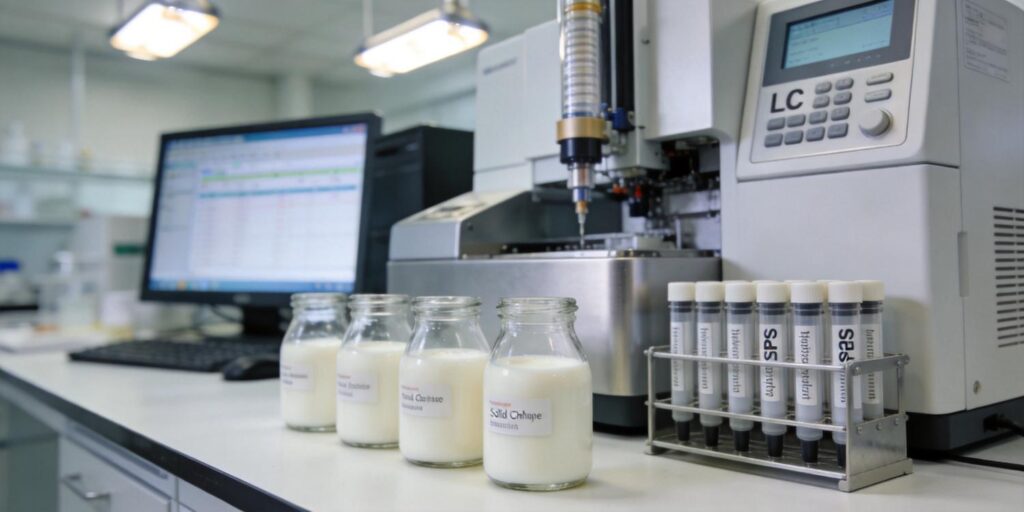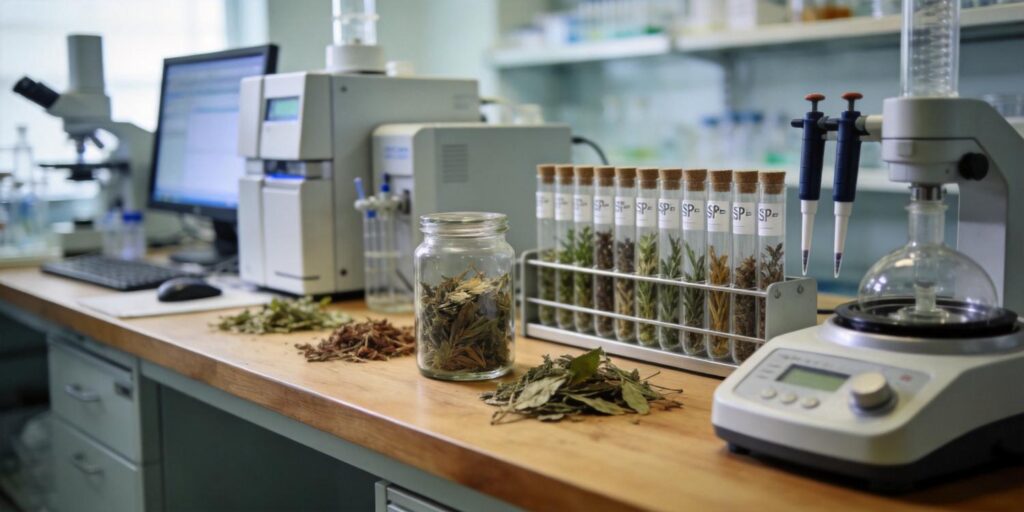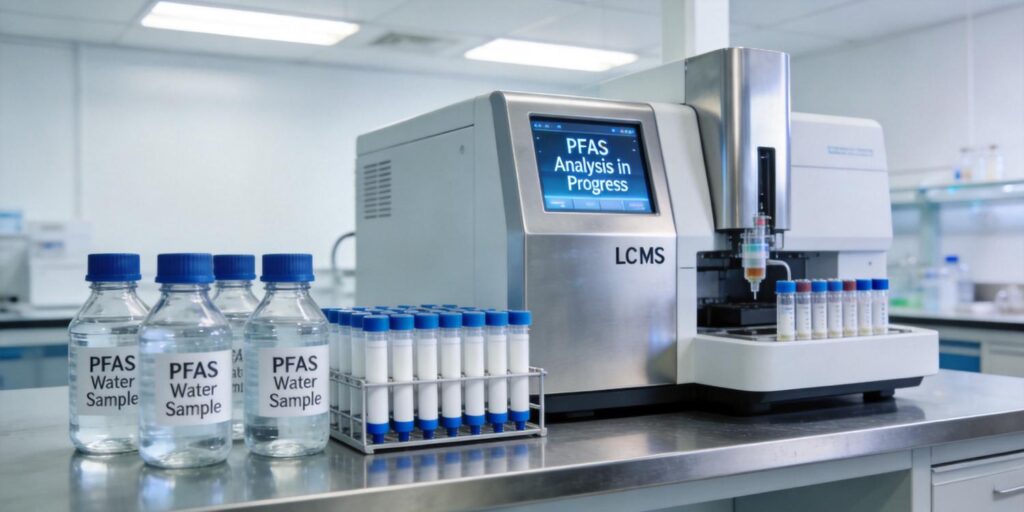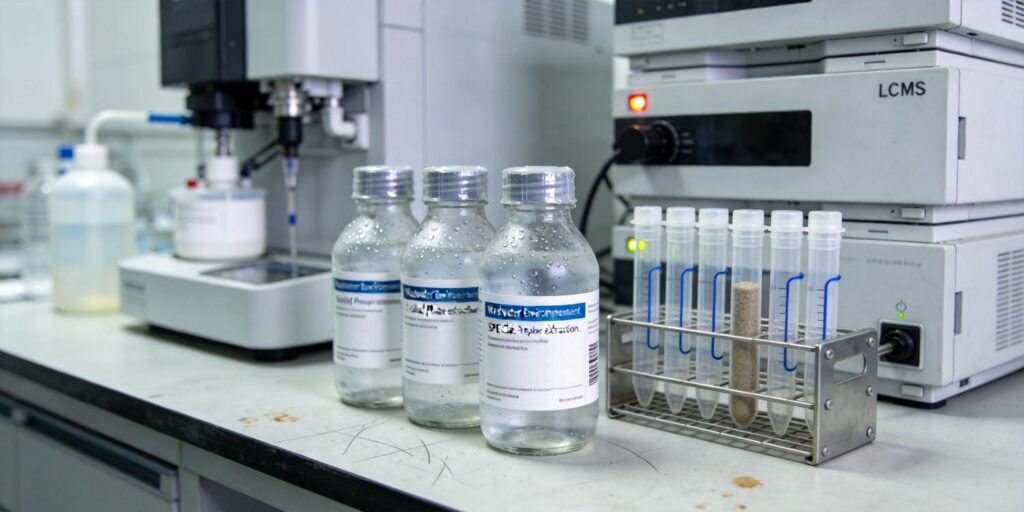
SPE Workflow for Removing Sugars from Beverage Samples Prior to LC Analysis
SPE Workflow for Removing Sugars from Beverage Samples Prior to LC Analysis Read More »
1. Nature of Humic and Fulvic Acid Interference in LC-MS Analysis Humic and fulvic acids constitute the primary components of dissolved organic matter (DOM) in environmental water samples, ranging from micrograms per liter in groundwater to milligrams per liter in surface freshwater. These complex macromolecular substances are amphiphilic in nature, containing both hydrophobic aromatic cores
SPE Protocol for Removing Humic Substances from Environmental Water Samples Read More »
Overview of Endocrine Disrupting Compounds Endocrine disrupting compounds (EDCs) represent a diverse class of chemical contaminants that interfere with the normal functioning of the endocrine system in humans and wildlife. These compounds mimic, block, or otherwise disrupt hormonal signaling pathways, potentially leading to reproductive abnormalities, developmental disorders, and increased cancer risks. EDCs encompass a wide
SPE Sample Preparation for Endocrine Disruptor Analysis Read More »
Pharmaceutical Contaminants Overview Pharmaceutical contaminants in surface water represent a growing environmental concern, with compounds ranging from non-steroidal anti-inflammatory drugs (NSAIDs) to antibiotics, hormones, and antidepressants entering aquatic systems through various pathways. These emerging contaminants typically exist at trace concentrations (ng/L to μg/L), making their detection and quantification challenging without effective preconcentration techniques. According to
SPE Preconcentration of Pharmaceuticals in Surface Water Read More »
Common Pesticide Residues in Fruit Samples Fruit samples present unique challenges for pesticide residue analysis due to their complex matrices containing sugars, organic acids, pigments, and varying water content. The most commonly encountered pesticide residues in fruits span multiple chemical classes, each requiring specific analytical approaches. Organochlorine pesticides such as DDT, DDE, DDD, endosulfan, and
Solid Phase Extraction for Pesticide Residue Analysis in Fruits Read More »
1. Mycotoxin Contamination Overview Mycotoxins represent a significant food safety concern in grain commodities worldwide. These toxic secondary metabolites produced by fungi such as Aspergillus, Fusarium, and Penicillium species can contaminate various grains including corn, wheat, rice, and barley. Among the most concerning mycotoxins are aflatoxins (B1, B2, G1, G2), ochratoxin A, fumonisins, deoxynivalenol, and
SPE Cleanup for Mycotoxin Detection in Grain Samples Read More »